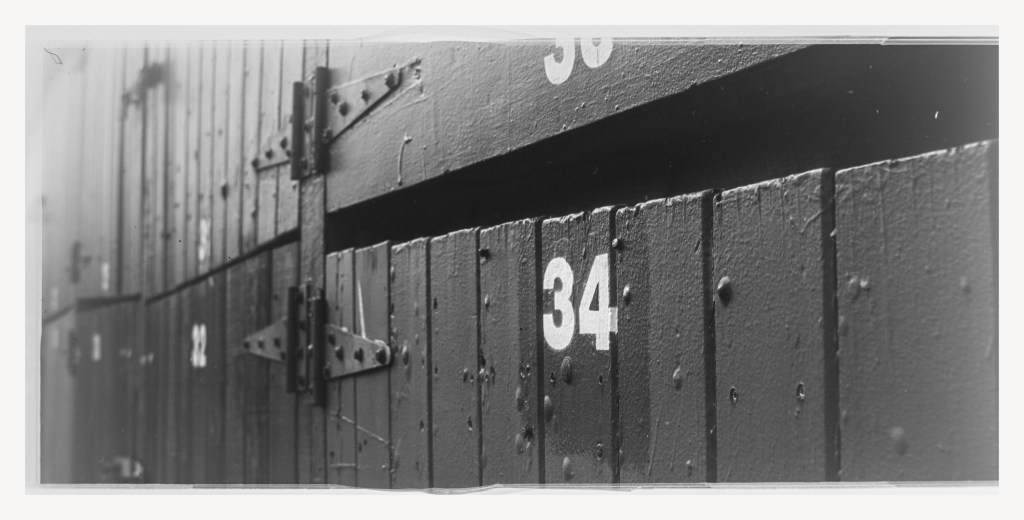
Recently a mate and I saw some old bulk film popping up for sale cheap and grabbed it to have a play. When looking closer and receiving it, we found it was unperforated film – Ilford Micro-Neg Pan Film Type B. Unperforated immediately created an issue – most our cameras cannot wind it (without tearing film and potentially damaging cameras)… and the bulk winder also by default cannot work. All problems. Nothing that cannot be … well solution attempted.
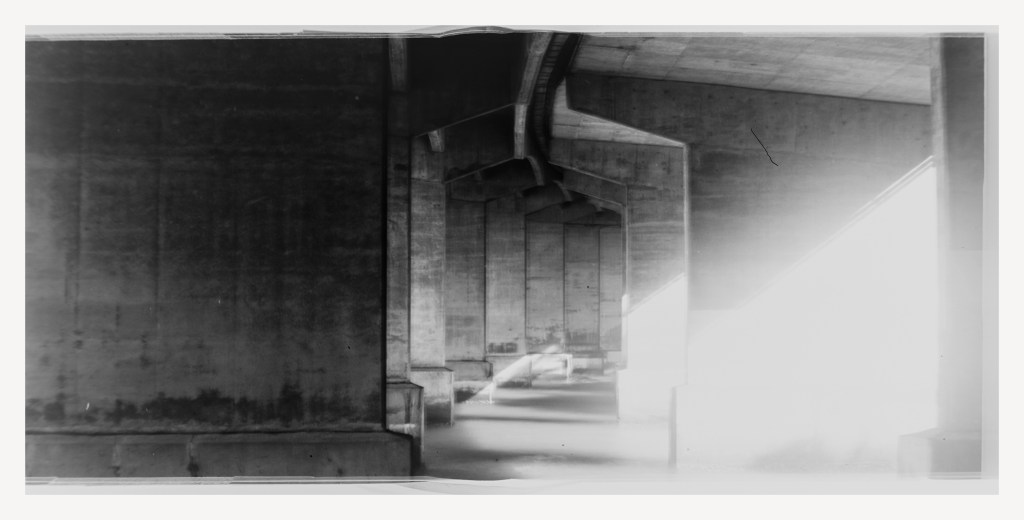
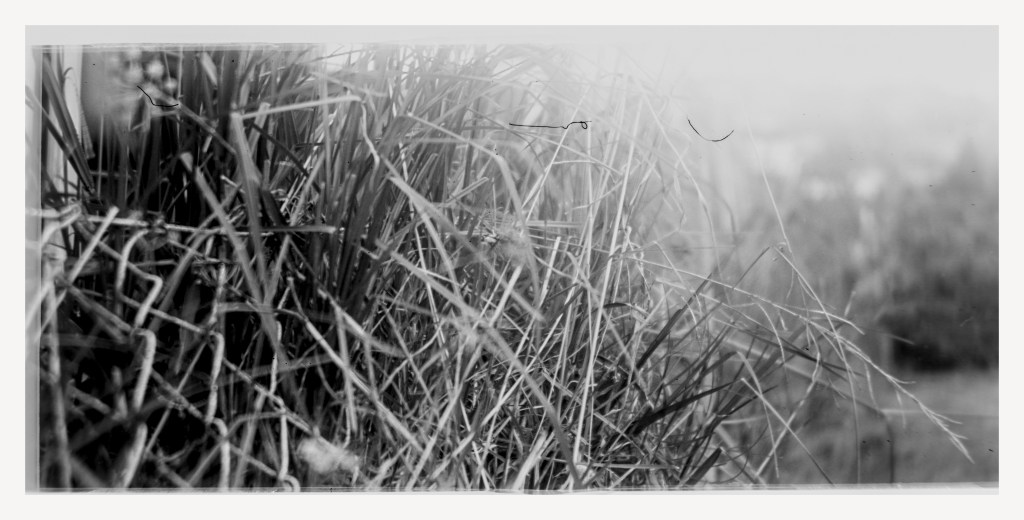
Step one was the bulk winder. I first counted approximately winds to load a 36’ish shot can. Then I dismantled the winder, removing all sprocket components (and rendering the film counting unavailable). Taped over all the new light leak opportunities and put back together. Threading the bulk reel into the loader (in a dark bag) was the next challenge – a pre taped leader the eventual solution. And away loading up some reusable and old kept cans.
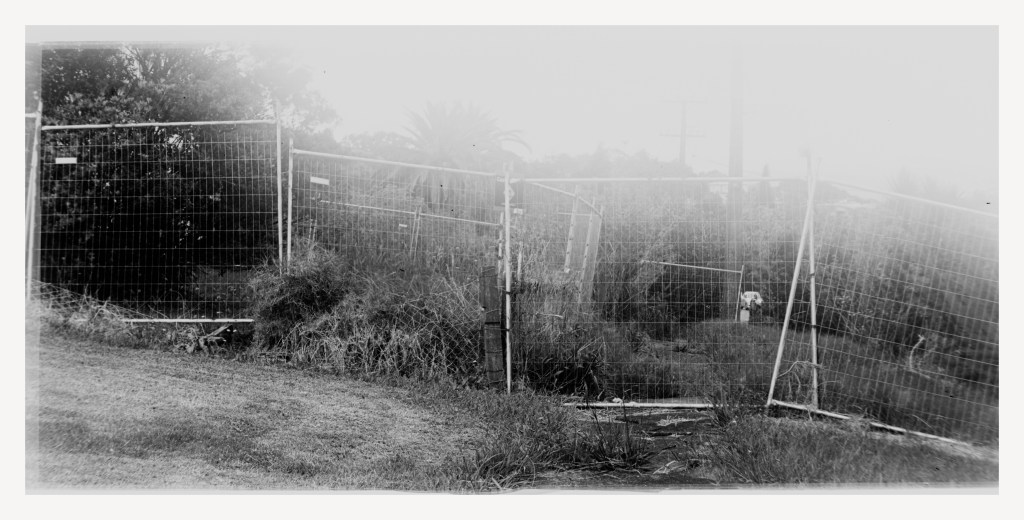
The next challenge was what will I shoot with and what ISO/ASA is this old film!?
Camera wise I settled on ,my great grandfathers Nettar 120film folding camera. I had some 120 – 35mm 3D printed adaptors in the collection and this would offer a ‘pano-like’ shooting experience. Like the bulk loader – I had to put in a dummy film and work out roughly how many turns to advance to the next frame. Over the course of the roll, it’s about 3/4 difference. I rounded to the closest 1/4 to make things easy – but the spacing is still a little all over the show.
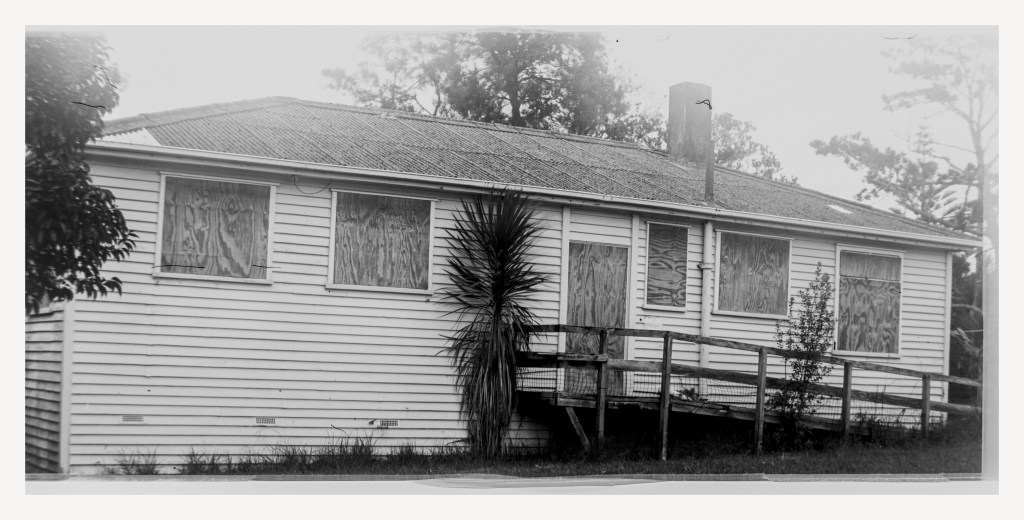
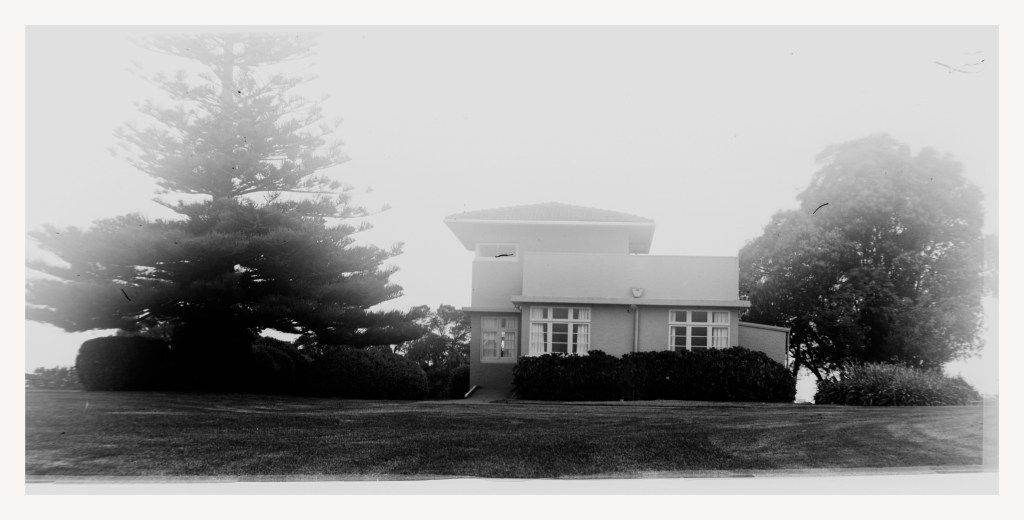
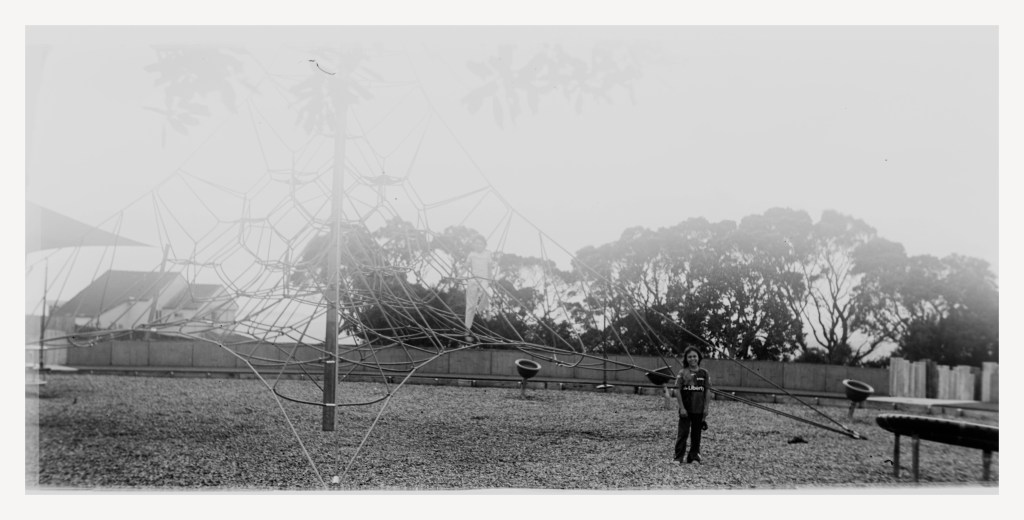
So what about the ASA/ISO. Thats still a discovery in development if Im honest. The Micro-Neg Pan has some quite different sensitivity characterises between bright and dull subjects. By testing, I narrowed down to ISO 1/3/6 and ‘hand bracketed’ to test. I say hand as on the Nettar virtually all the exposures anything other than wide open are via ‘B’ – which is a little tricky when different exposures are on both sides of the 1 second mark. Currently I think I will try the next film on ISO6. Some of the experiments shown here were 6 and 3. It’s not 1. In some environments it might be 12… I have film to keep experimenting on.
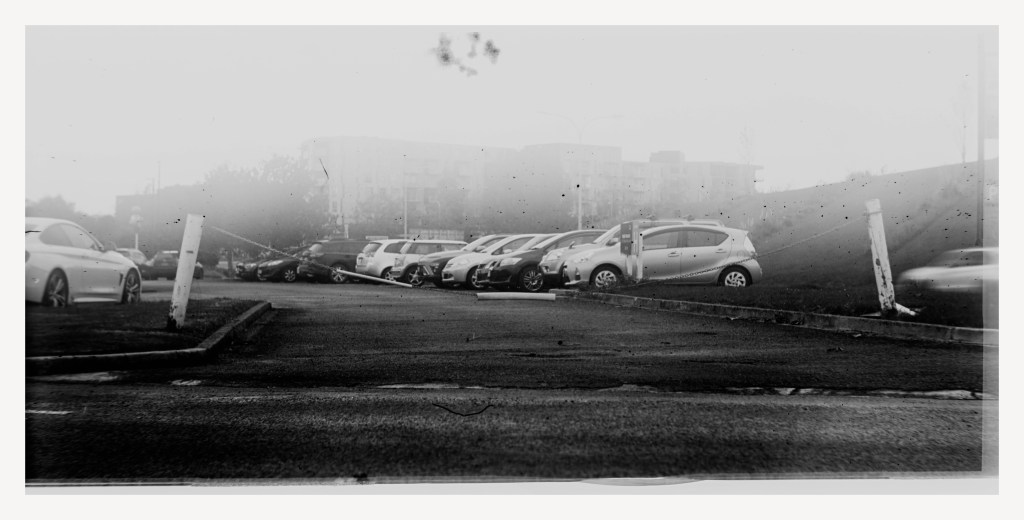
A lot of these shots are messy. Marks on film that are not dust or development chemical. Its a look!
Might keep my eye out on a small handful of 35mm cameras that don’t need sprockets for winding to the next frame. A bit of mixed info out there on the web. Its all experimentation anyway!
Thats all for today. We have an incomming ex-cyclone pending to hit. so a weekend photowalk might be off.


 MikeHawkey.com
Leave a reply to hawkeyx Cancel reply