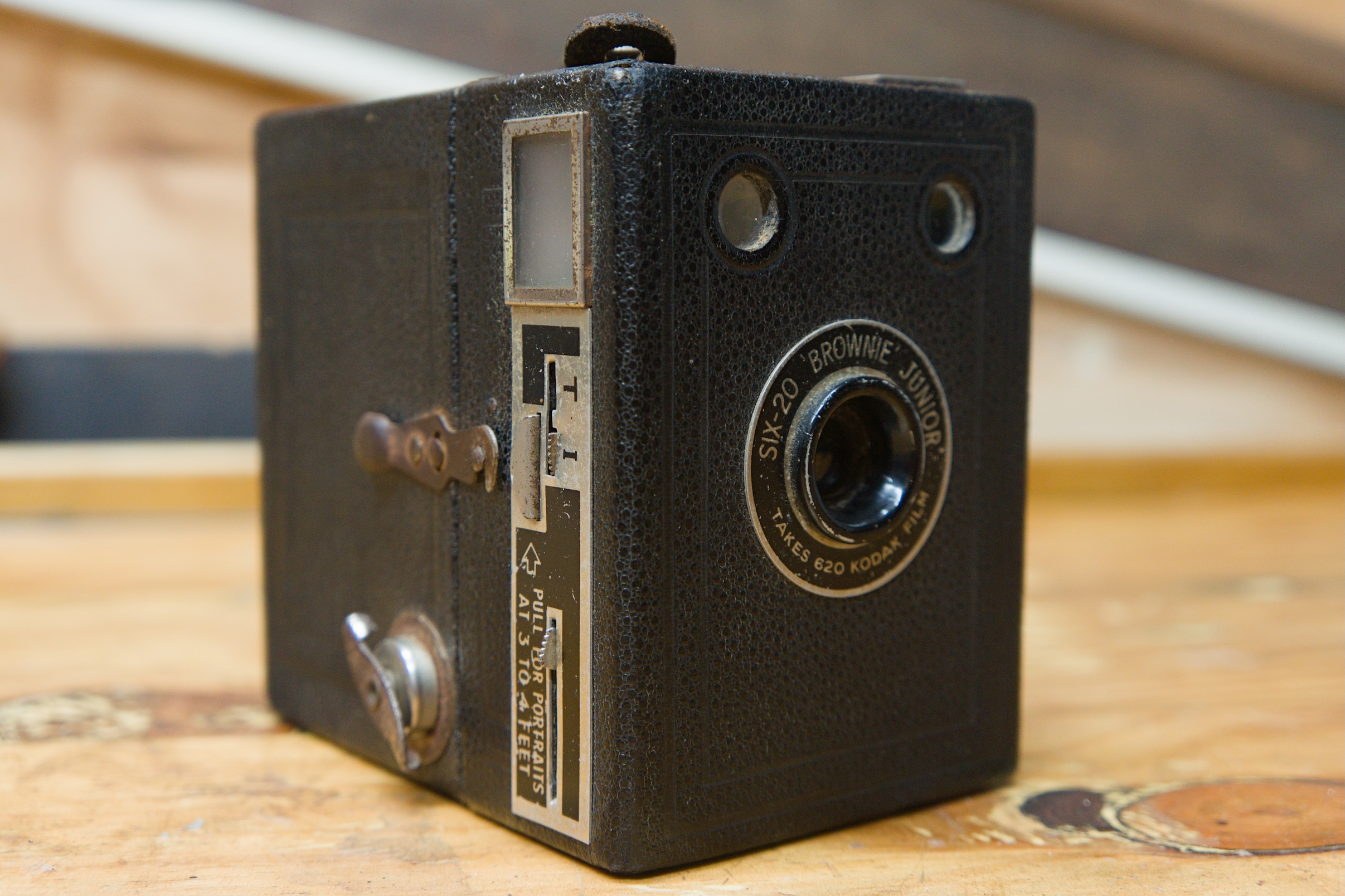
Today’s post is a family relic – my late Uncle Bills Kodak Six-20 Brownie Junior (Portrait Model). As the only one left shooting film(once in a blue moon now) in the family, I inherited one of his cameras he had from new.
Brownies had a long production run – in its various variants which were largely unchanged in complexity, they ran from about 1900 to 1986, initially ‘Eastman Kodak’ and later simply ‘Kodak’. The first models were wood and card (as this one is), later moving to sheet/stamped metal in later years as well as the bakelite and plastic offshoots of Brownie variants. Initially costing USD $1(about $40 now), they really were some of the first cameras truely responsible in bringing the magic of photography to the masses.
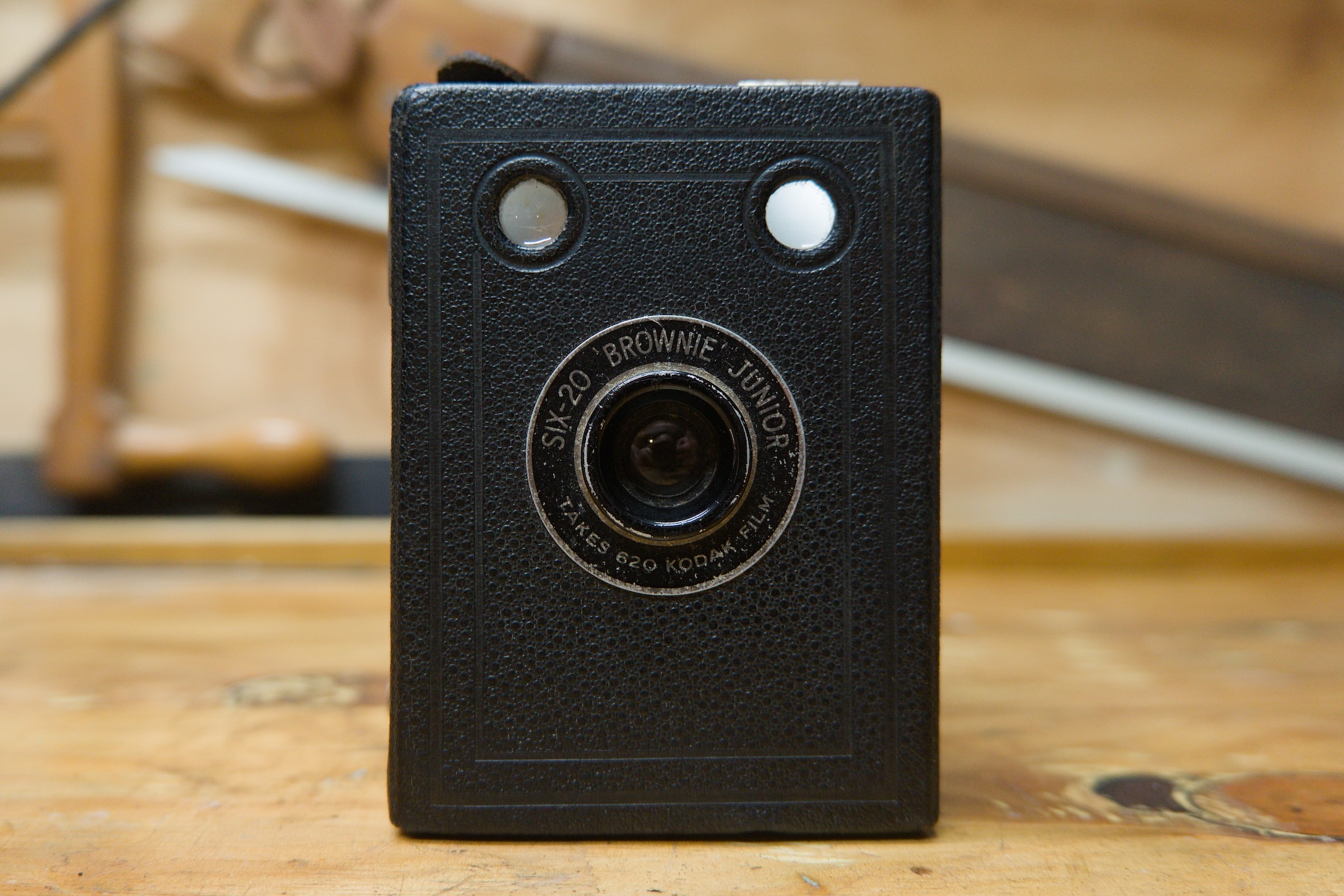
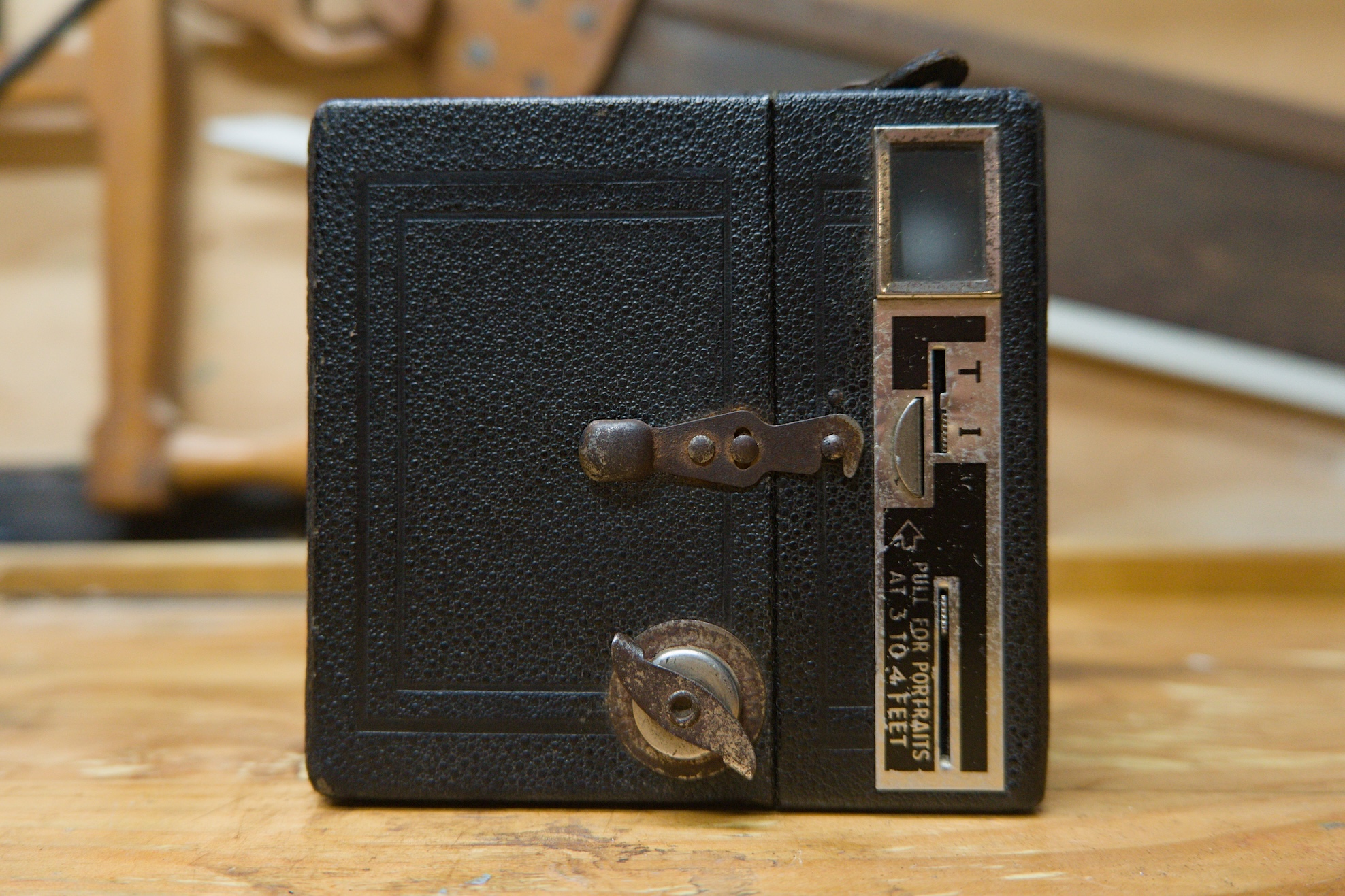
Uncle Bills Six-20 Brownie Junior (portrait) was released in 1939 and discontinued in 1943 – so a longer production run than your typical smart phone now days. It uses 620 film (literally the same as 120, but Kodak’s smaller reels to keep the $1 spender coming back to them for film) and features a basic meniscus lens with a pull out portrait lens which places itself between the lens and film when leave is pulled – flash stuff! It has a single speed shutter of about 1/40th – 1/50th and a T/Bulb option.
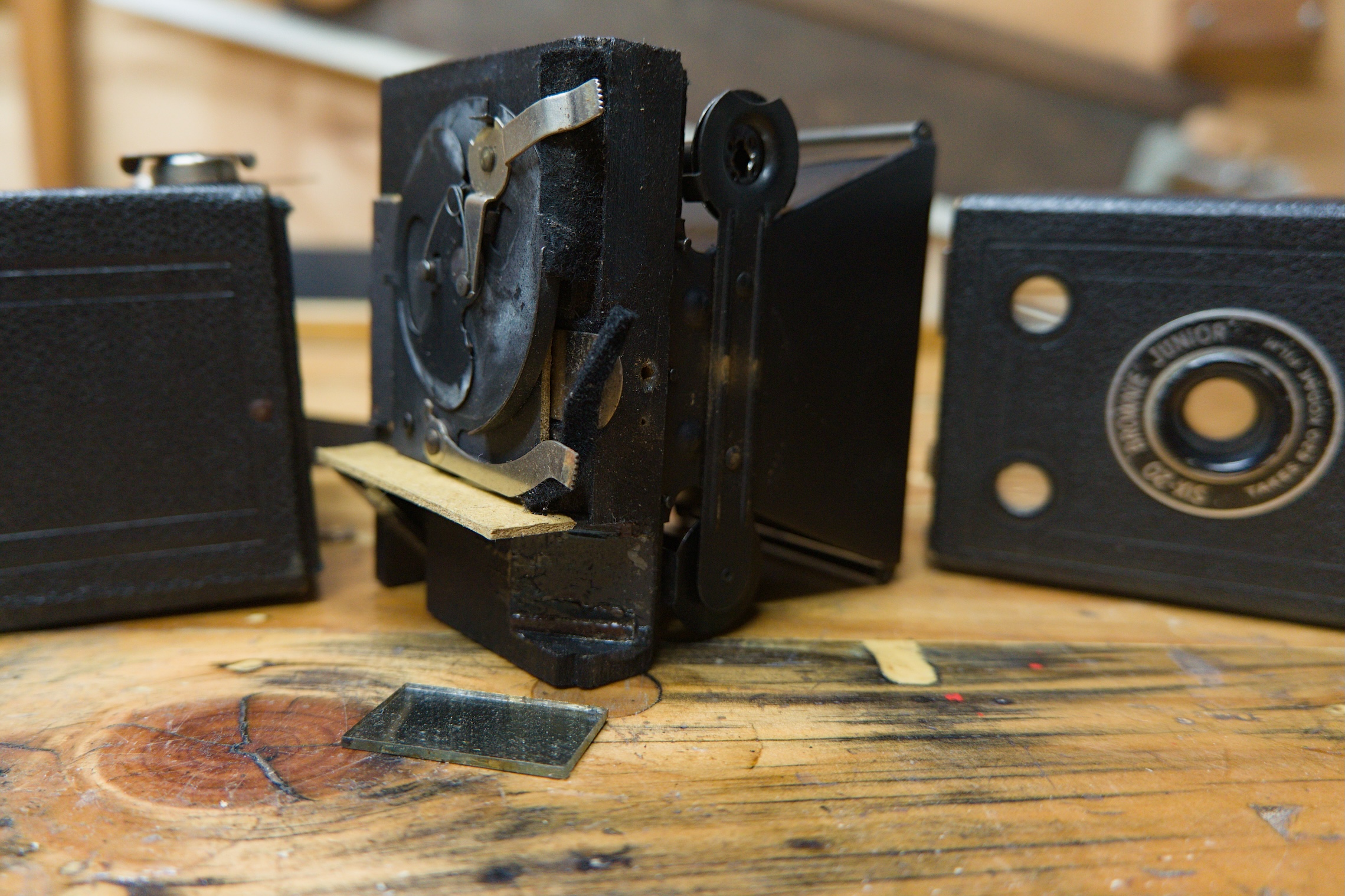
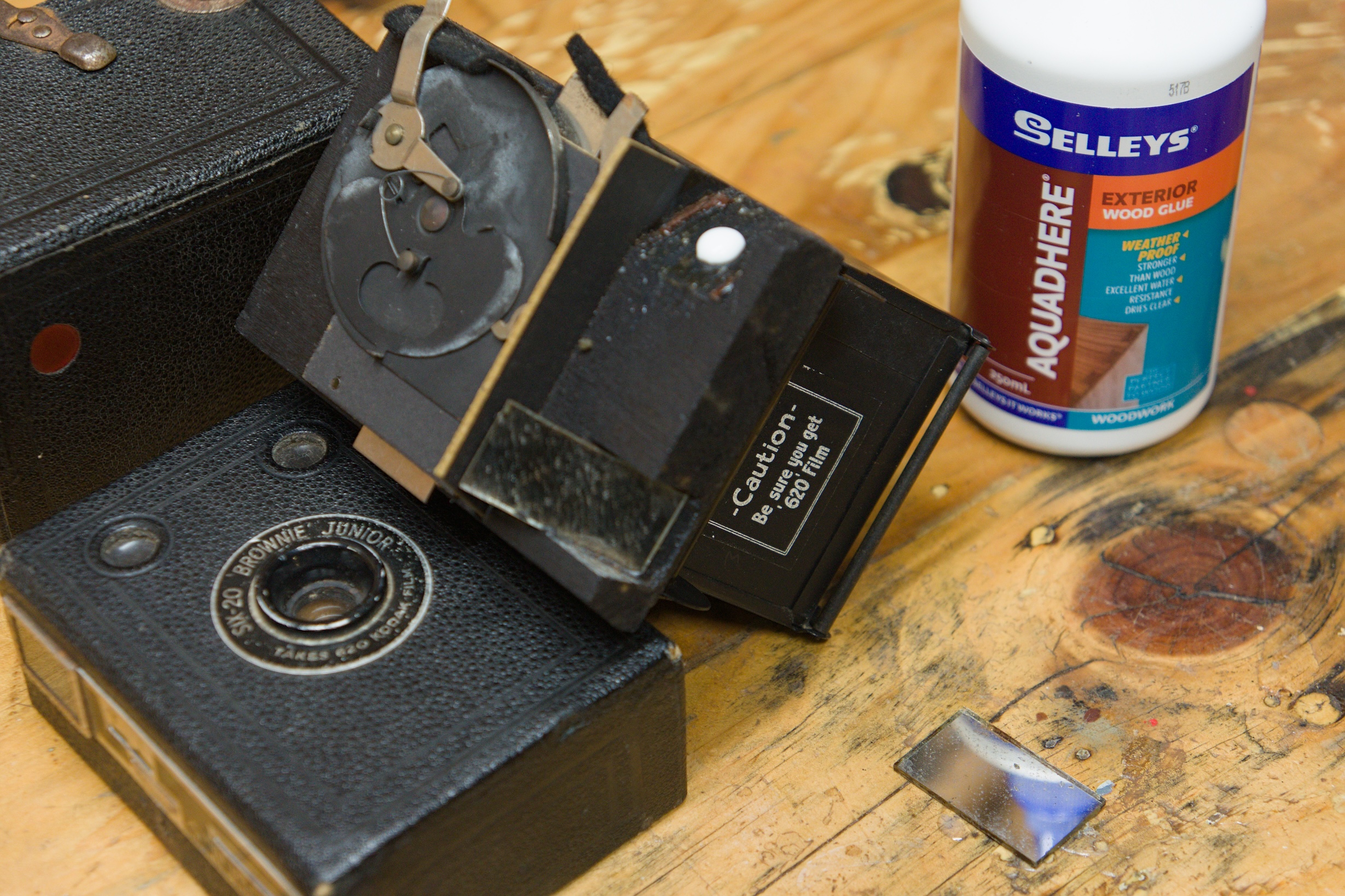
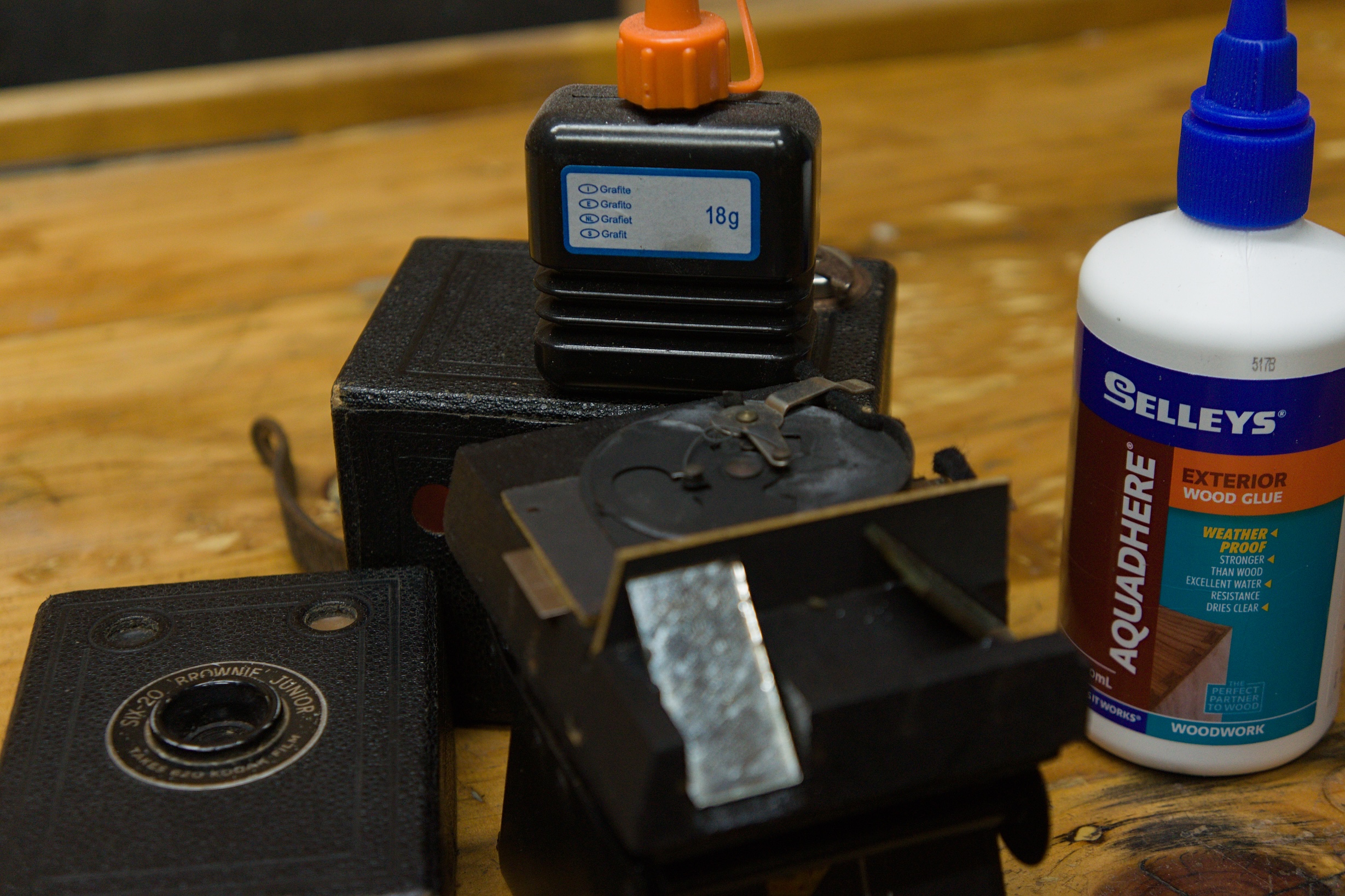
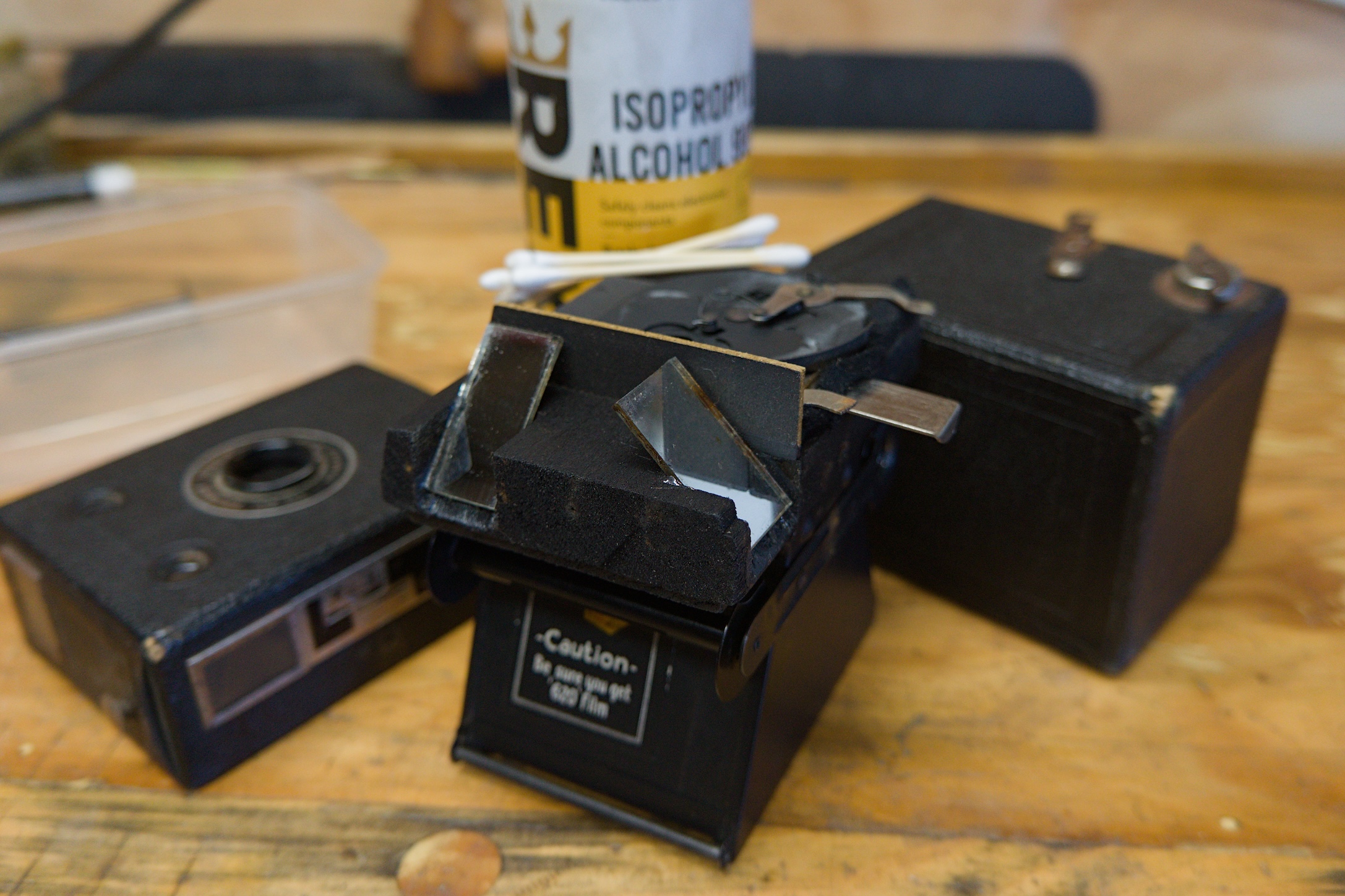
Until this year, it had been sitting on my shelf unused – entirely because the landscape mirror had detached itself and I was reluctant to open it up being it is nail pinned closed. But I wanted to revive it and give it another go out of retirement… so I opened it up. Overall it was a straightforward job opening up, gluing in the mirror, dry lubricating the shutter and giving the lens, mirrors and viewing windows a much needed clean – removing 80 odd years of tarnish. Putting it back together, nails back in and a light rub in near ancient ‘KIWI Shoe Polish’ (made since 1906, recently discontinued … and wow – expensive to get hold of now after I figured I needed more soon!)
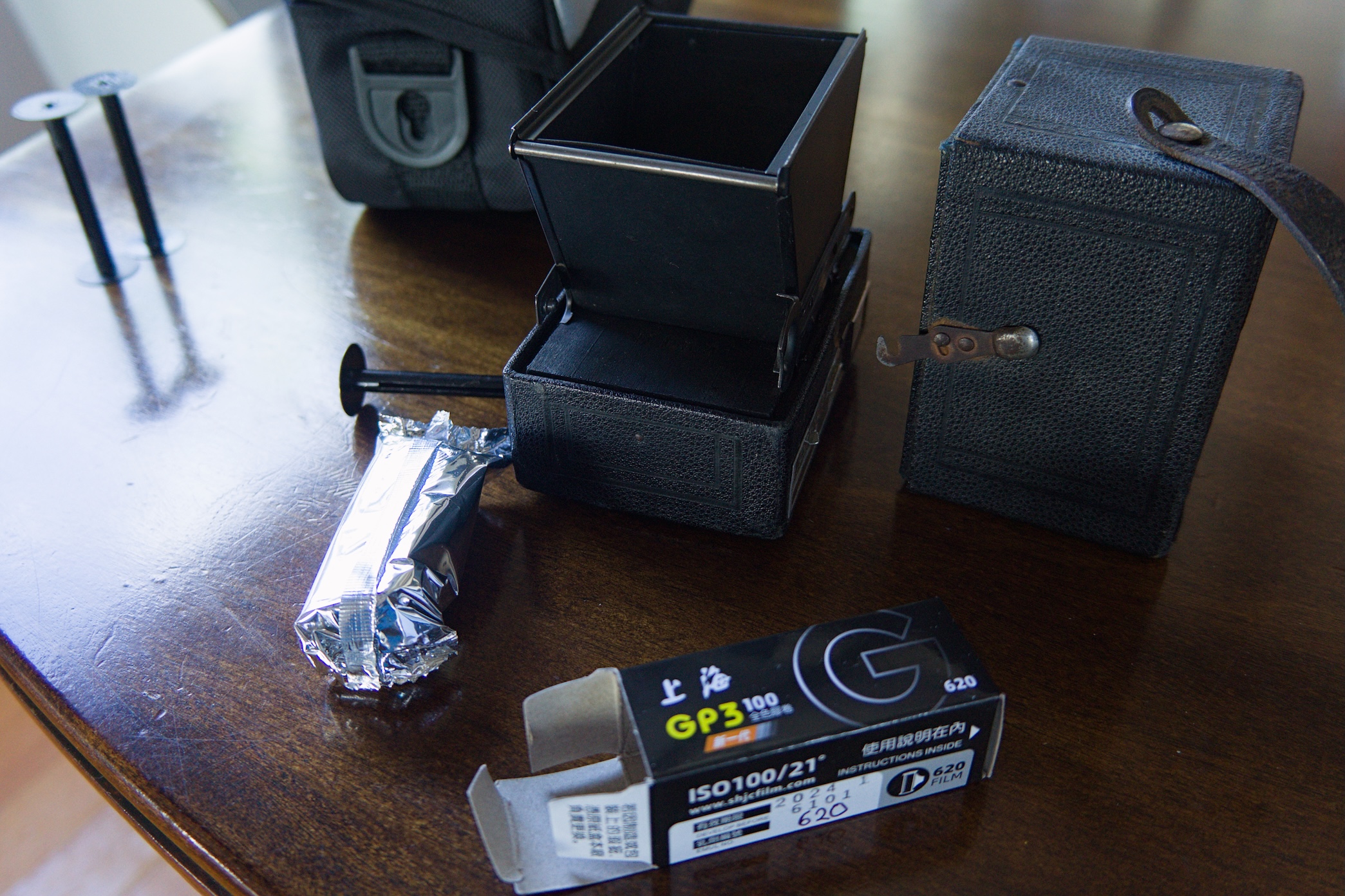
Though I have re-rolled 120 onto 620 reels many a time, digging through my remaining film stock I found a roll of 100ASA Shanghai GP3 620 film! – a black and white panchromatic film, made in China, it is said to give a very old-fashioned feel to the photos (and is sometimes compared to Kodak Plus-X). Well… Im shooting on a camera in its mid-80’s, so that checks out fine.
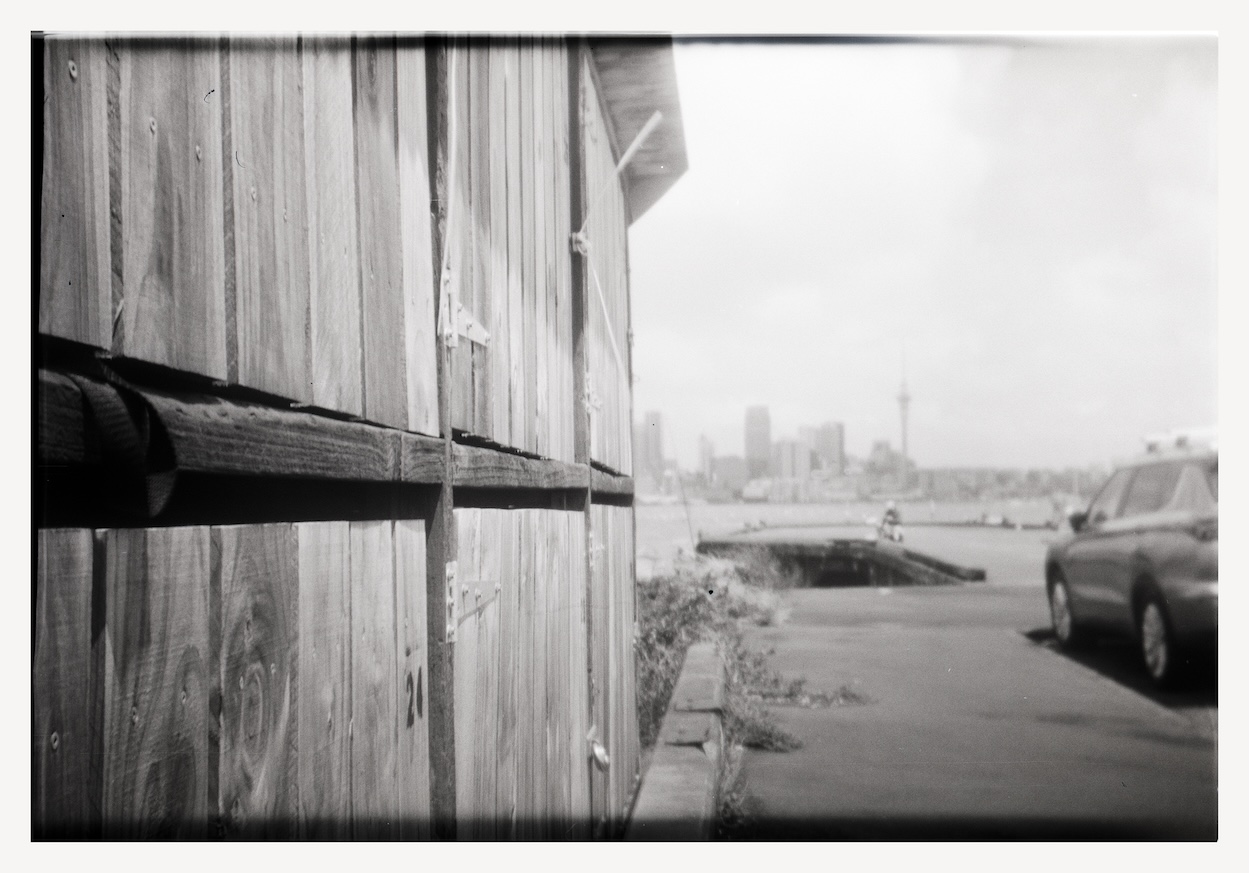
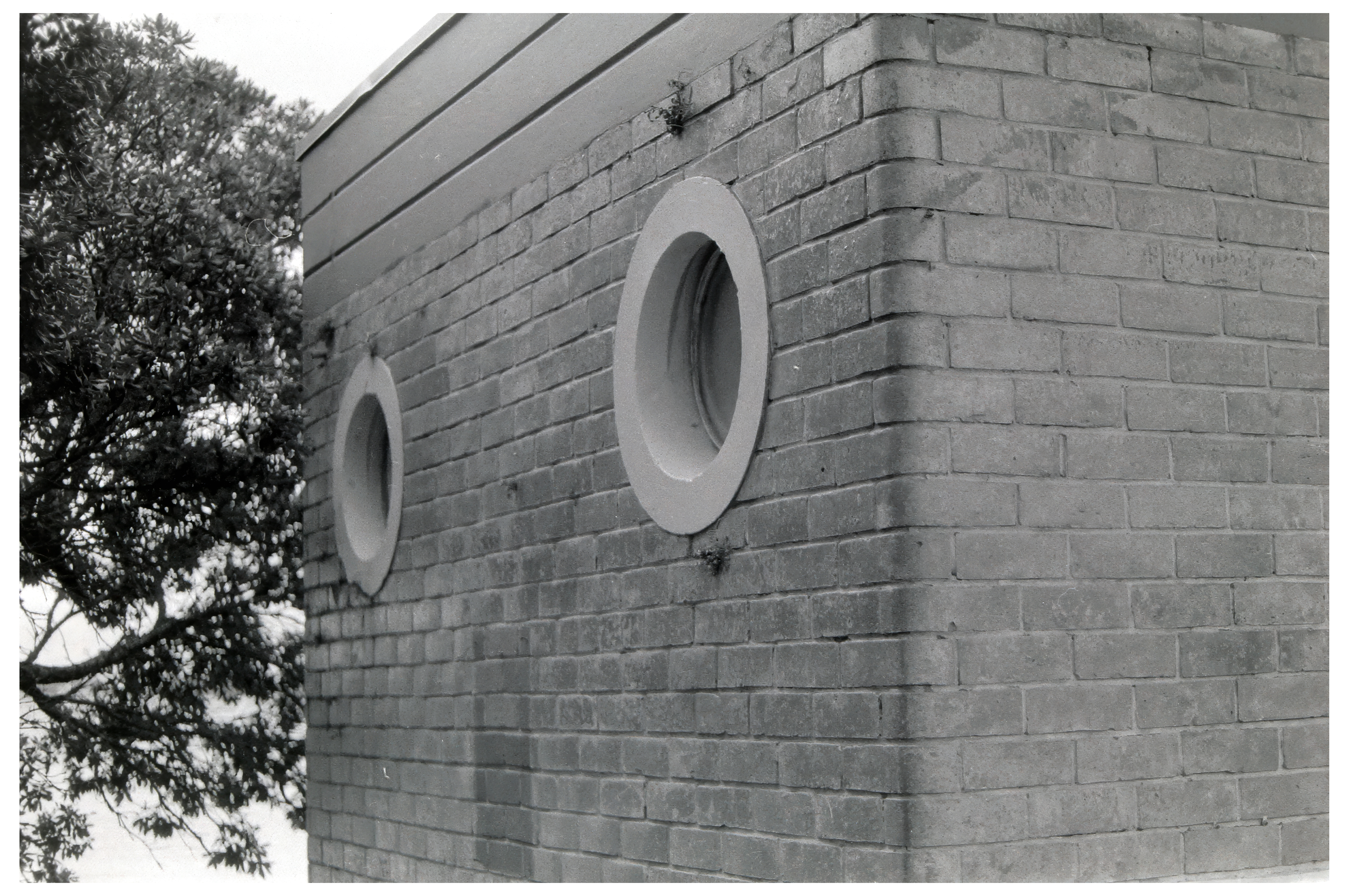
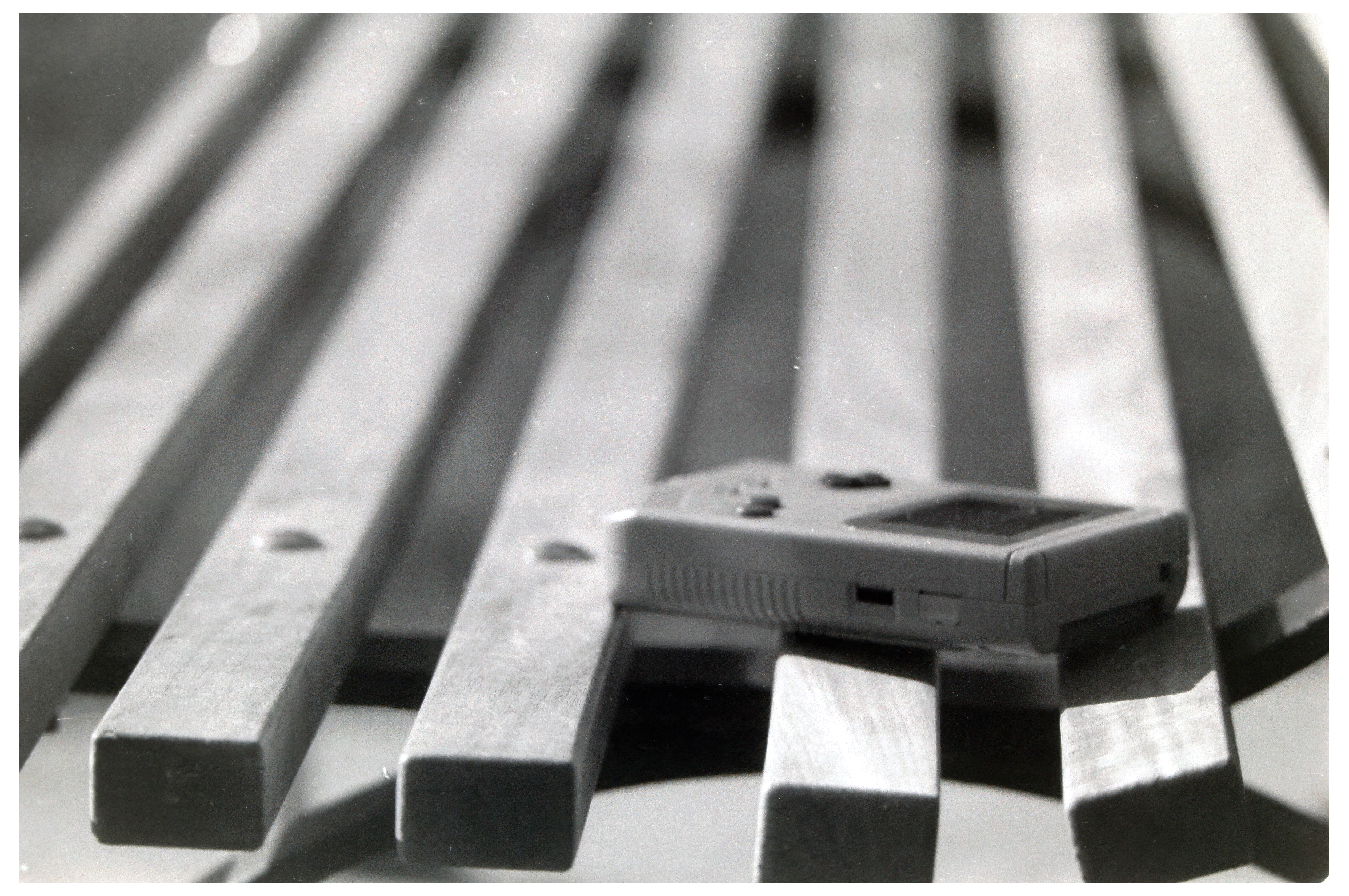
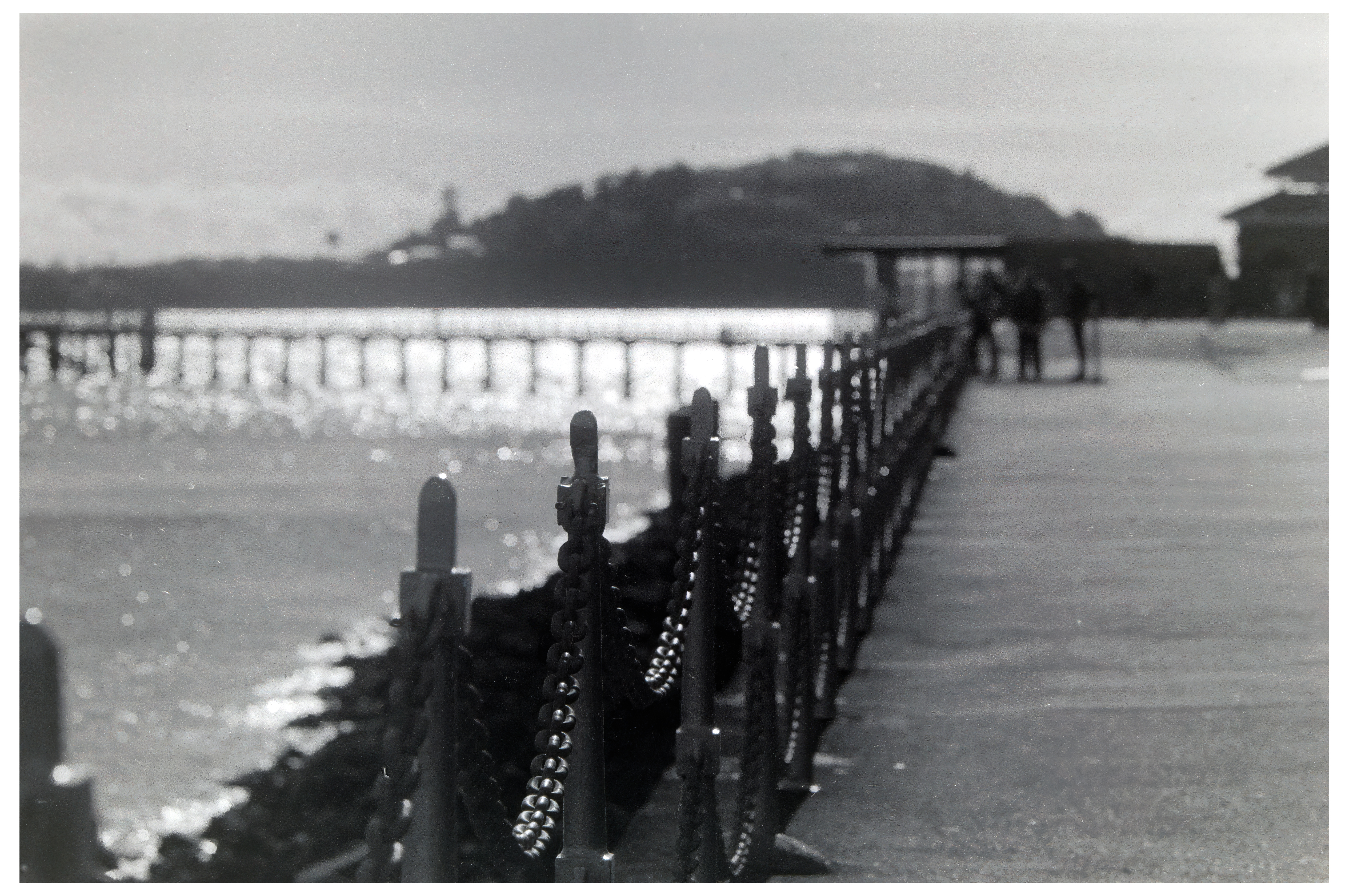
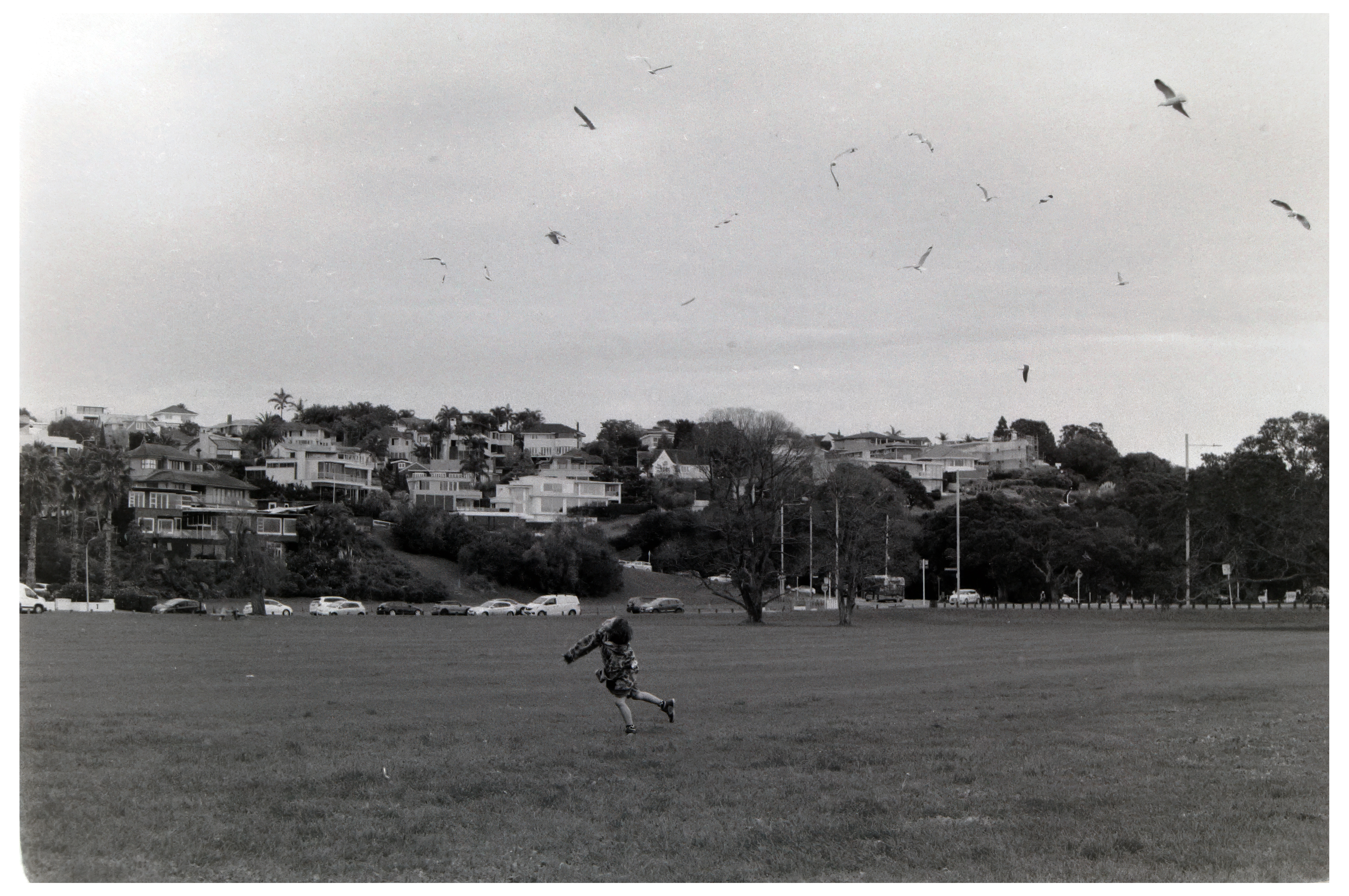
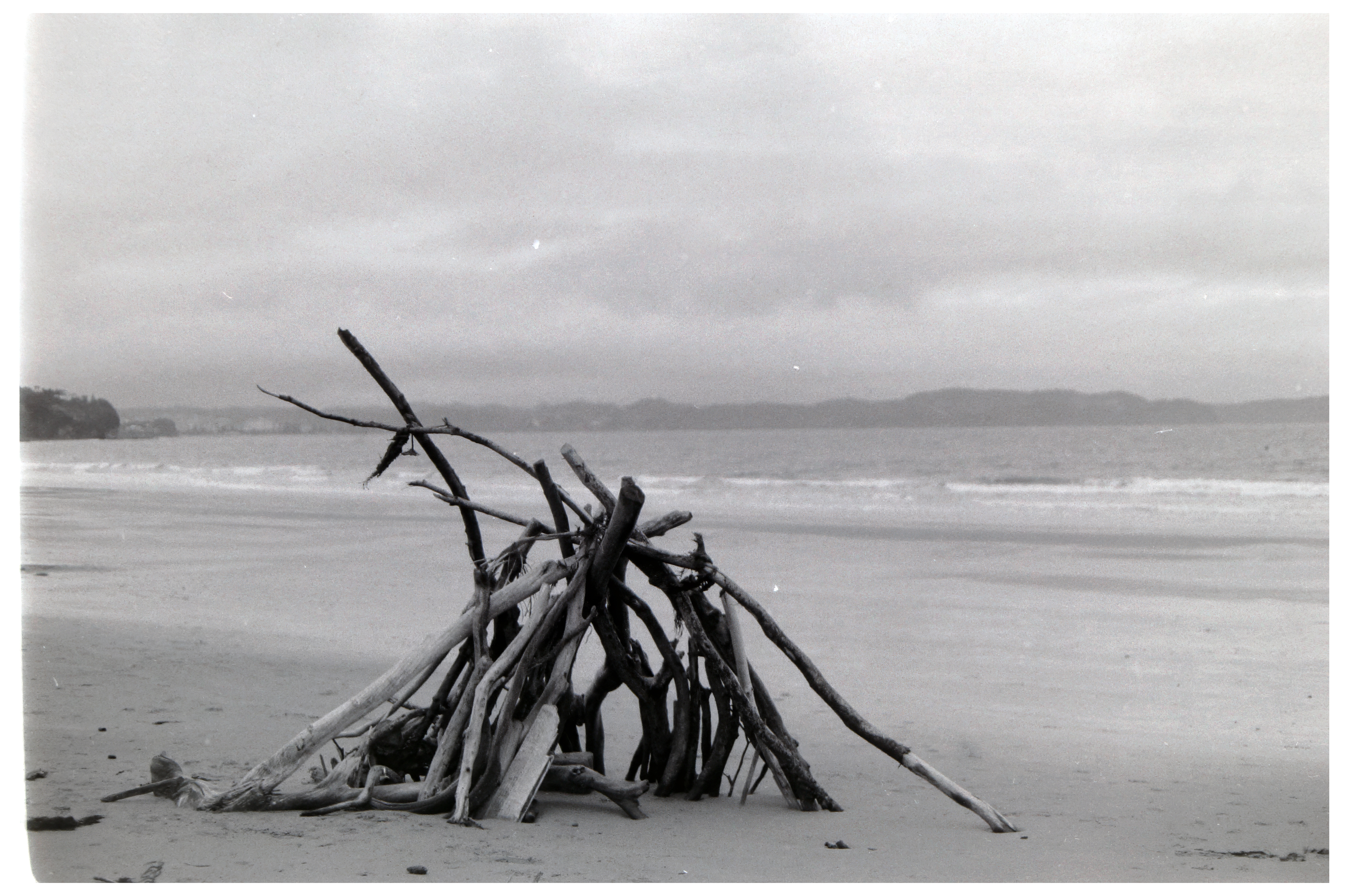
Out in Auckland’s seaside township of Devonport, I climbed my well documented North Head/ Maungauika – roaming its old wartime setups. I then ventured to nearby Bayswater, its wharf area and the old Takapuna Boating Club building both reclaiming from and slowly falling back into the sea.This building as a side comment was technically not able to be restored historically due to some restrictions in a 1923 act in Law saying it was only for community purposes. The act has since been lifted and in theory allow the potential for it to be worked on…but its in a pretty serious state! Below are 6 of the 8 images from the shoot (the last two were portrait tests at home)
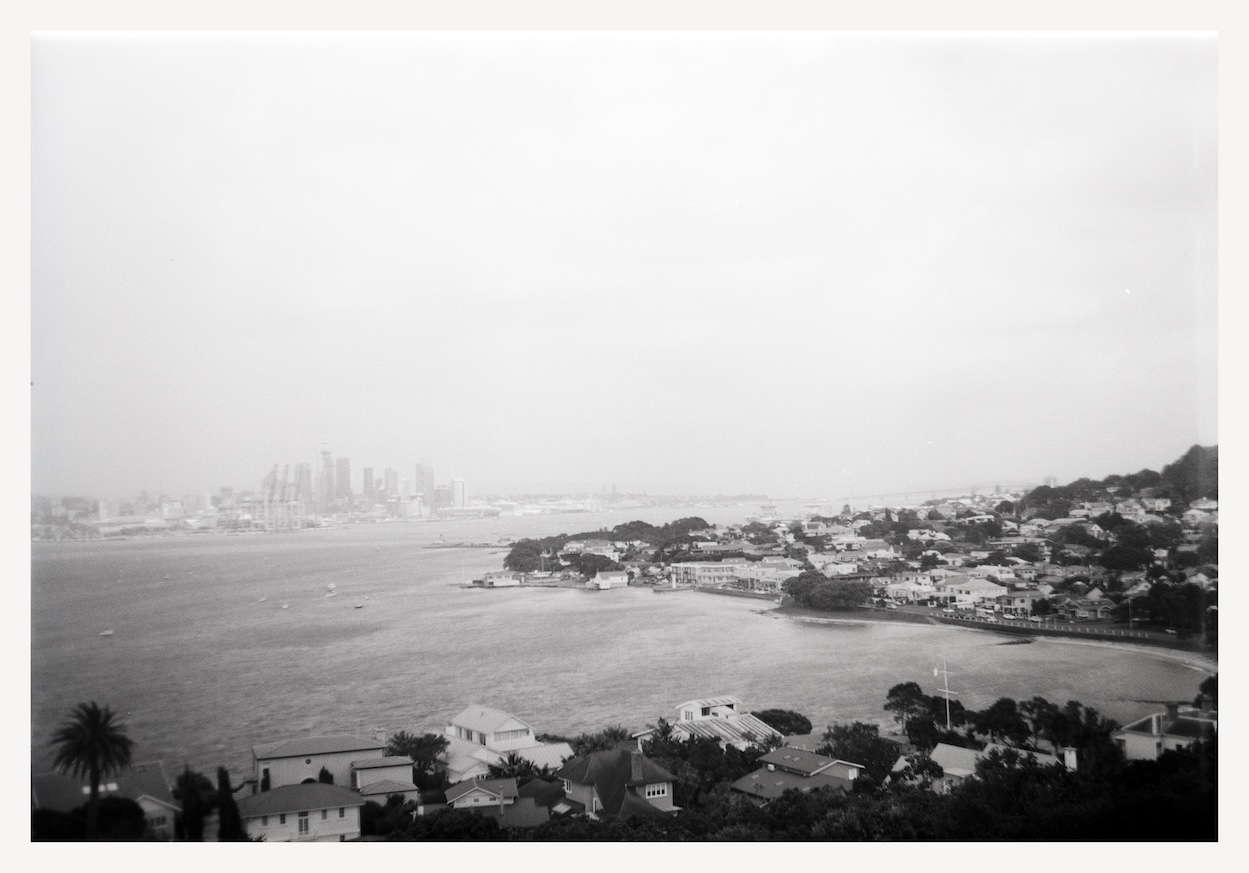
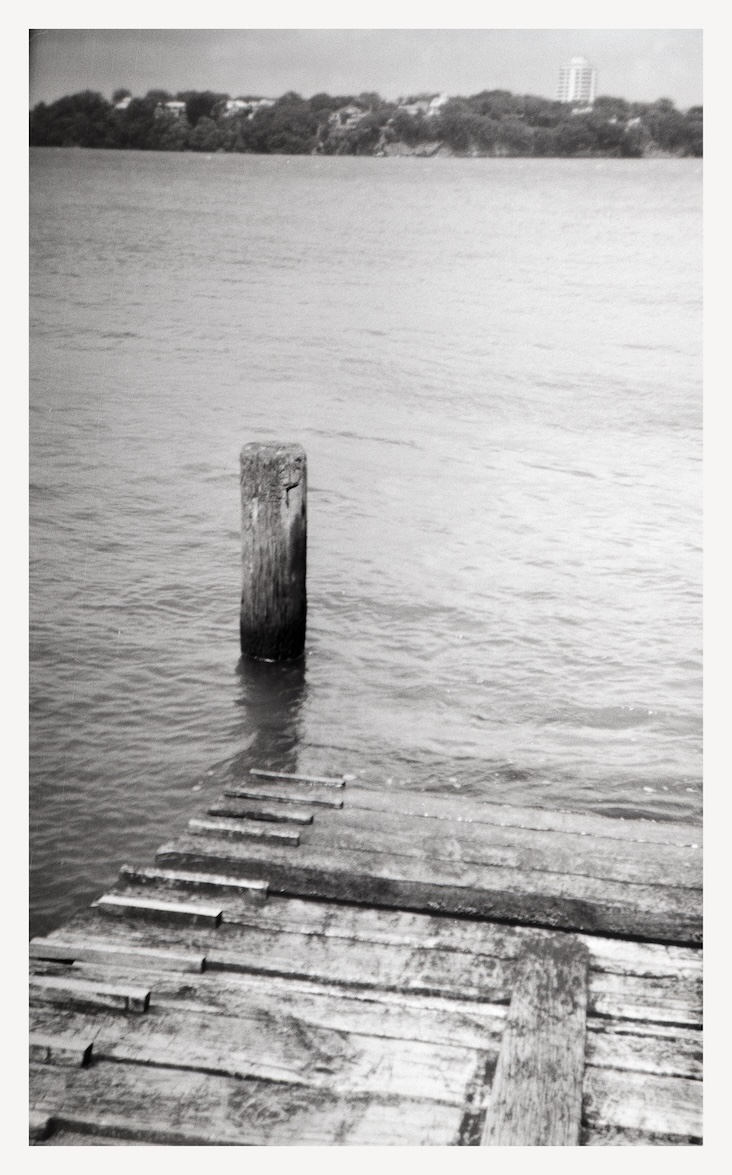
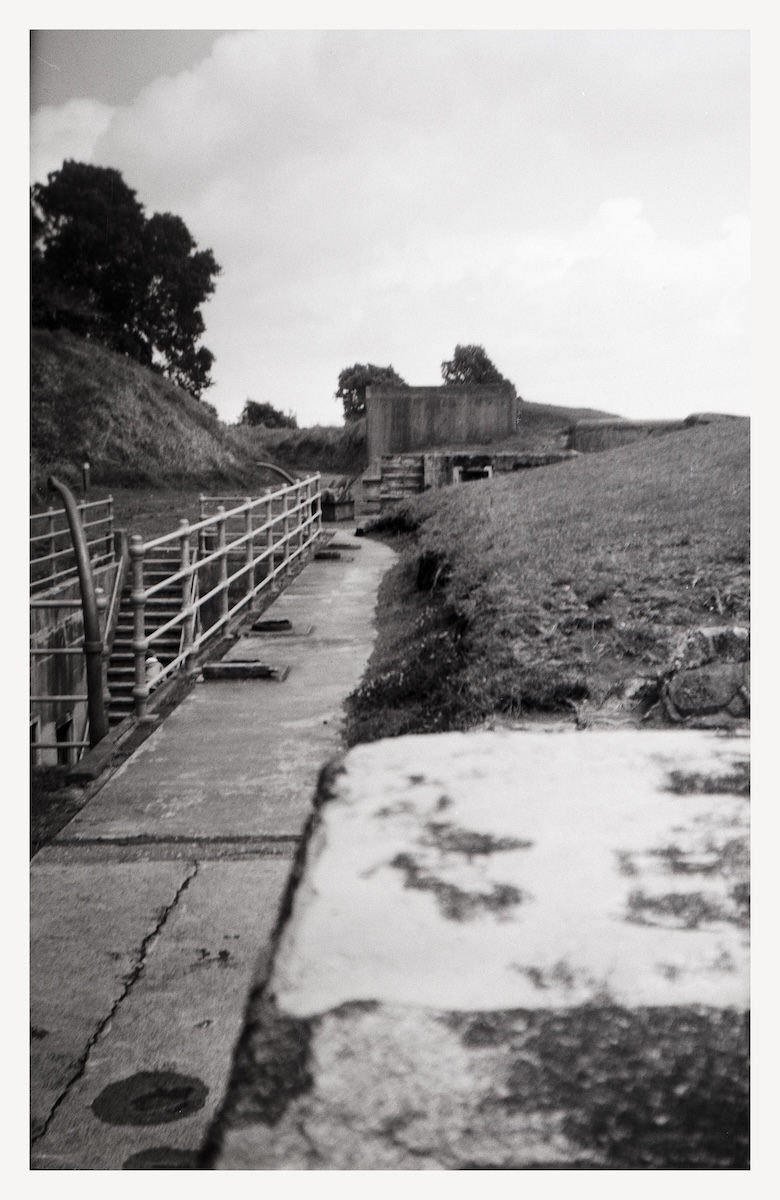
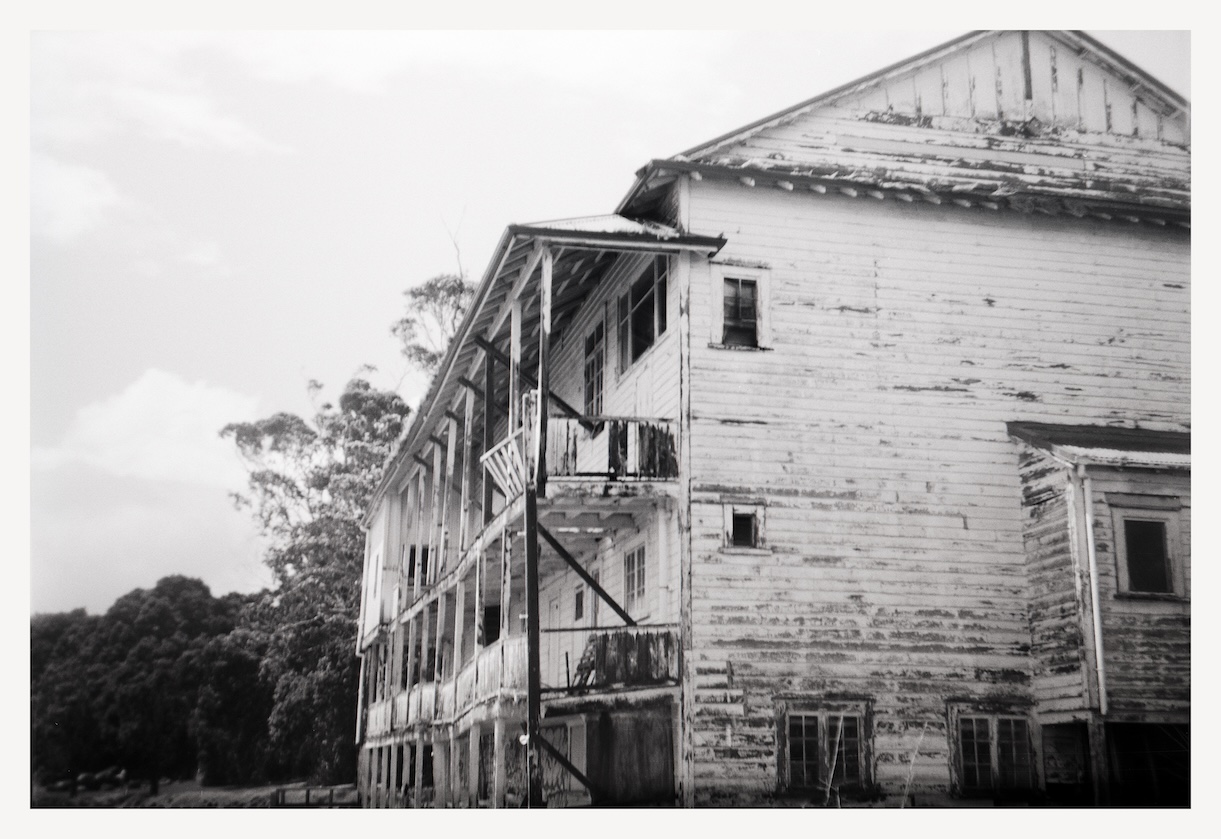
A combination of the GP3 film and raw simplicity of the 80+ year old box with a lens and single sliding shutter were fun to shoot. This really was the camera design that started it all off for us hobby shooters. Is it pin sharp – usually not, but it’s not horrible either. It carries a special look and feeling. Shooting it does with the challenge of a small dim viewing box and the risk of camera shake as you fumble for the toggle to release the shutter. At the same time, it’s silent. It needs you to think about your framing and slow down to try and get your levels right. In todays world, 8 shots of film is nothing – people chose their photos carefully.
I do love the raw simplicity of box cameras, and this won’t be the last time I shoot one. But for now, Uncle Bills camera can sit on display repaired, CLA’d and settled in the knowledge it can still capture a moment in time all these years later.








 MikeHawkey.com