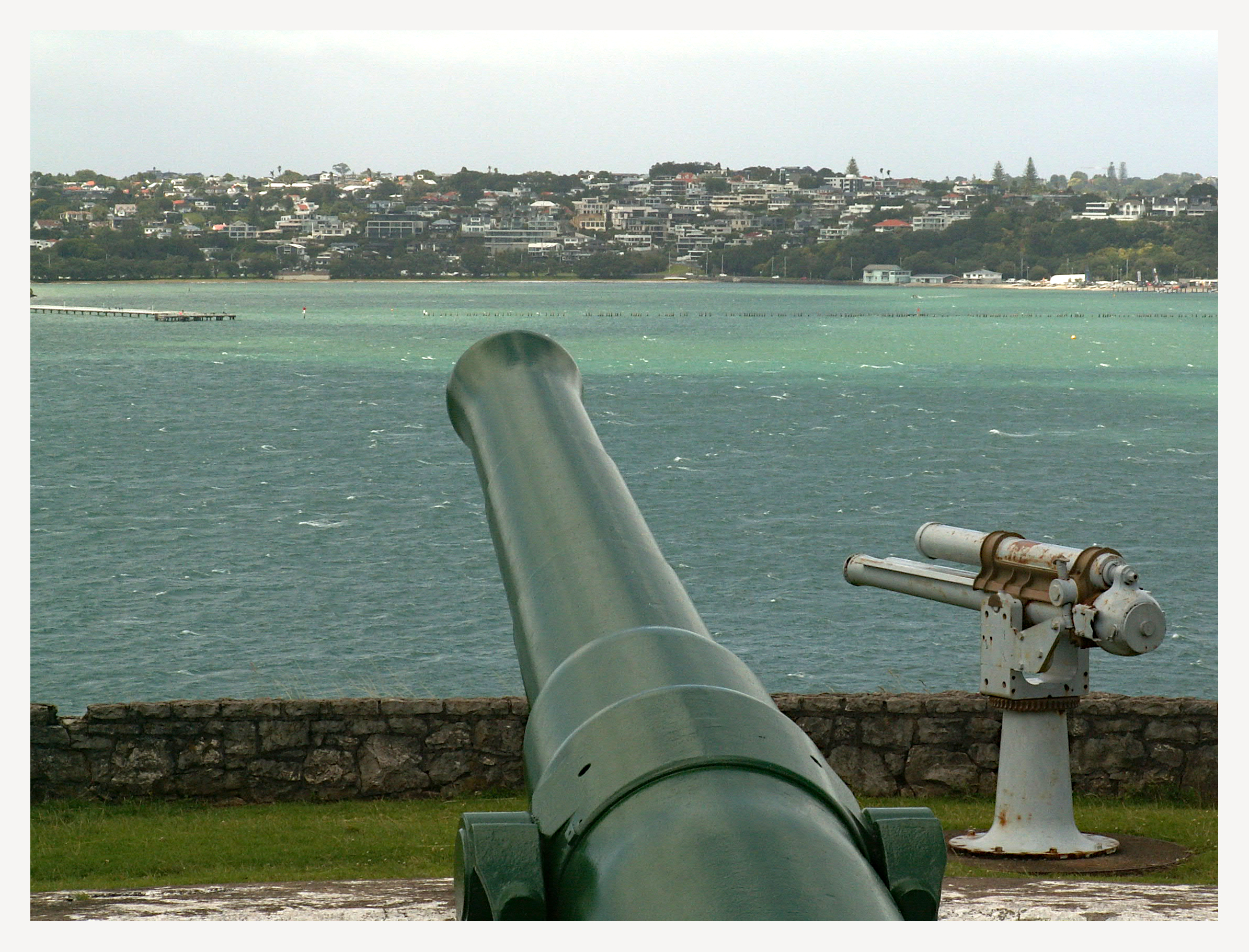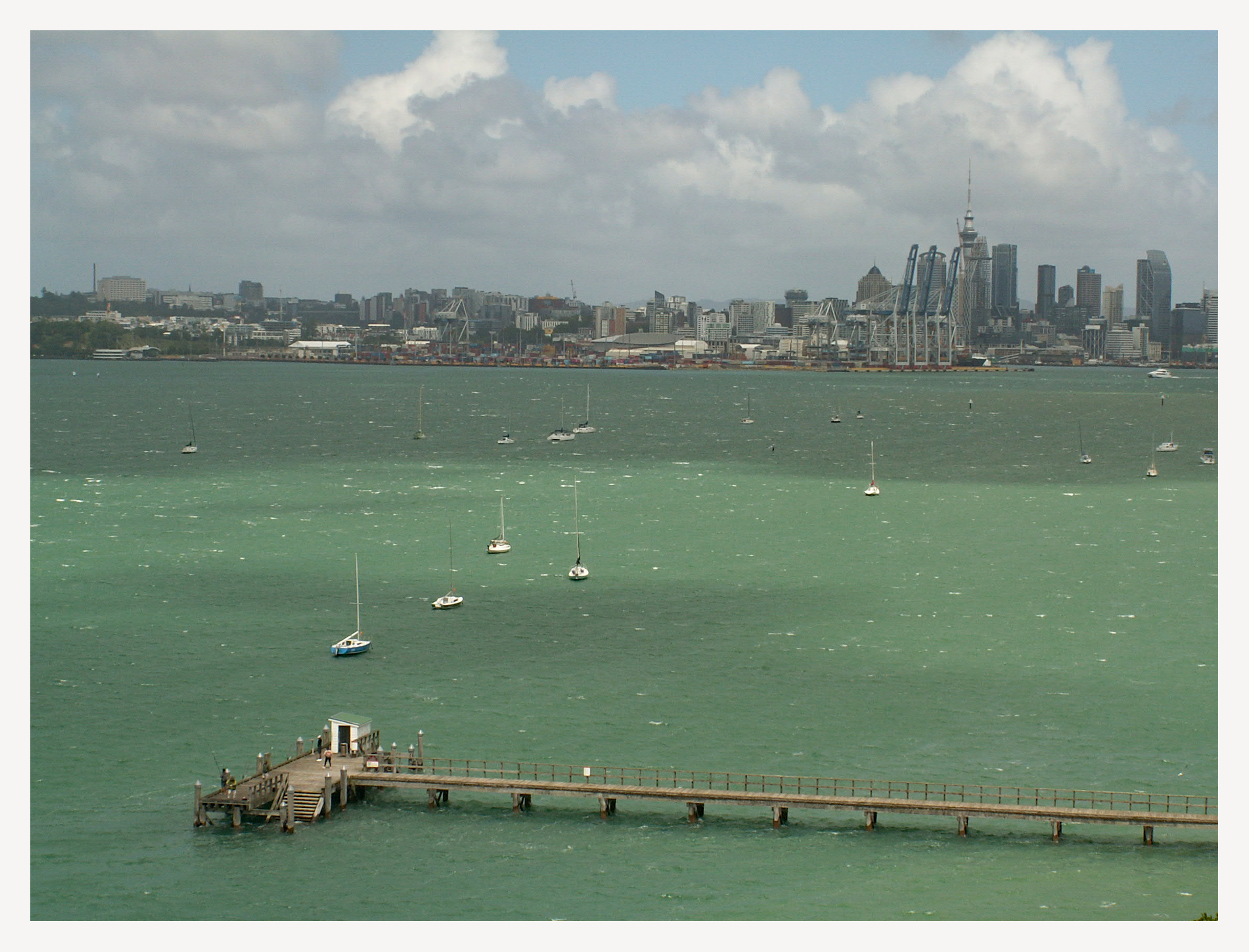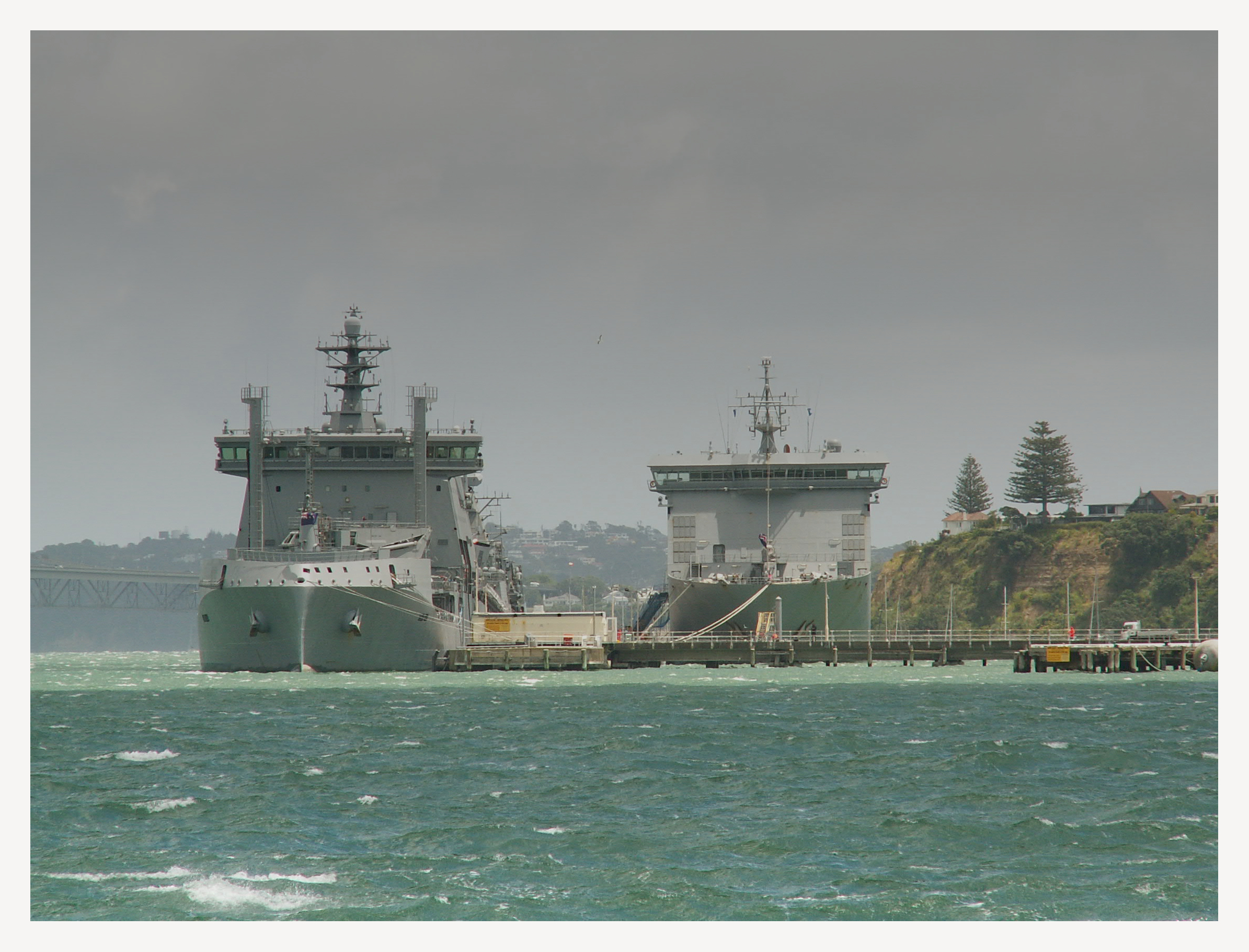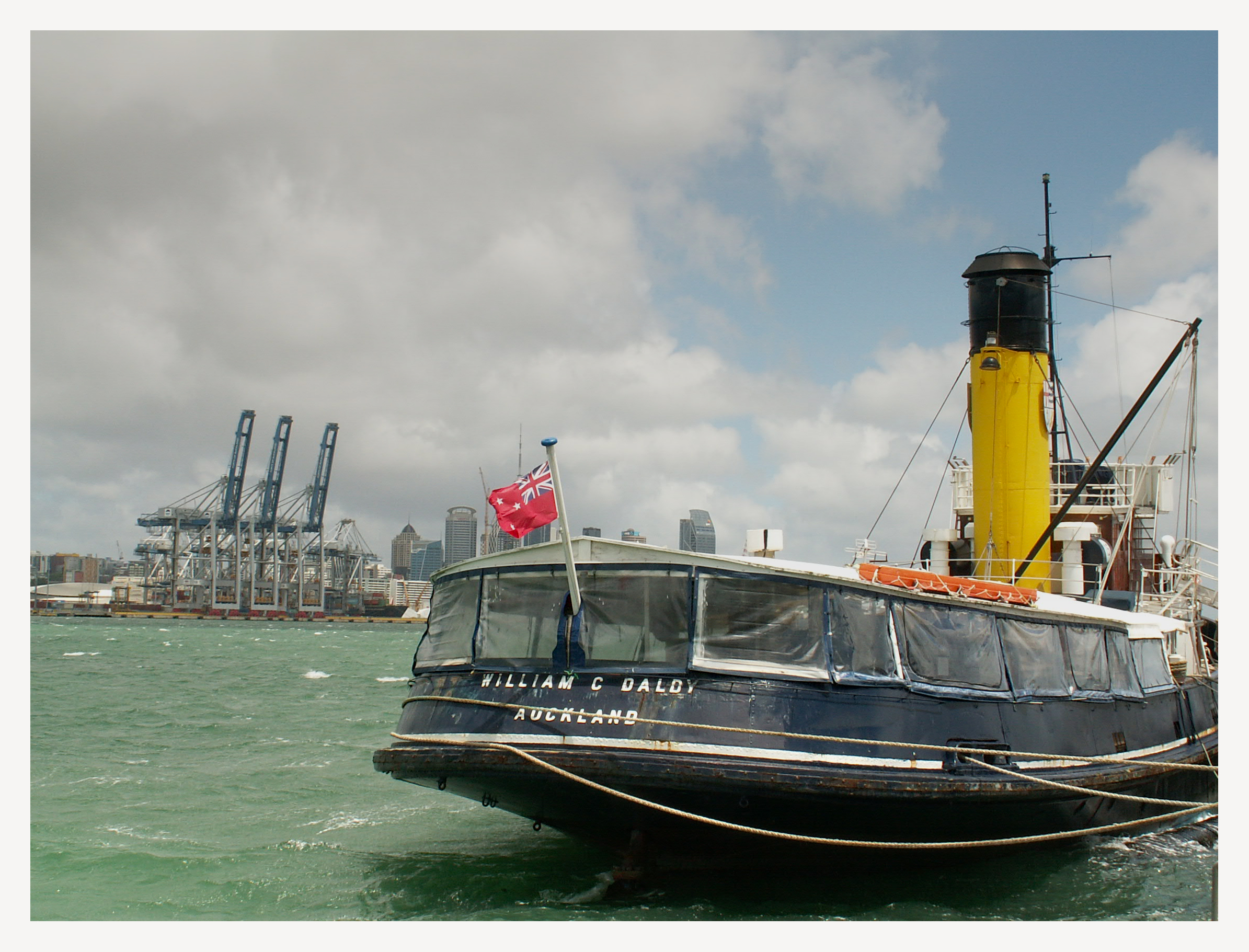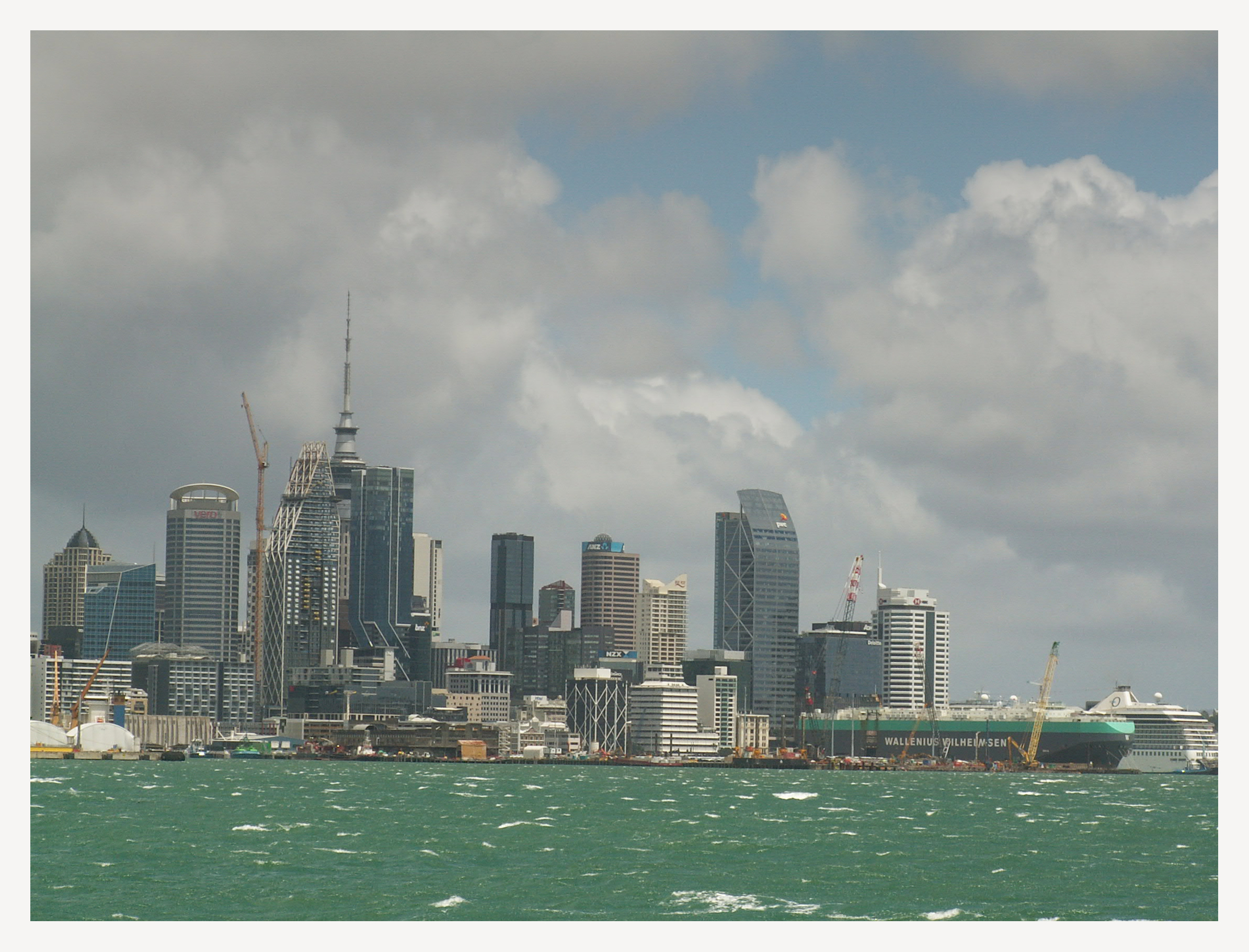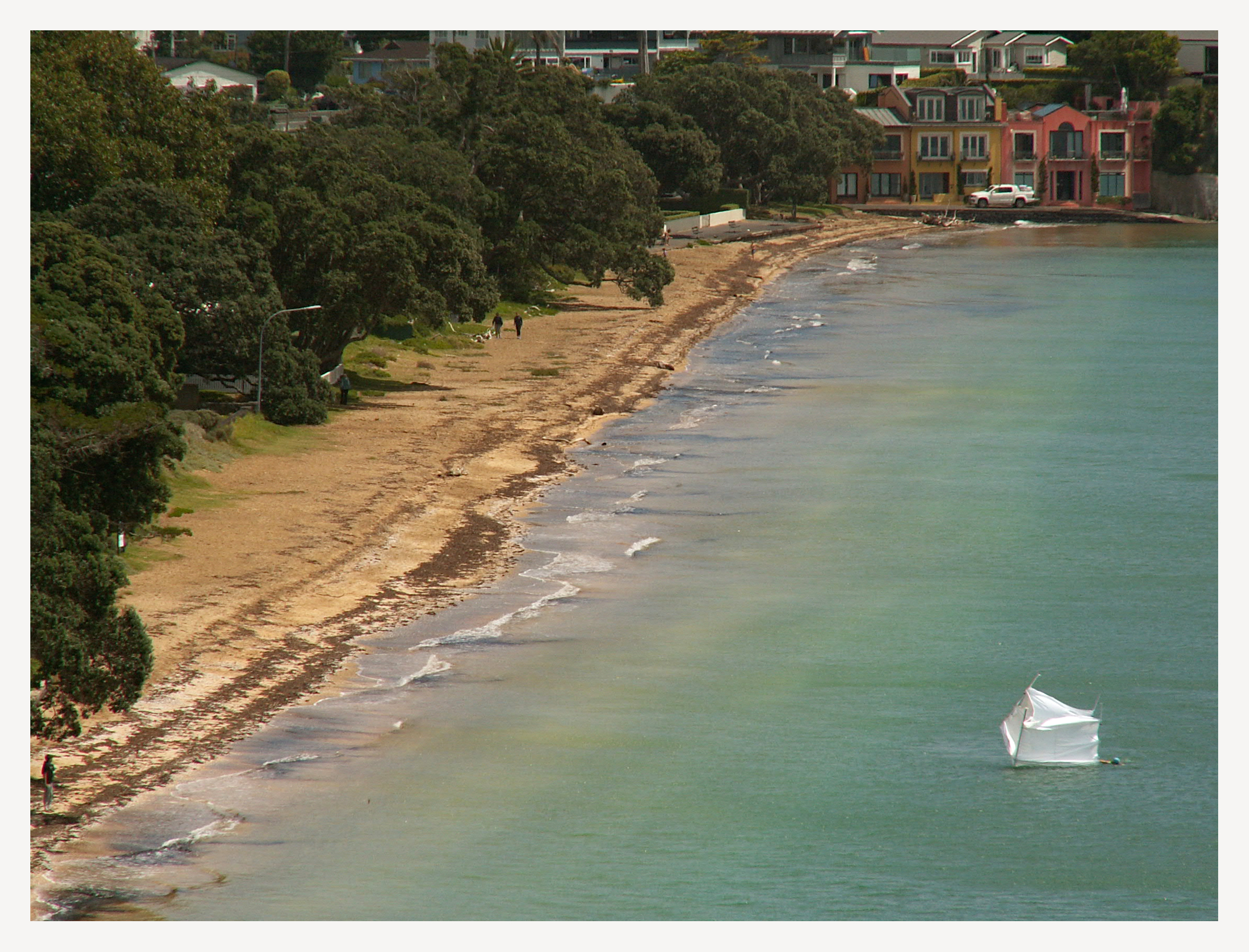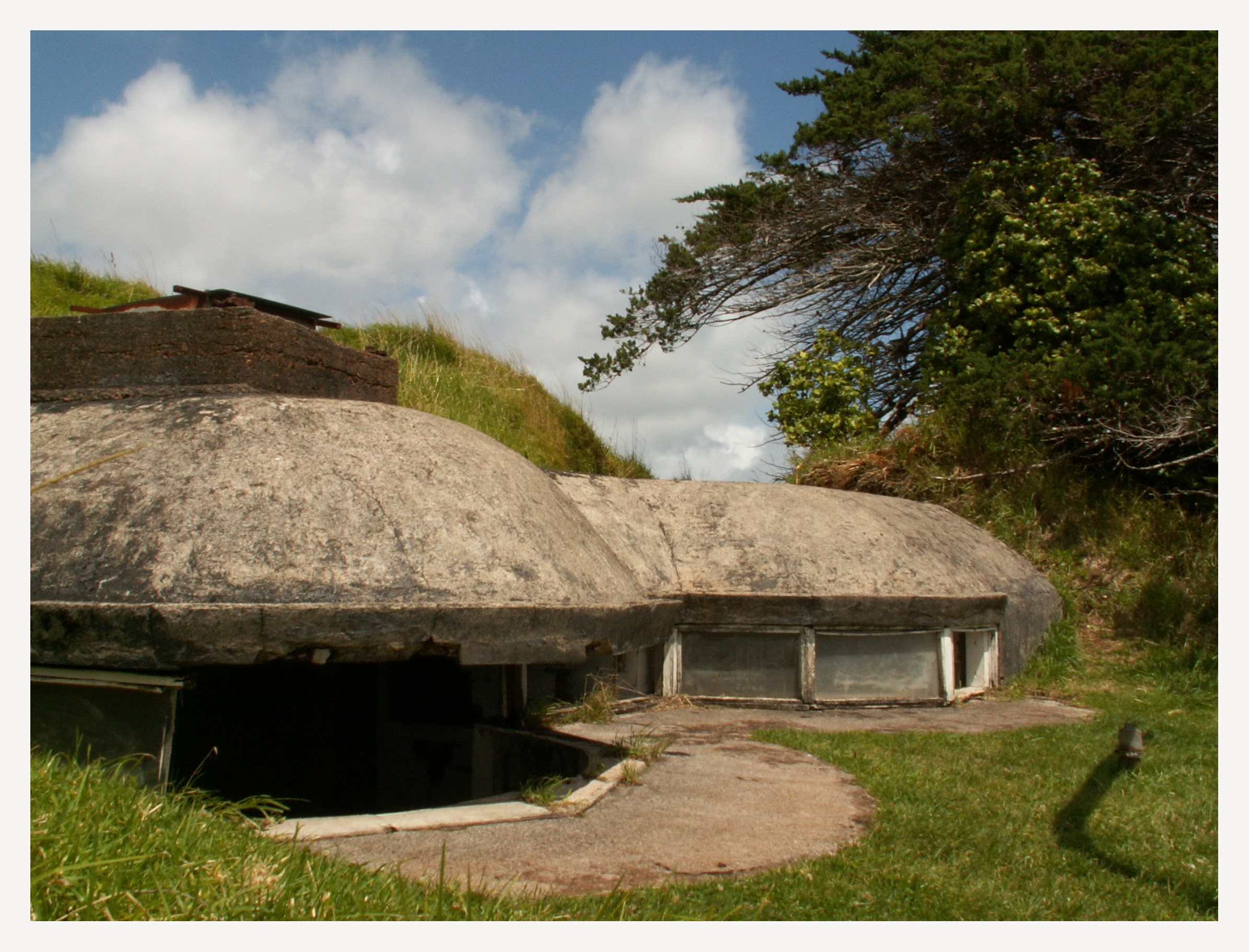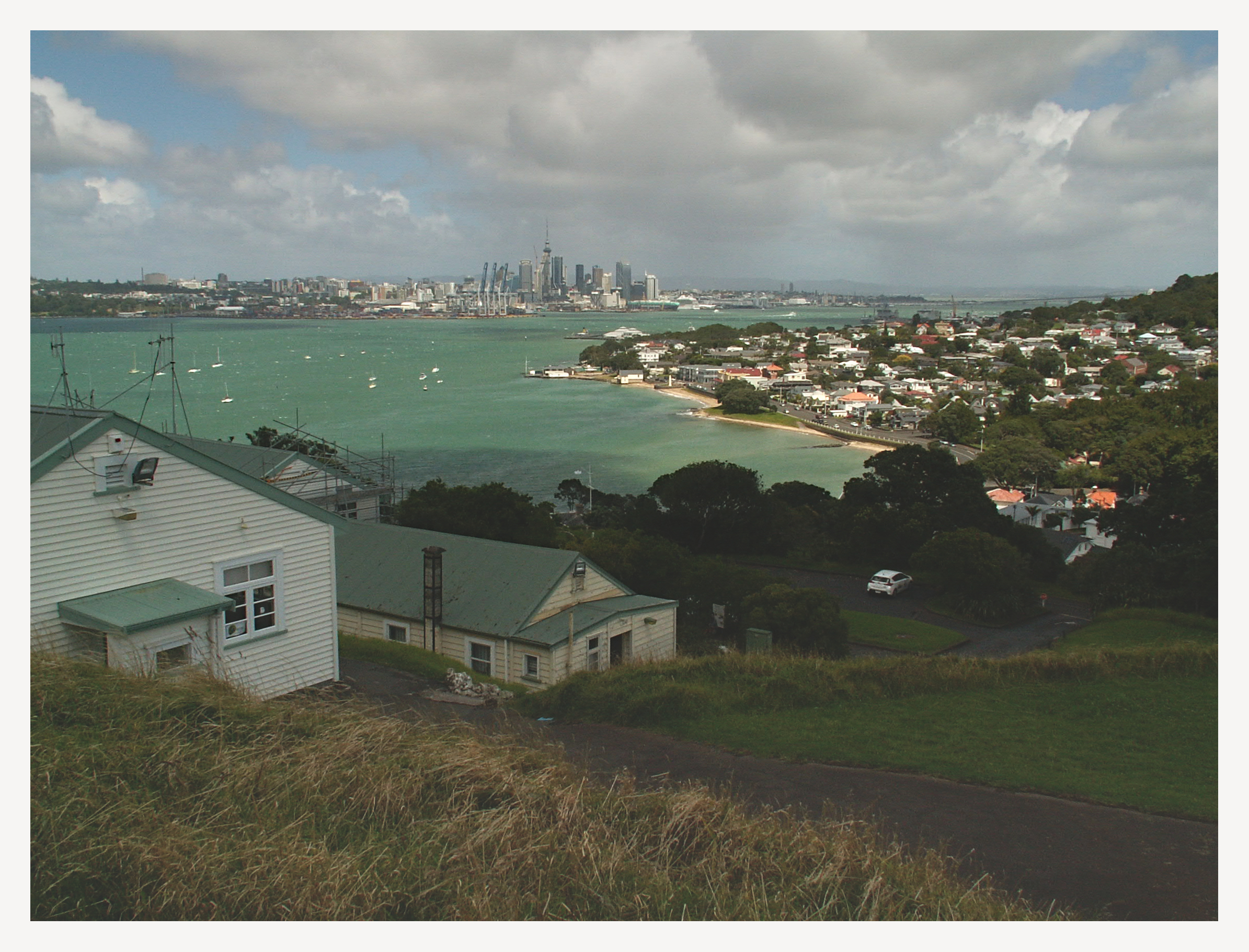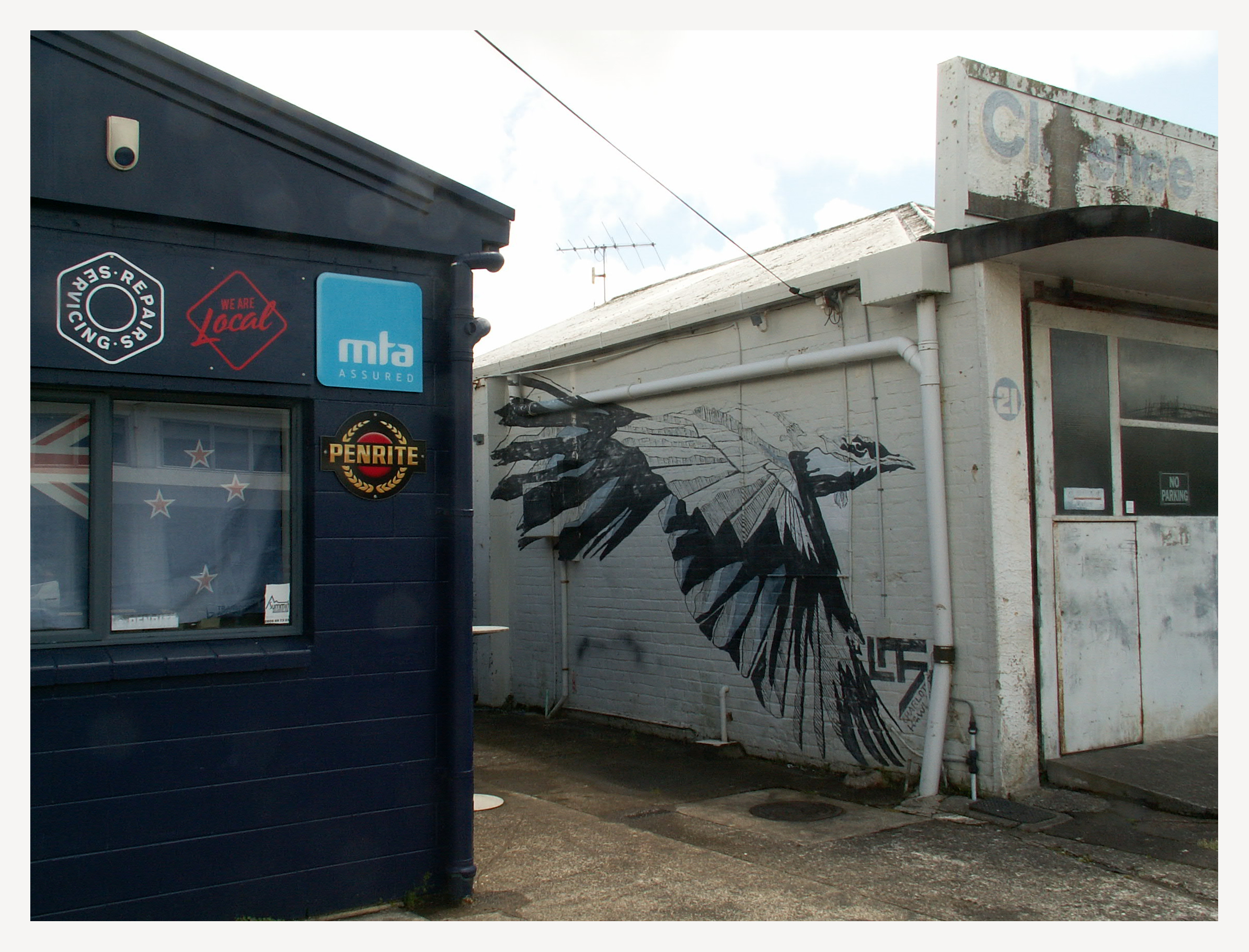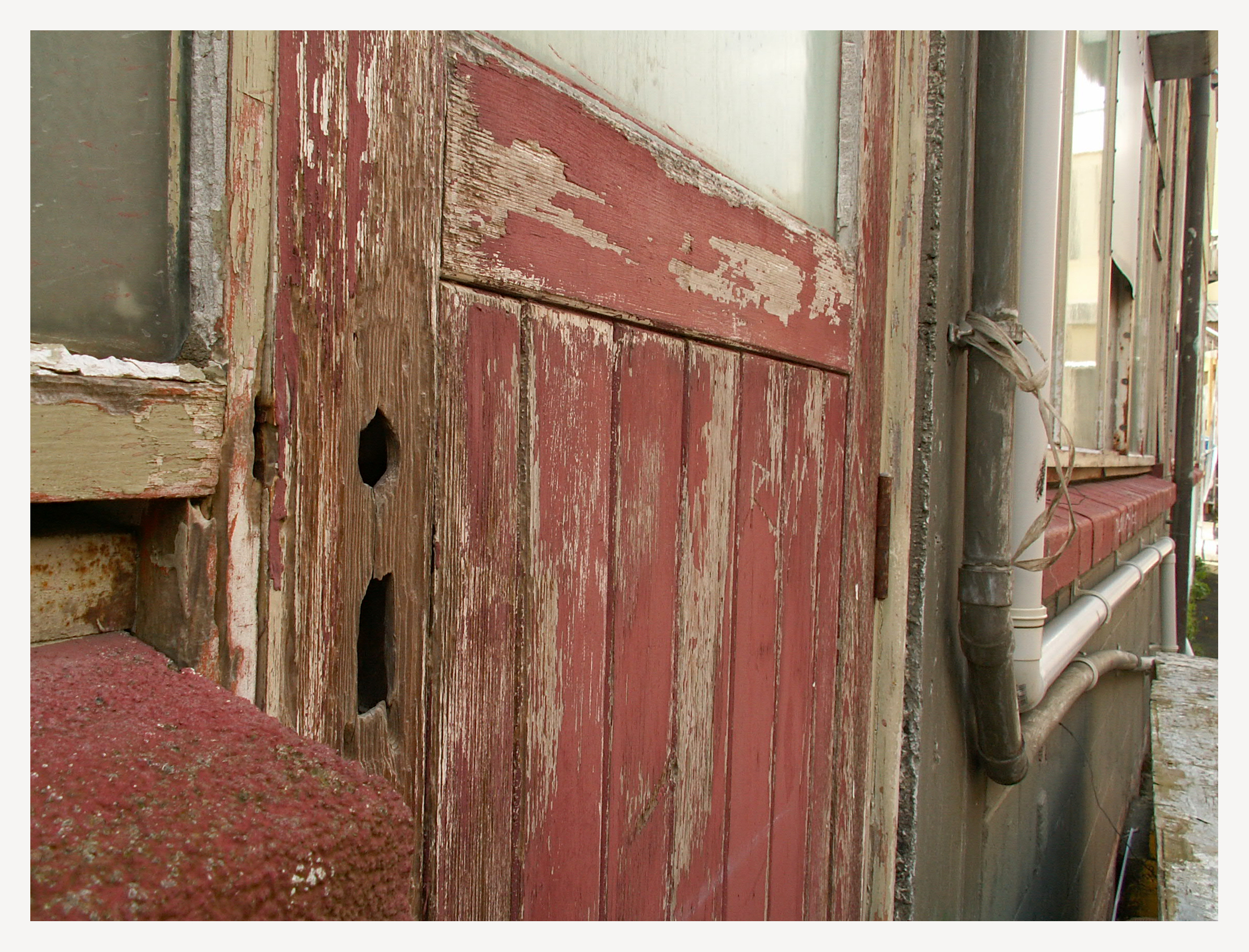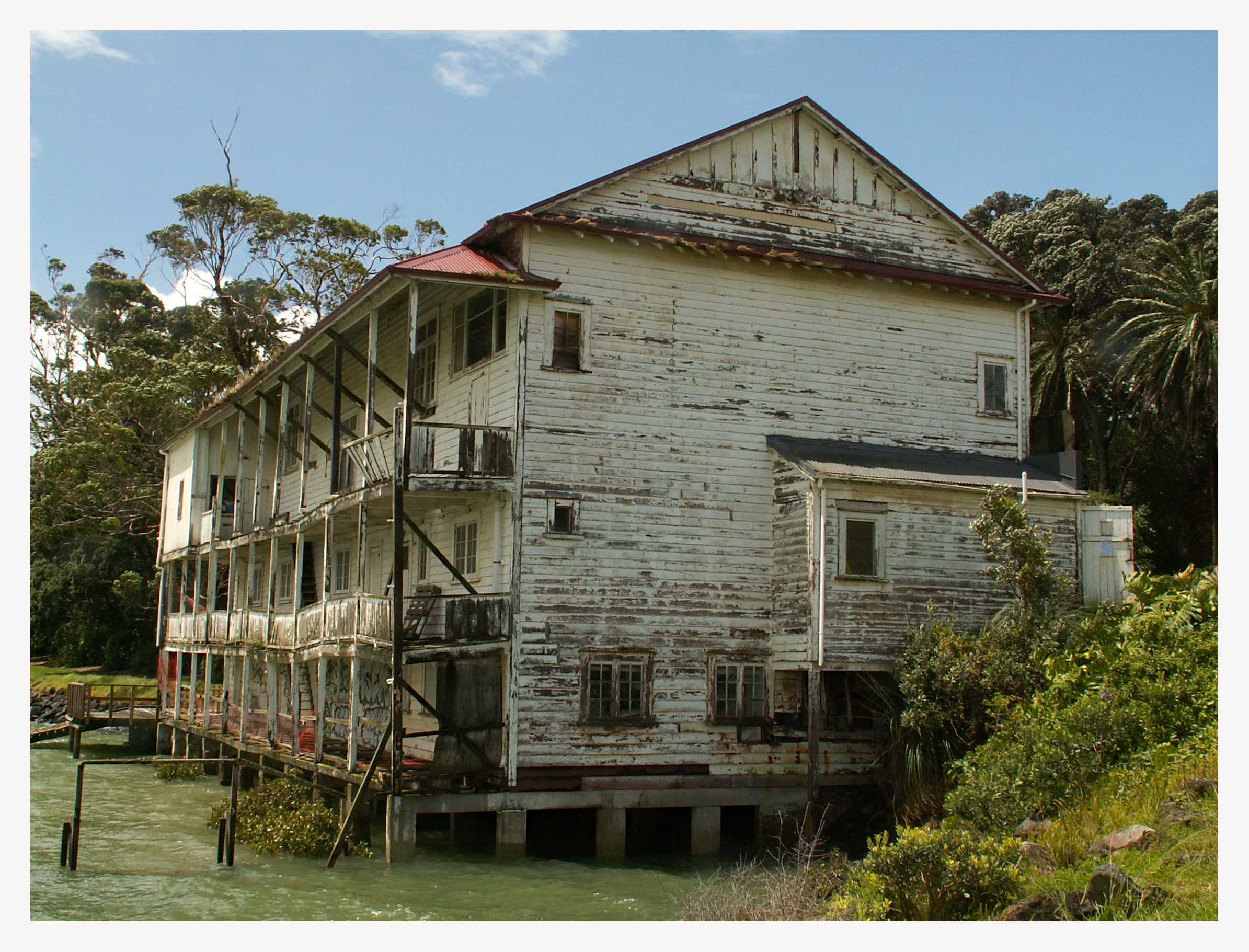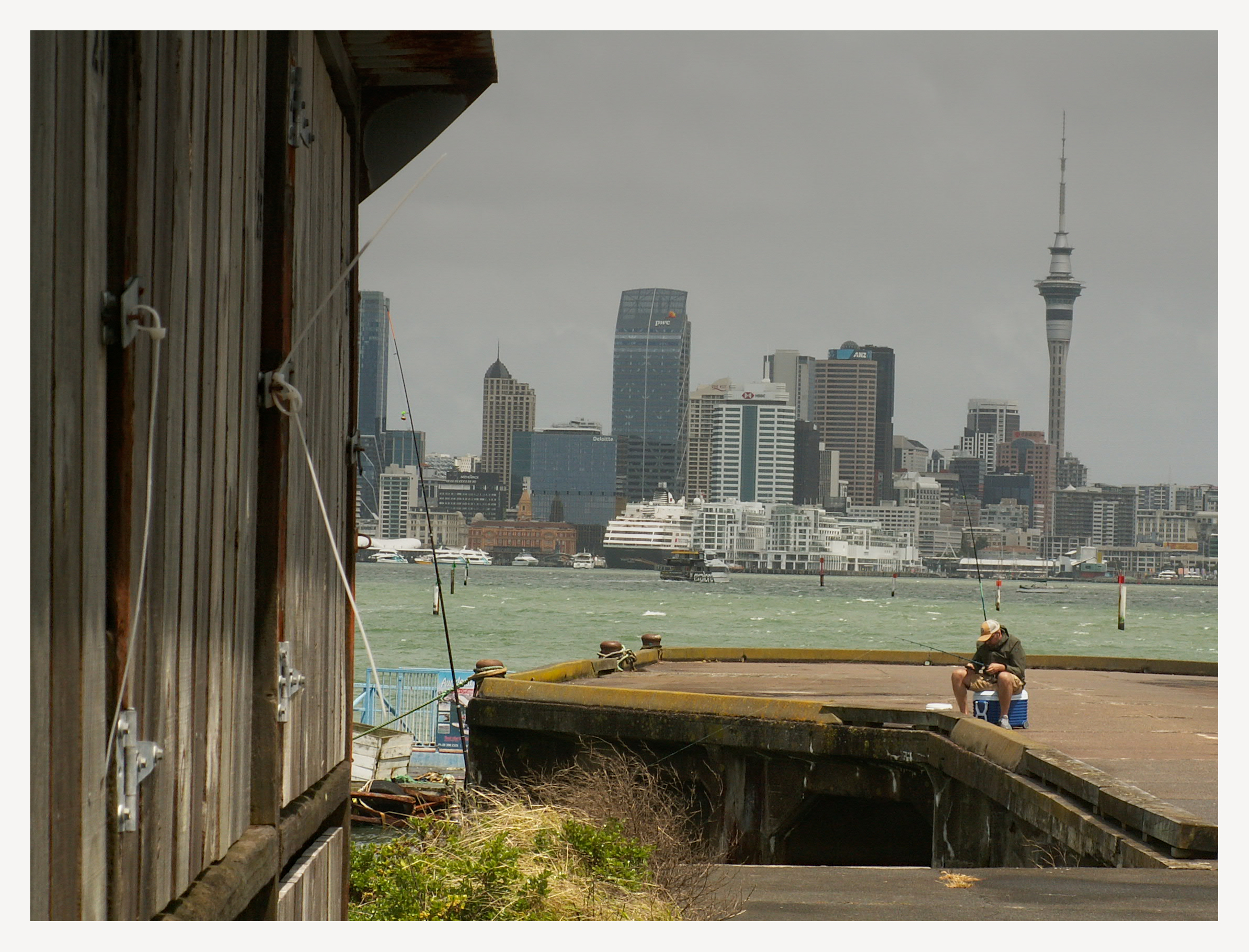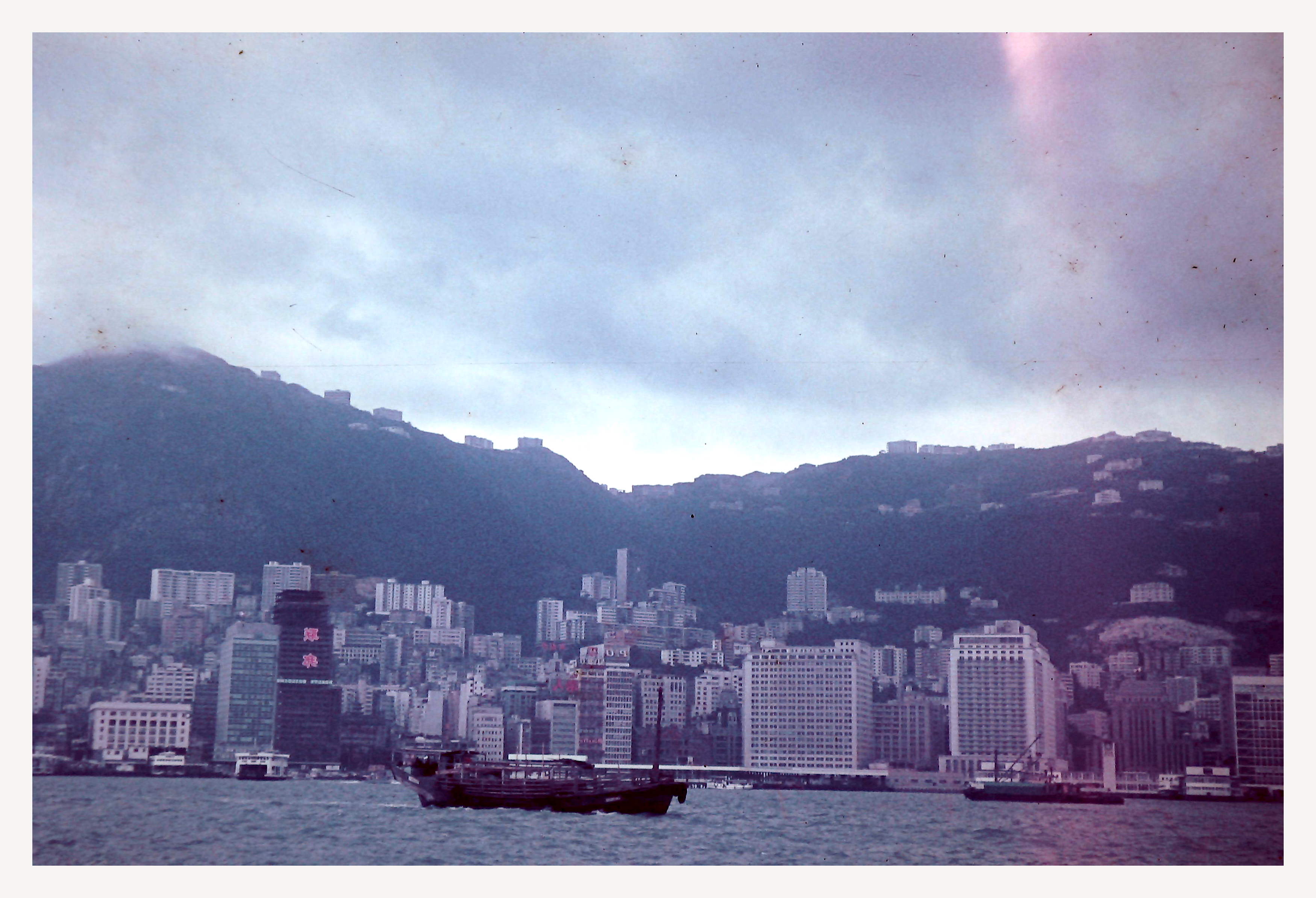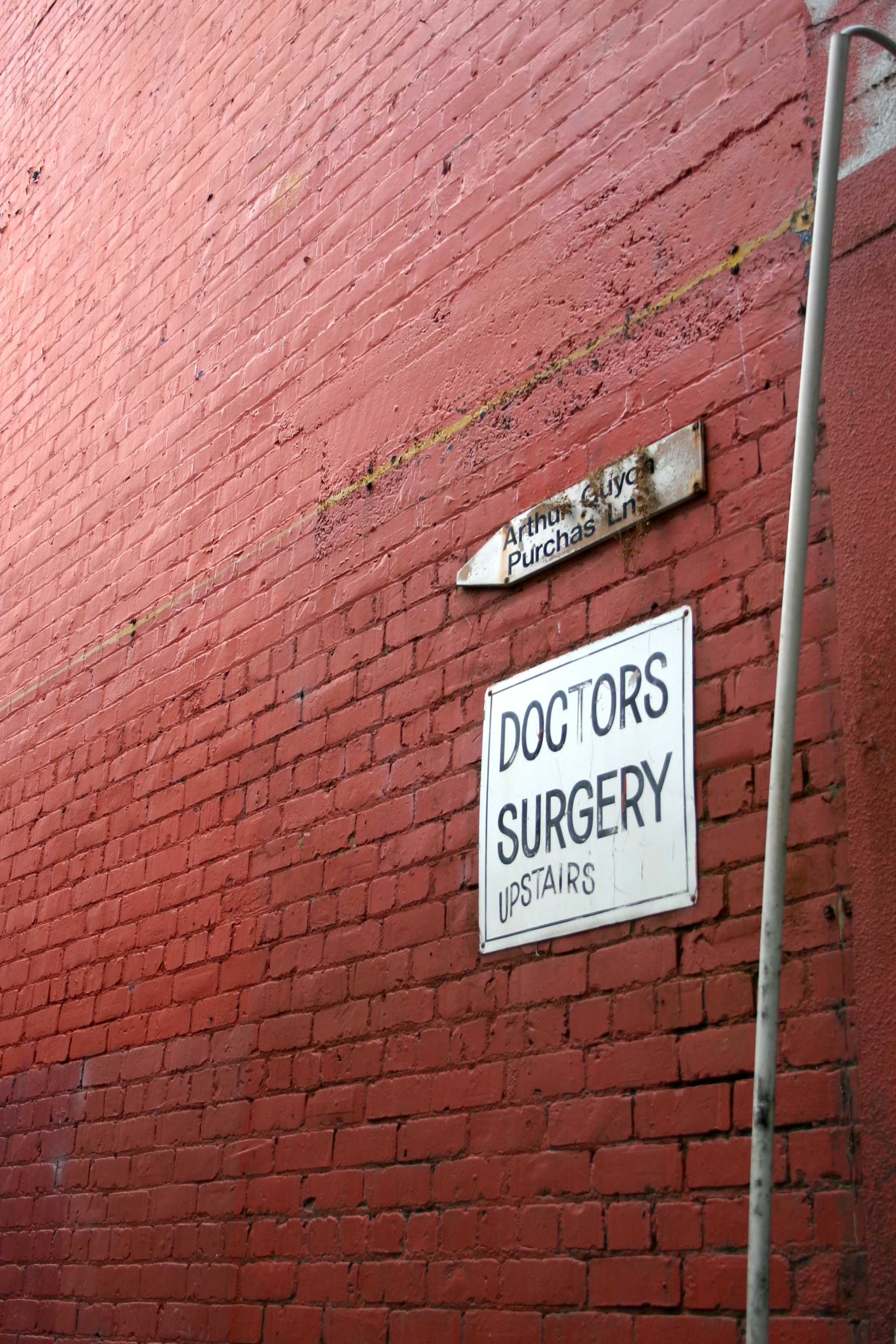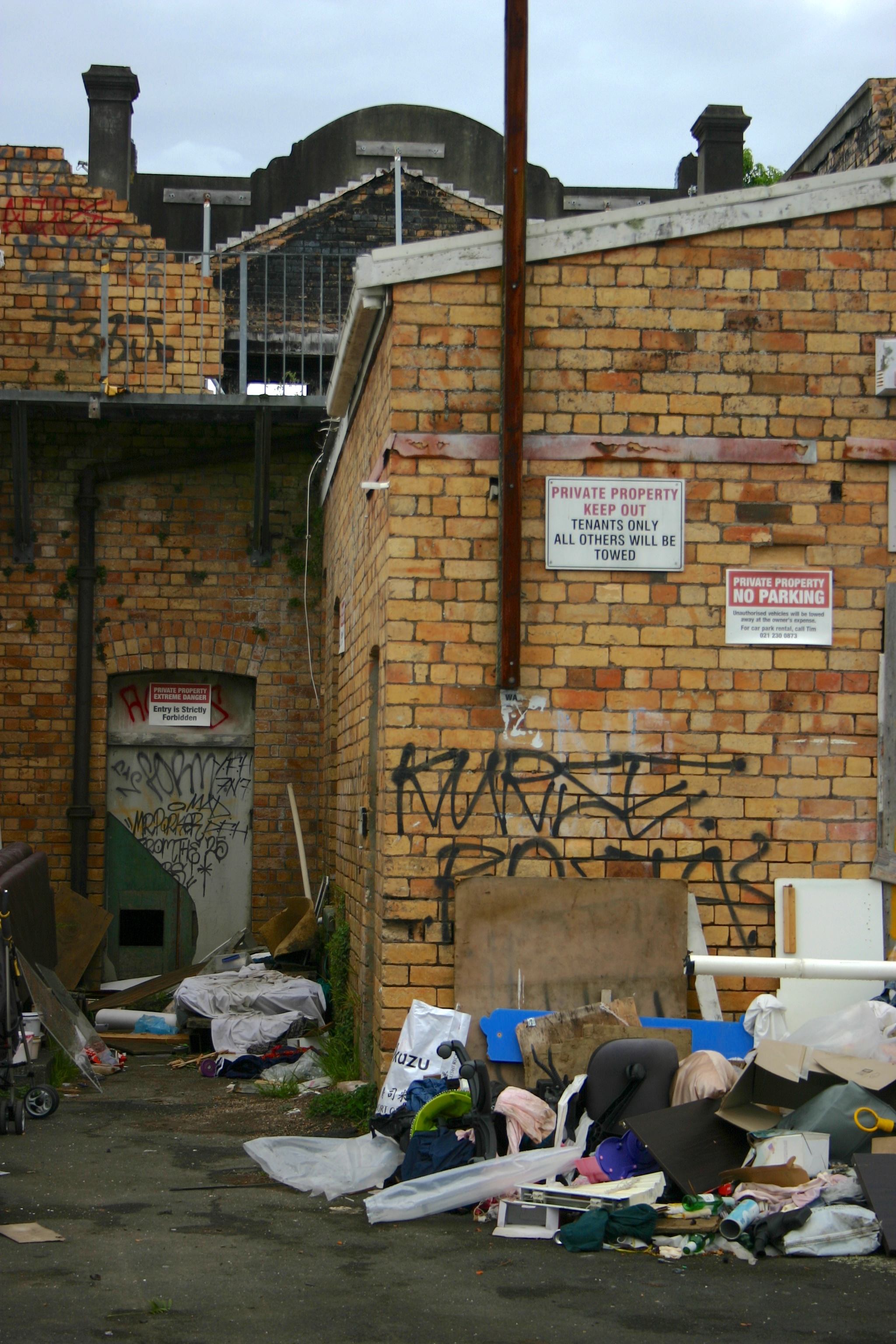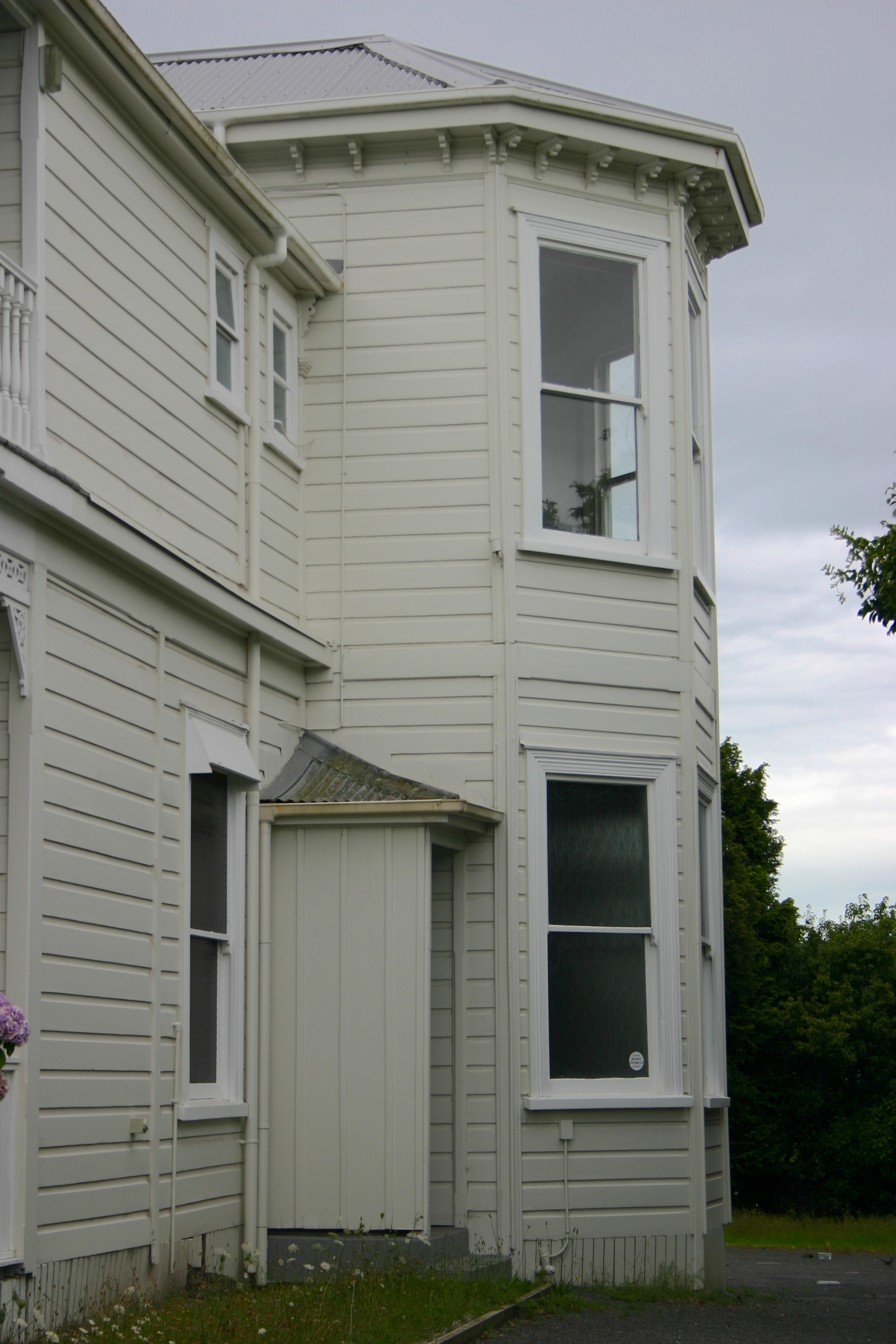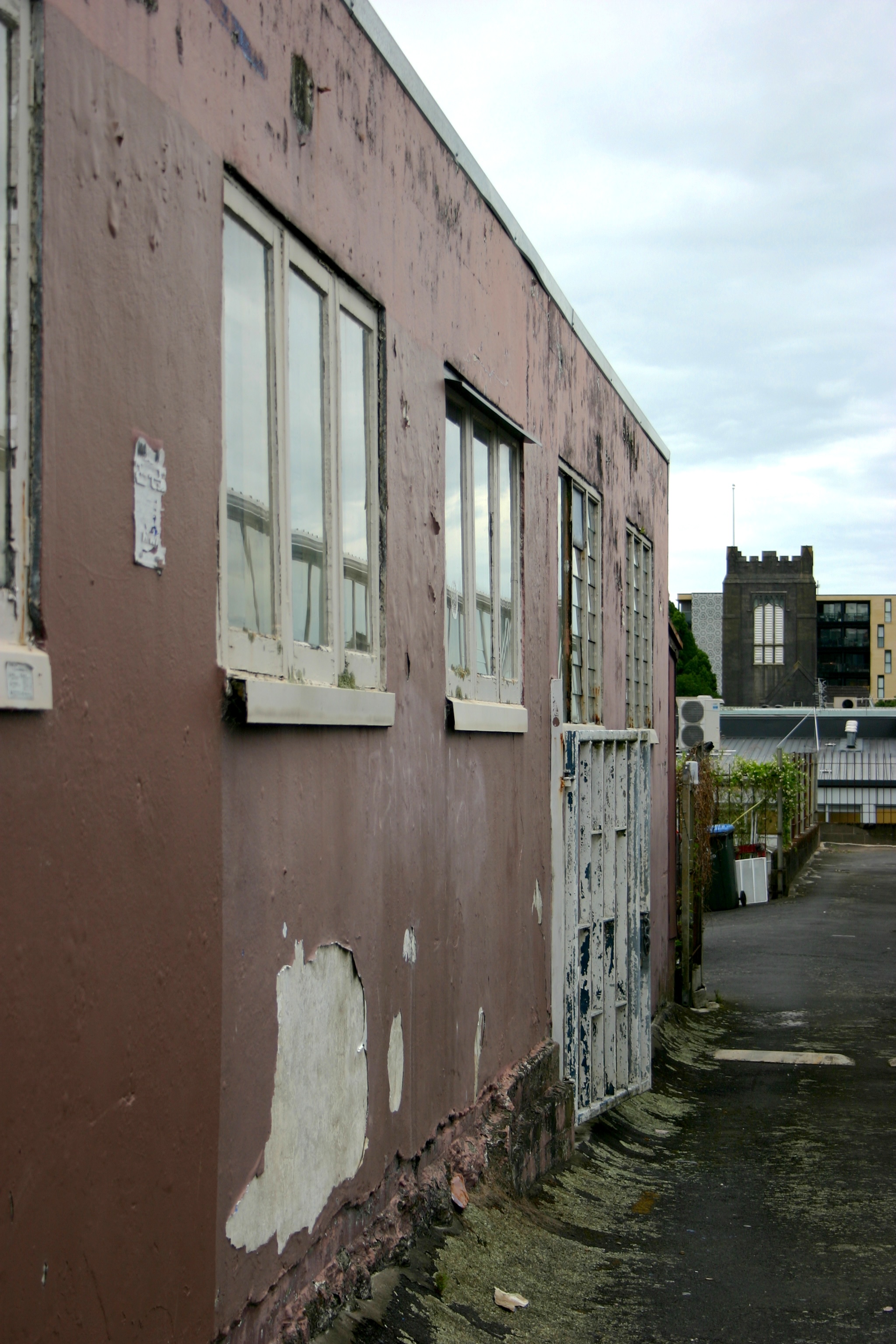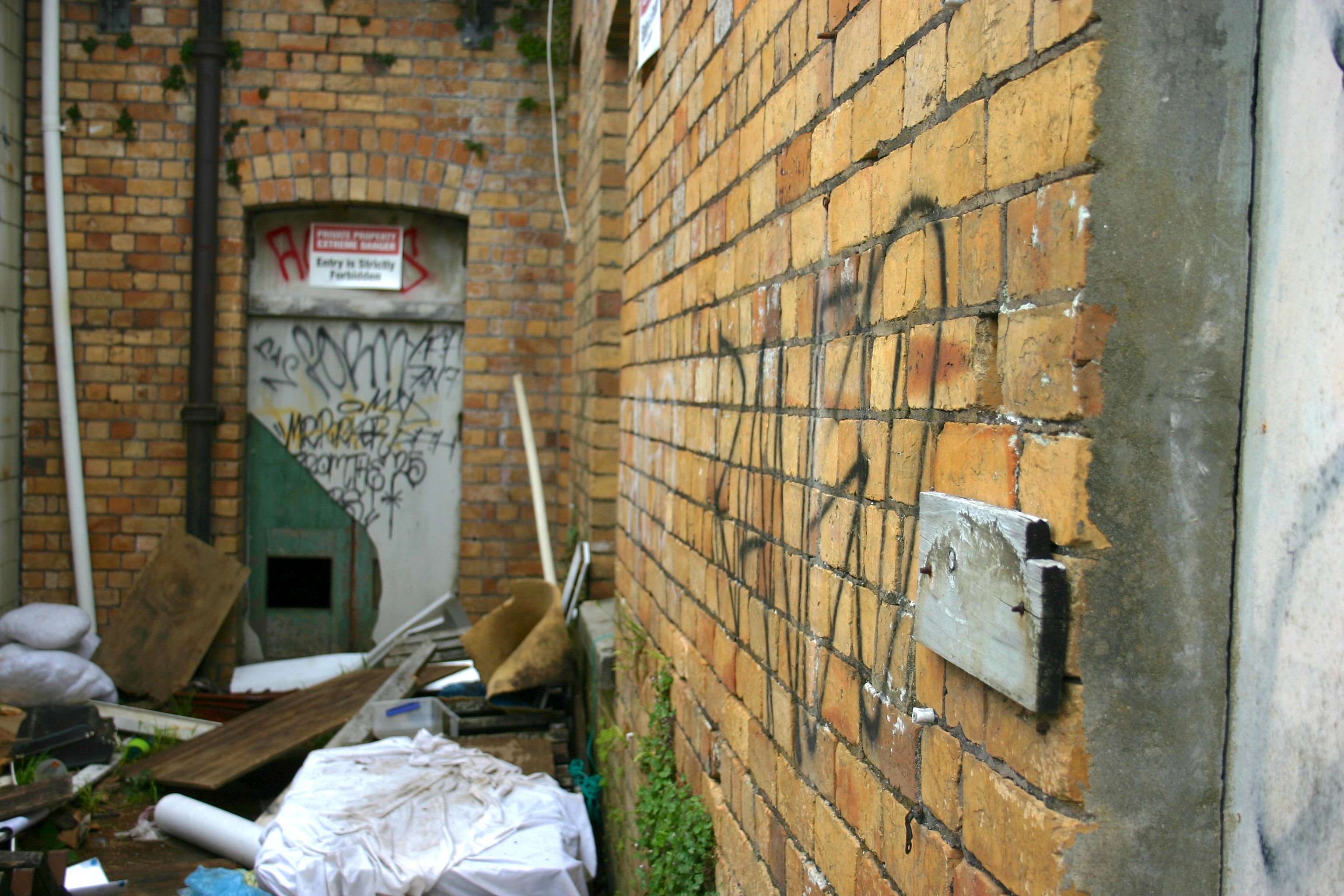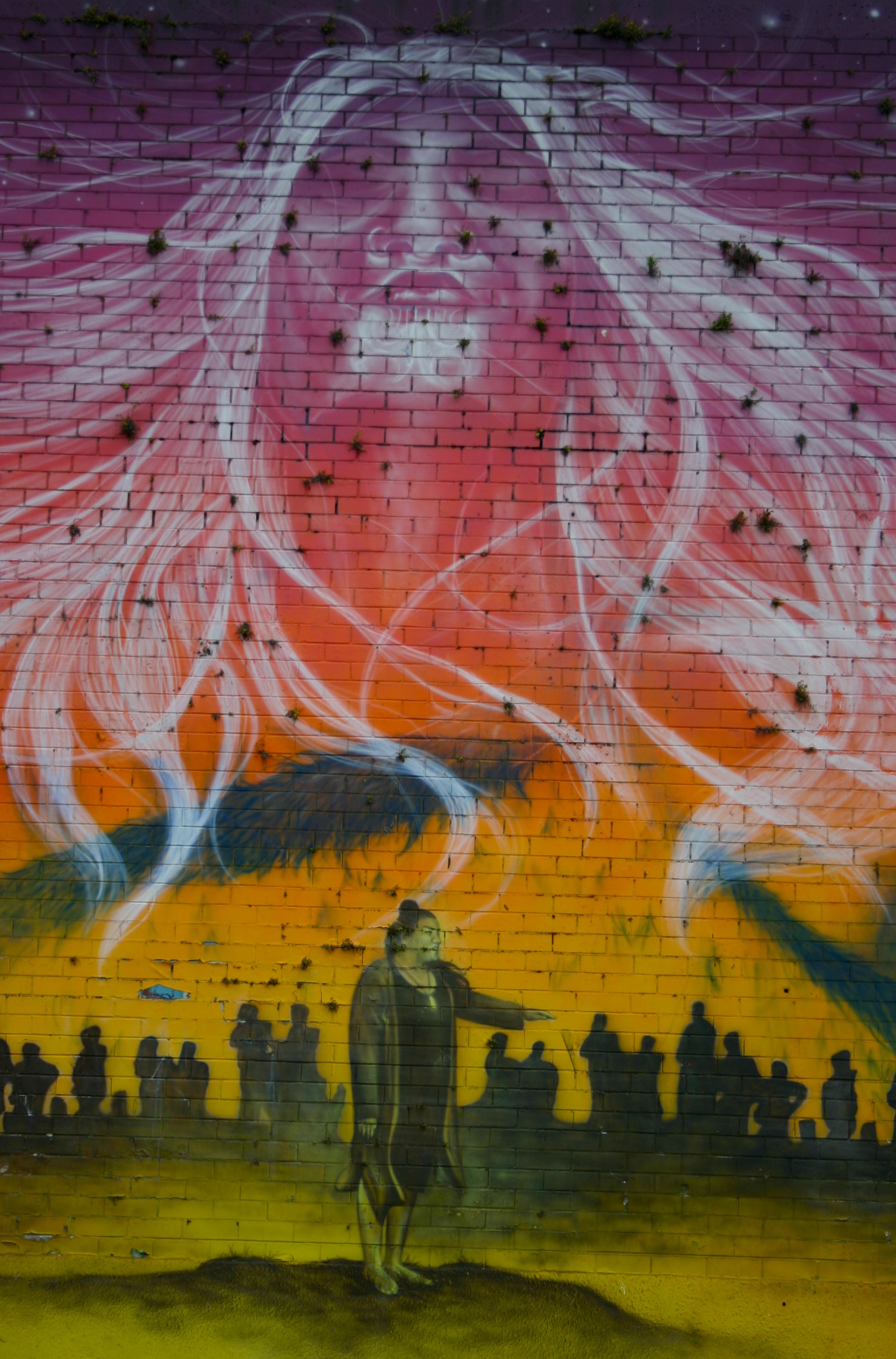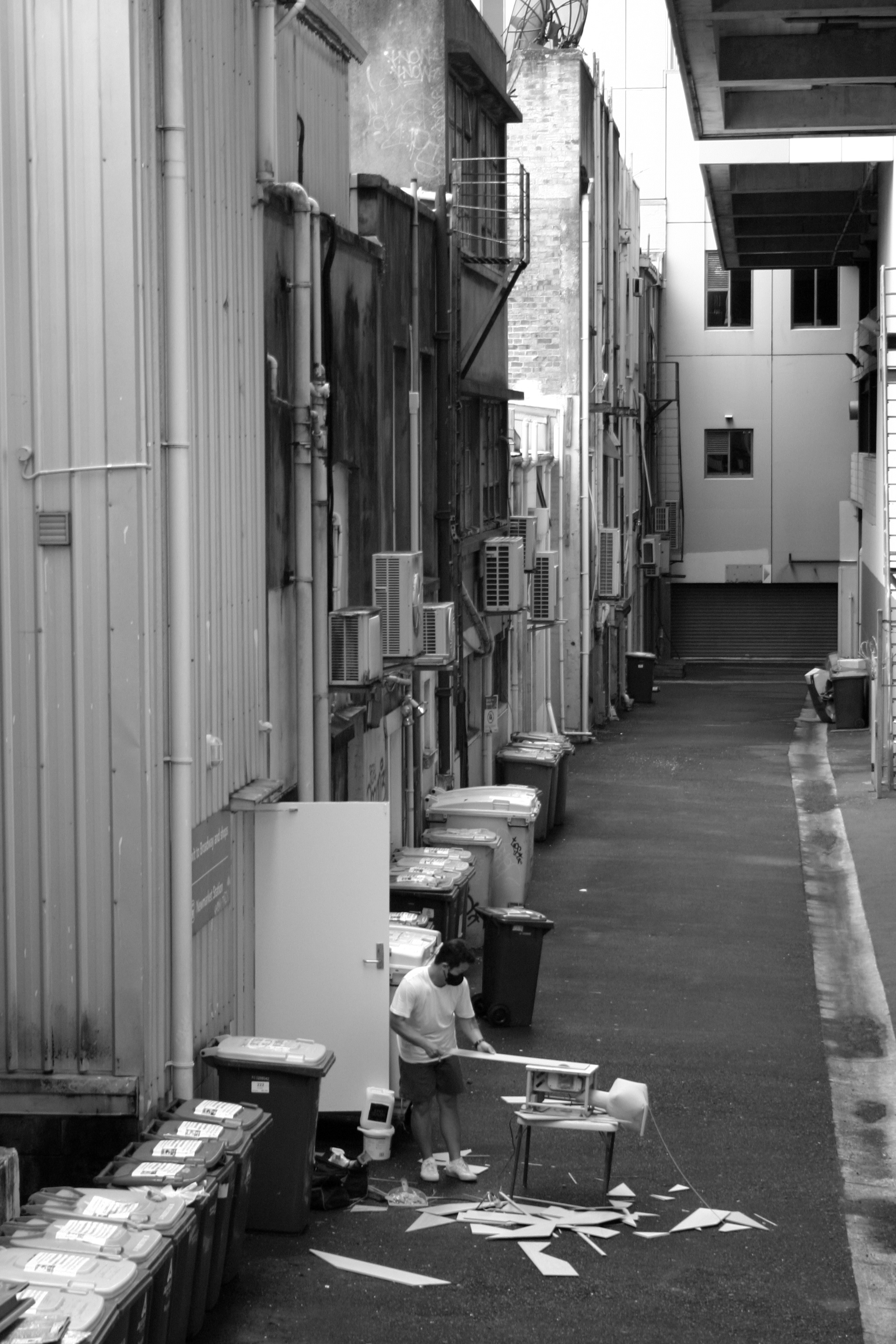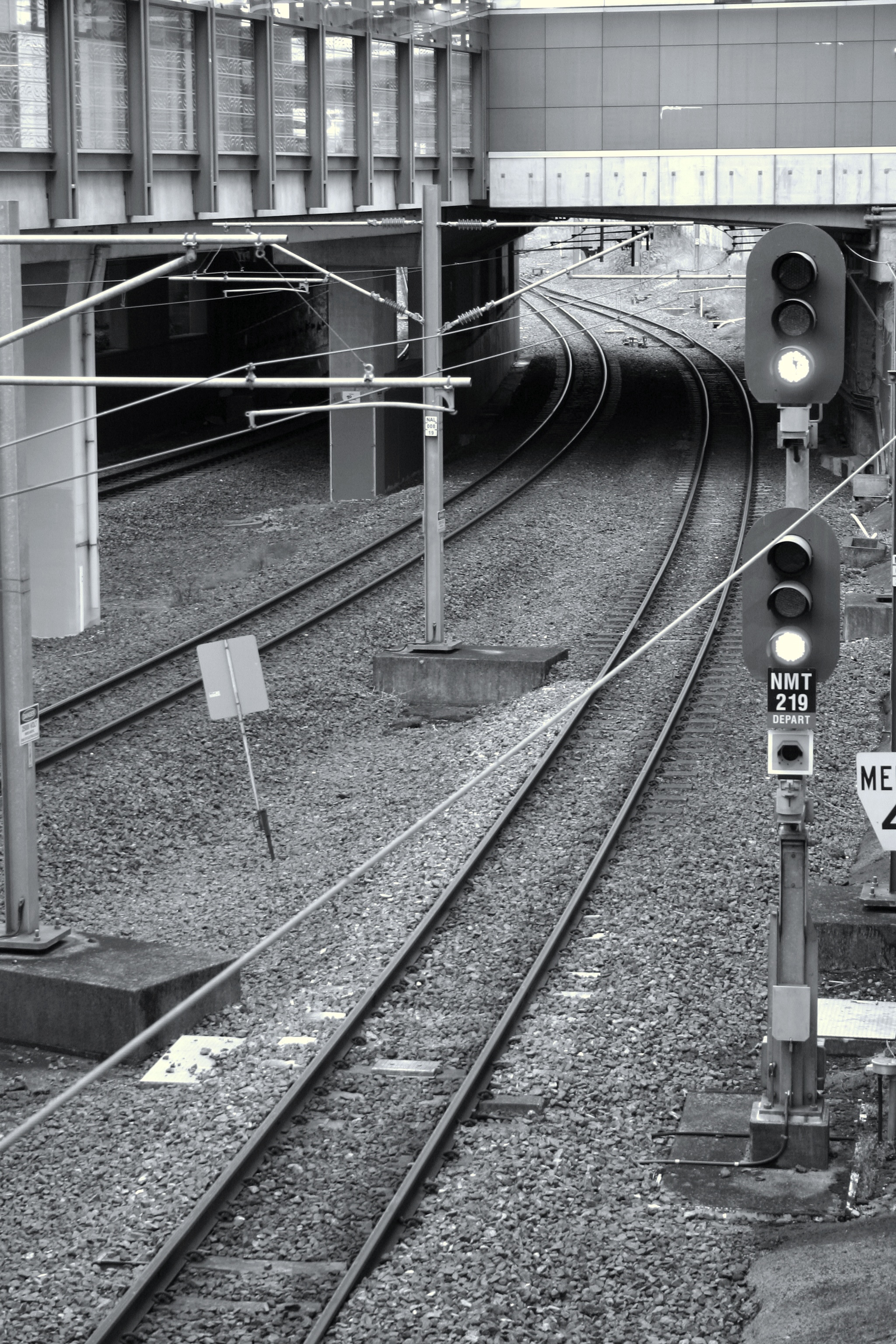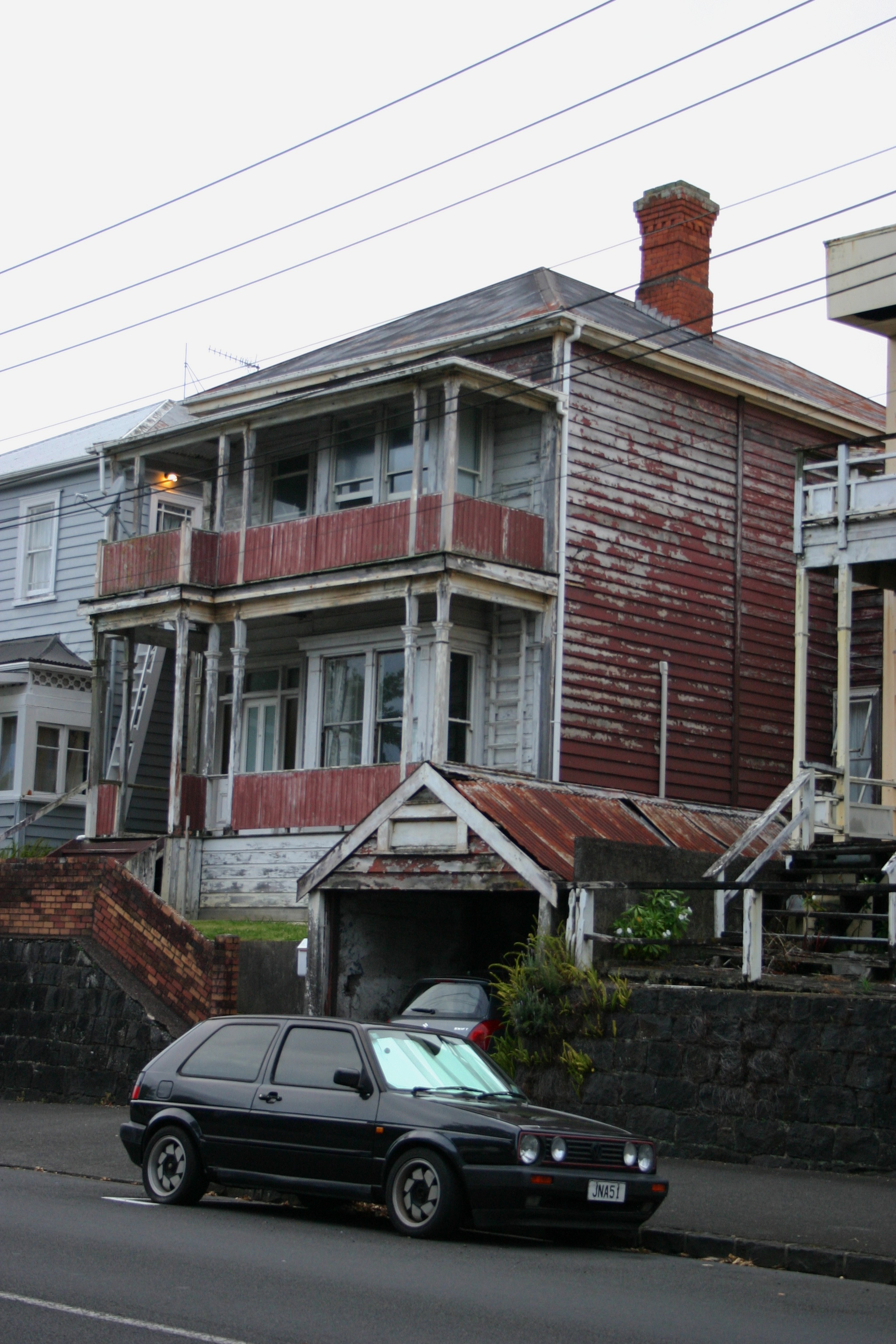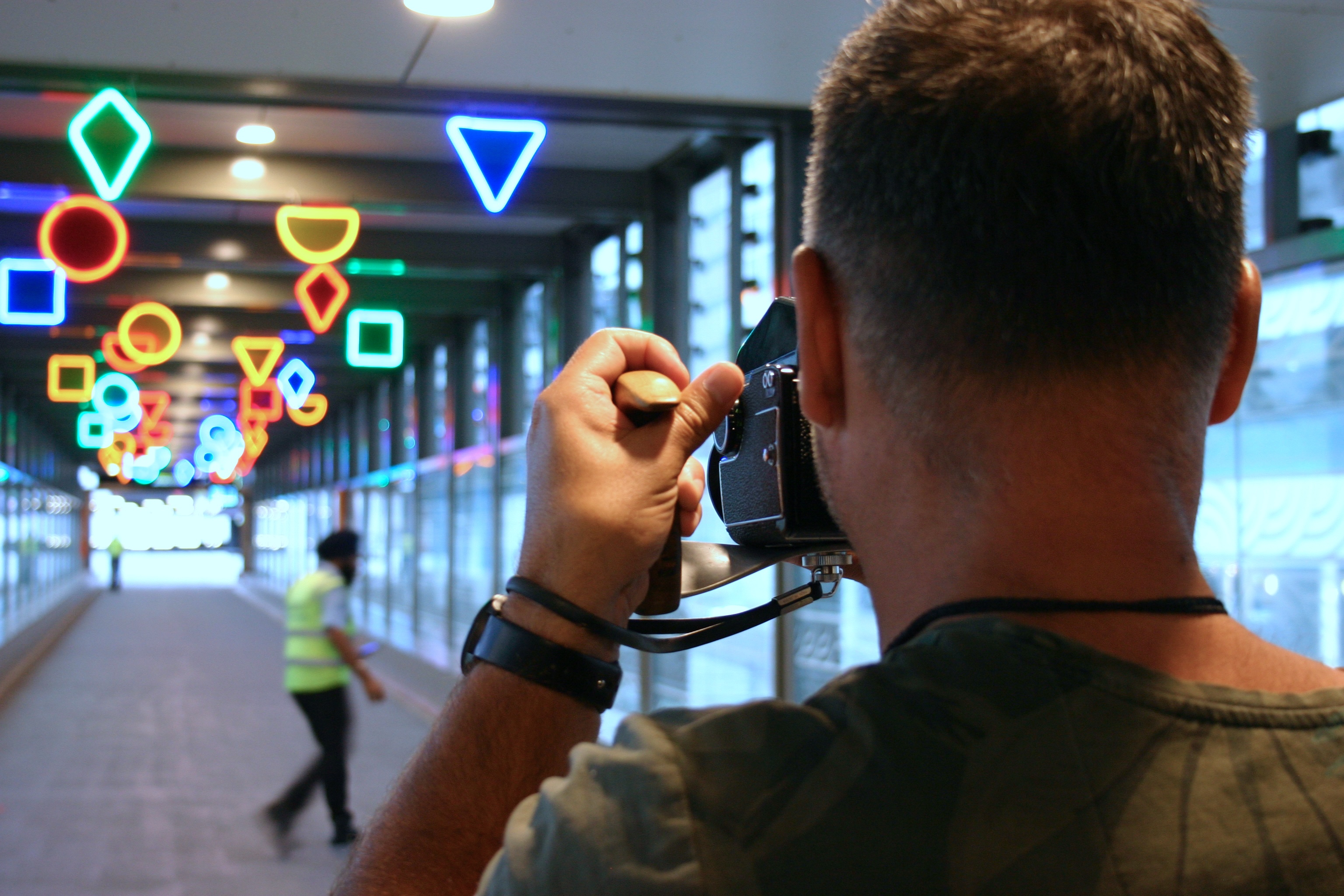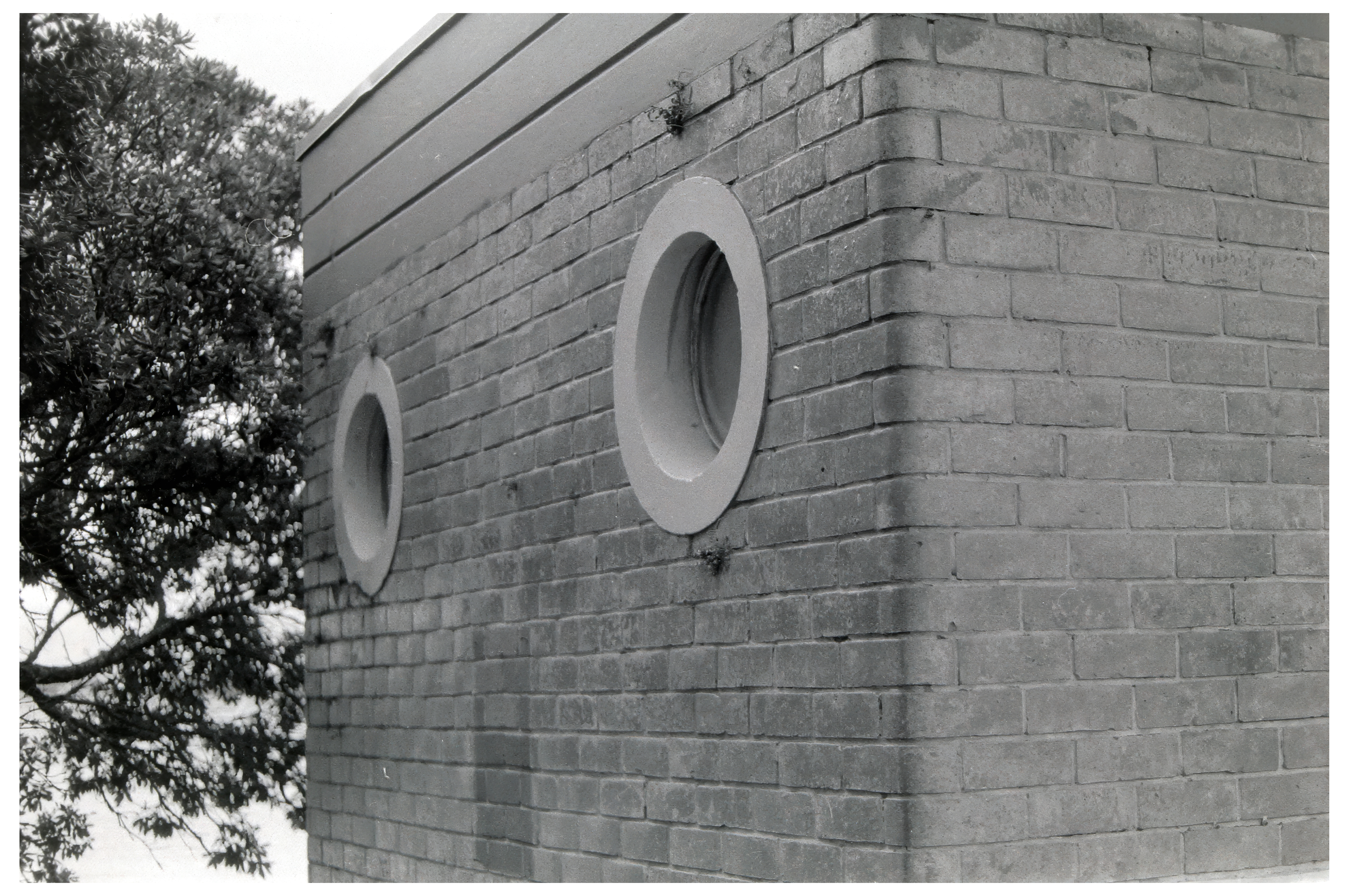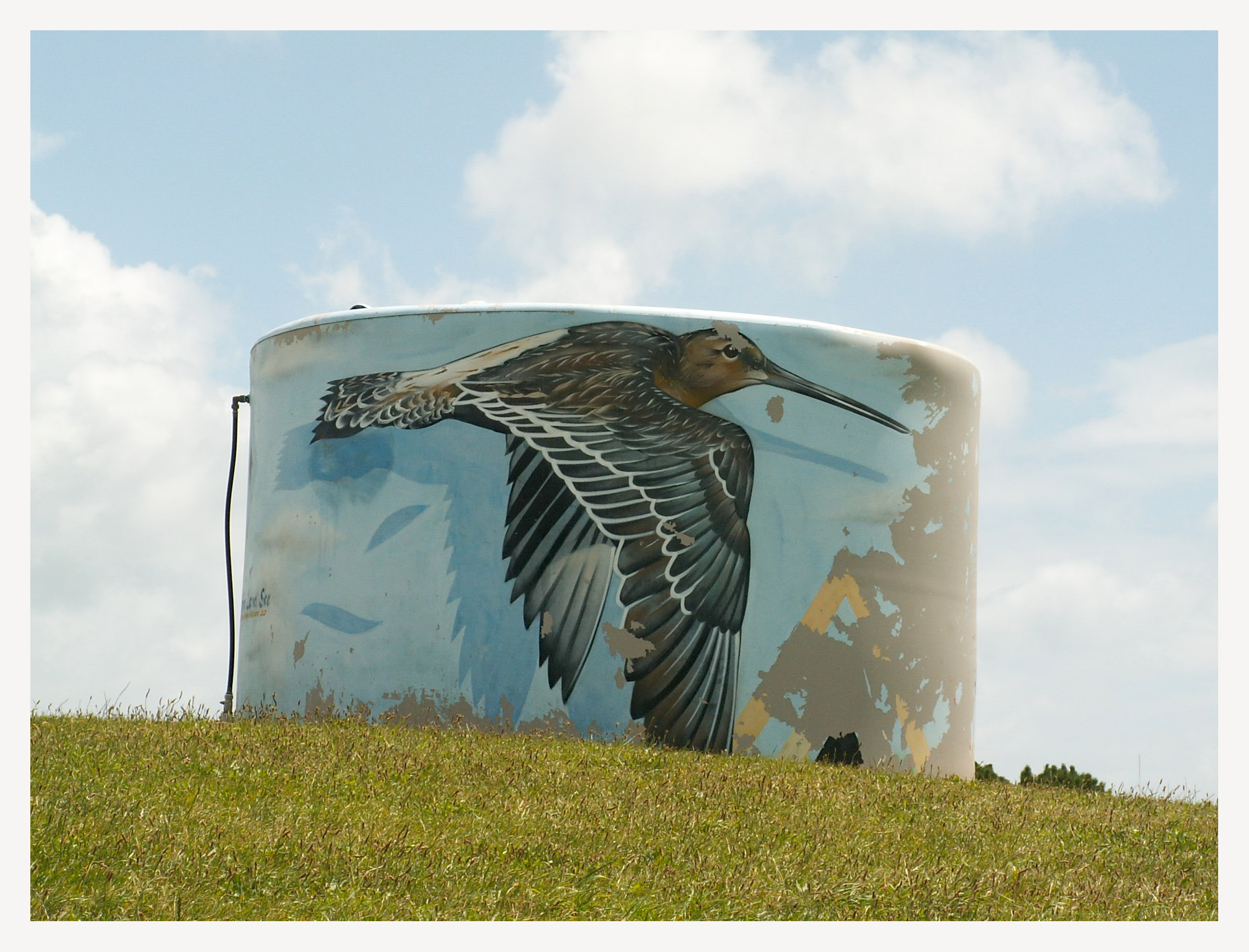
• Stars aligned with an old friend who also shoots and we ventured out to Auckland’s suburb Onehunga to shoot some frames. I took the opportunity to bring along a ‘new’ camera for a test run – the Canon EOS 300D Digital. The 300D was a milestone DSLR on its release in 2003 as the first consumer sub $1000 camera. Sharing many features with the prosumer EOS 10D (some just being locked down in software you can unlock), it sports a mighty 6.3MP APSC sensor and was the first to have the EF-S lens type that ran up until recent years when Canon dropped DSLR’s from future development.

    In ways, the 300D is more akin to shooting film… or at least a clear transition stage. You manually select film ISO (only to ASA1600), focus points are limited (I am generally a central and re-frame shooter anyway) and not always super fast. It cannot do live view and the post take preview screen is more an indication the frame was shot than a confirmation all is in focus. Its old and its pretty enjoyable.

    The sun was rapidly disapearing beyond sight, so we quickly travelled another few KM down the road to the suburb of NewMarket to get a few final shots in. I shot Onehunga in 100ASA, but moved to 400ASA in New Market and also converted a couple of shots to B&W, just to see how they looked really.

    I’ll have a bit of a play shooting RAW some time also to see if there is much more to get from this old digital antique. I got another longer lens with the camera also, so will give that a try in the future when conditions suit.

    I need a bit more time with the old beast, but did quite enjoy shooting with it. It’s out of camera jpegs have a certain look and feel of the period. The less than ideal conditions had me shooting fairly wide open (for the supplied lens) and I didn’t quite get all the focus points, but will be interested to see how they look stopped down a little.

    First outing – complete.

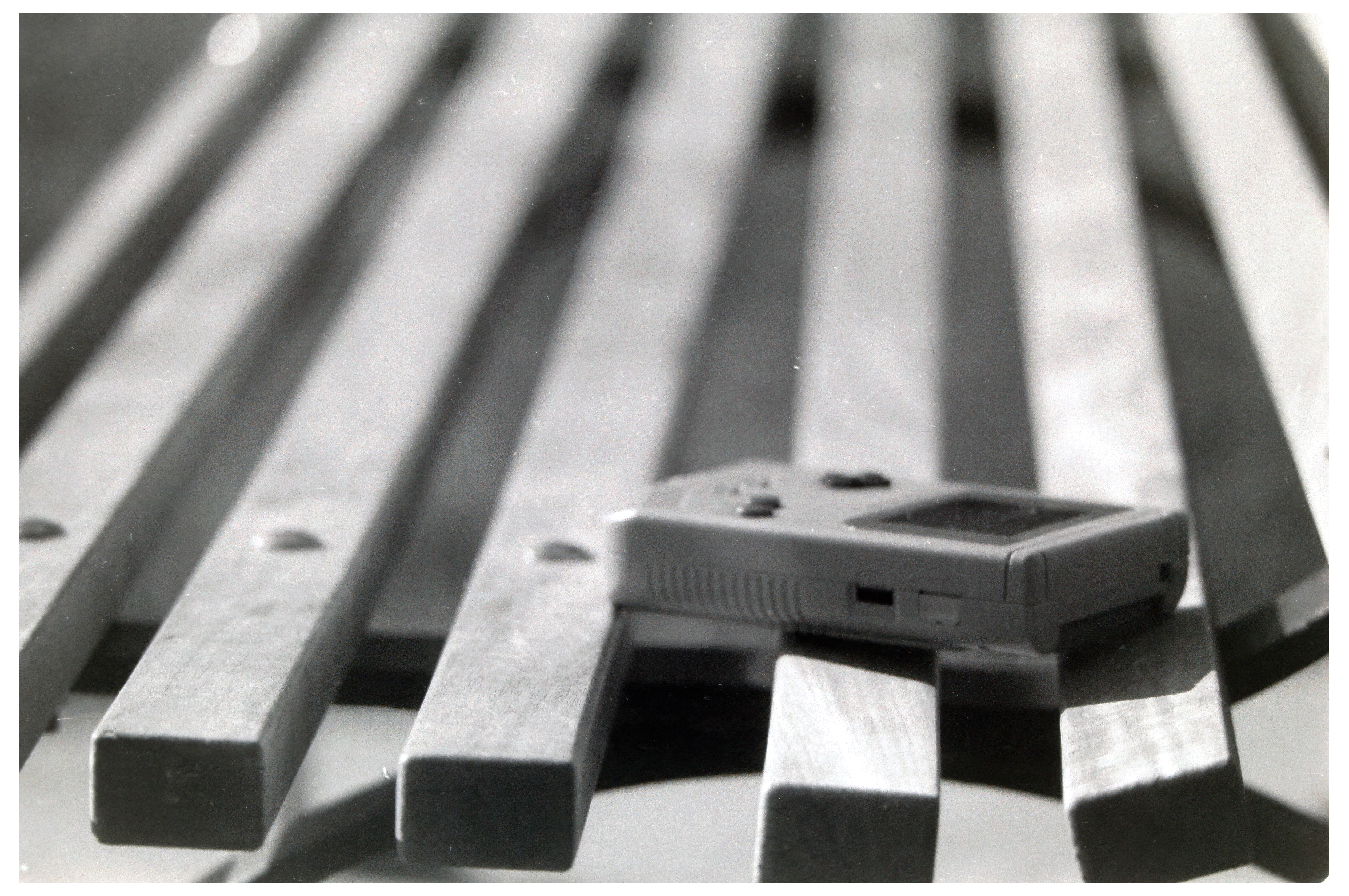
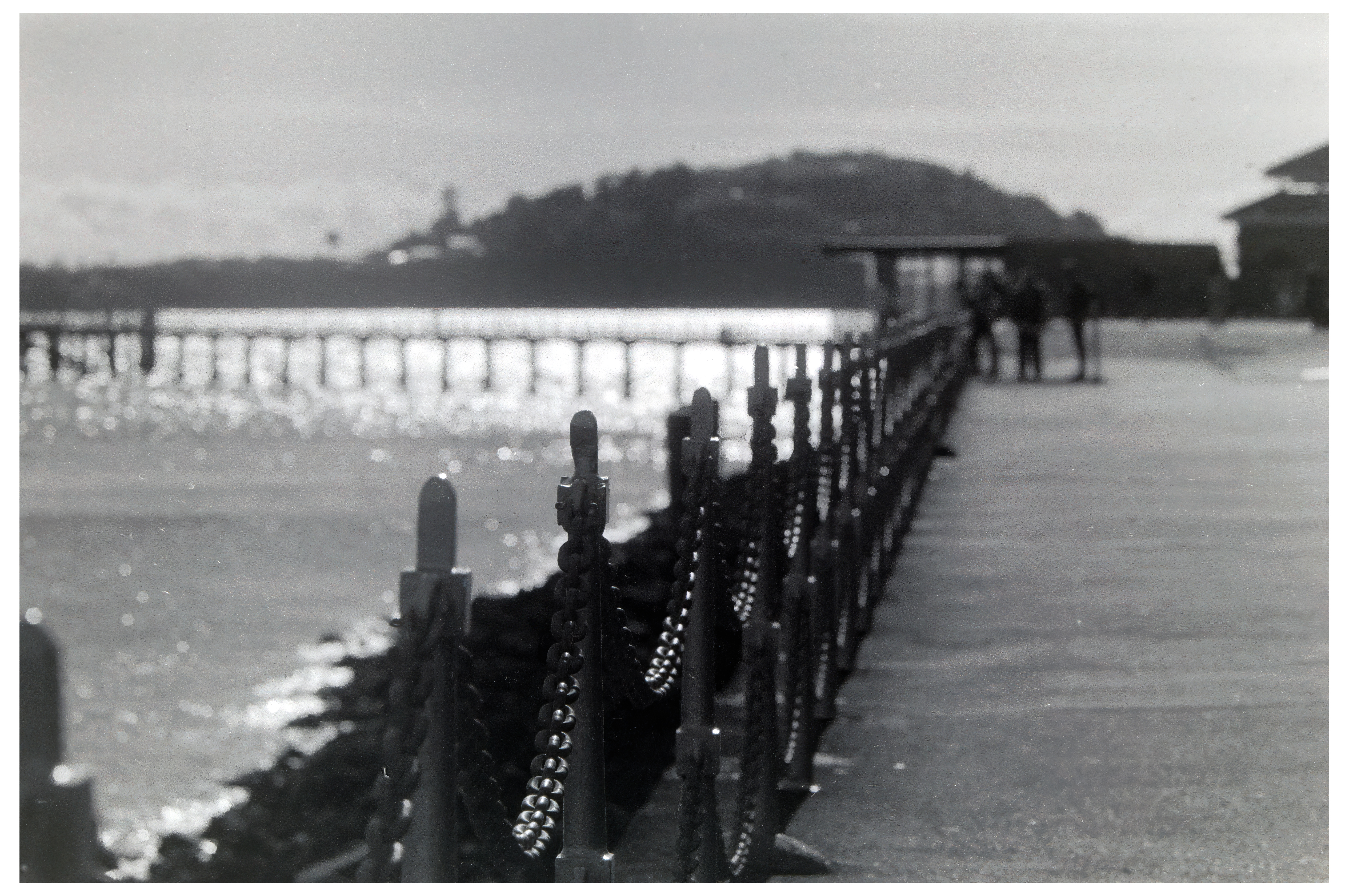
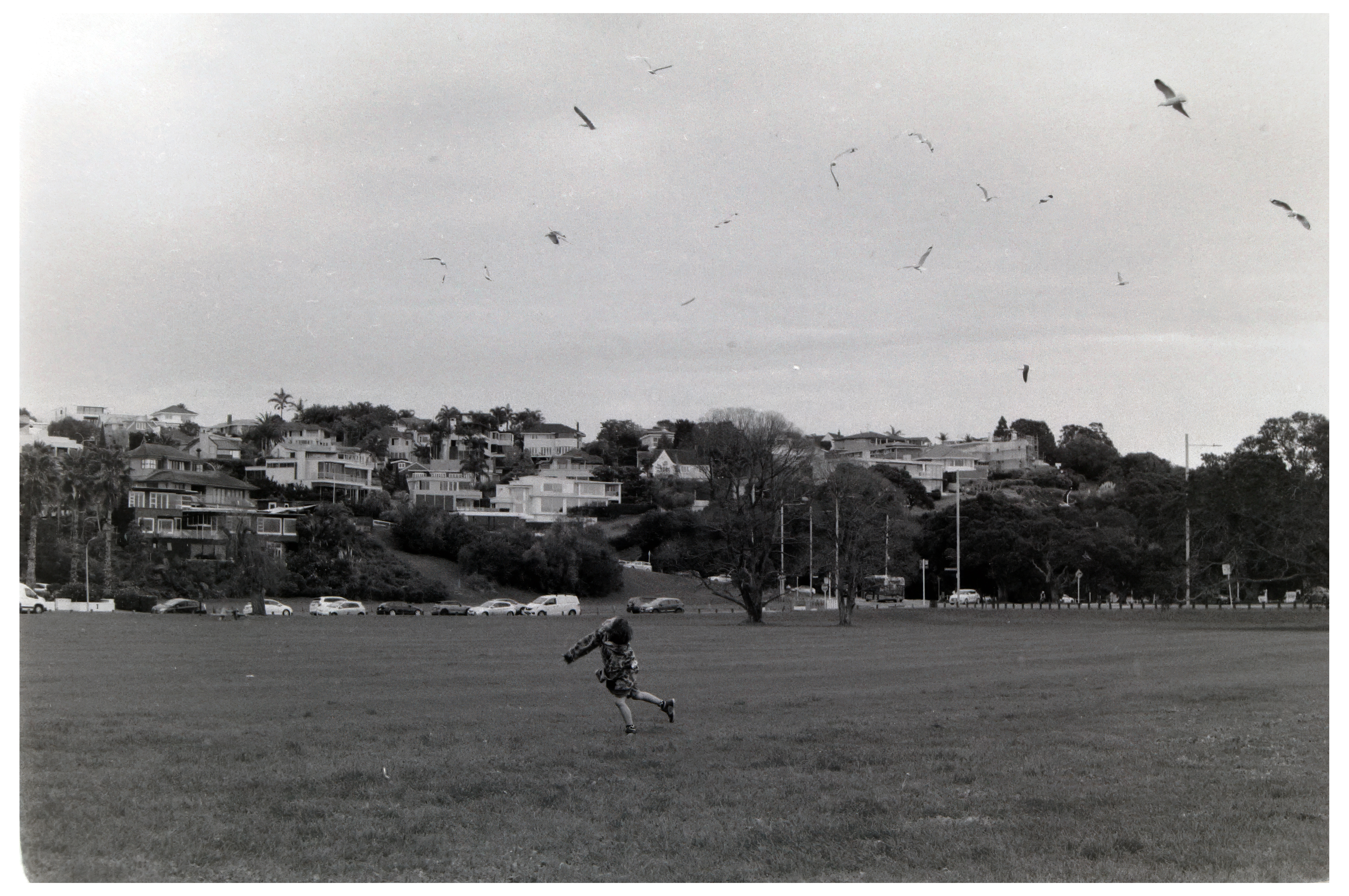
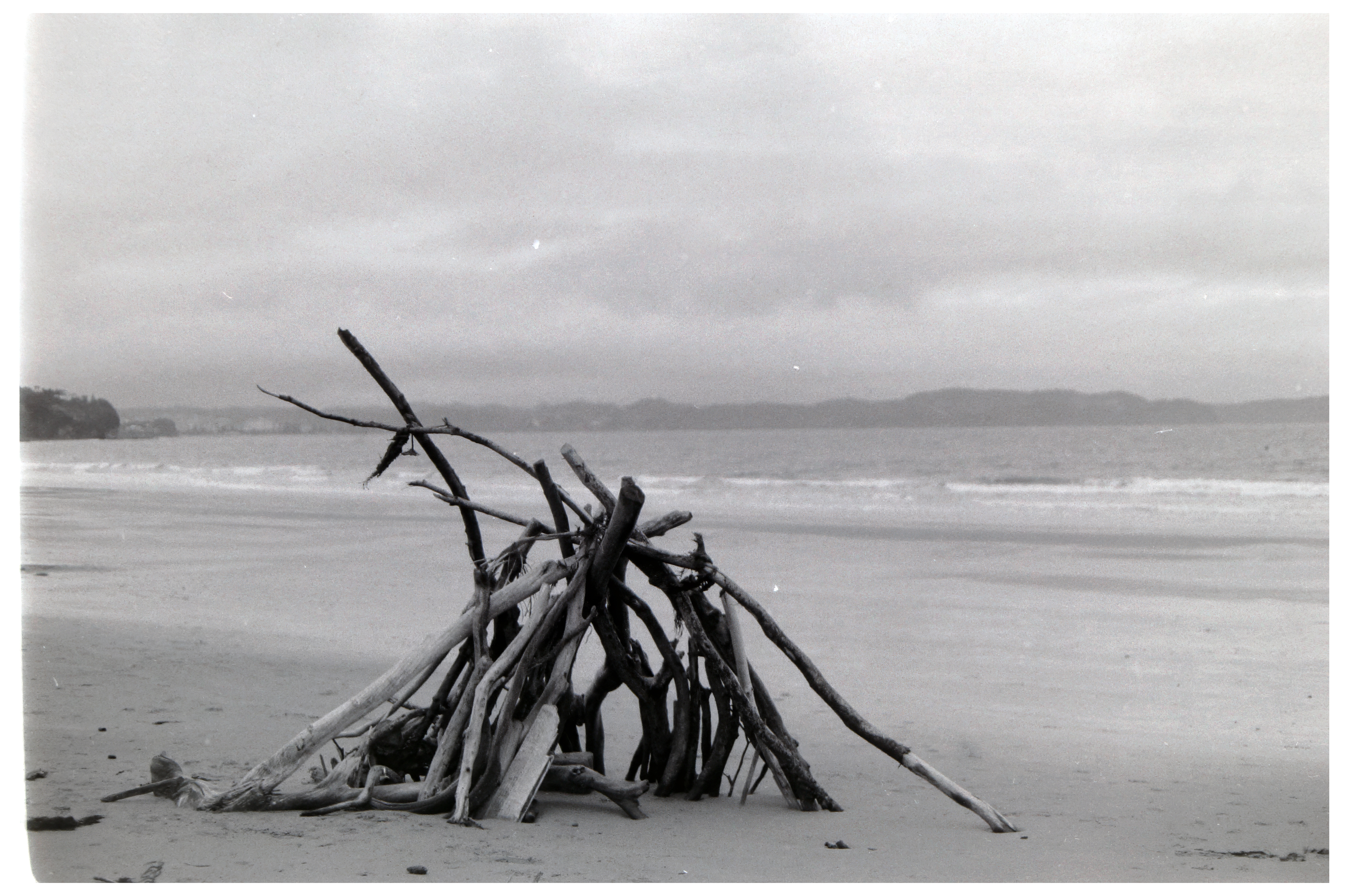
  • I’ve been slowly whittling down my film camera collection, keeping almost only units which have personal family history to them now. Whilst my fridge stocks of film are not exhausted, they are starting to run slim and at last count, my 120 film outnumbers my almost exhausted 35mm.

    Today’s shots were from the last run I had with my Minolta X-570 before I sold it on. It does not have any family ties nor early learning days links. A fabulous manual camera to use. Minolta remains one of my favourite brands of the 60’s -90’s. If they had not been brought out by Sony, I likely would have remained with them into the digital era (assuming they kept up development).
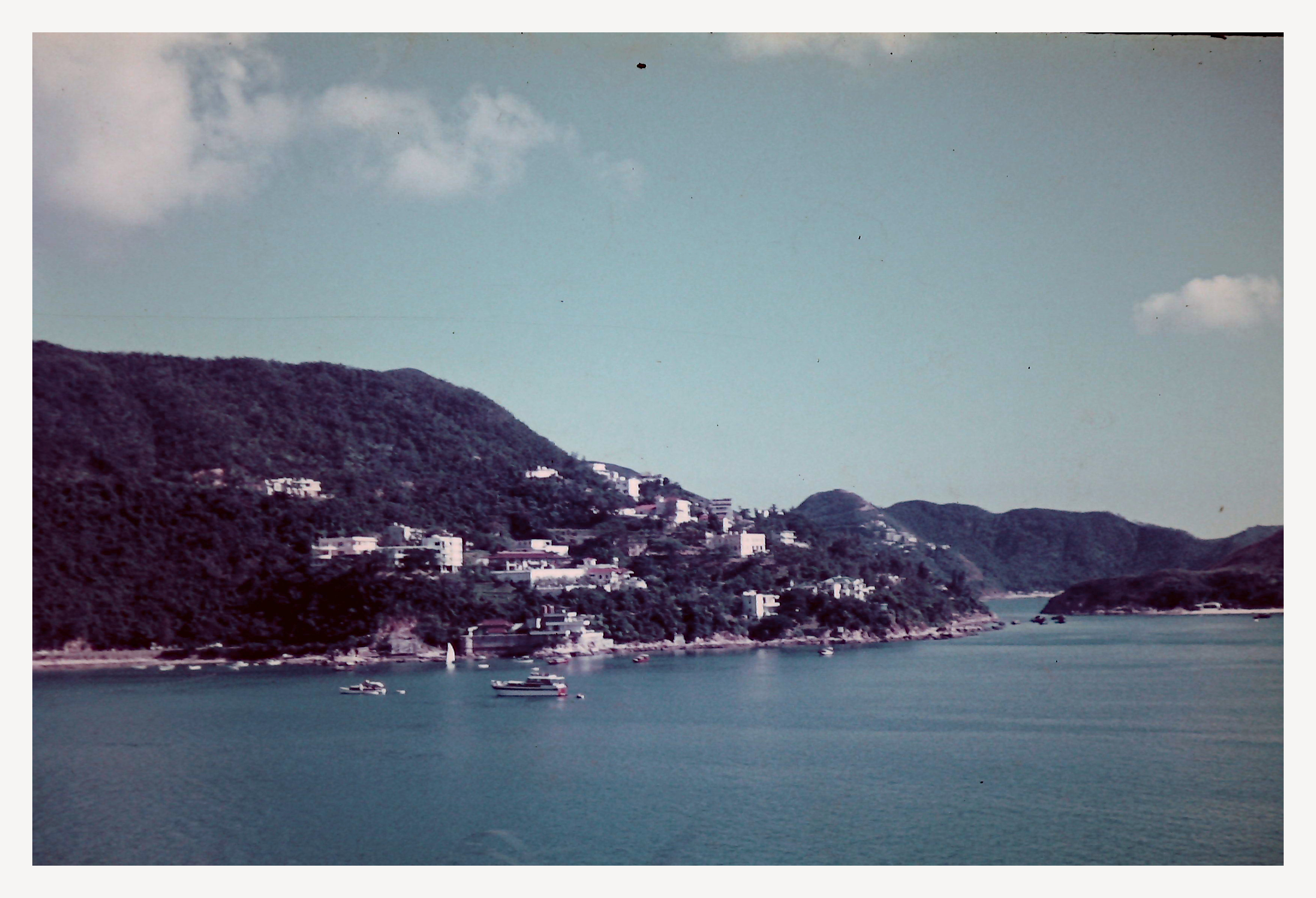
    One limiter to film nowadays is simply cost. Whilst I tend to home develop and buy lower end B&W film, it still all adds up. The ‘film feel’or look is real, but then, we digitise it anyway to share nowadays. Removing the pure film finish in a re-digitised master. I used to print my shots too (as in from an enlarger to photo paper in a darkroom) – another great hobby to get into if you have time and space!
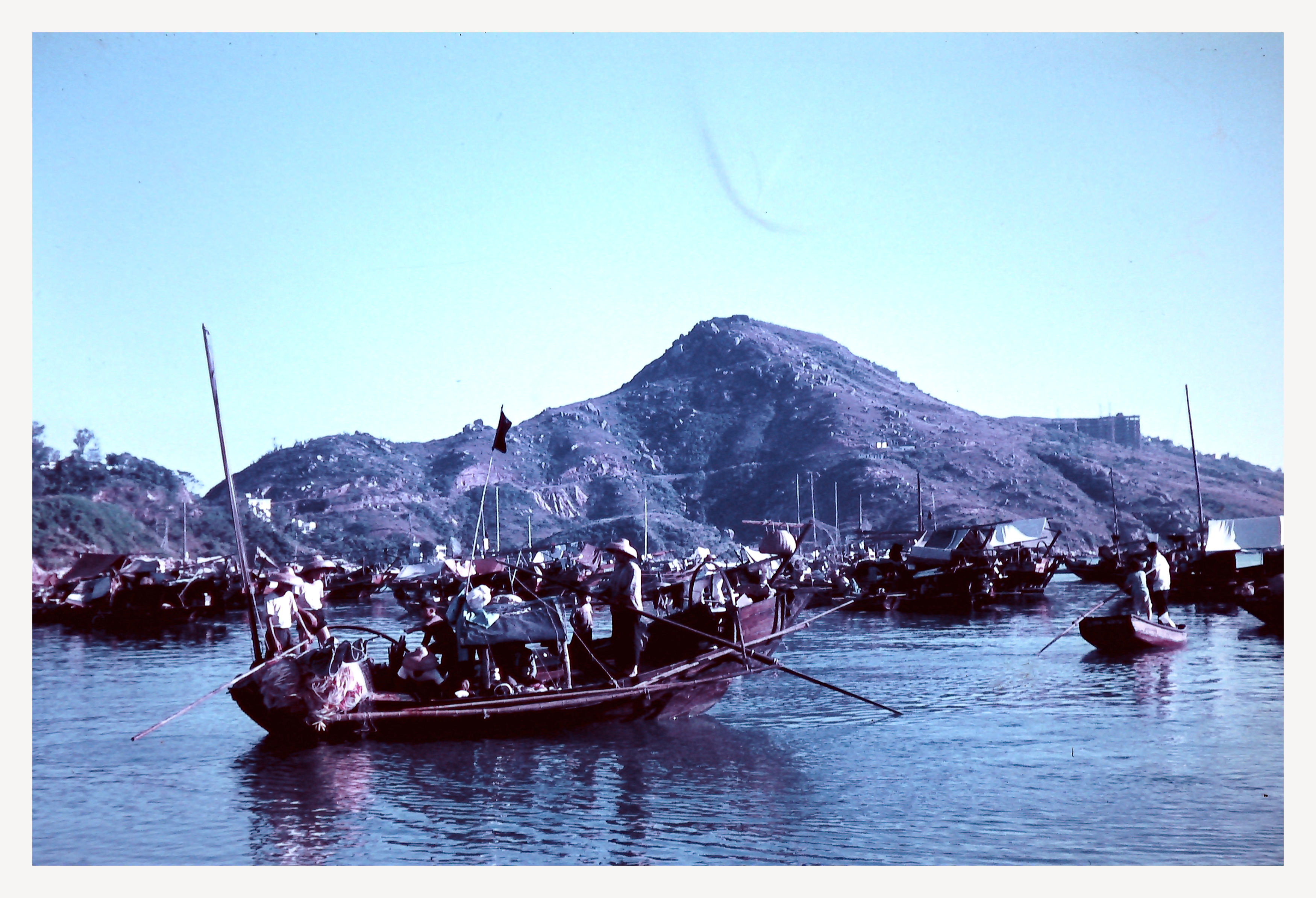
    On the flip side, film is less convenient, environmentally worse (*though producers like Kodak have some great sustainability and environmental practice in development) and arguably, surpassed in quality potential by modern equipment (35mm – larger 4×5 or 8X10 is a different topic). Once you are all set up on digital, you can operate near cost free. Film, bar perhaps high enders like Leica and Hasselblad, is pretty cheap to enter into, but expensive to shoot and develop. Fire off (and pay to have developed and scanned) 20 rolls of a half decent film stock now days and you are on your way to buying a nice’ish digital base. Dwell in the older used digital era like I now do and the options comparatively could be vast.

    But regardless of my rambles, film is not dead. The movie industry has helped keep it alive way more than the revival of the still camera movement. Many films. At 24 frames per second, allowing for re-takes, edits, different cameras for different angles – it puts the conservative modern still film shooter as a blip on the map. So thank you to the film industry for keeping things classic! It will be a sad day when Kodak (in my opinion the only main one left) moves on.

    There is something special about slowing down, taking the shot and waiting to see the result. Entirely possible to replicate this in the modern digital age – but most of us lack the patience and willpower to do so… also – if you have taken a bad shot or someone blinked, you can just take another few hundred and chose the best now – that just was not a practical possibility in the film era!

    With that, I farewell the Minolta X-570

    Away unplugged for 5 nights from tomorrow, so for those who do get email prompts and have been overwhelmed in the last 7 days of activity, I plan to cut back on my return. Perhaps several times a week. Lets wait and see!

  • Designed by architect Dr. Robert Donald in the 70’s and building completed around 1978, ‘The Terraces’ were (/are) an impressive apartment block in Auckland’s Mission Bay Area. Each apartment sporting 180 degree views of the harbour with deck access via master bedroom and lounge.

    Ive memories since childhood walking past these, as I still do whenever in the area. Its a shame we don’t see as much character in ‘most’ modern designs – then again, its not like it was commonplace in the 70’s either with most builds being typical box.

    Image shot mid 2025 on the Minolta x-570. Unsure of the home developed film. Digitised via Sony New 5N.

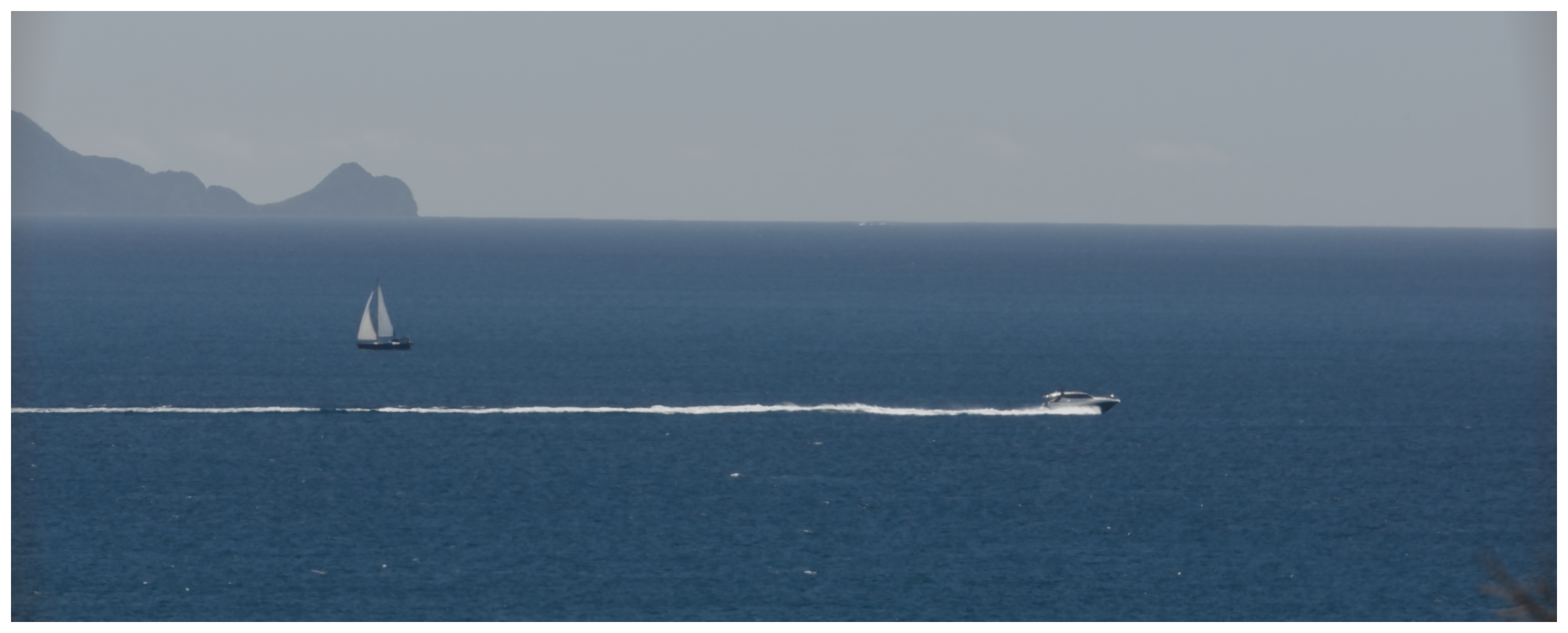
  • Scene from Coastal North Shore, Auckland, New Zealand

    Lumix GF1

    The Ocean

    The Ocean has its silent caves,
    Deep, quiet, and alone;
    Though there be fury on the waves,
    Beneath them there is none.

    The awful spirits of the deep
    Hold their communion there;
    And there are those for whom we weep,
    The young, the bright, the fair.

    Calmly the wearied seamen rest
    Beneath their own blue sea.
    The ocean solitudes are blest,
    For there is purity.

    The earth has guilt, the earth has care,
    Unquiet are its graves;
    But peaceful sleep is ever there,
    Beneath the dark blue waves.

    NATHANIEL HAWTHORNE – 1825

  • “Water is life’s matter and matrix, mother and medium. There is no life without water.” – Albert Szent-Györgyi, M.D.

    I can’t imagine living in an area where water is not abundantly surrounding me – be it in rivers, lakes or the ocean. Having it coming out the tap is pretty changing for humanity too!

    Revisiting the walk to Kitekite Falls the other day, we see the water loaded from the mountain streams, amalgamating into rivers and as above, occasionally tumbling off cliff edges.

    Flowing from the waterfall, back into a river and finally finding the mouth to the ocean.

    We take water for granted – and really notice quick when it does not flow so easily. Only about 2.5% of all the earths water is fresh, and this is reducing with climate change. We can desalinate (as some countries and towns already do), but that takes a lot of energy.

    “Water is the engine of all nature.” – Leonardo da Vinci

    Leonardo and Albert (above) are pretty bang on. It’s a precious thing that humanity is inherently tied to forever. We just need to take care of it.

    Footnote – As mentioned in the image. Image 1 is edited and altered. It was a super busy day at the falls with dozens of people there. Just for a little experimentation, I played around with removing some of the audience and swimmers, leaving the one person in solitude to take in the beauty of Kitekite Falls.

    Final note – Haha! its 2026… not 2025 as edited on the photos. Silly me!