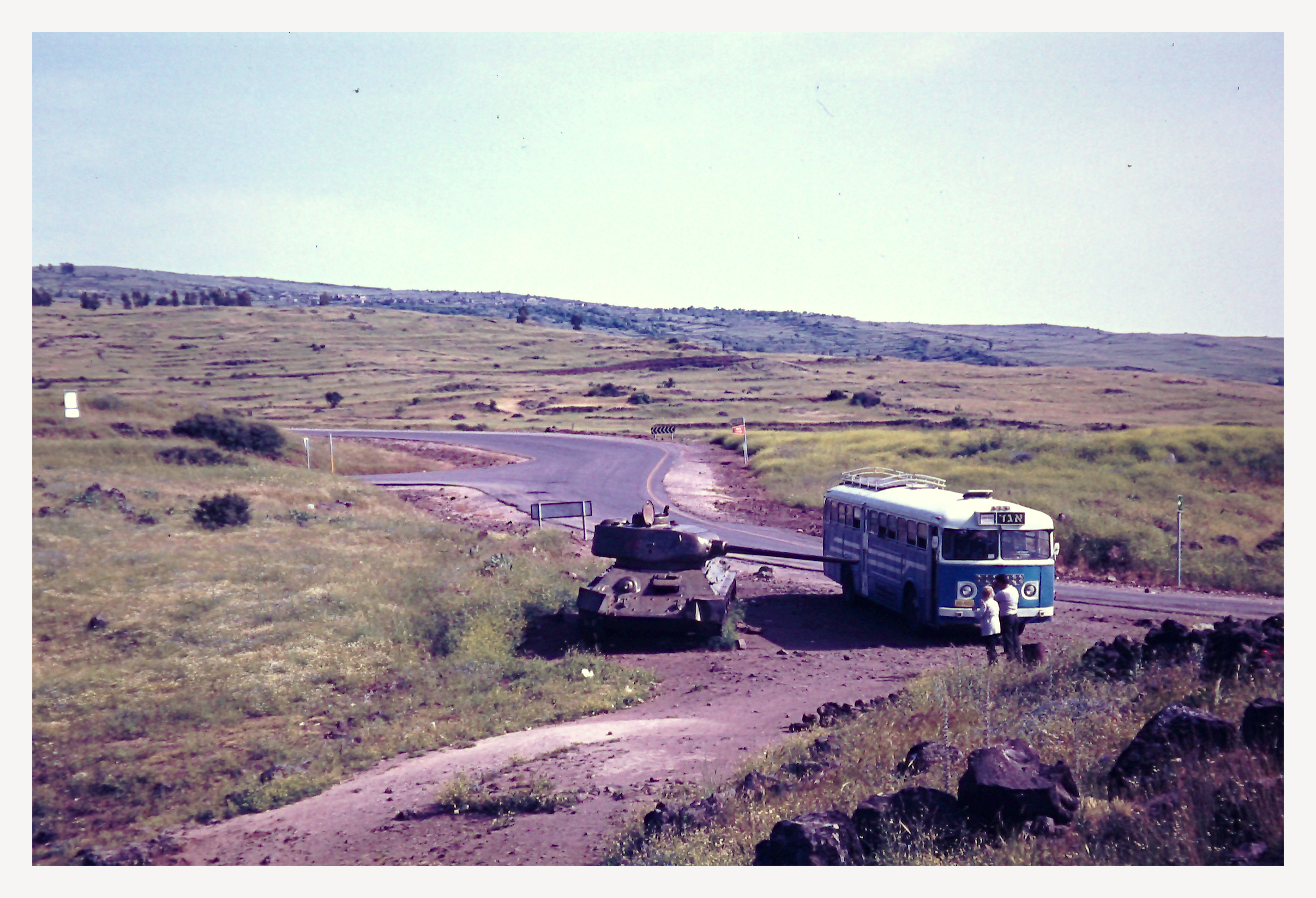
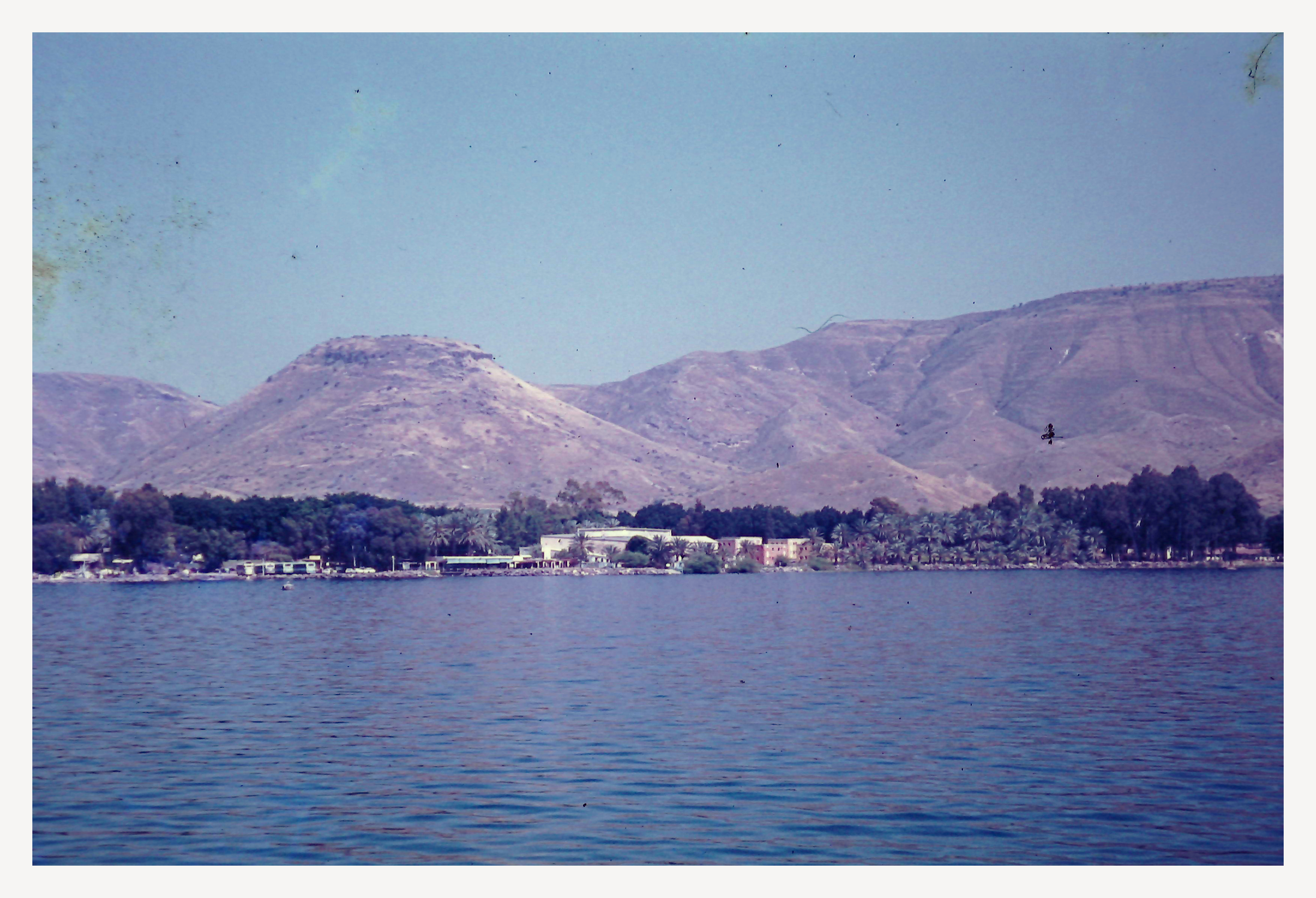
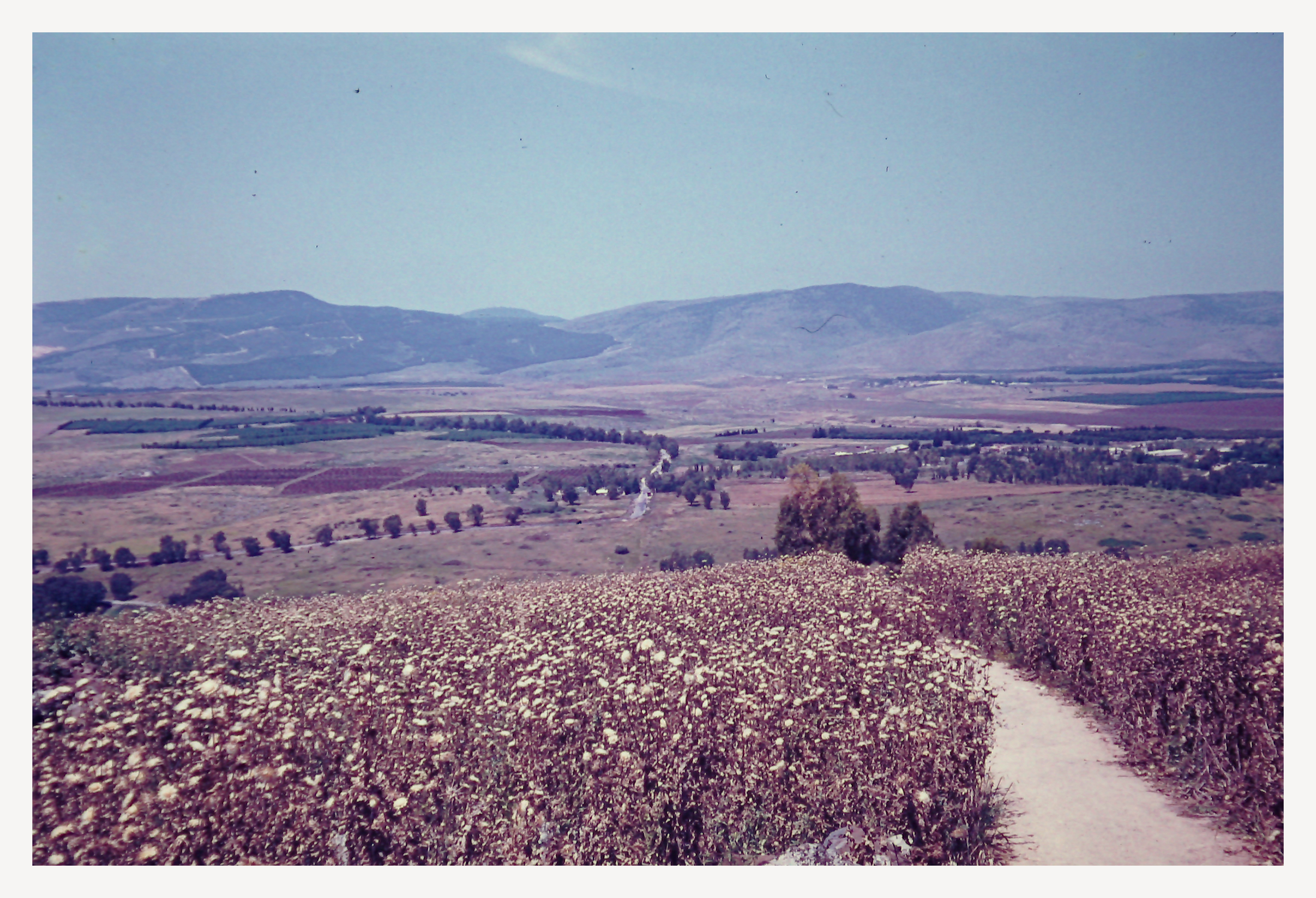
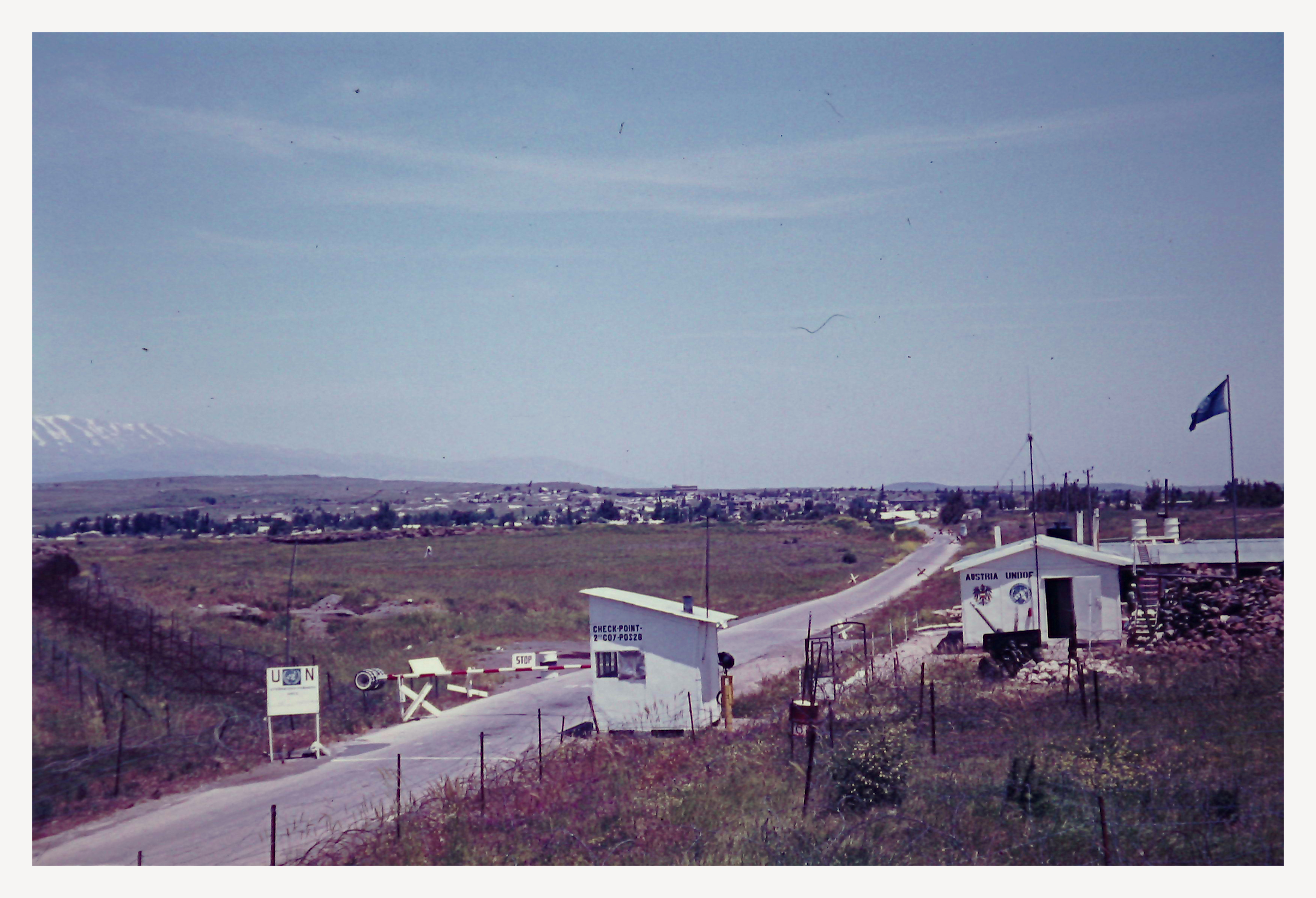
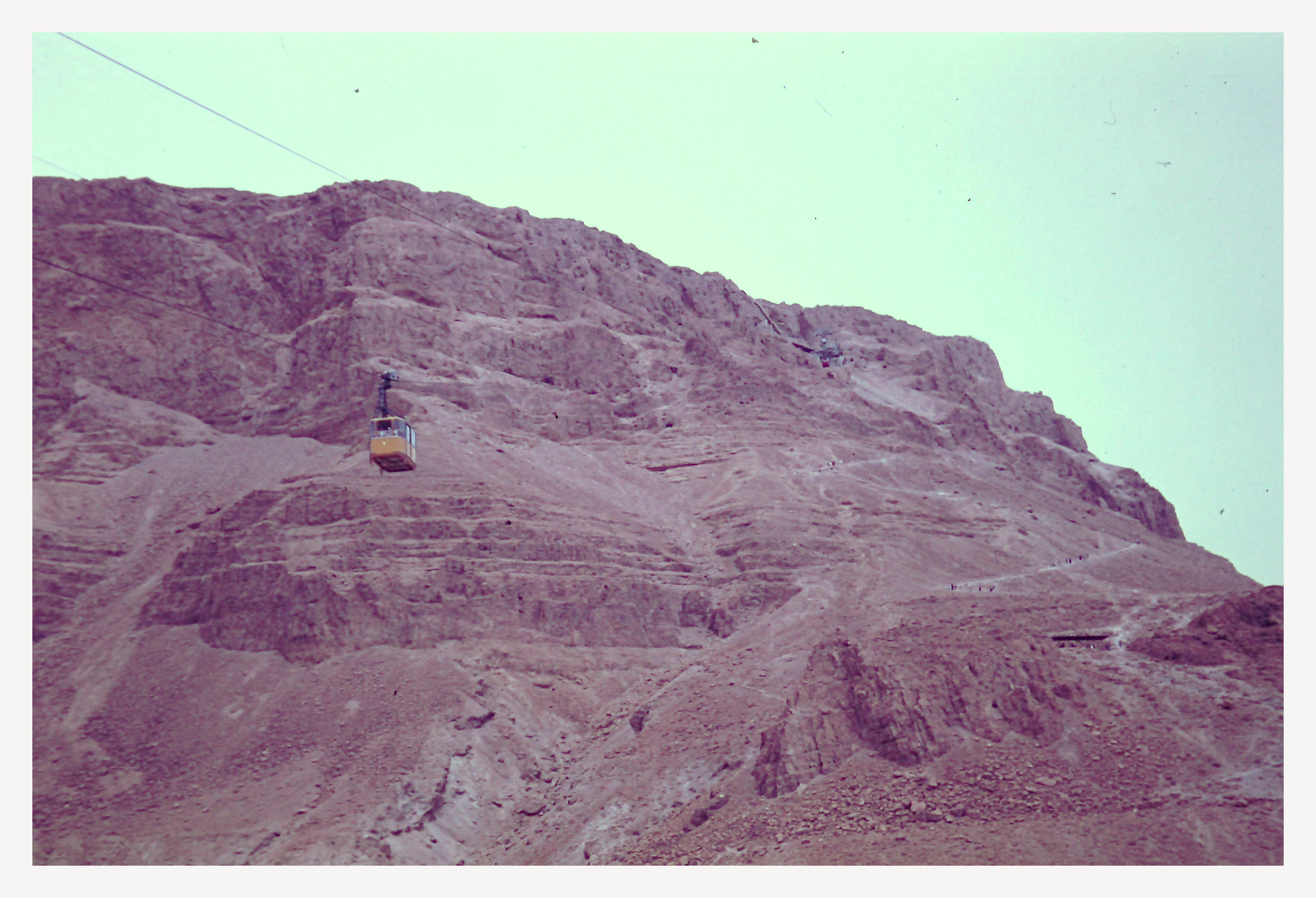
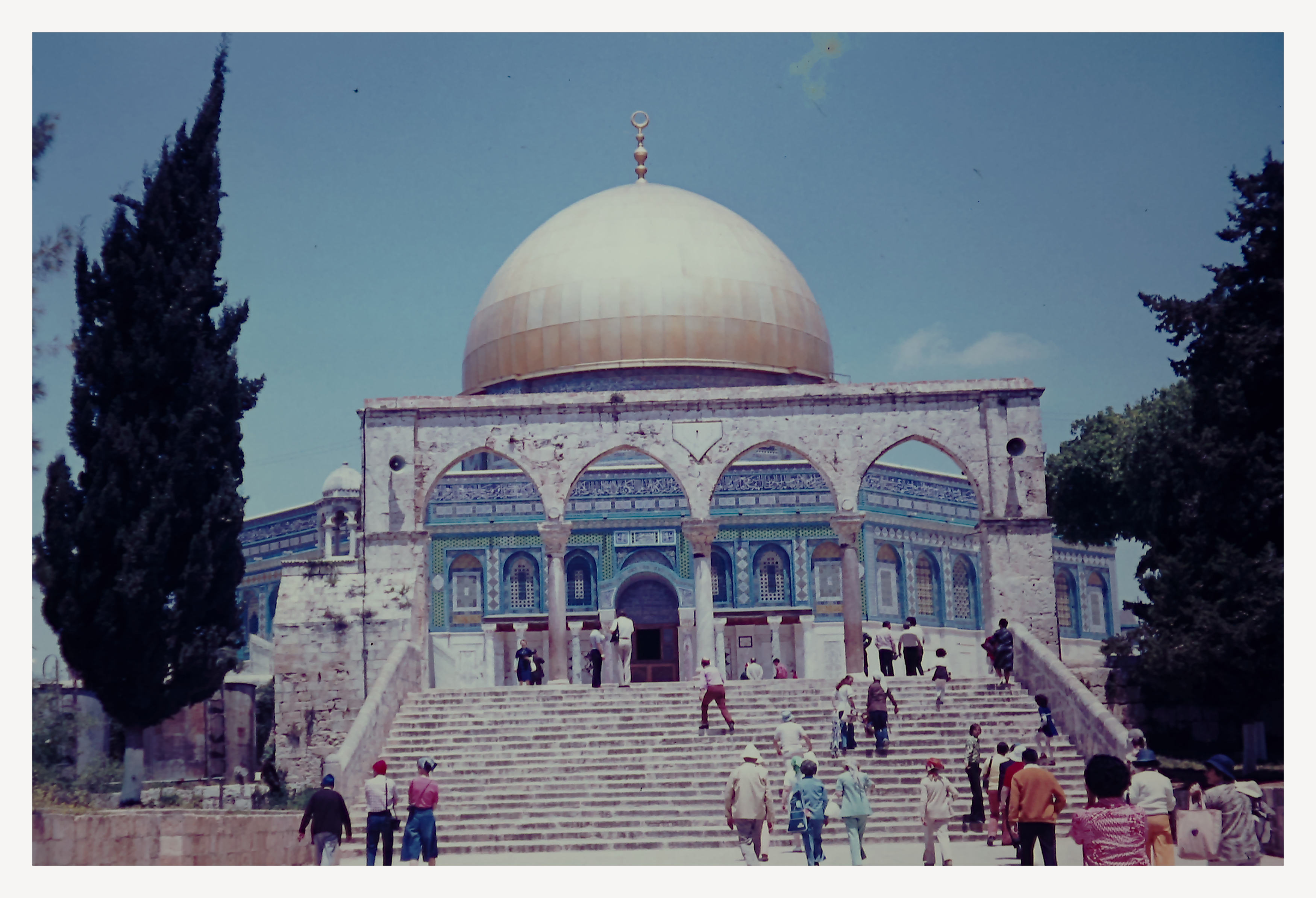
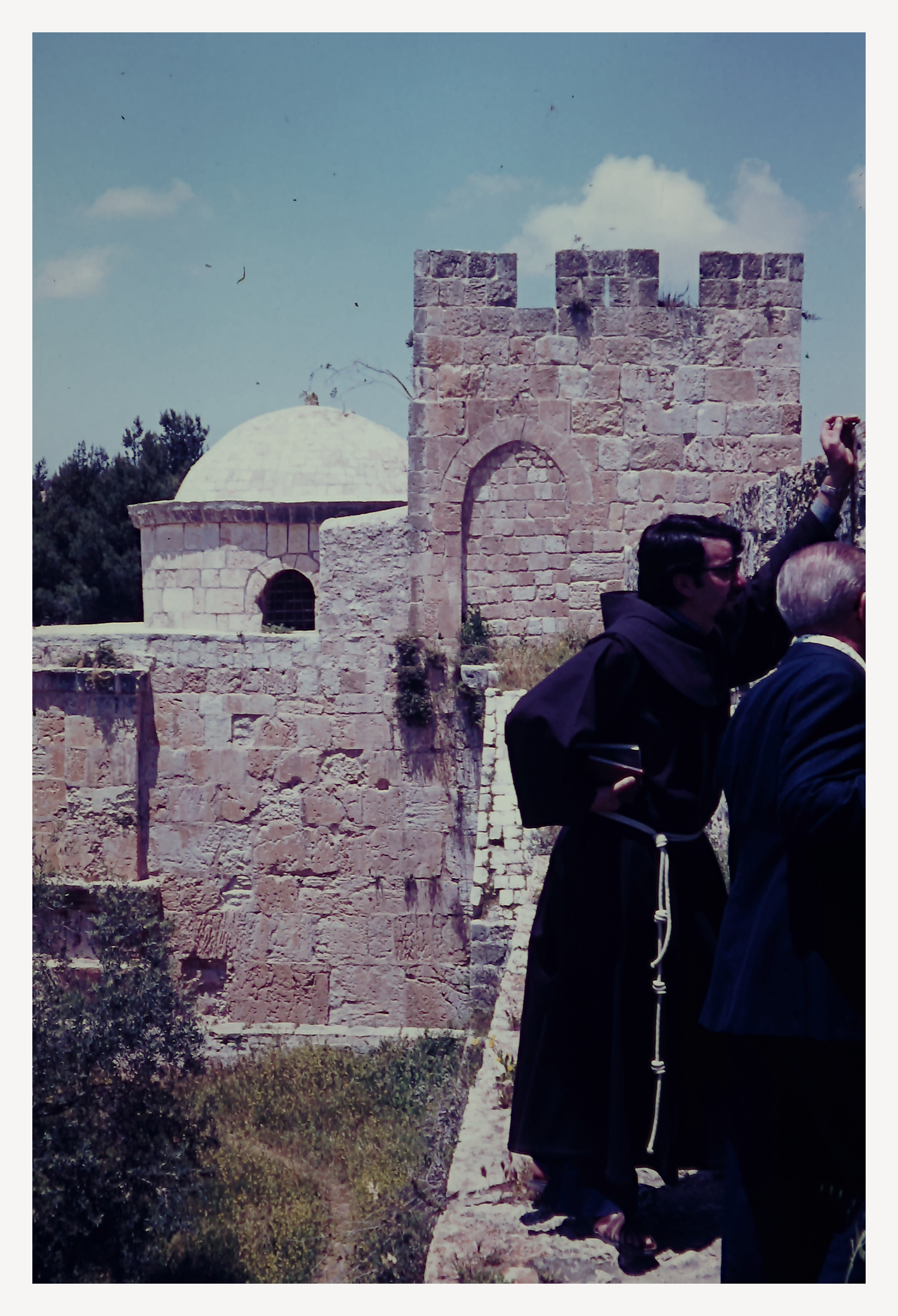
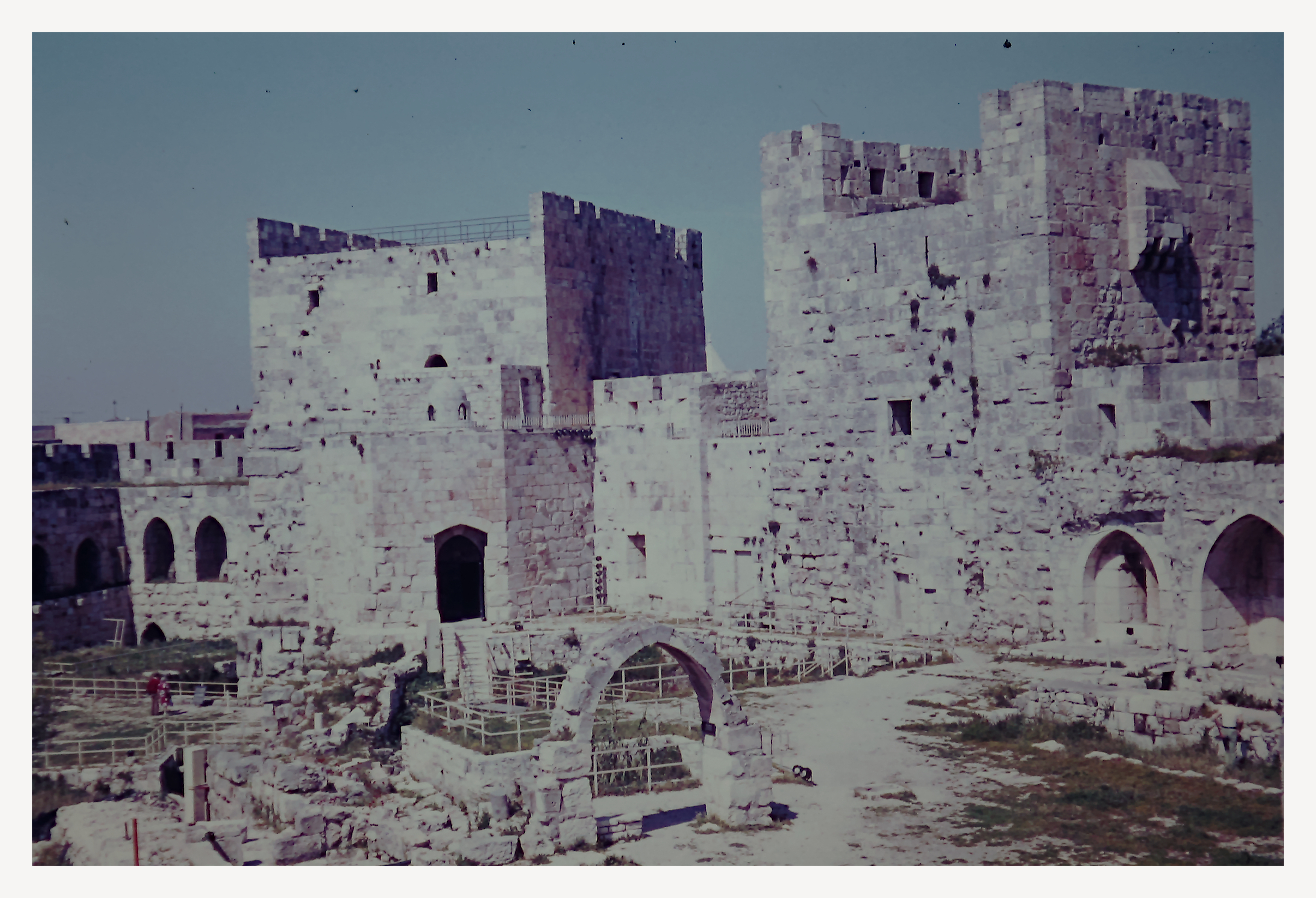
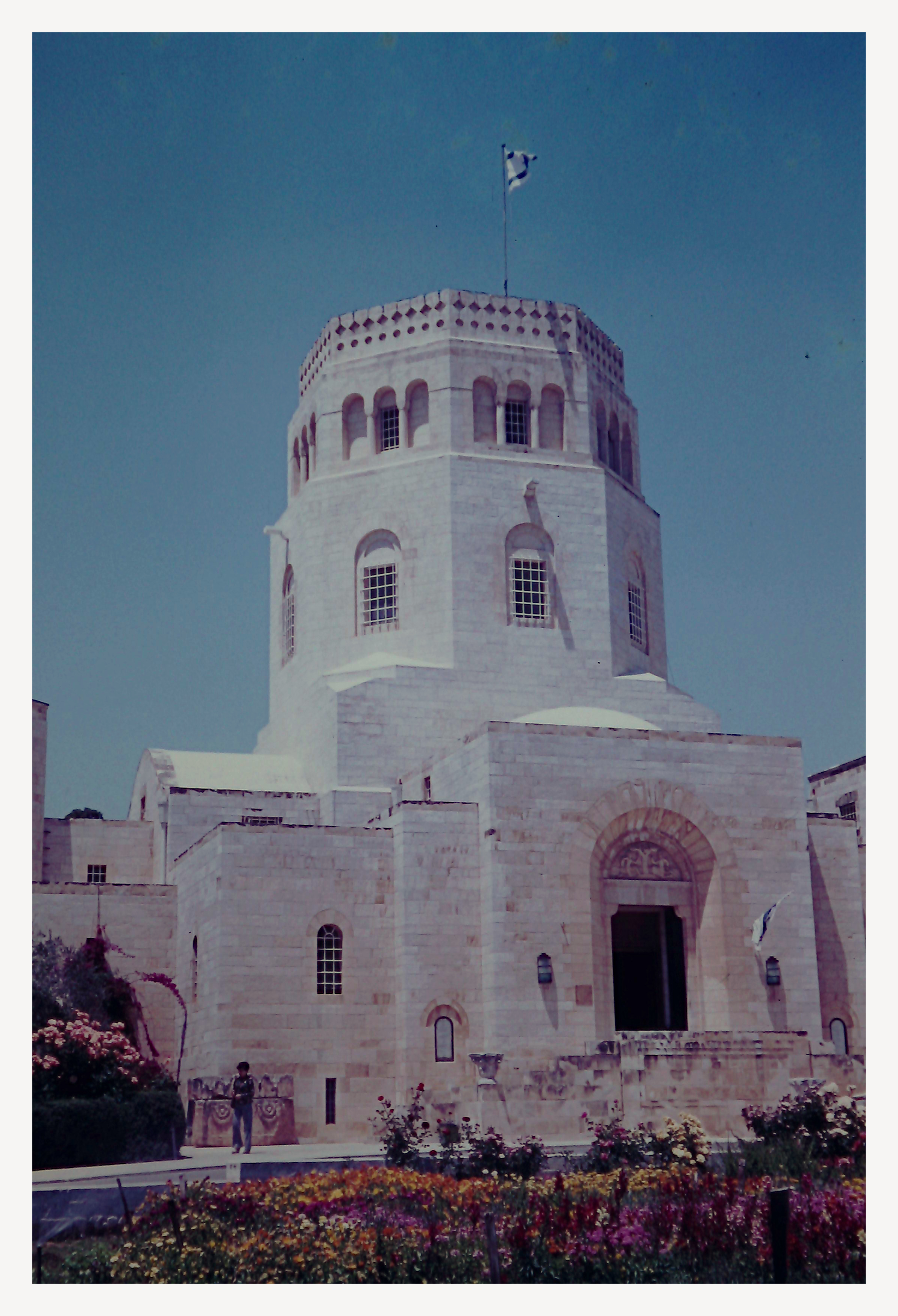
Today’s “through someone’s vintage eyes” takes us to Iran and Israel. Shot by the same unknown photographer as my Hong Kong series, we drop into some of the oldest cityscape on this planet, and view some sights before some of the areas have seen more modernisation. Im estimating, like Hong Kong, these are 1960’s era approximately. The only indicating giveaways I can see are the cars – none specifically models I can date without any real digging online. Perhaps some key buildings or the cable car/tram might be a giveaway for some readers?
I also don’t have any real sense of geography for the areas. Ive not travelled to that part of the world. This combined with the fact that these photo collections were incomplete and bar the main destinations, unlabelled, I have absolutely mixed up places and cities into the image decks displayed (they are out if order)
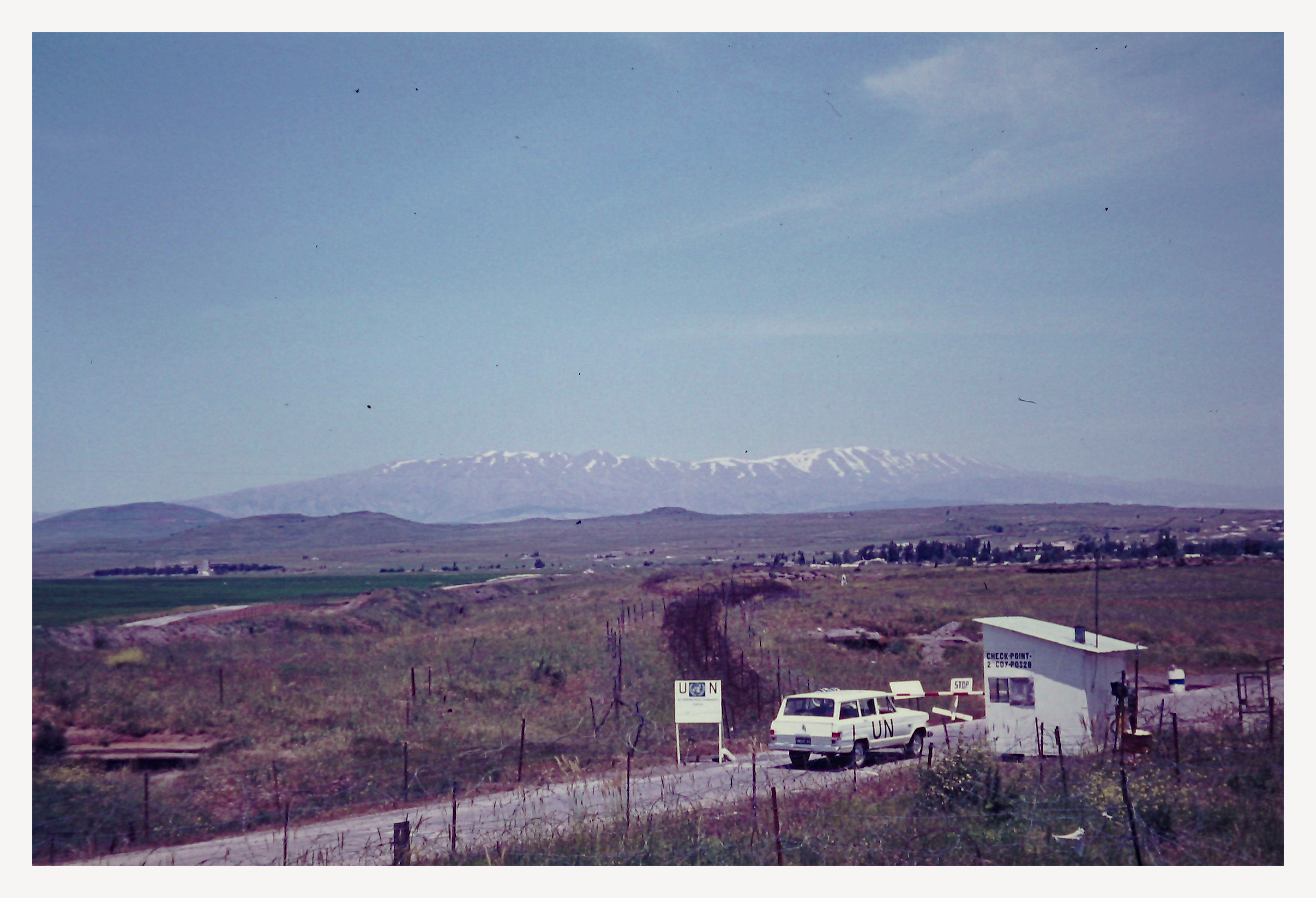
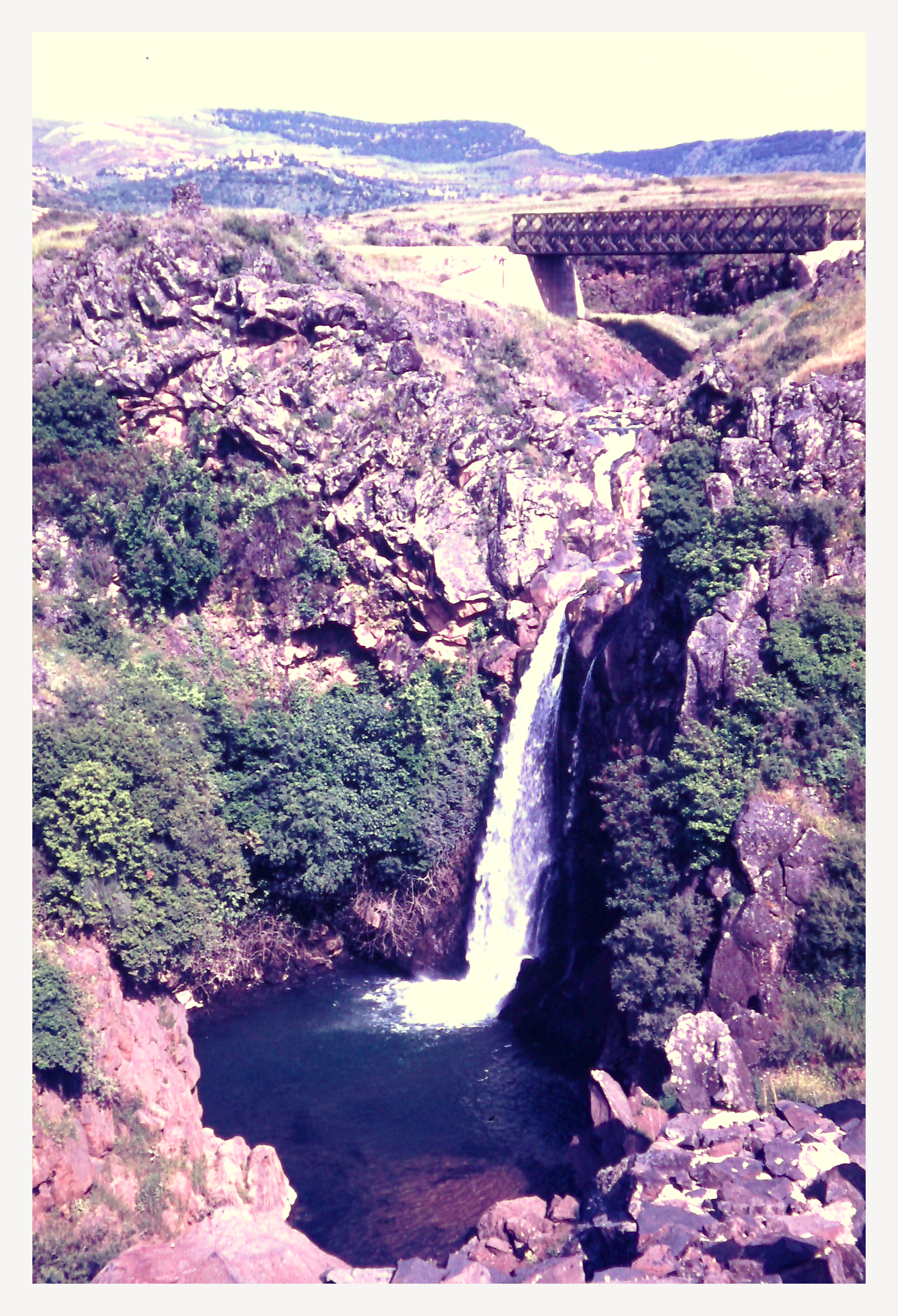
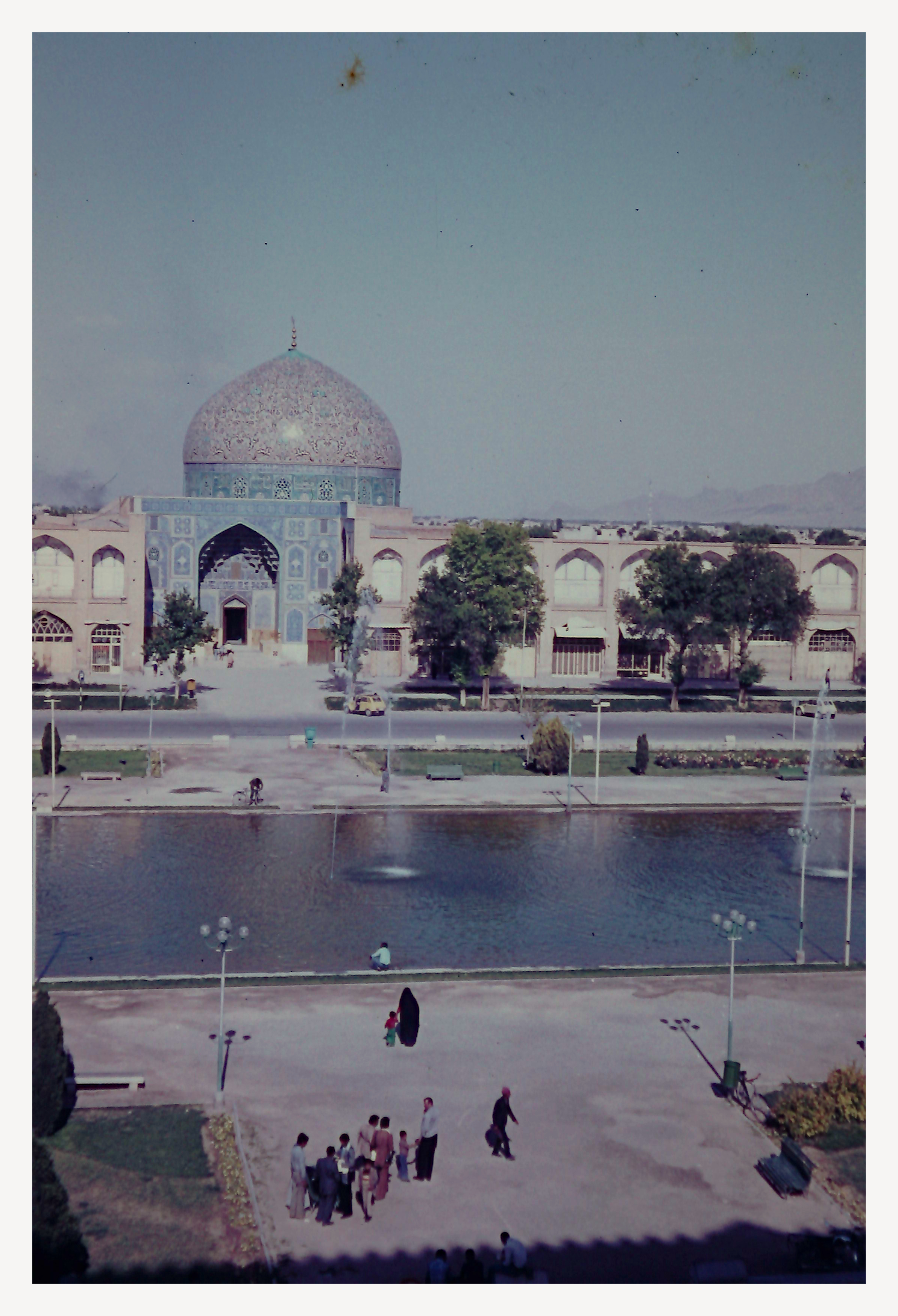
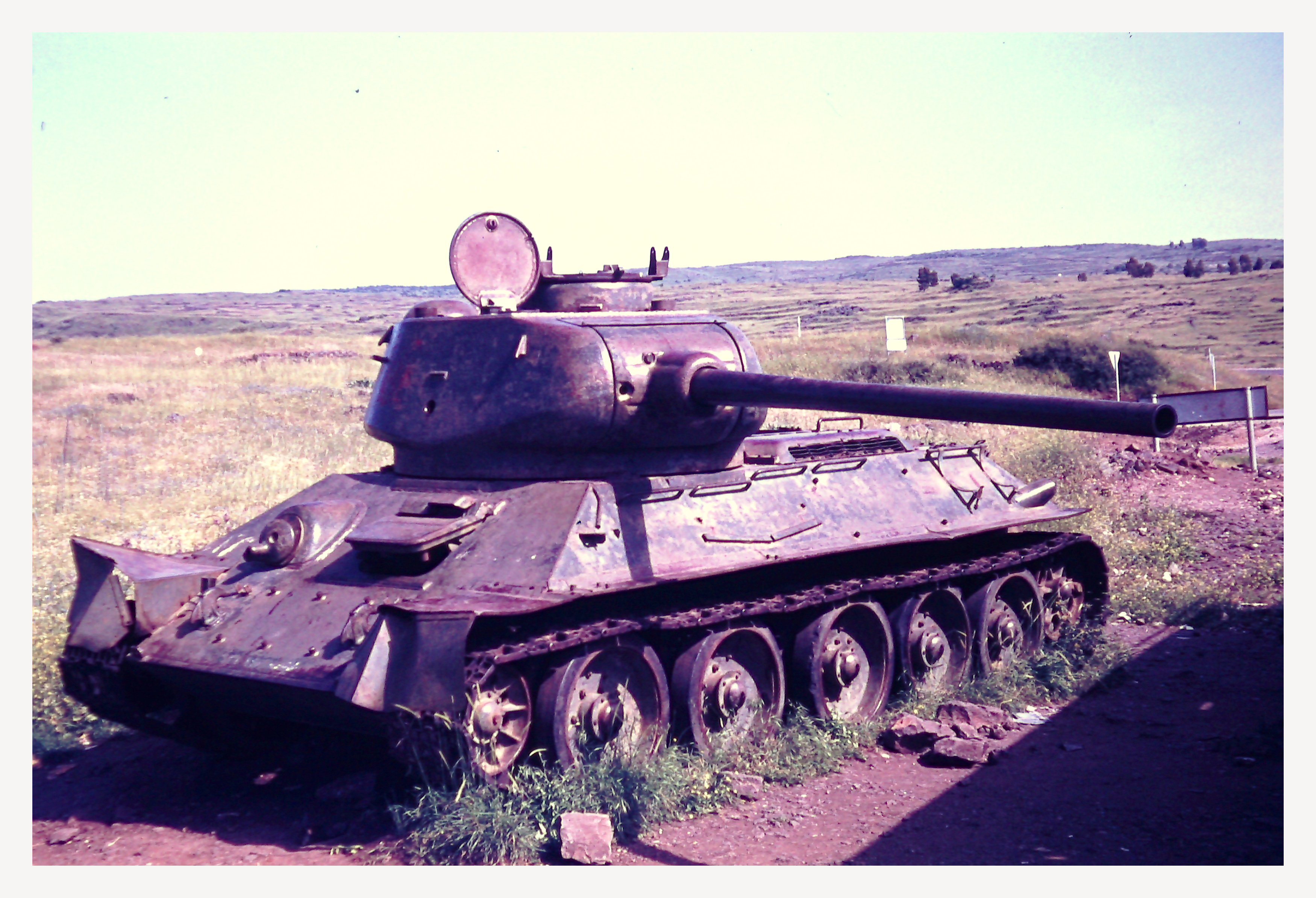
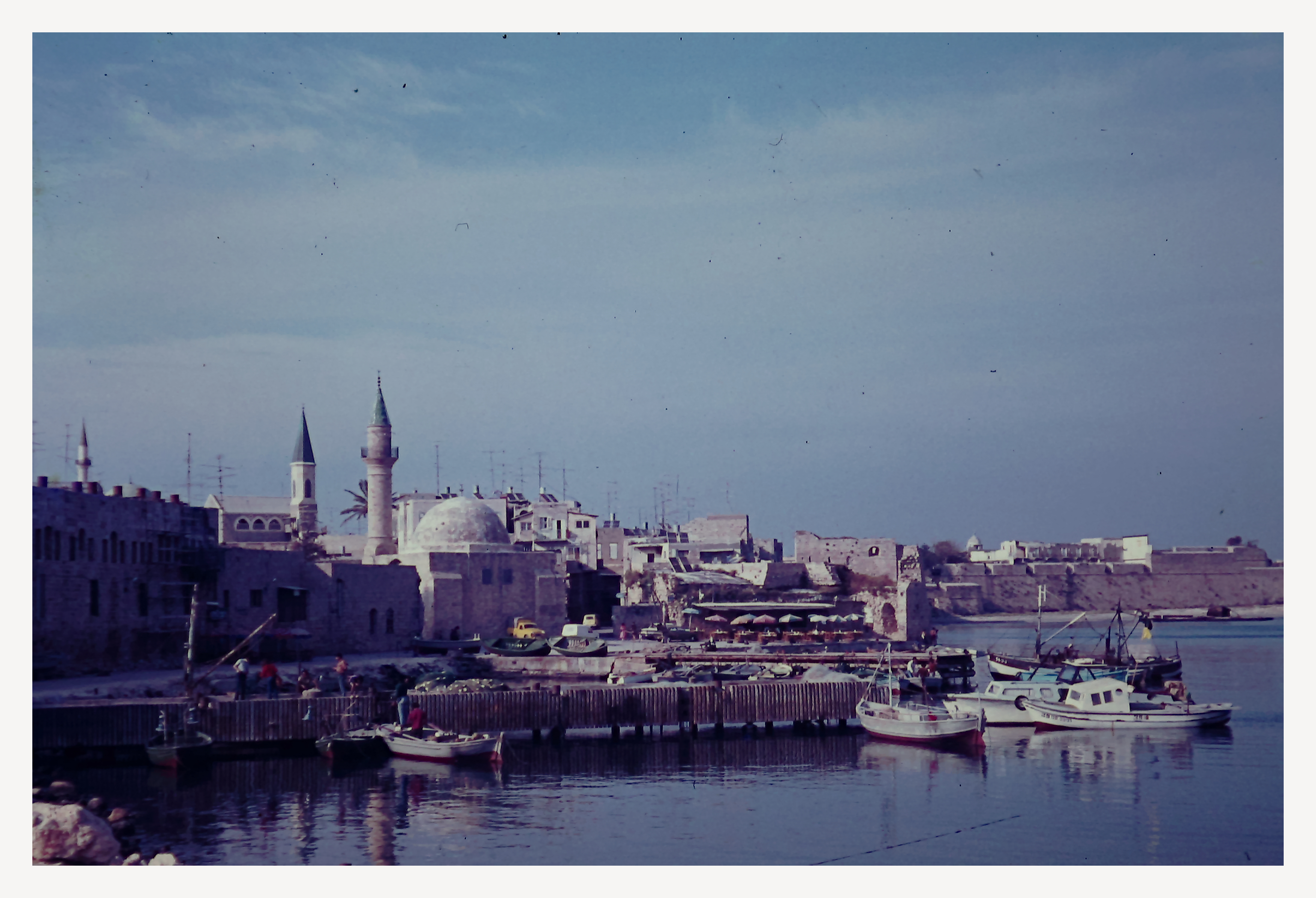
What I do know is that one area is Akko Israel. For some better known as Acre. To blatantly take googles summary or Akko: Acre (Akko) is a port city in northwest Israel, on the Mediterranean coast. It’s known for its well-preserved old city walls. In a tunnel in the walls is the Treasures in the Walls Ethnographic Museum, depicting daily life from the Ottoman times to the 20th century. The mosaic-covered Or Torah (Tunisian) Synagogue has 7 torah arks. The 18th-century Al-Jazzar Mosque has marble pillars and underground pools.
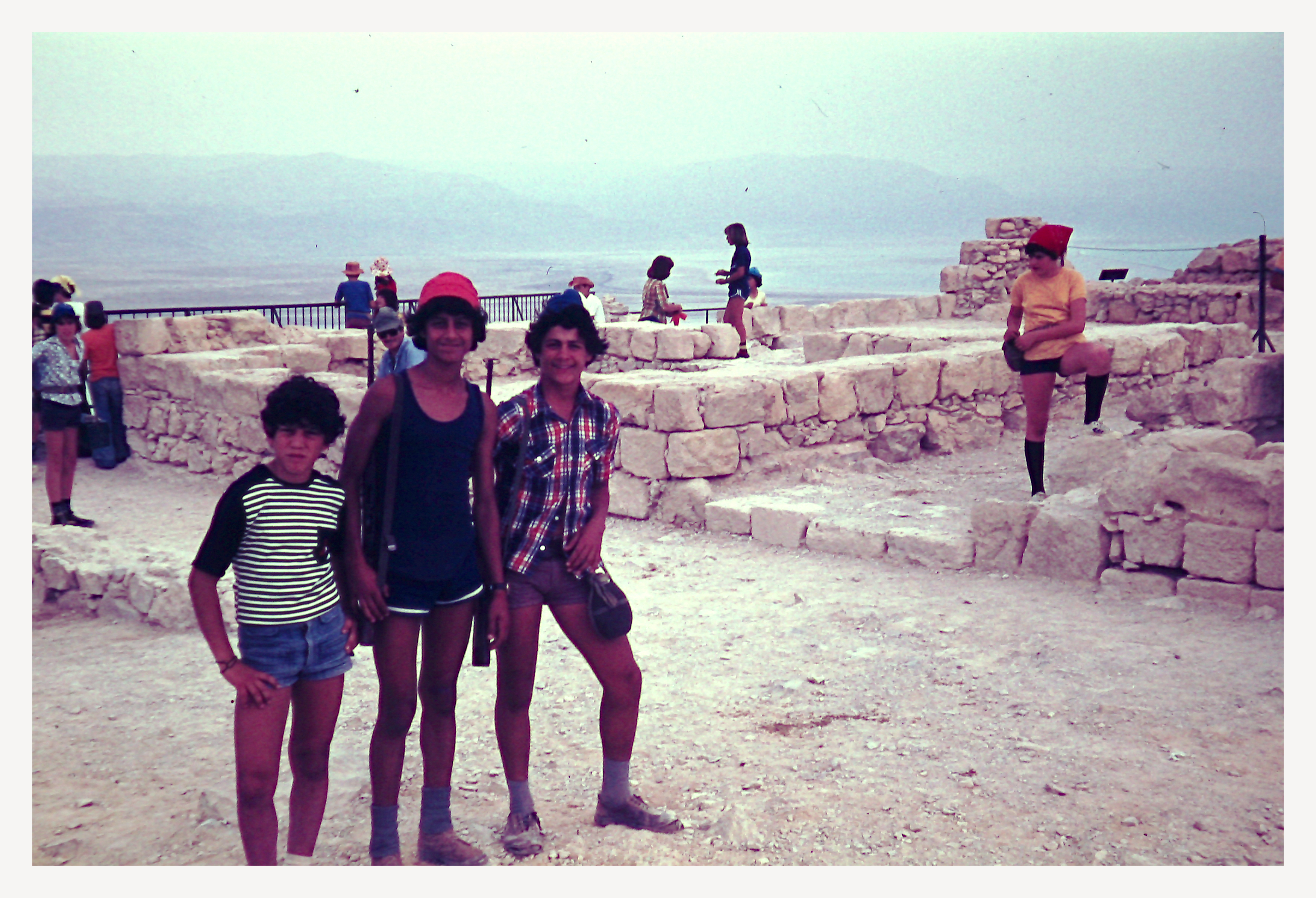
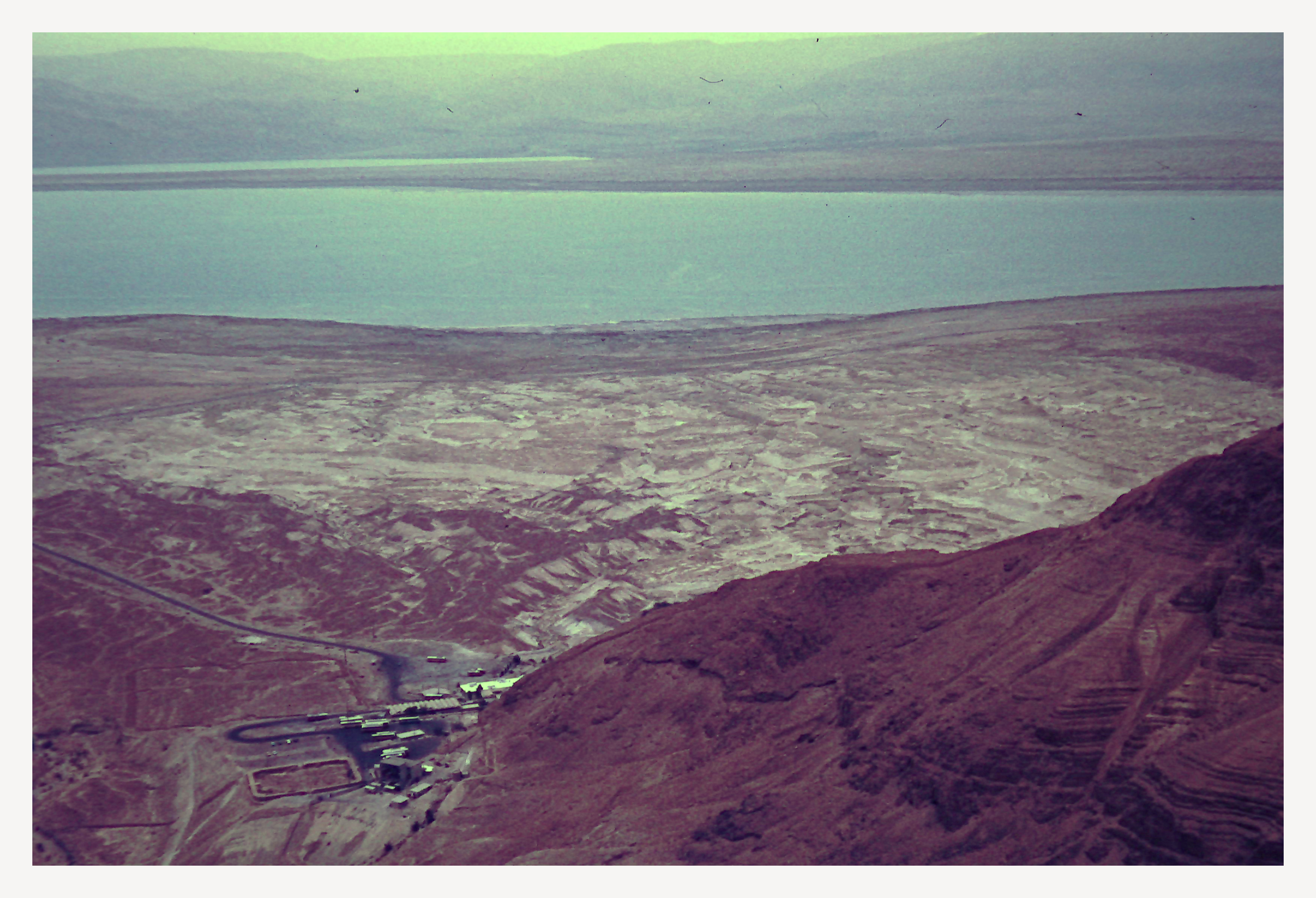
Also in Israel we have Jerusalem – I think the cablecar image is the Masada fortress here: Jerusalem is a city in the Southern Levant, on a plateau in the Judaean Mountains between the Mediterranean and the Dead Sea. It is one of the oldest cities in the world and is considered holy to the three major Abrahamic religions: Judaism, Christianity and Islam.
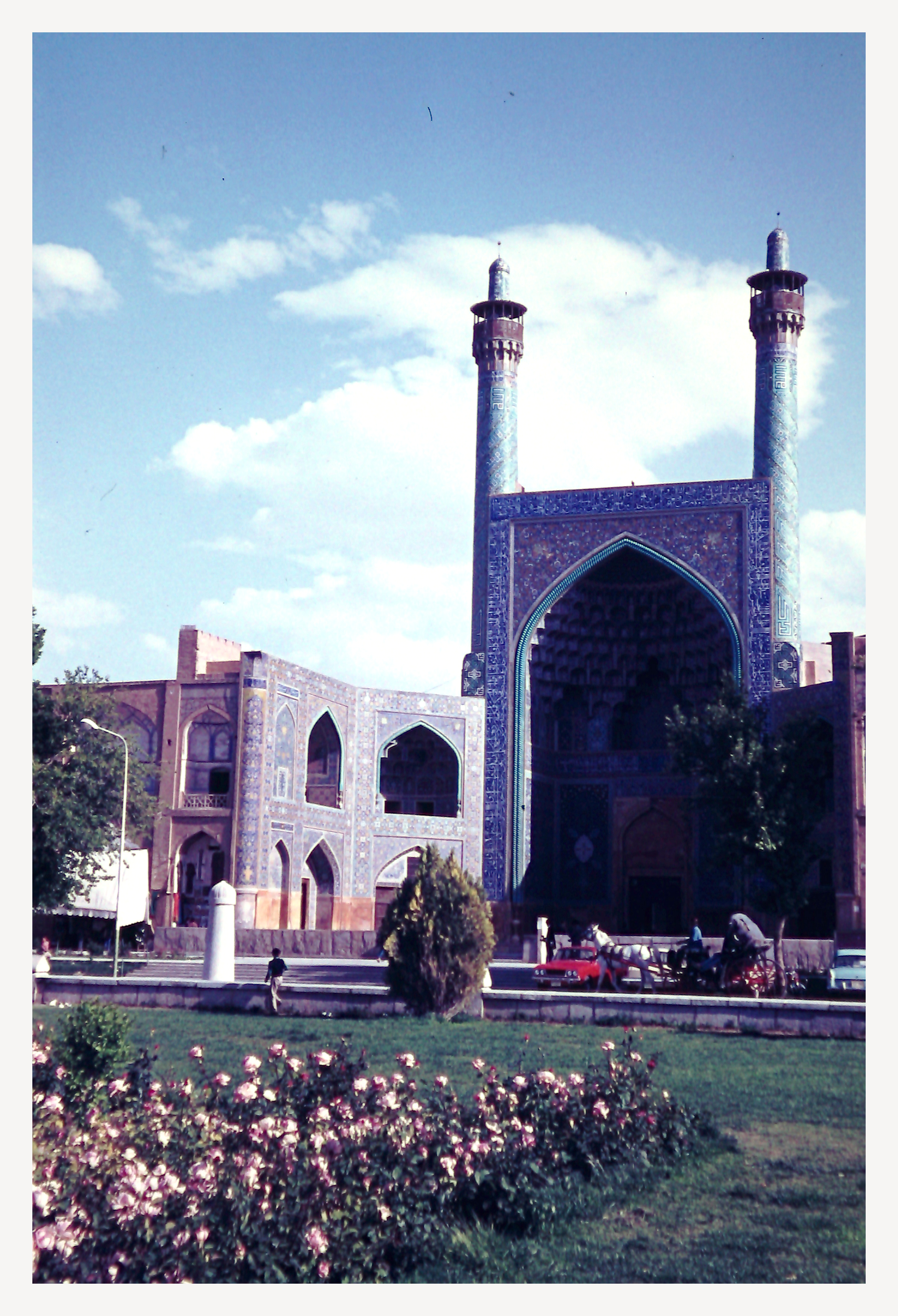
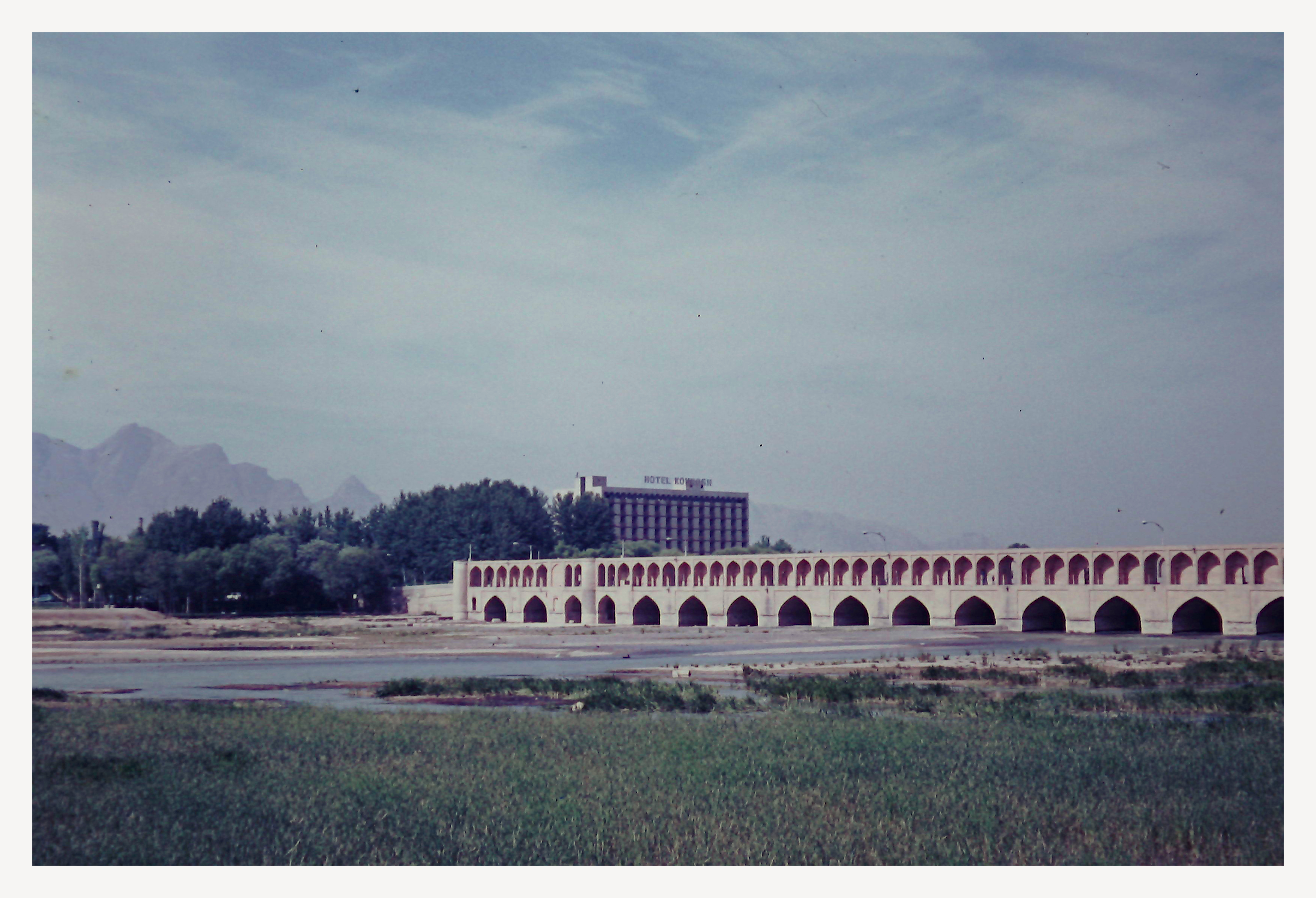
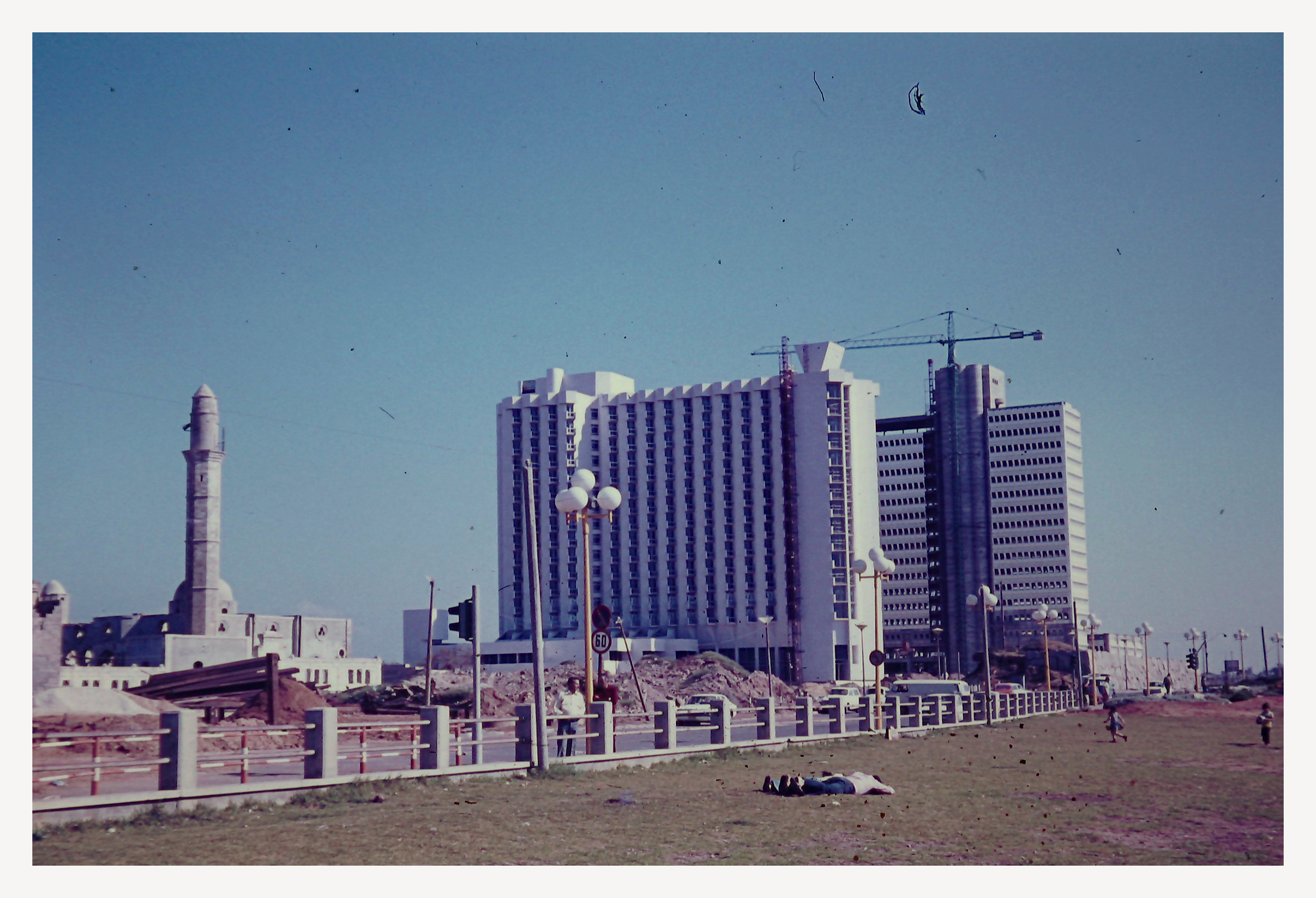
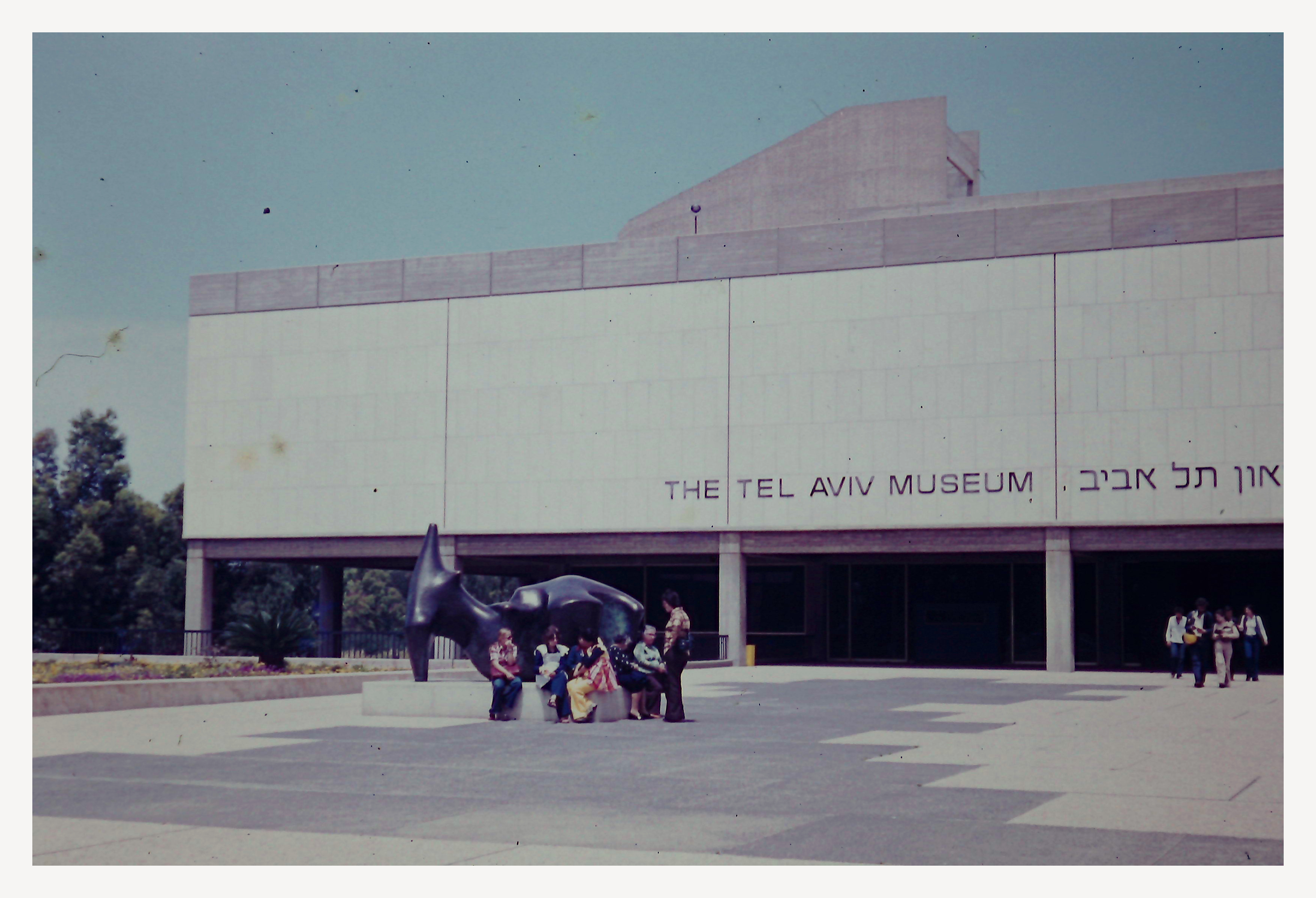
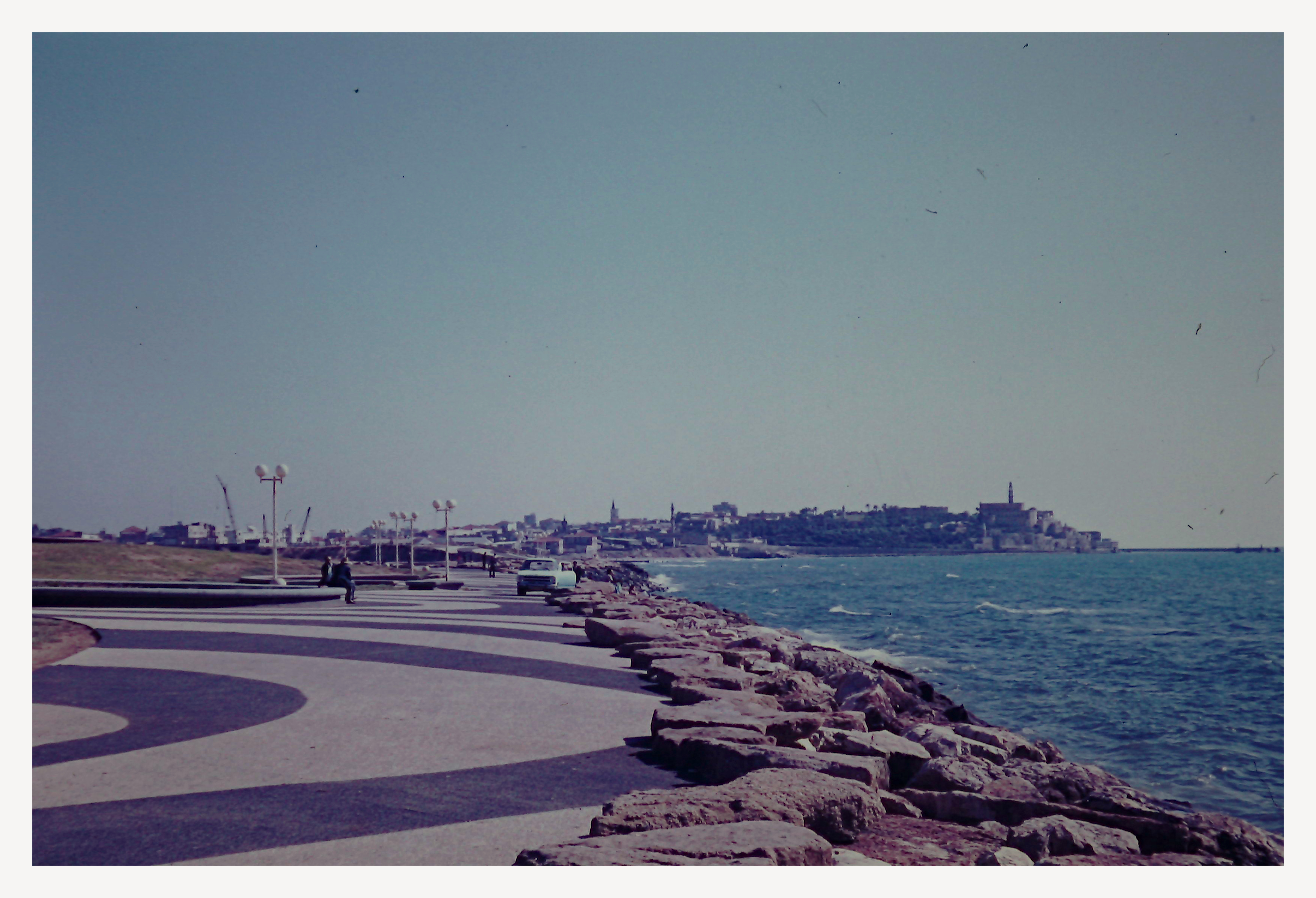
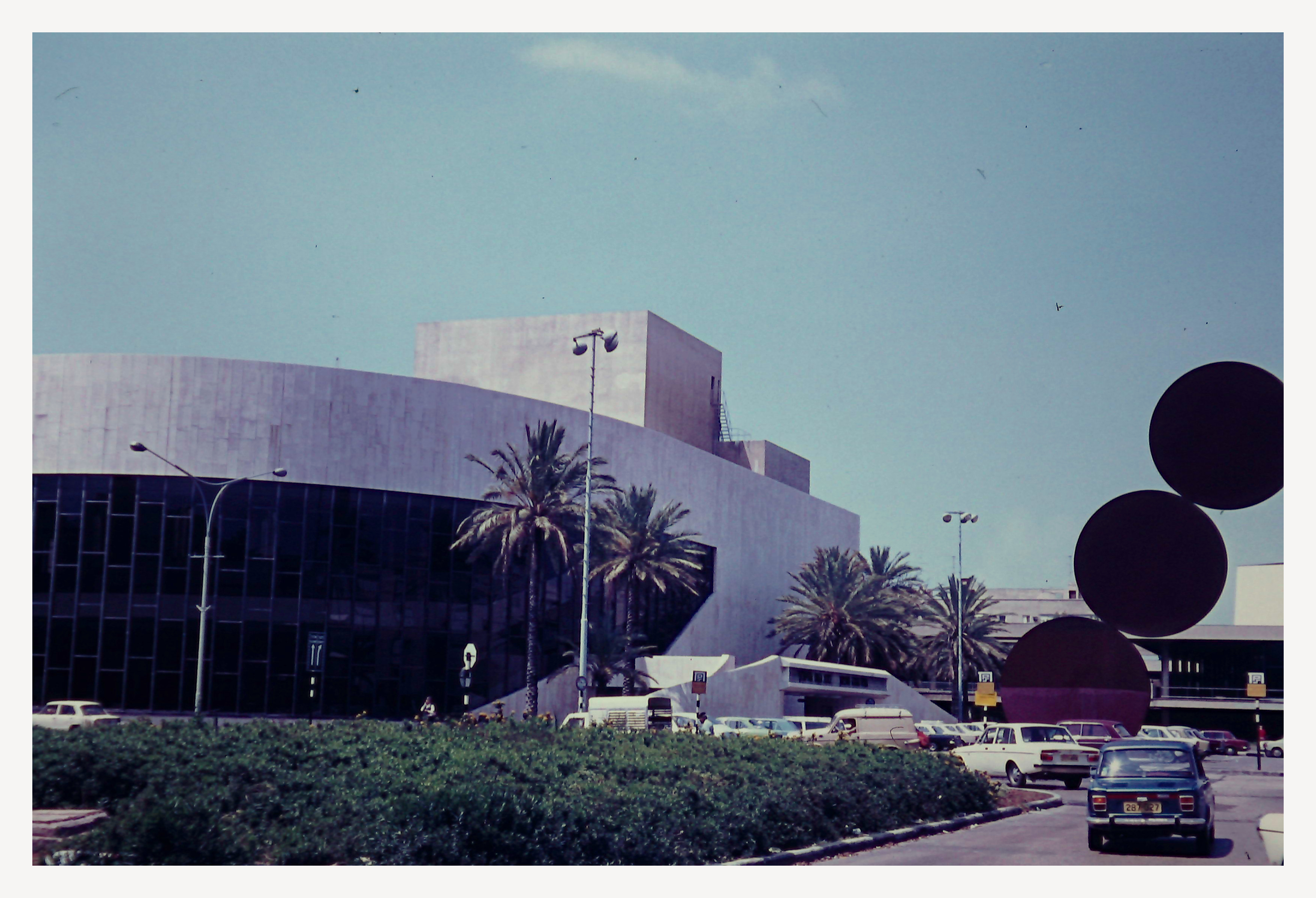
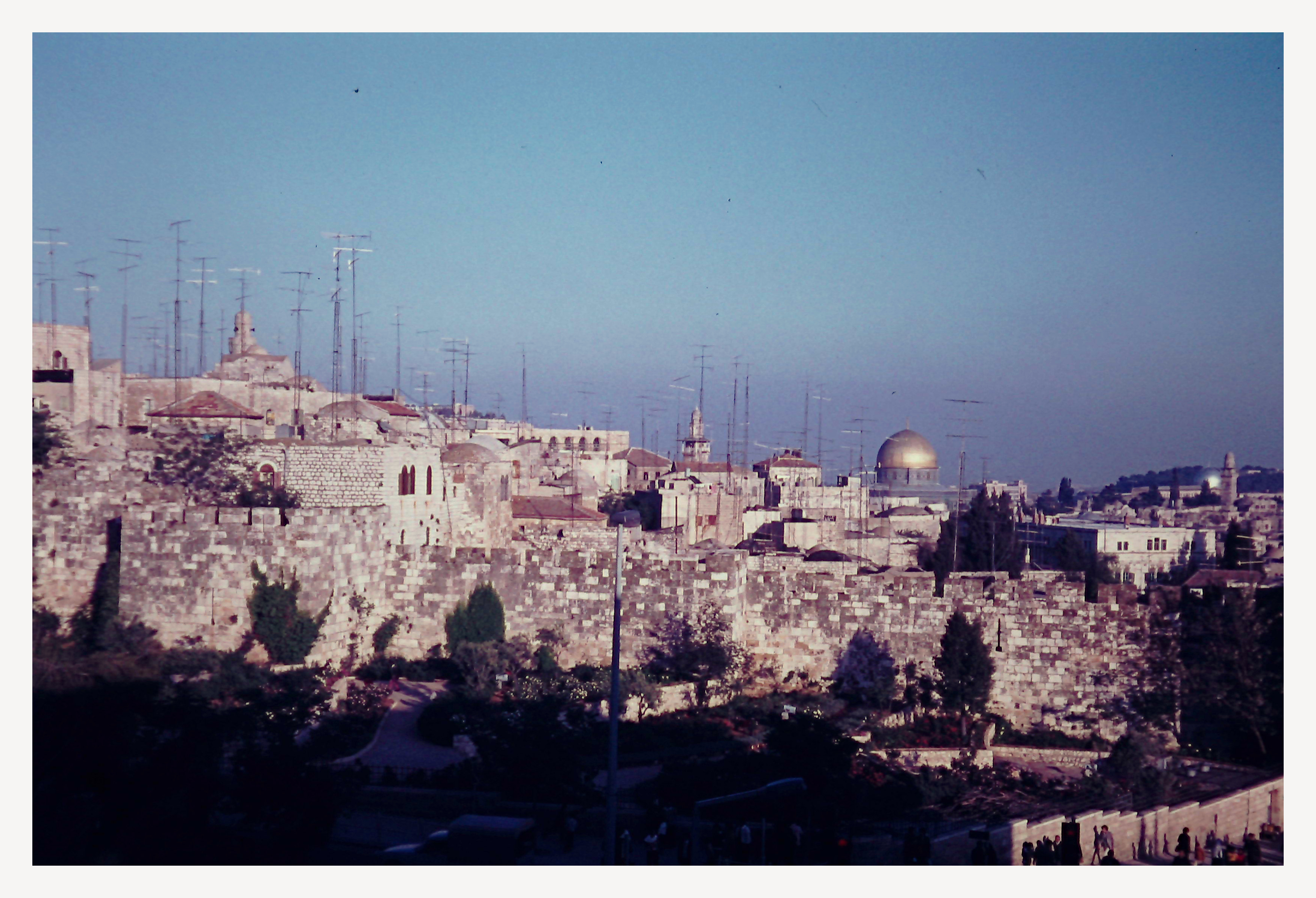
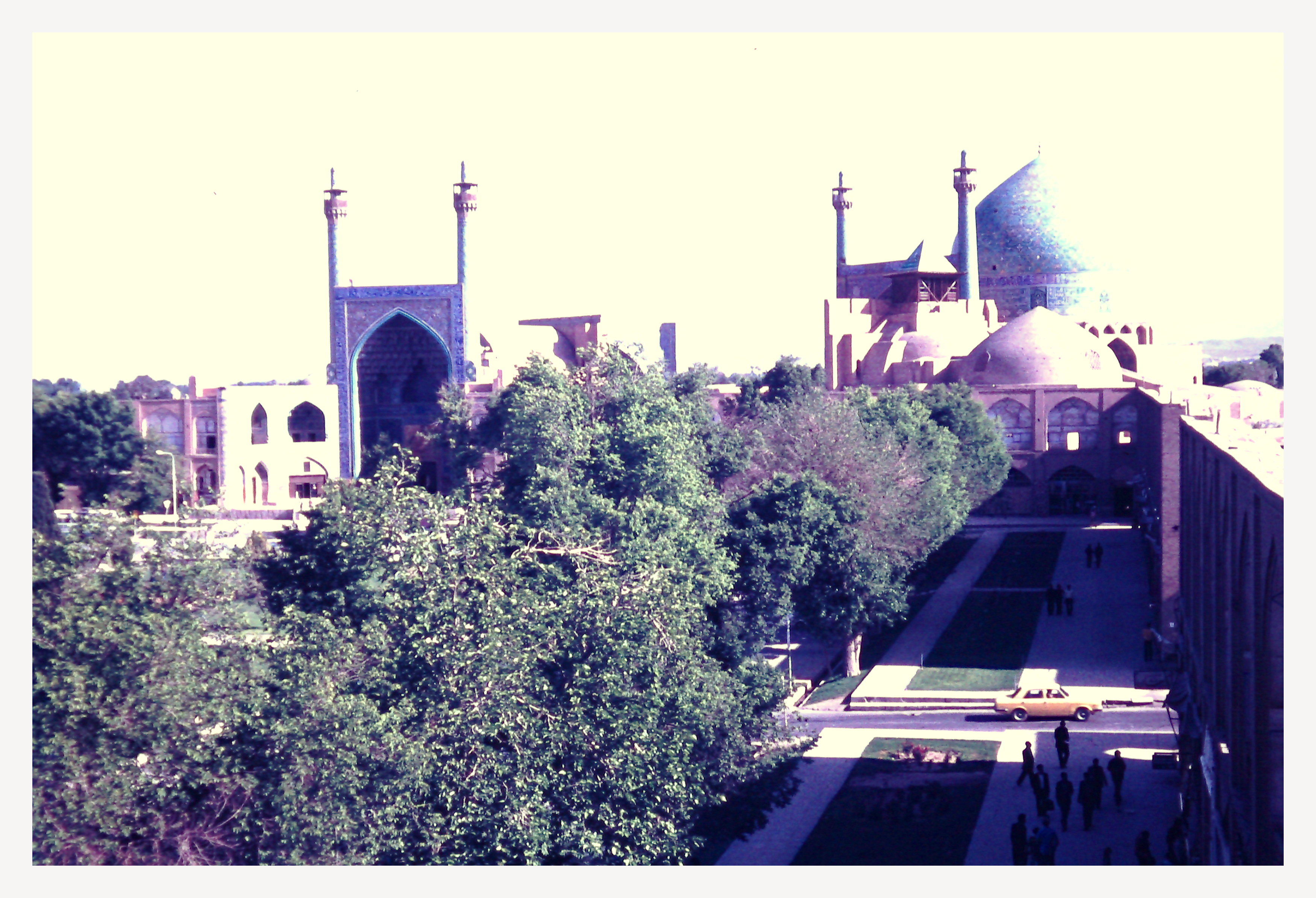
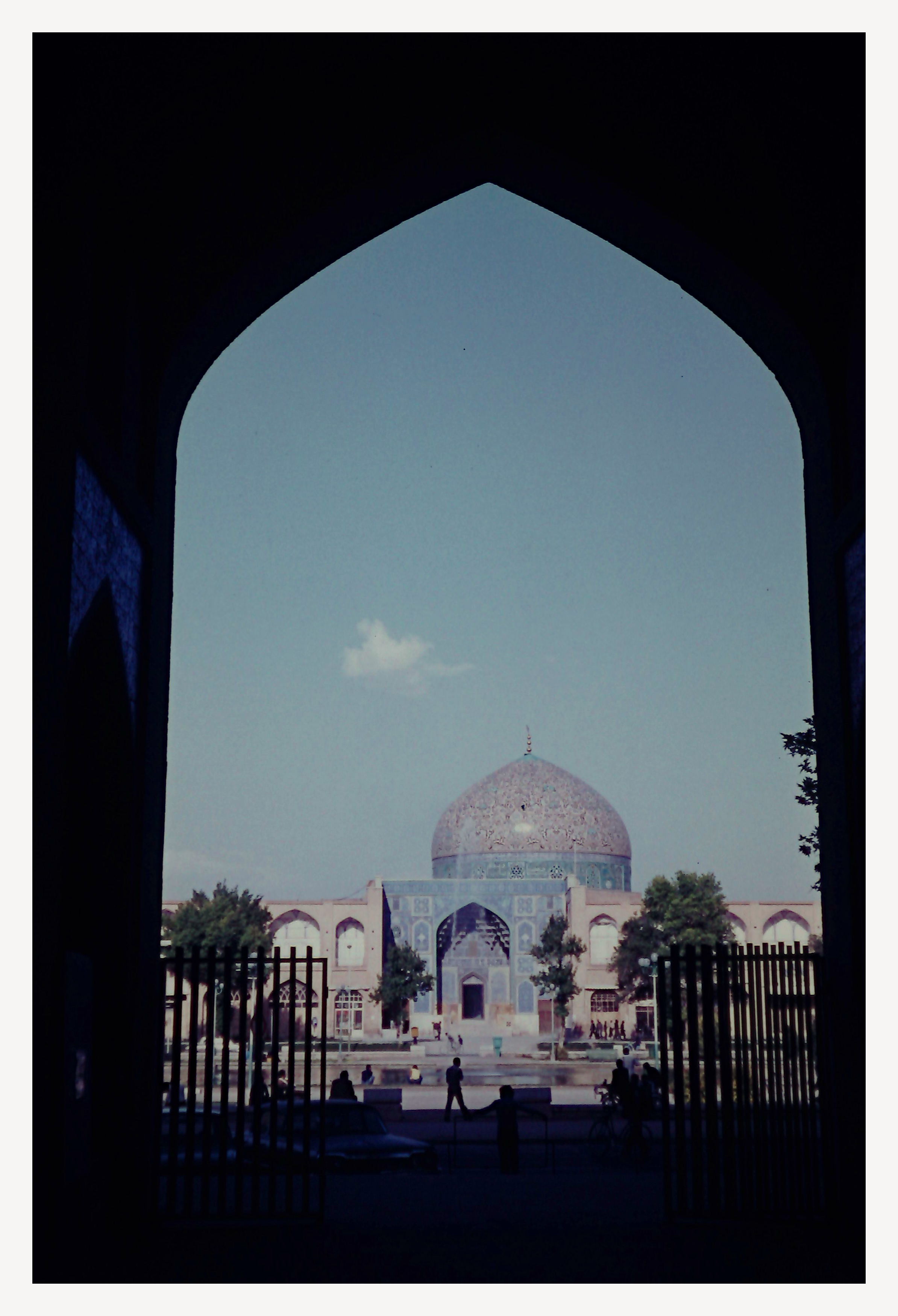
Isfahan in Iran is (I believe) the final destination of this collections journeys: Isfahan is a city in central Iran, known for its Persian architecture. In the huge Naqsh-e Jahan Square is the 17th-century Imam (Shah) Mosque, whose dome and minarets are covered with mosaic tiles and calligraphy. Ali Qapu Palace, built for Shah Abbas and completed in the late 16th century, has a music room and a verandah overlooking the square’s fountains. Sheikh Lotfollah Mosque is known for its intricate tiling.
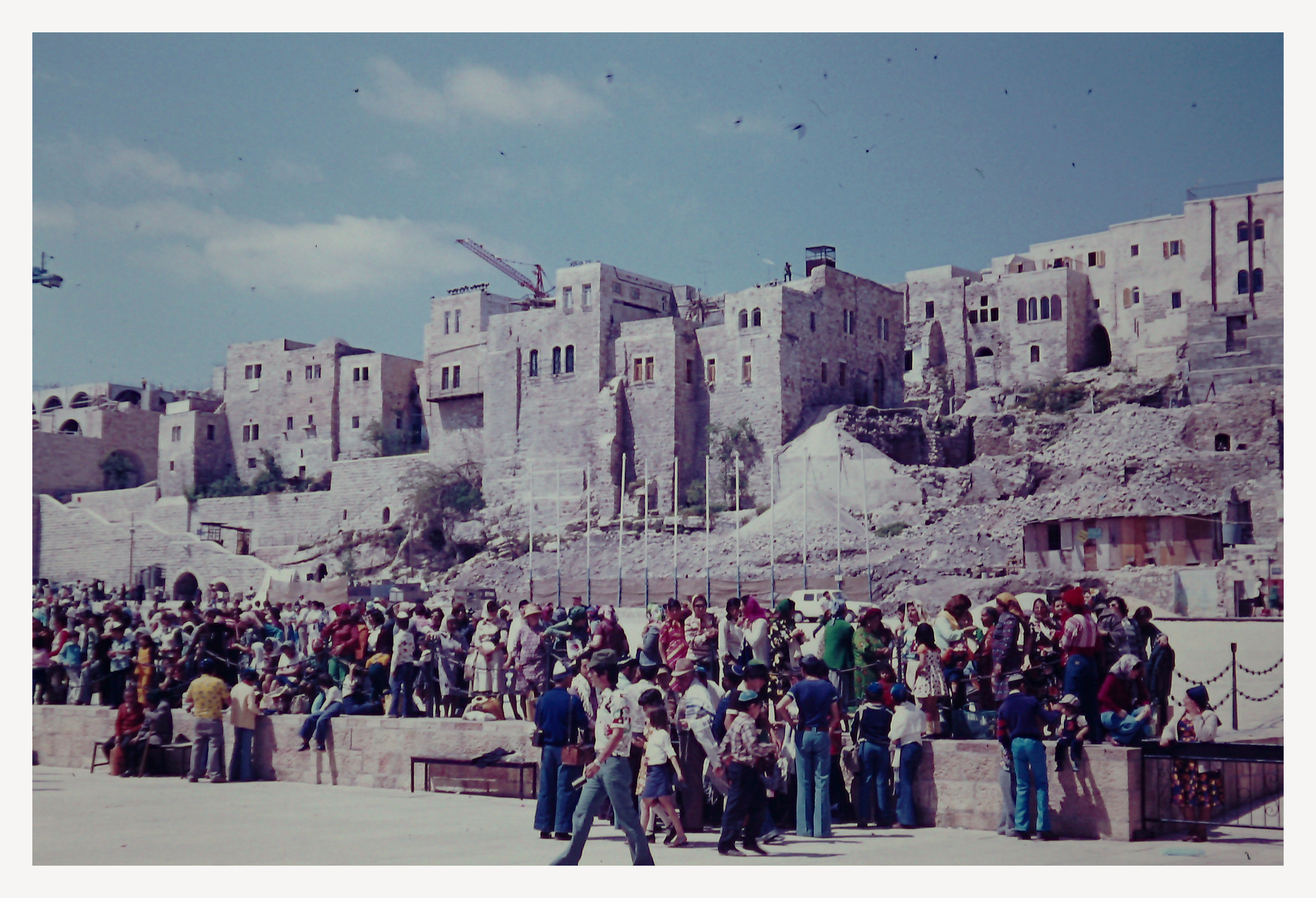
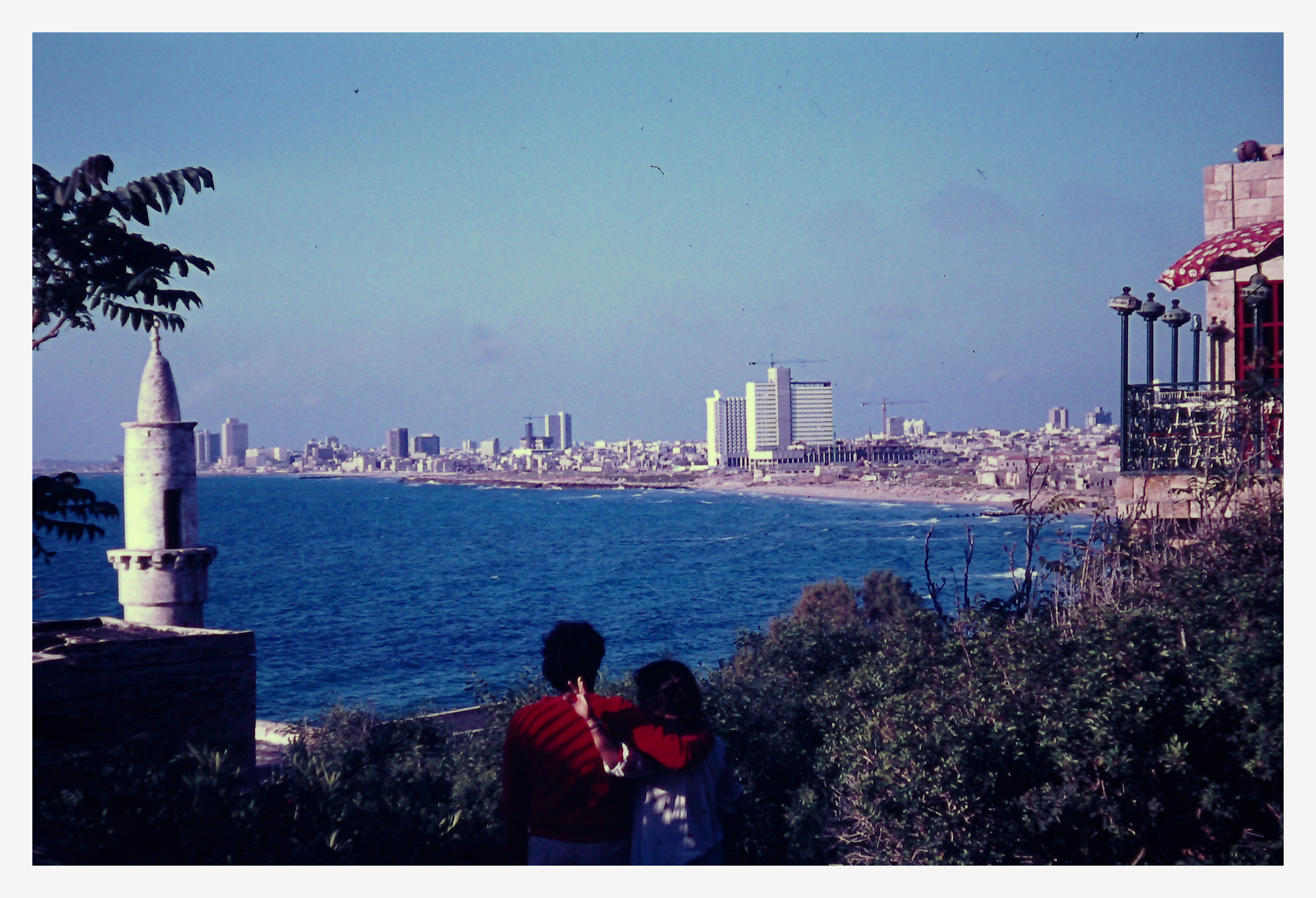
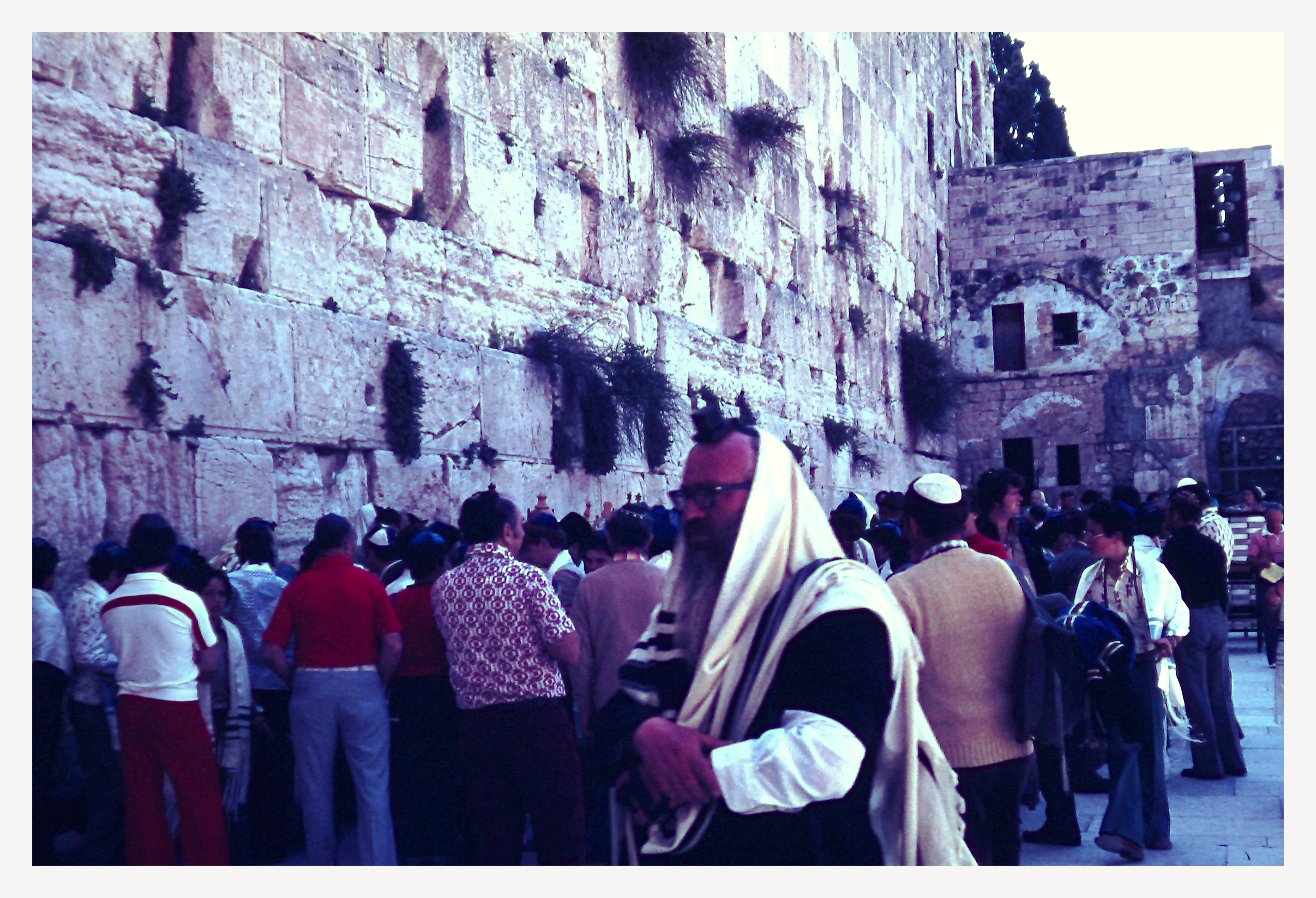
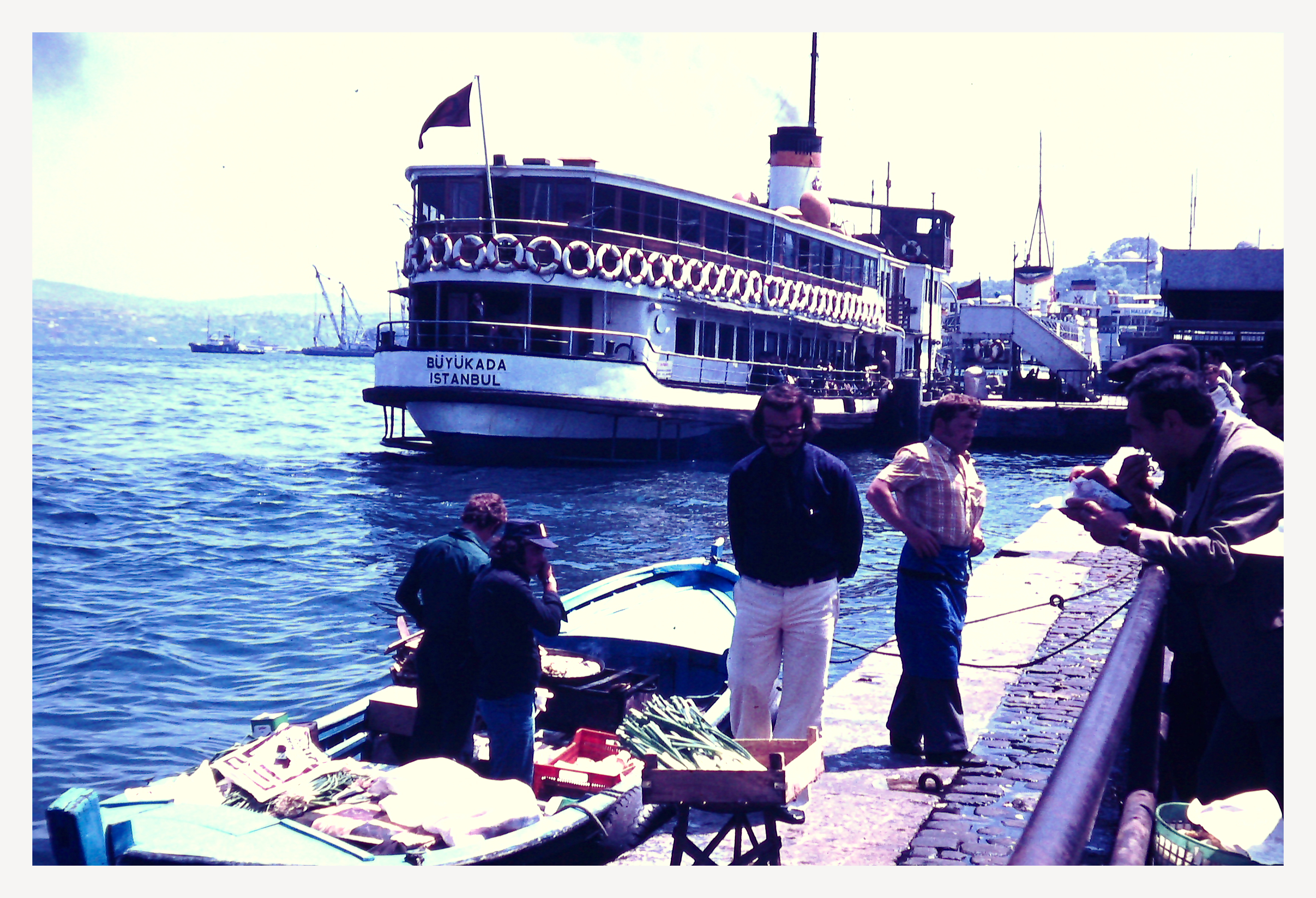
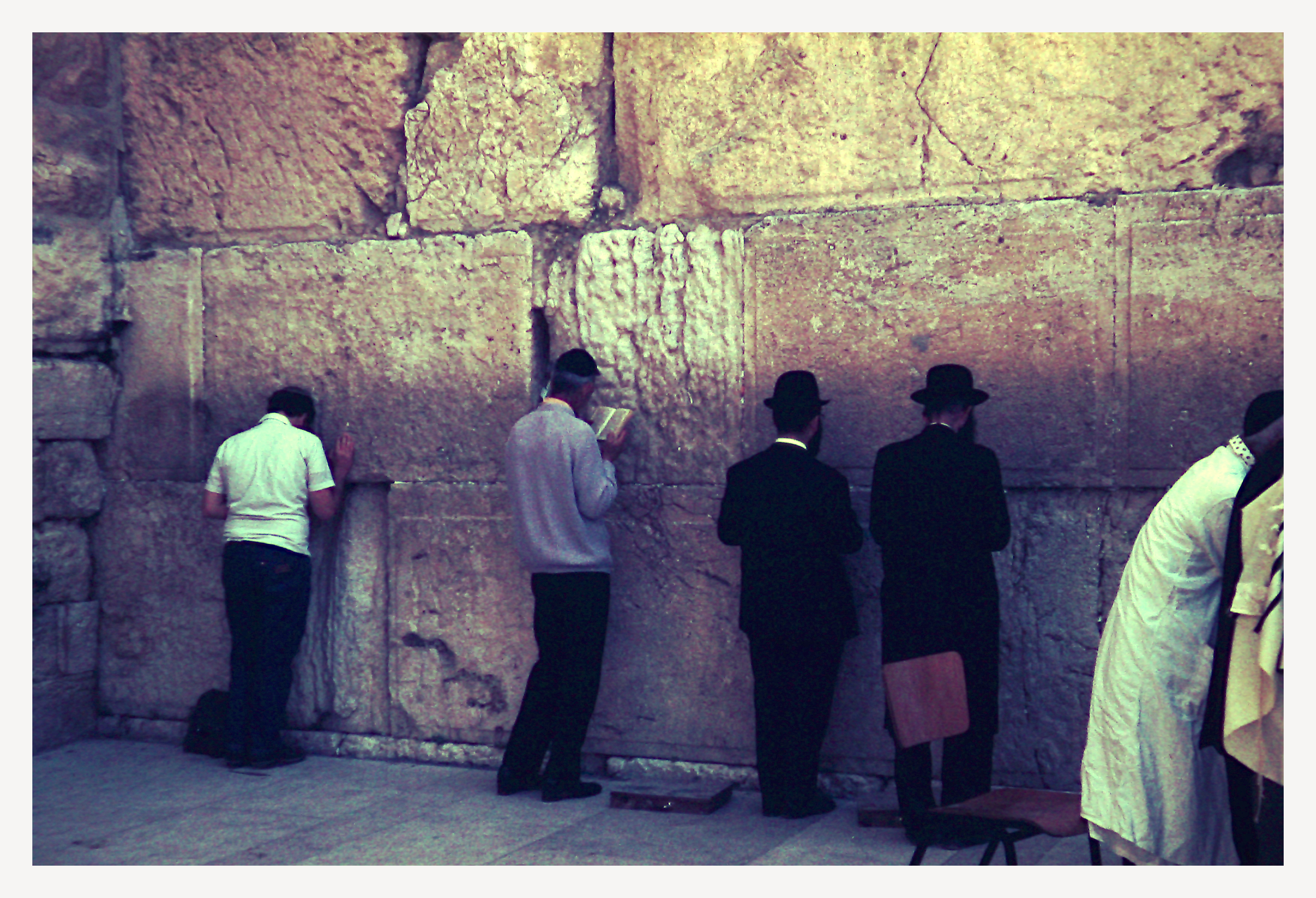
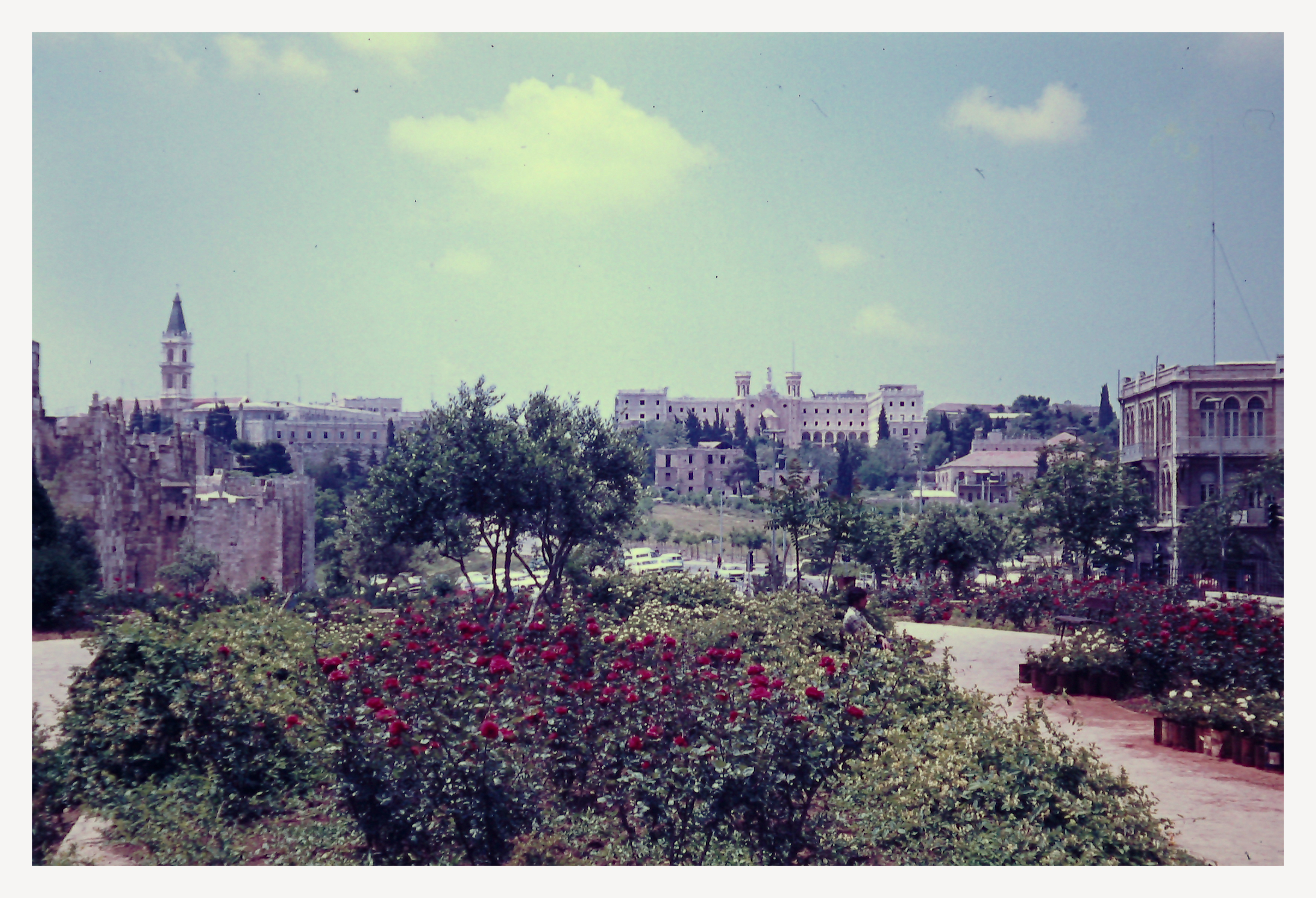
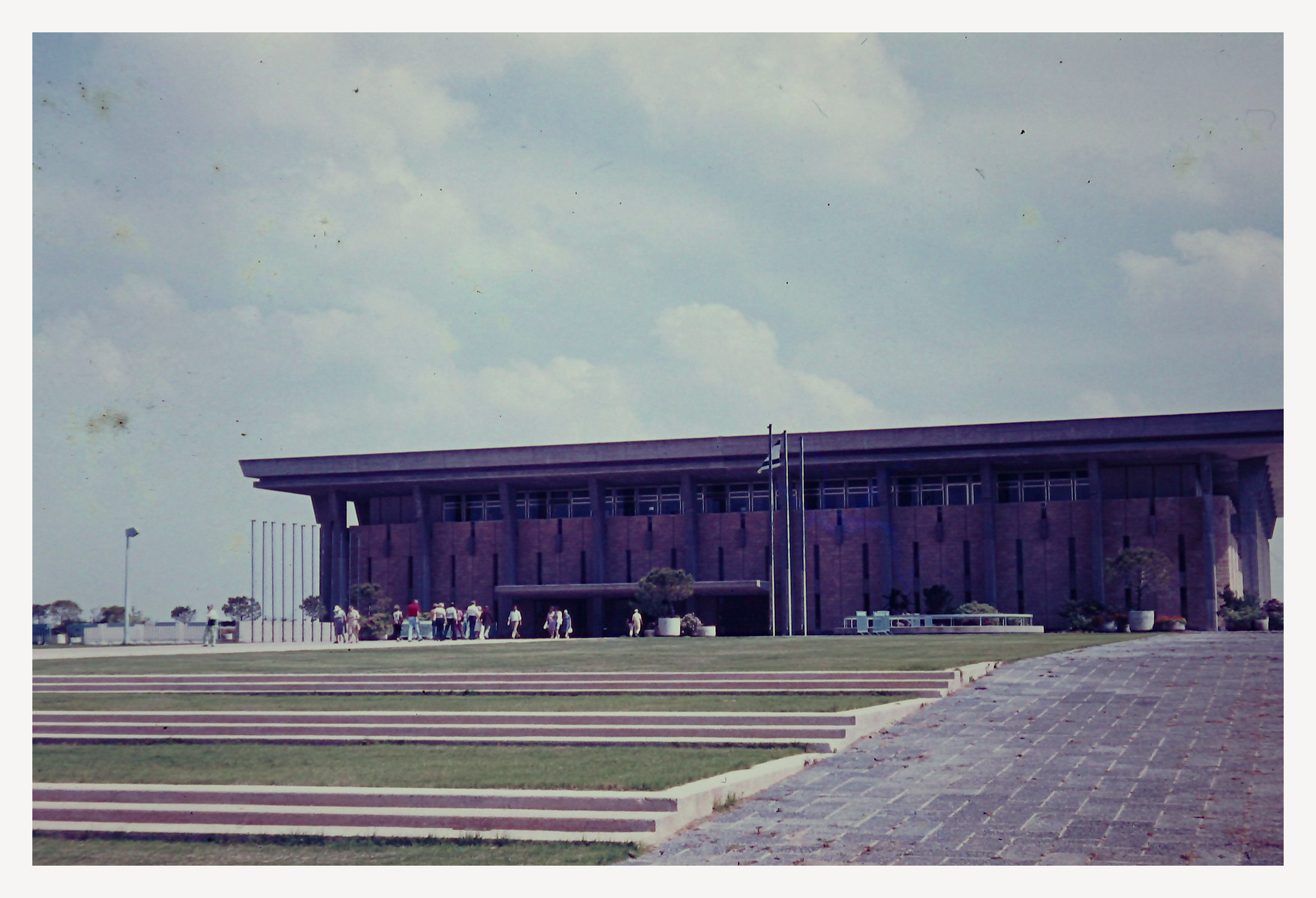
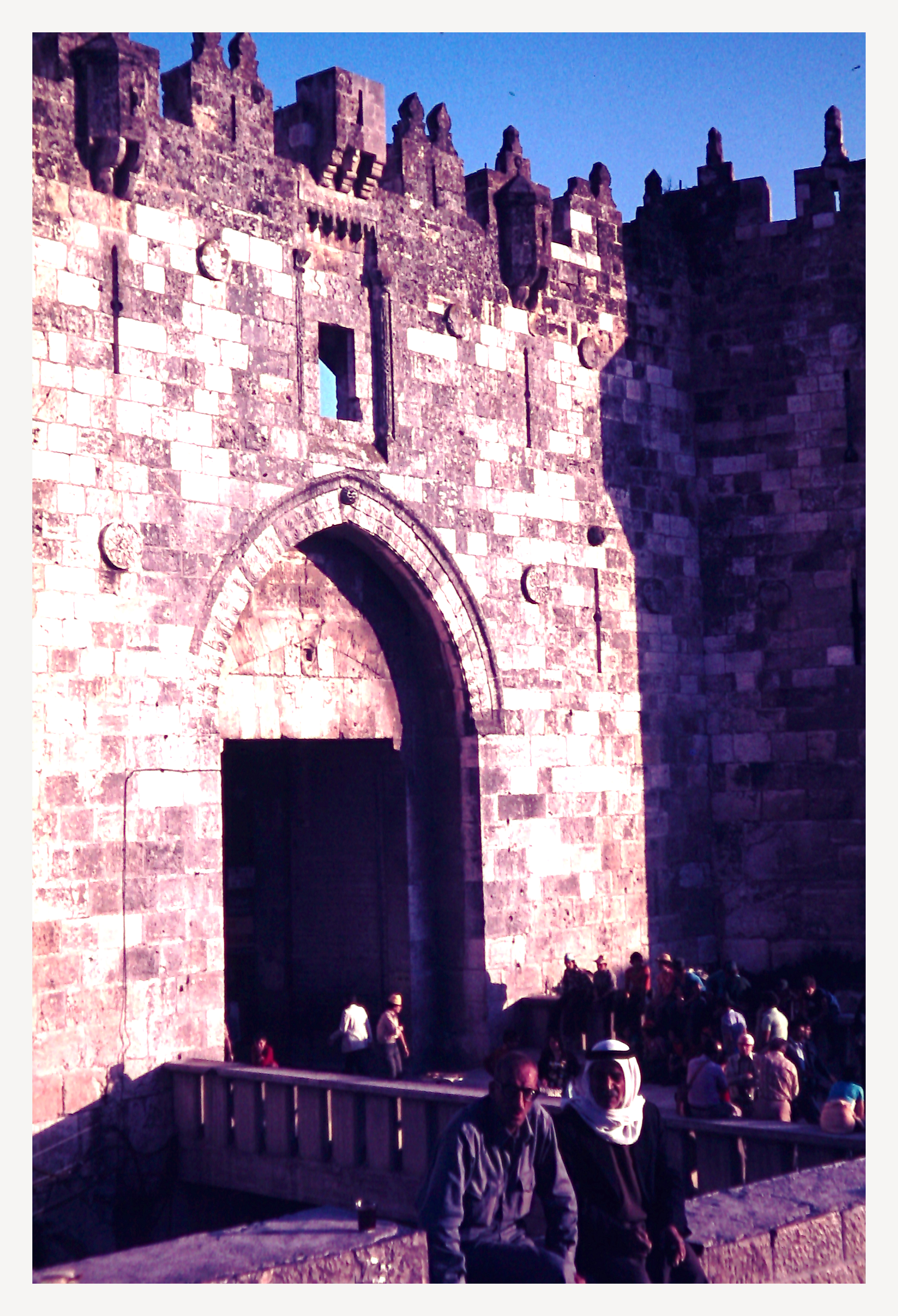
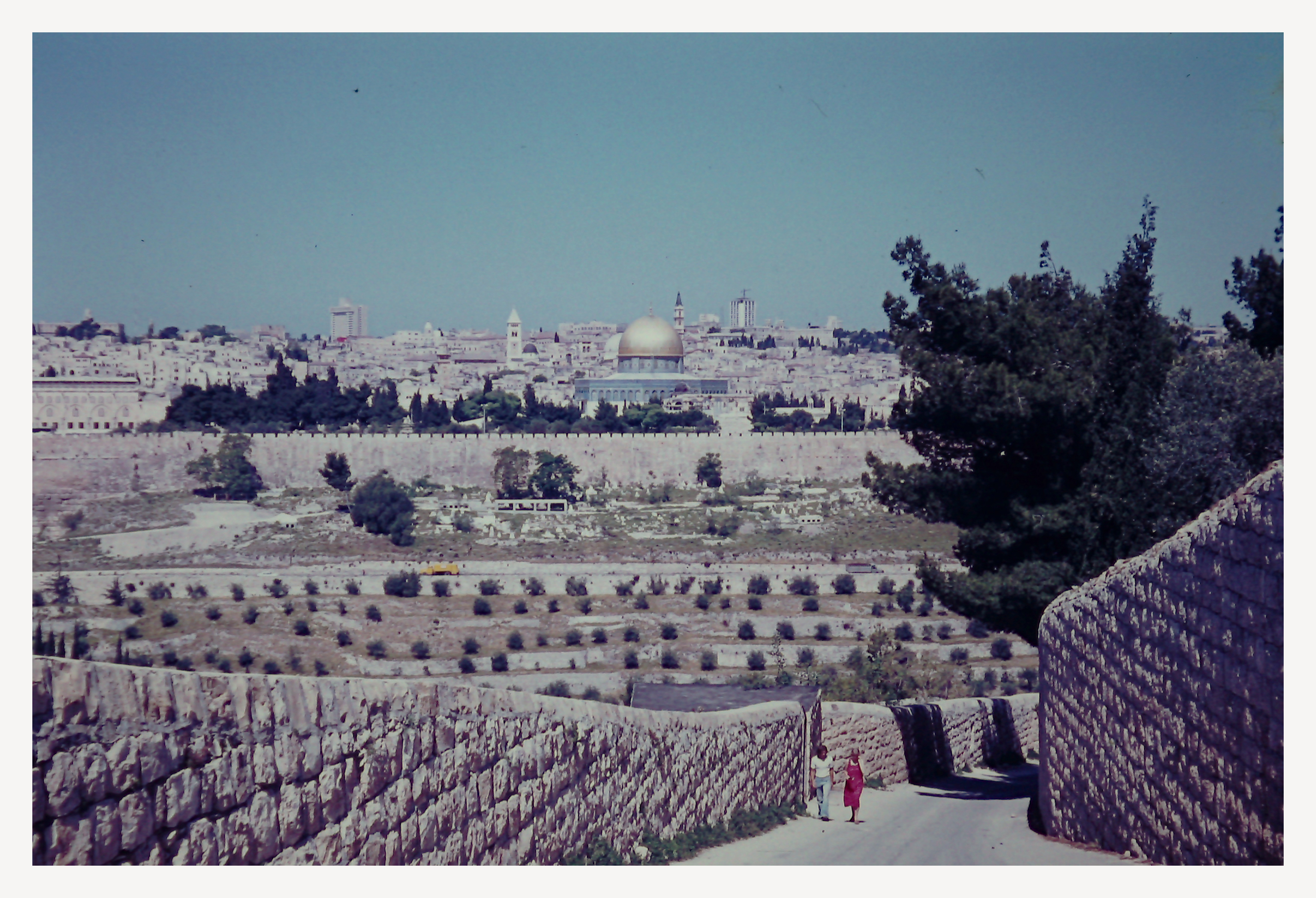
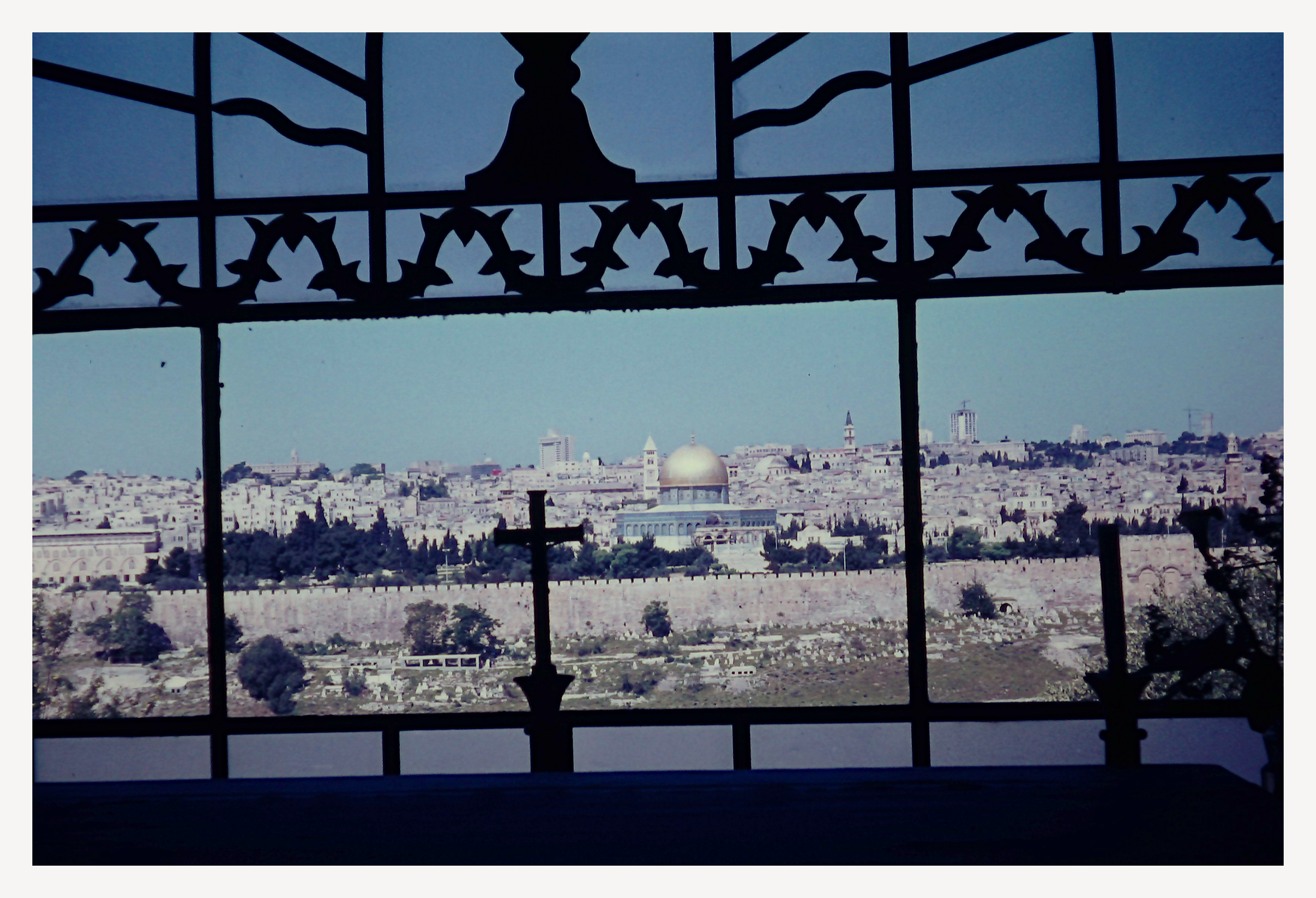
Quite the trip. As I understand it, assuming 1960’s all were popular or emerging tourism spots, especially if this is late 1960’s after the 6-day war which surged visitors under Israeli control unified the city split at the time. Who are the tree kids posing in one photo – strangers? Whanau (family)?… unlike Hong Kong series, no suggestion of the photographer themselves.
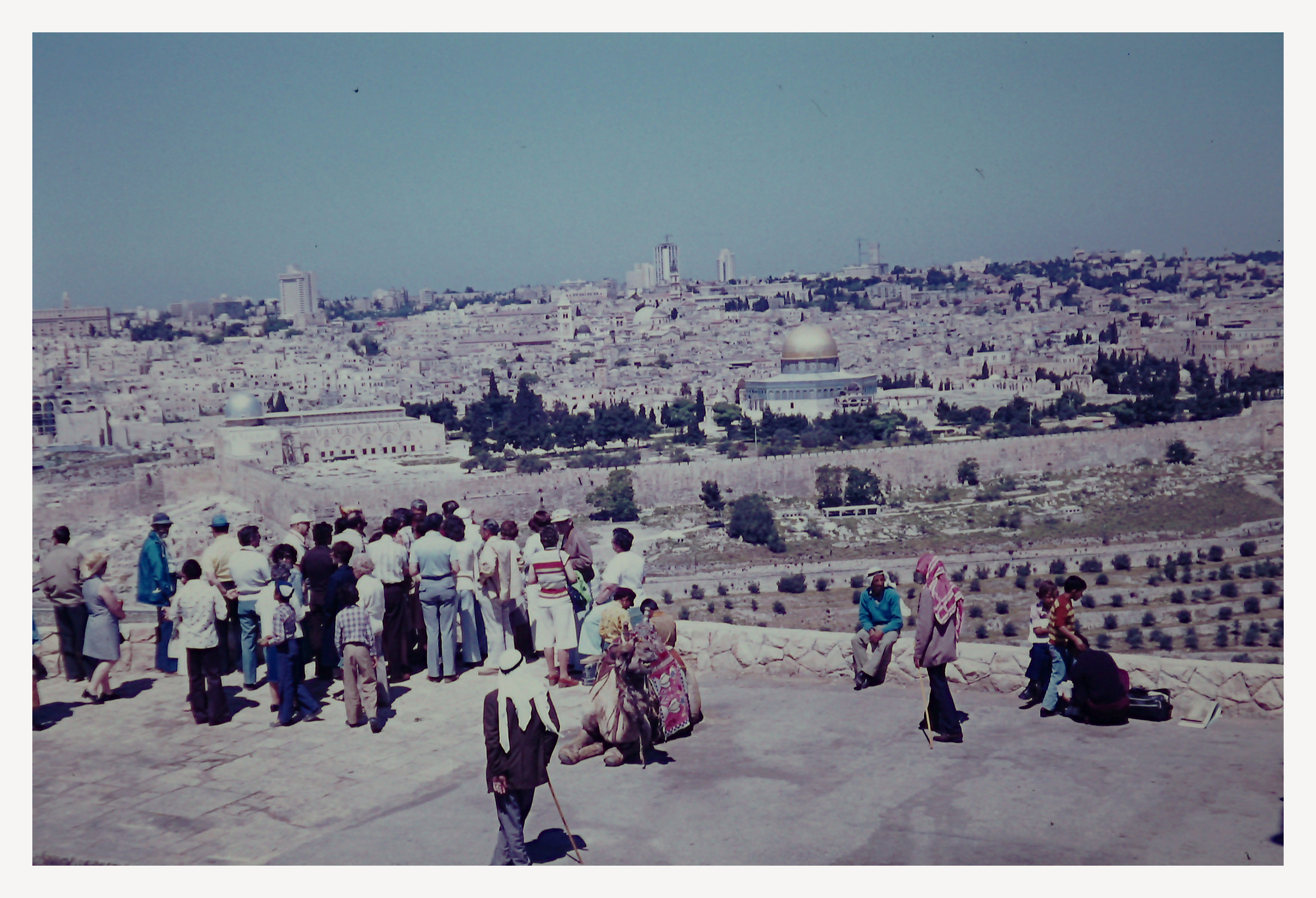
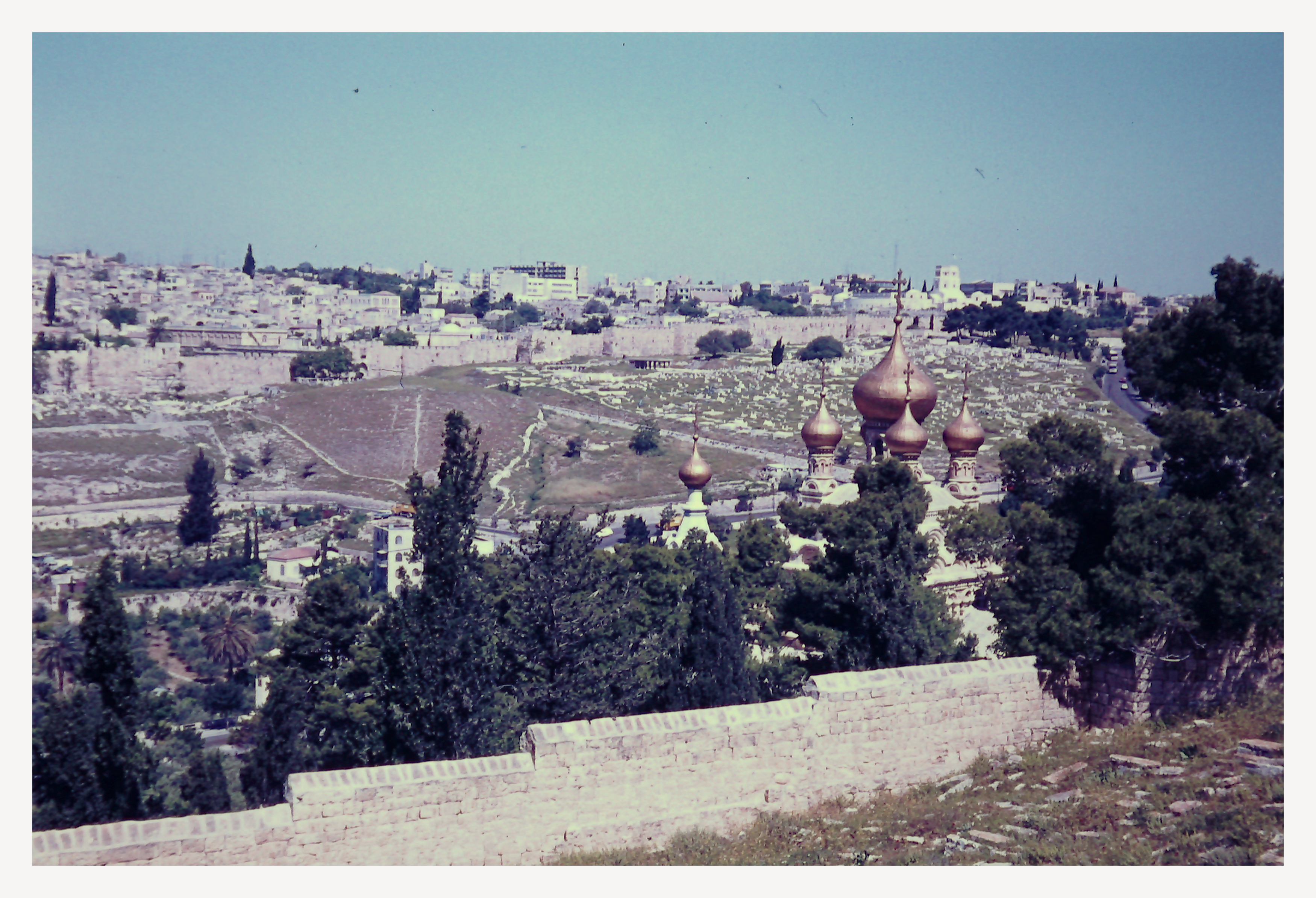
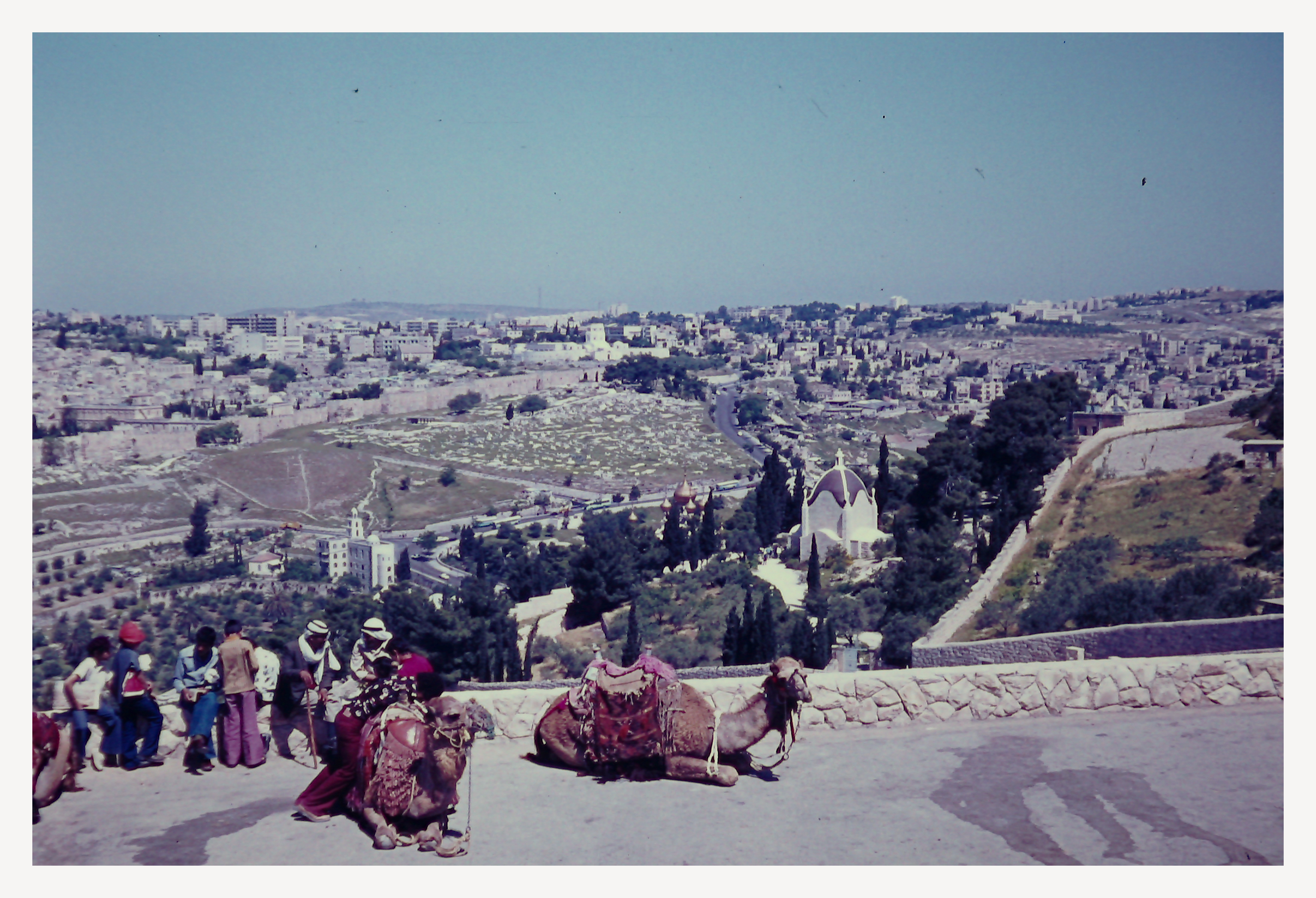
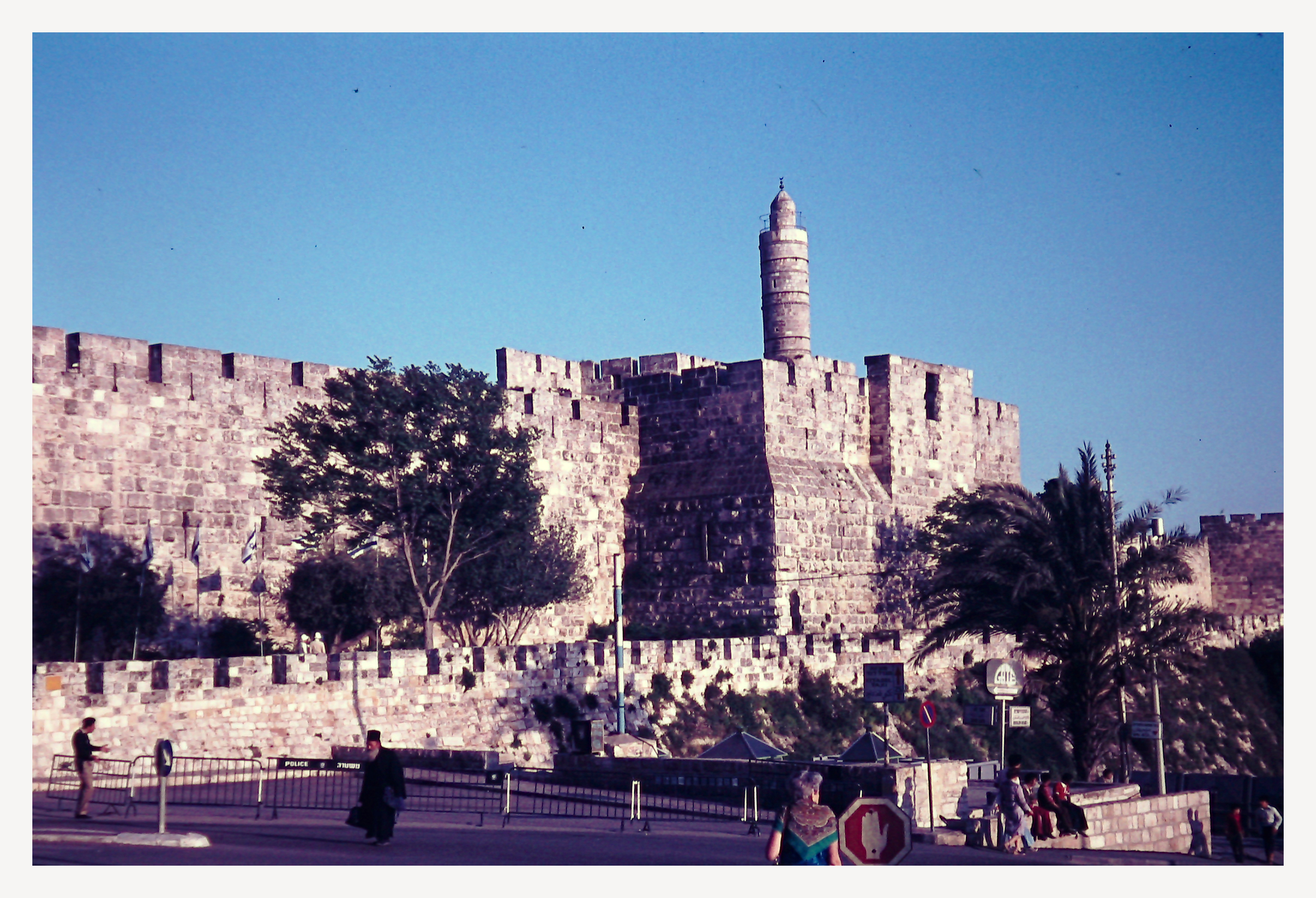

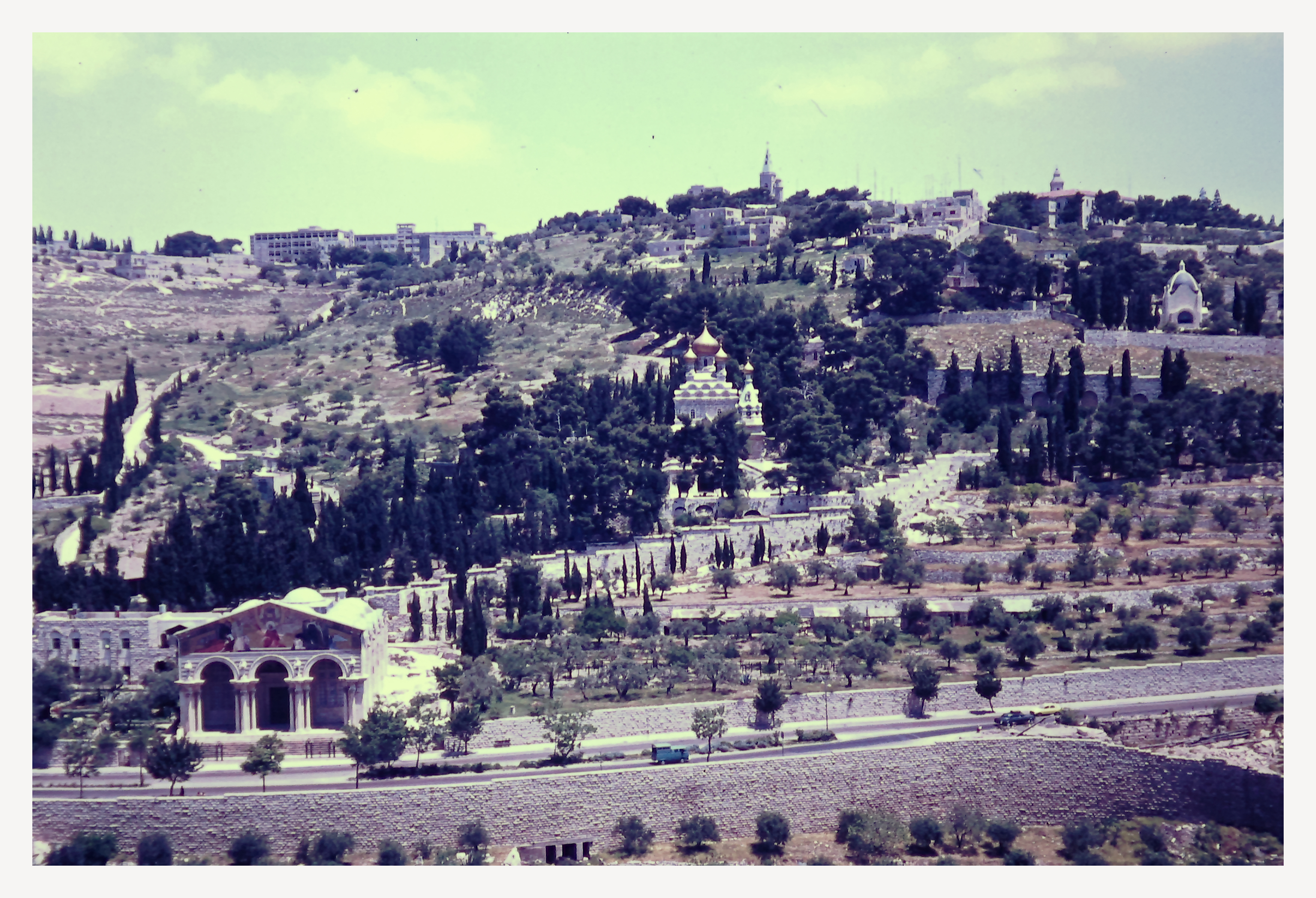
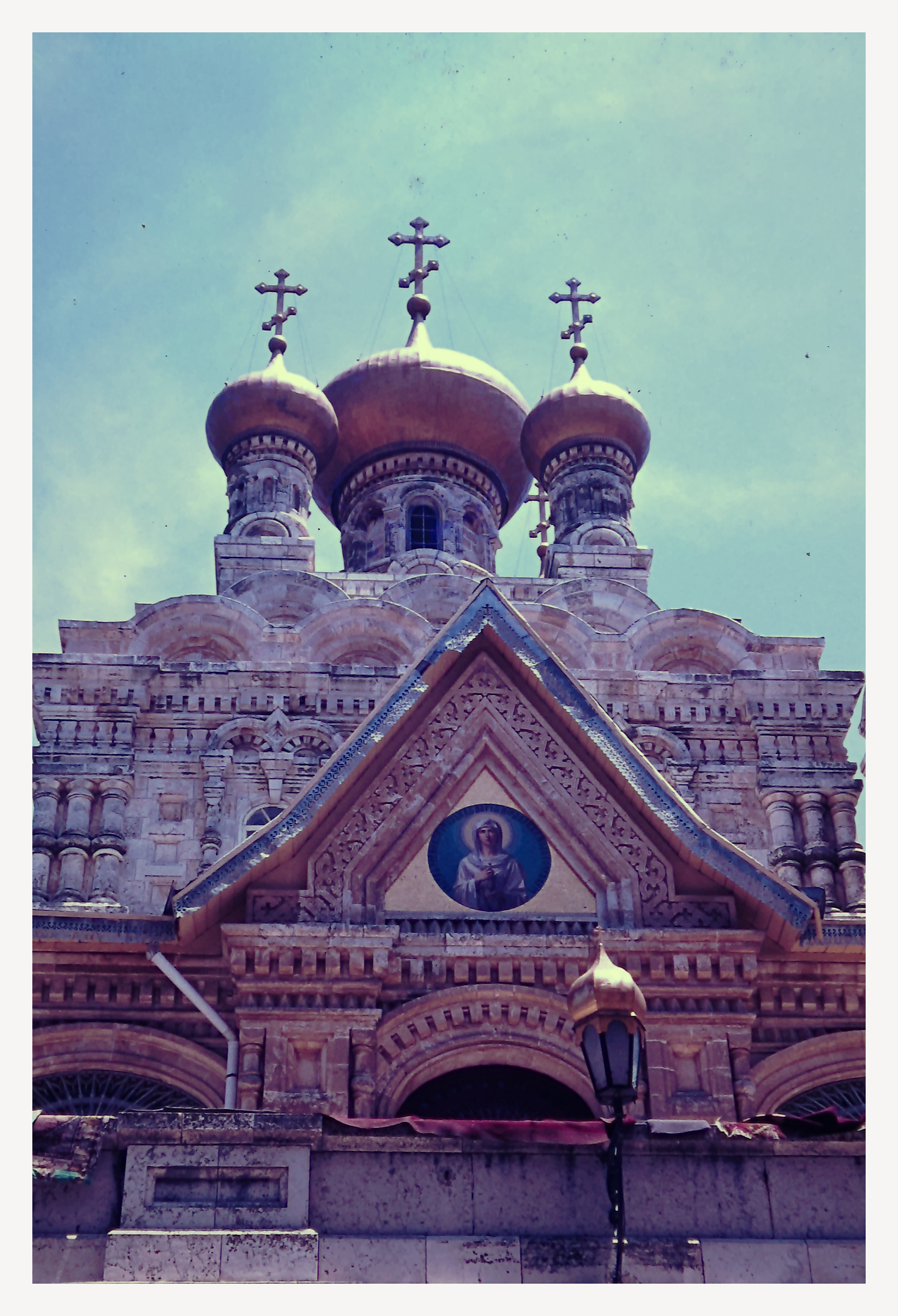
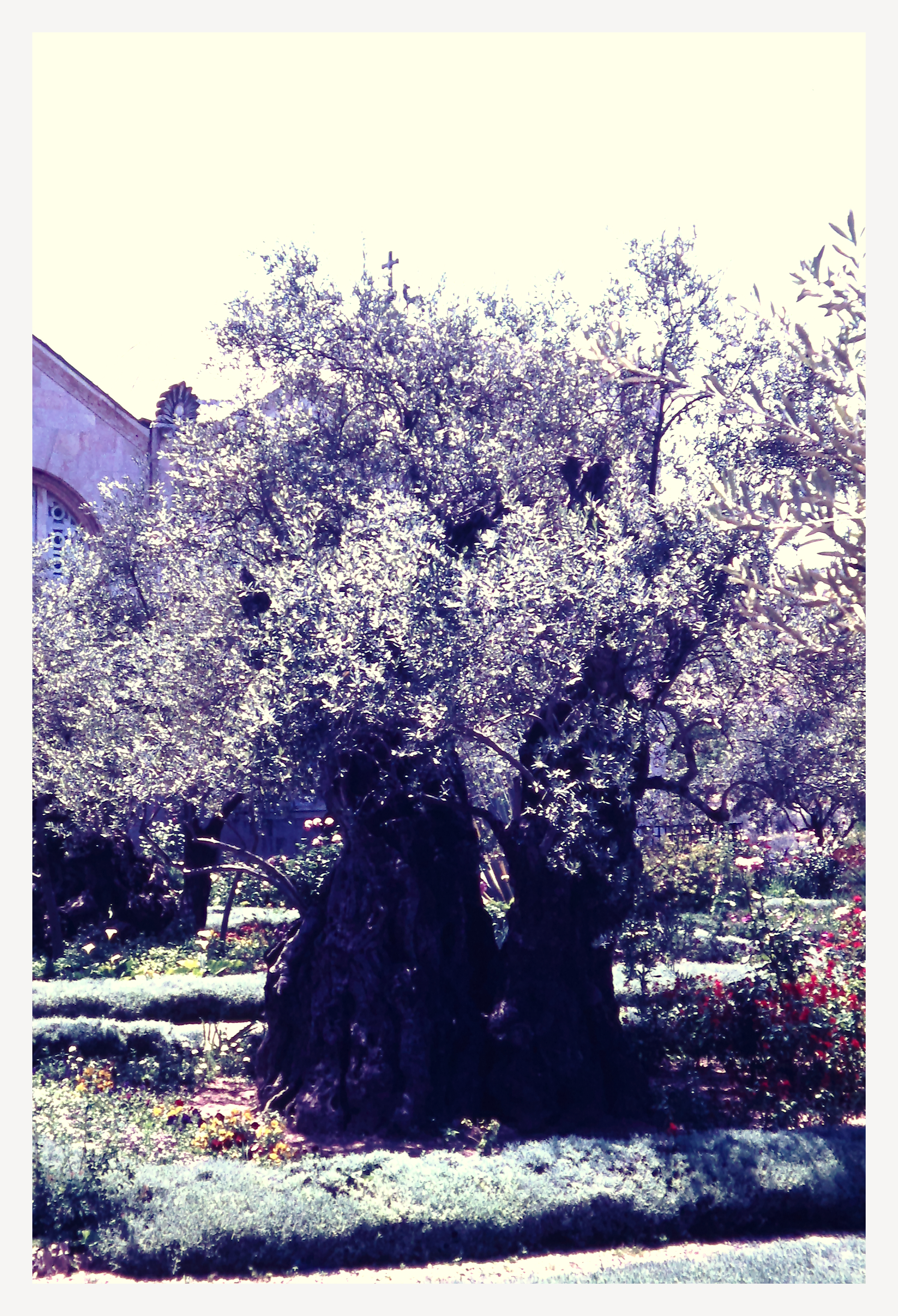
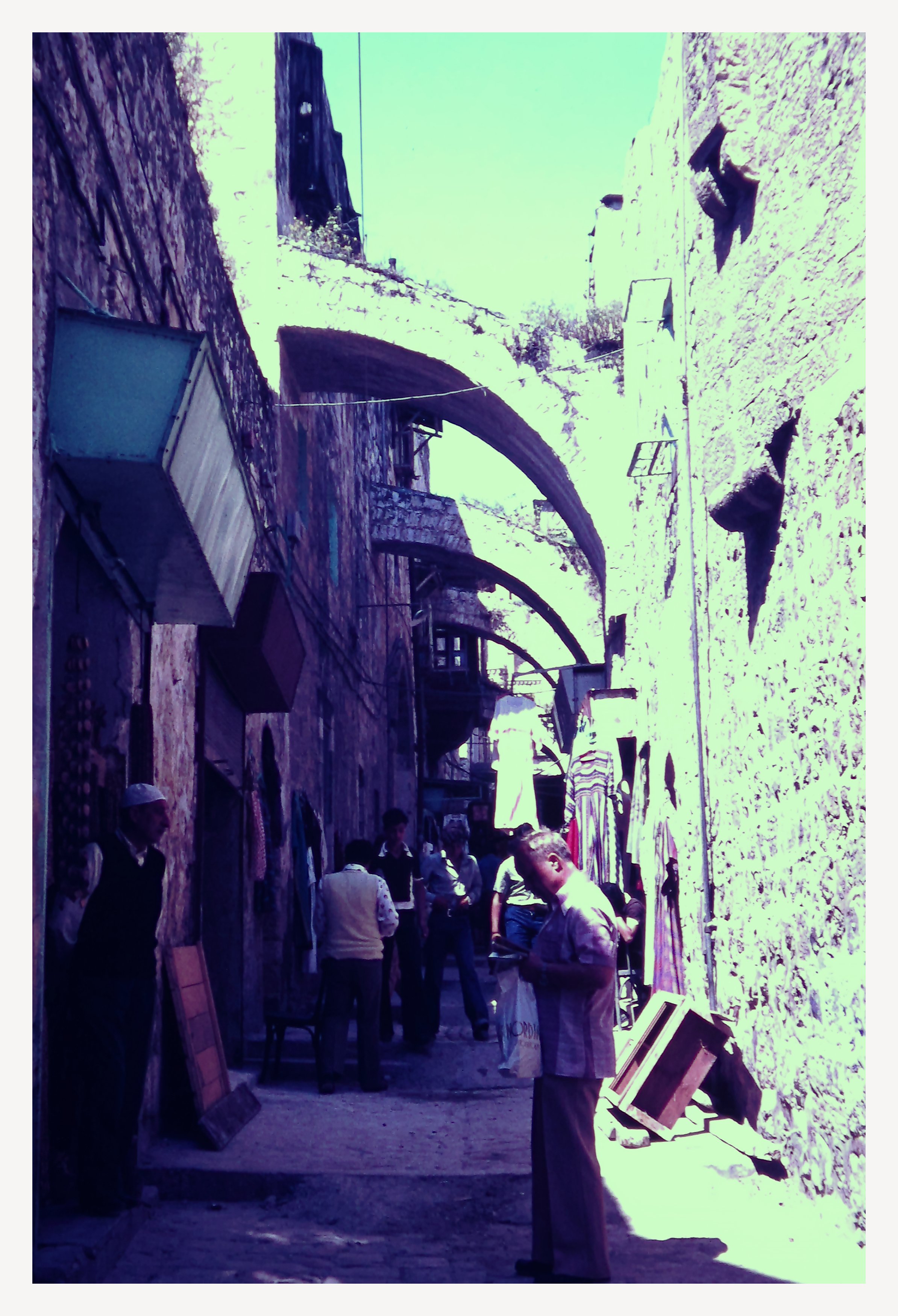
Not the last box of slides I have from our mystery photographer. Im holding off viewing the next box still – perhaps the next will have a self portrait reveal?
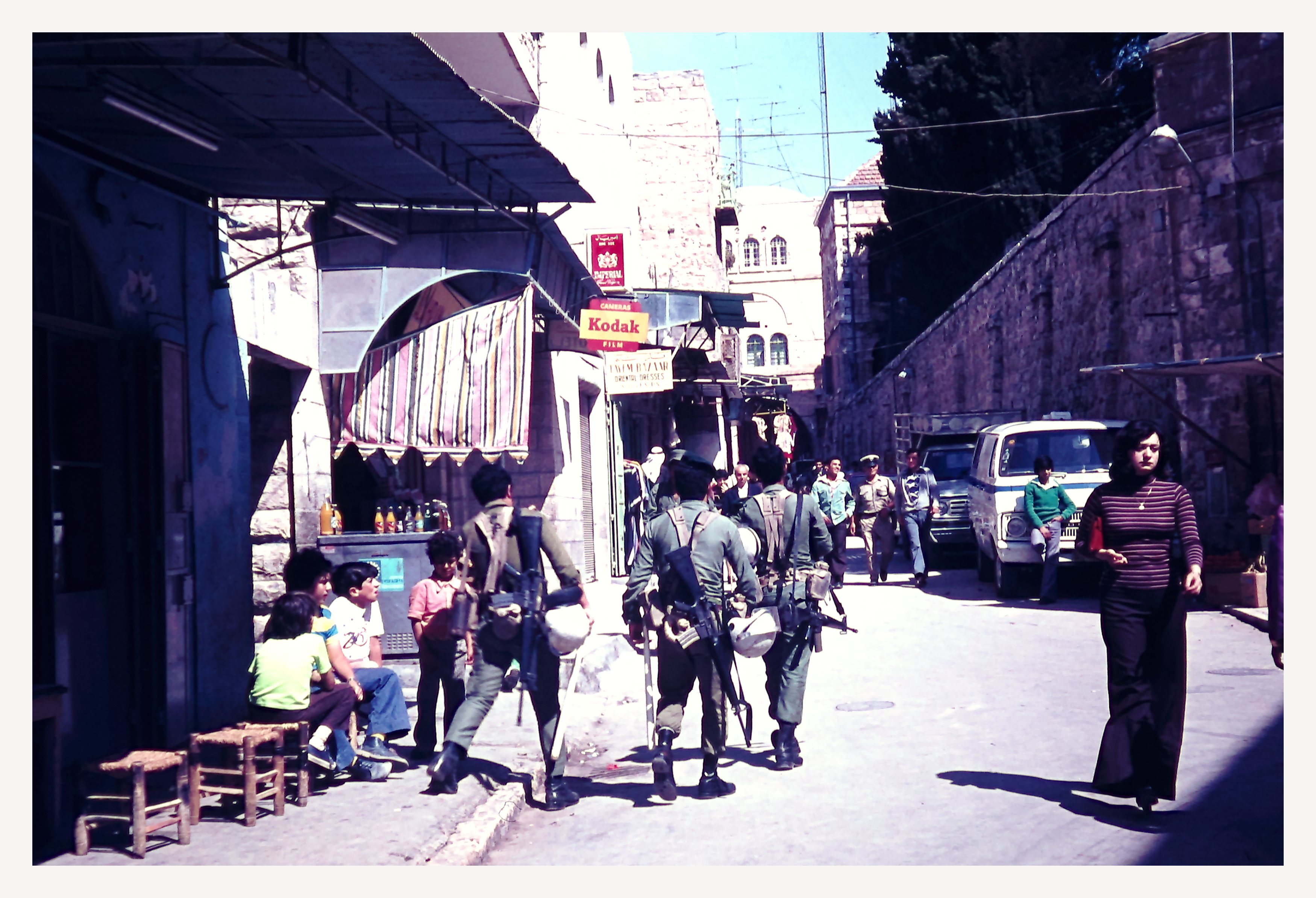
If you do have any information which might place a date of the images please do pass a comment.
 MikeHawkey.com
Leave a comment