New Old Camera – Konica Minolta DiMAGE Z3

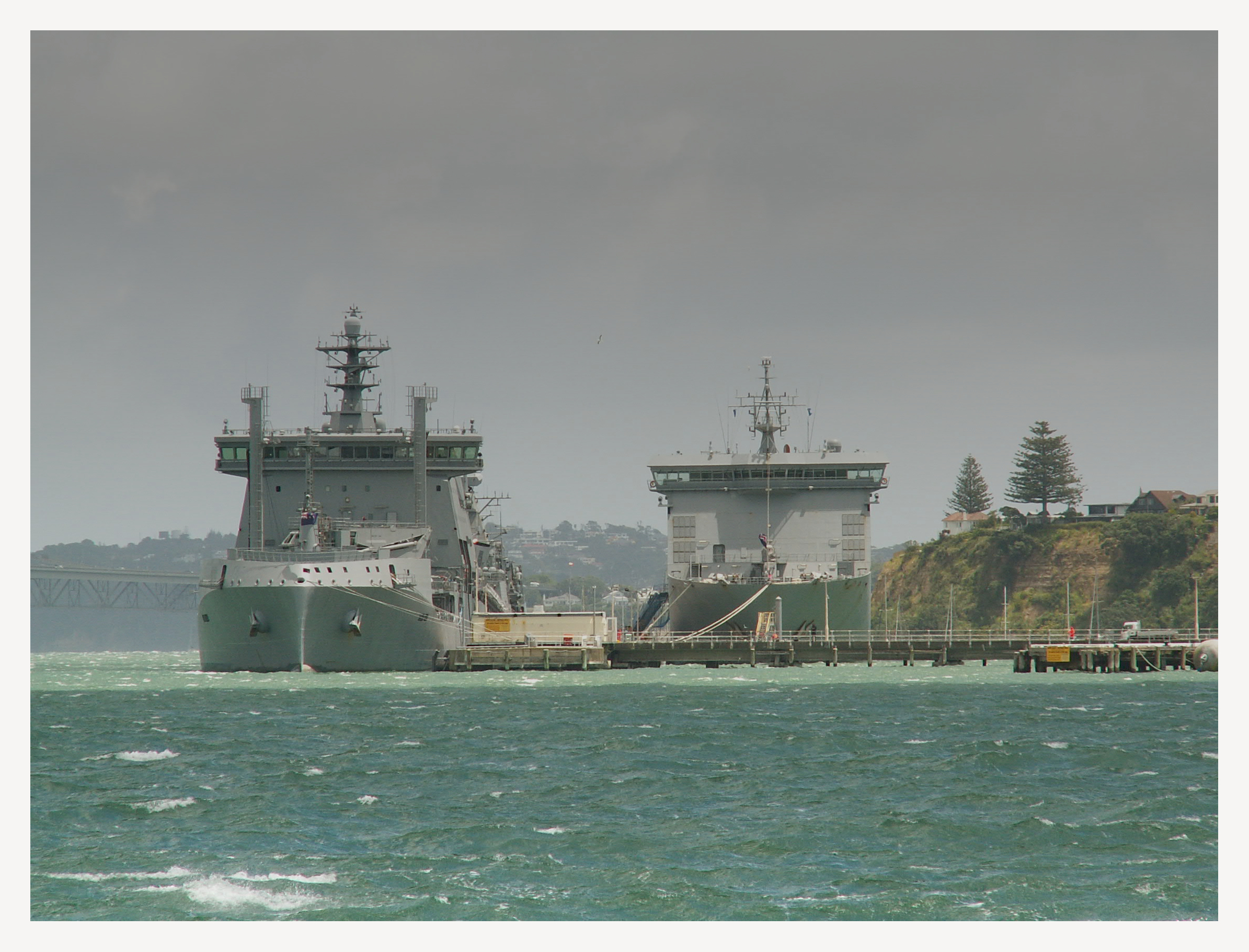
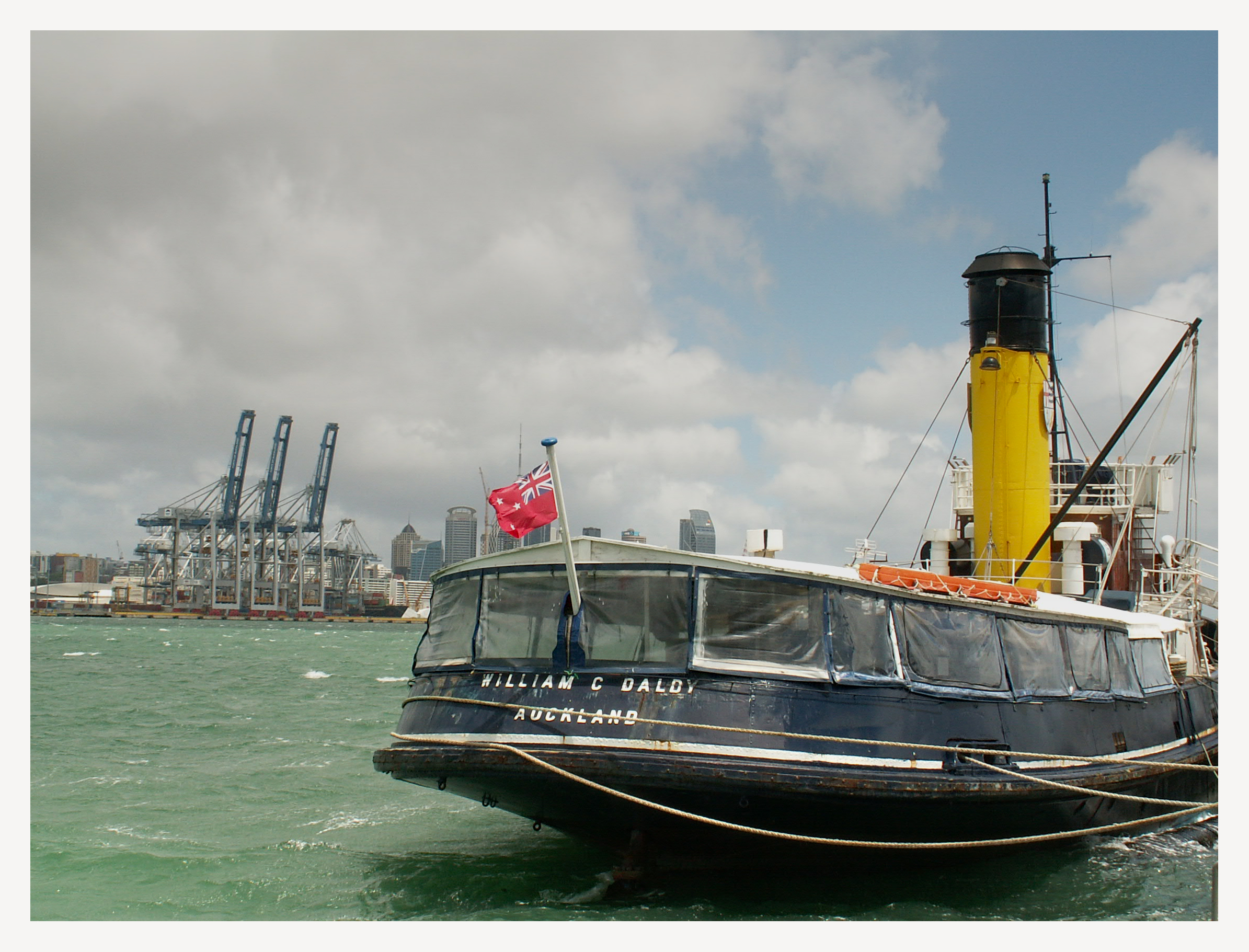
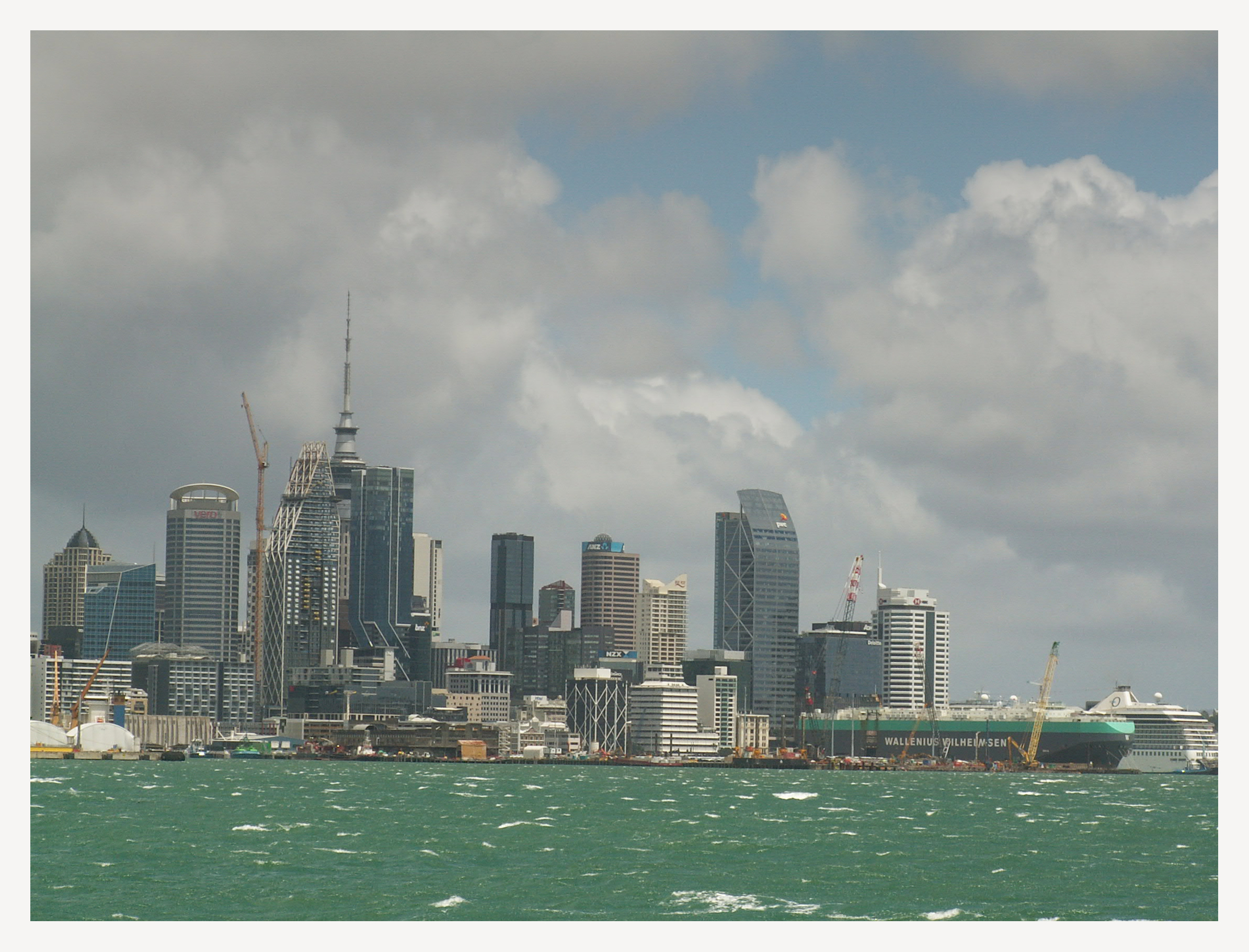
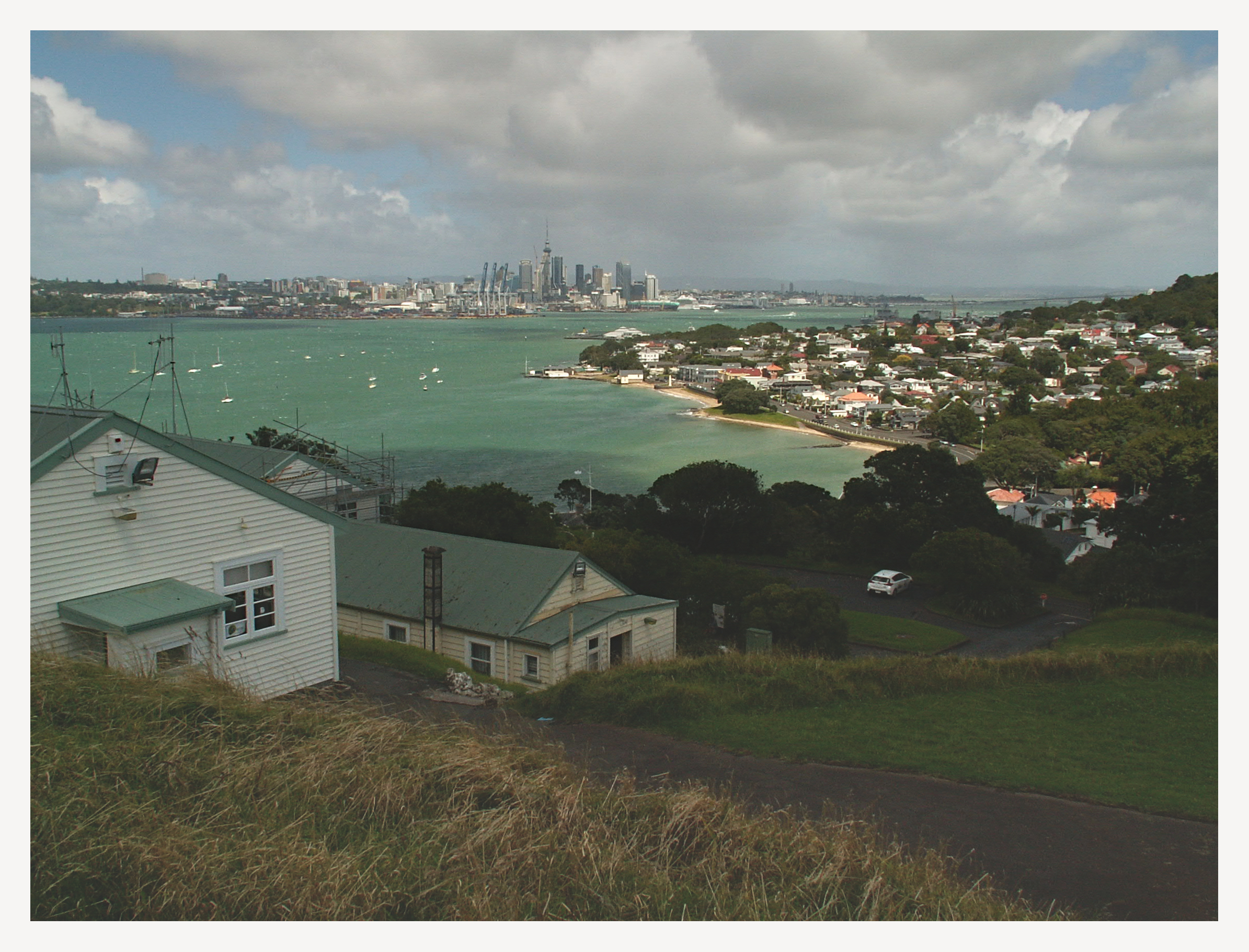
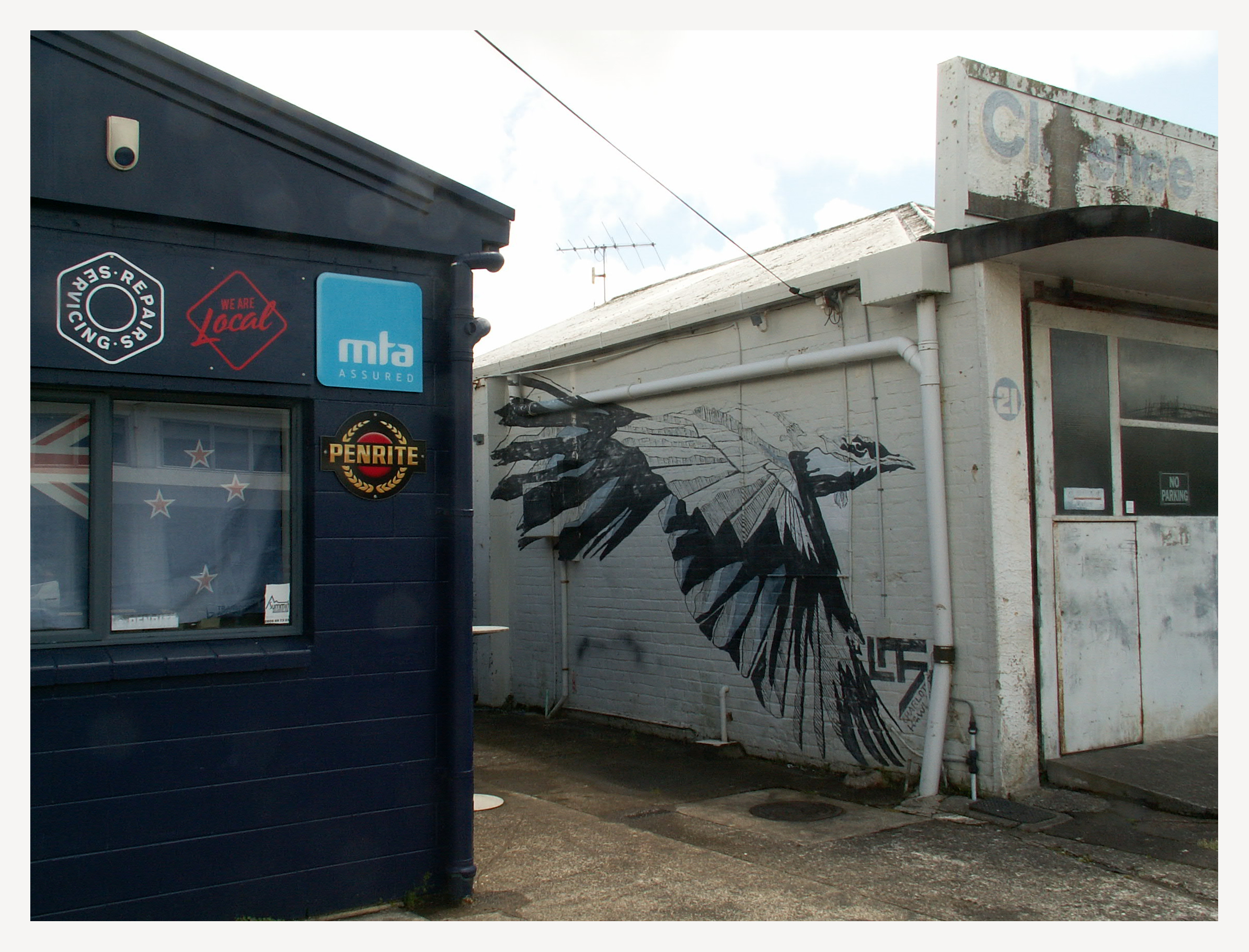
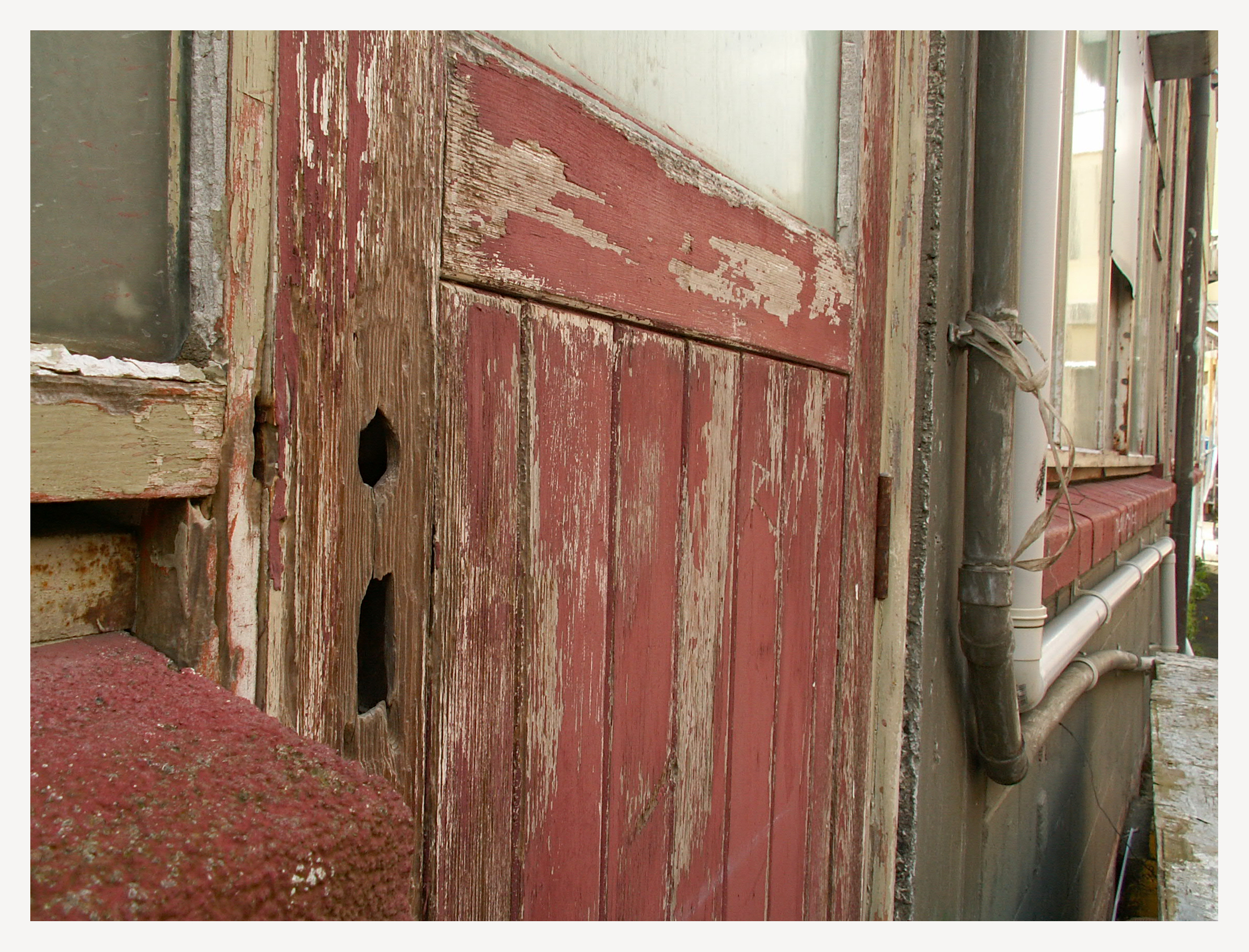
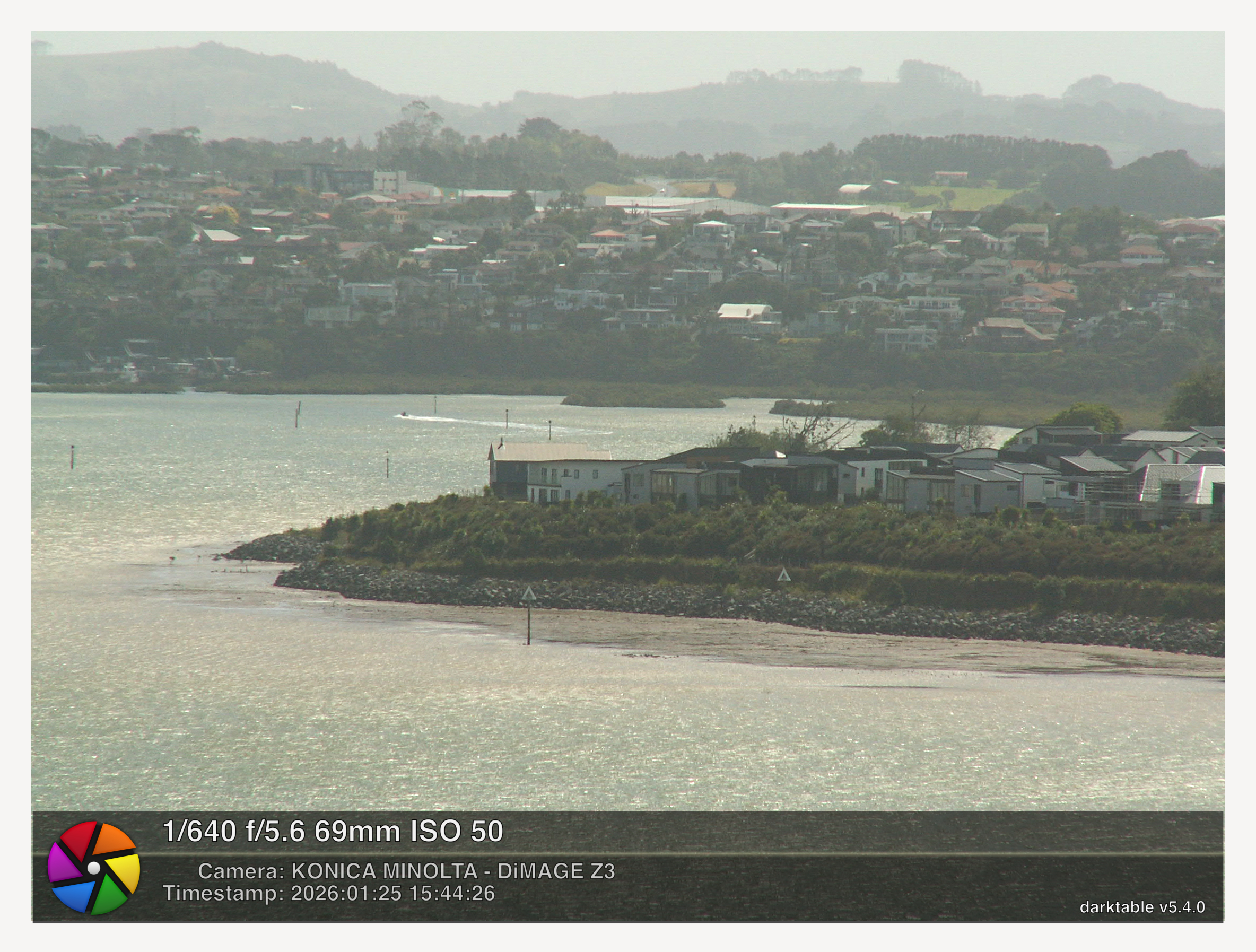
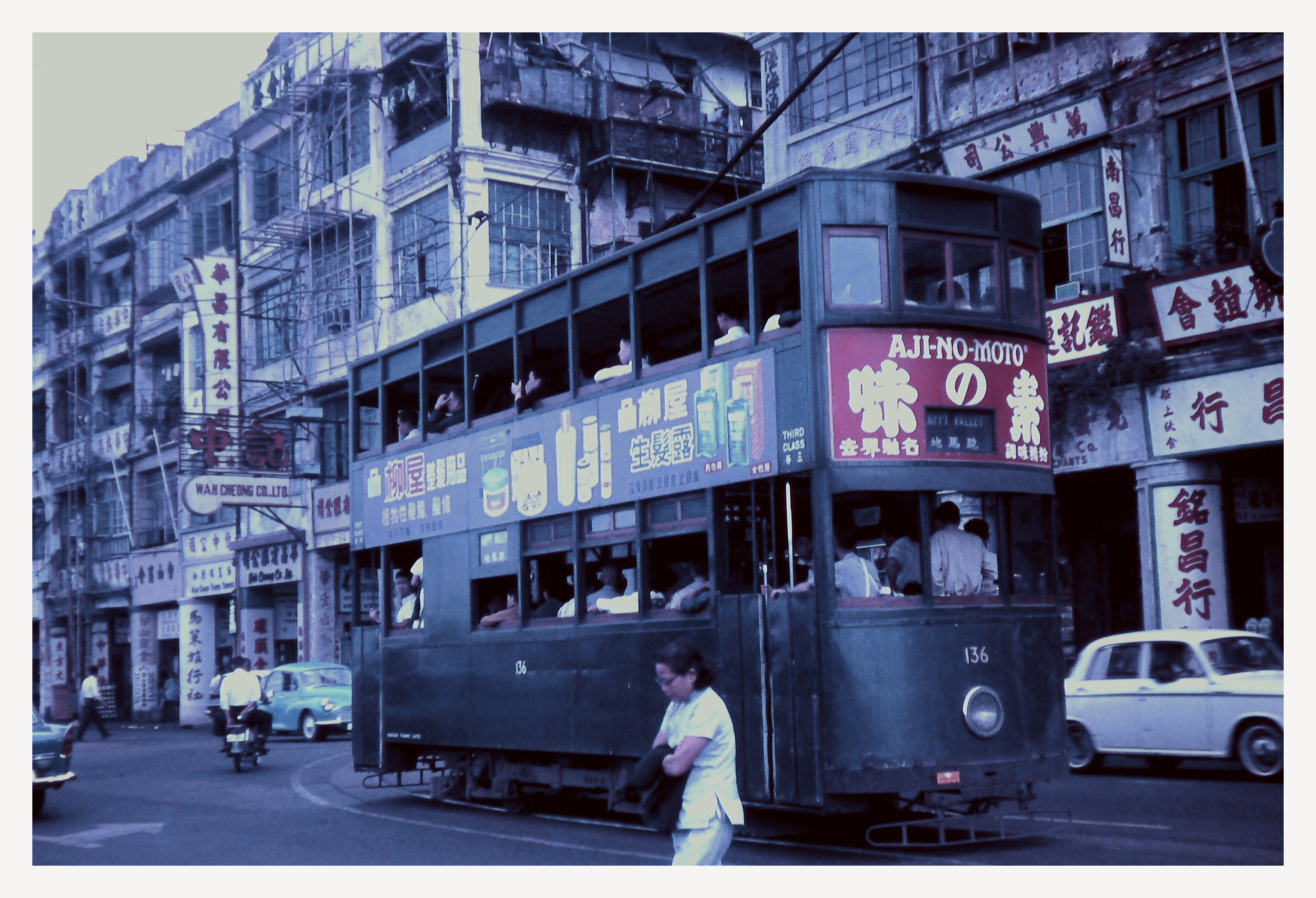
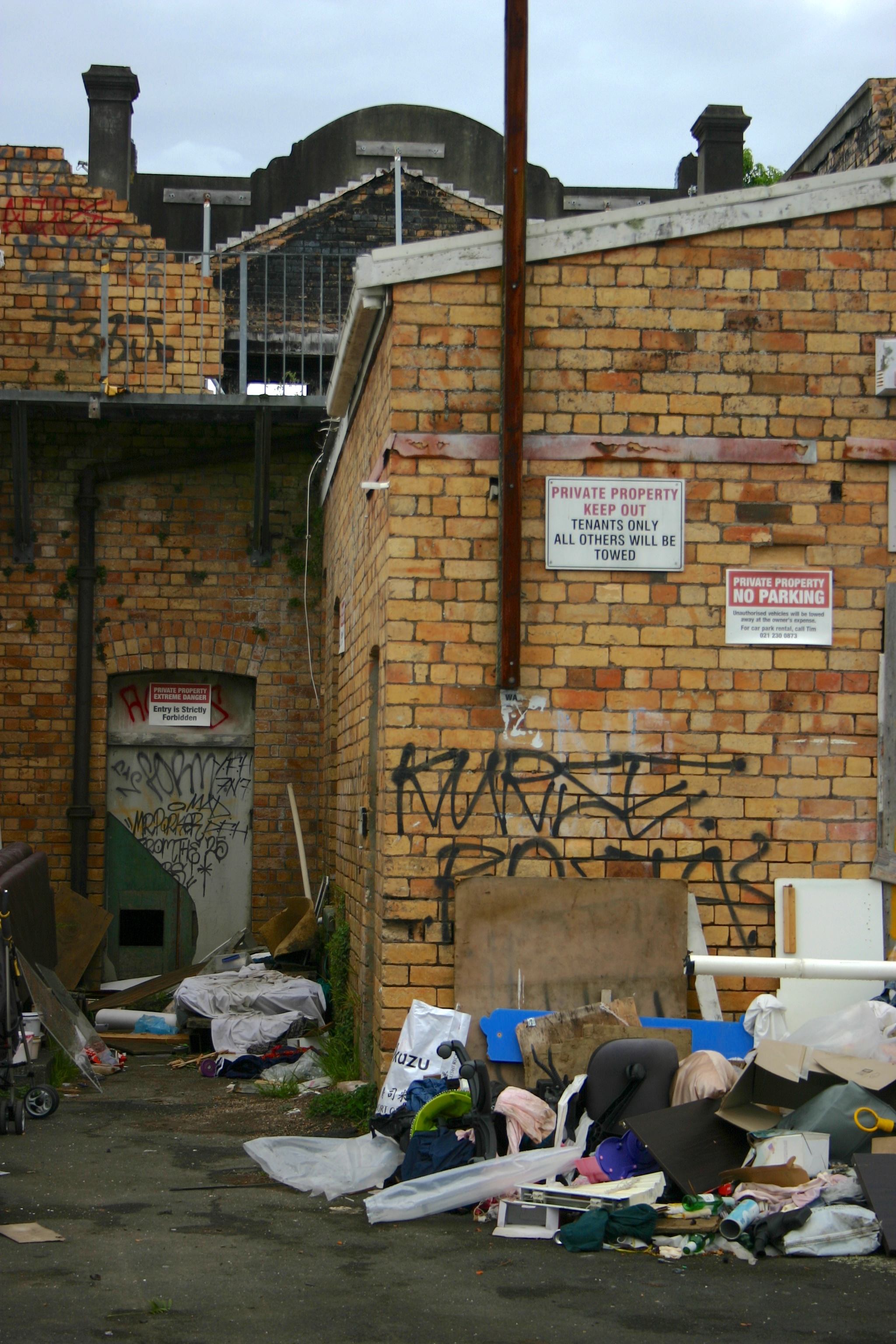
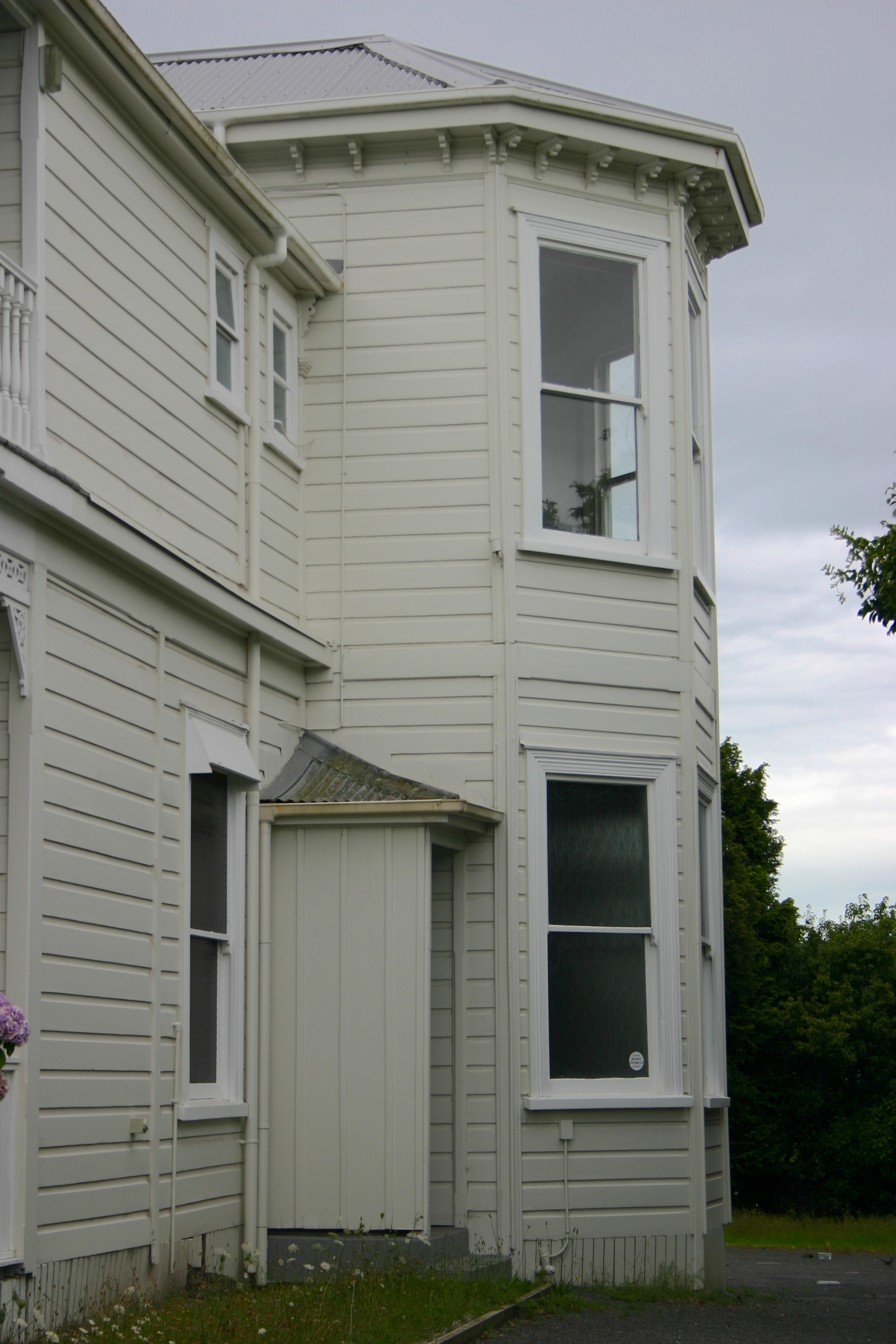
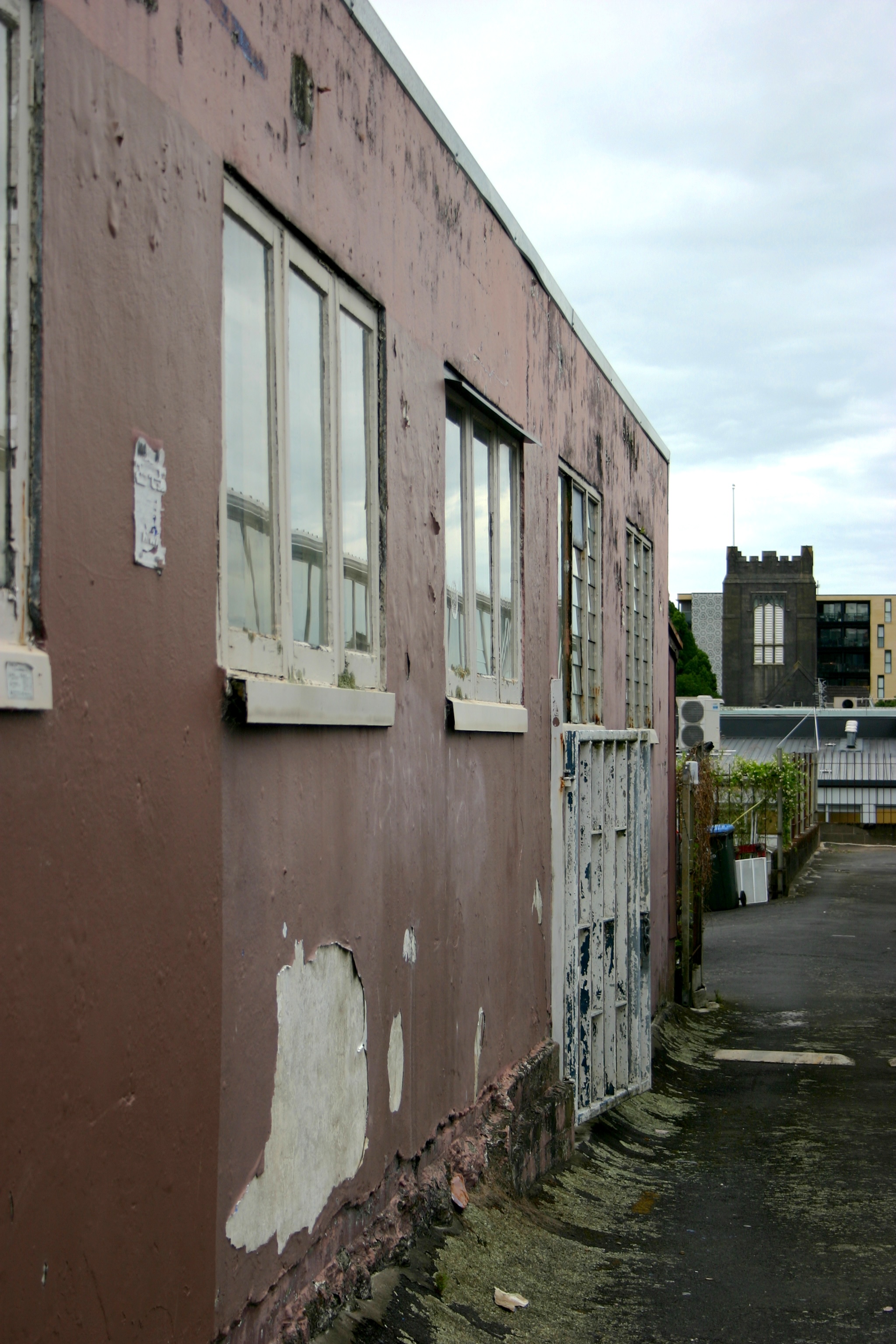
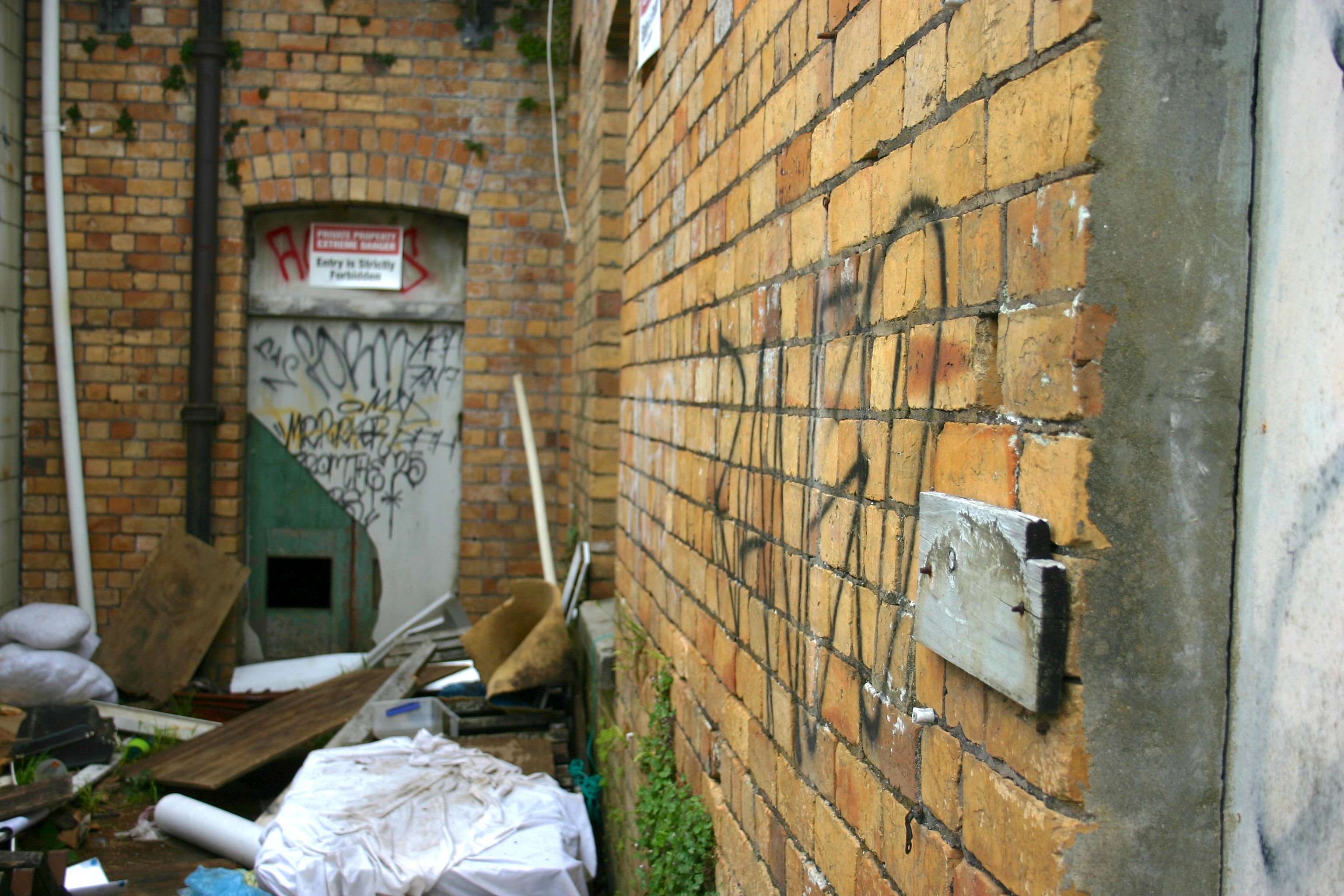
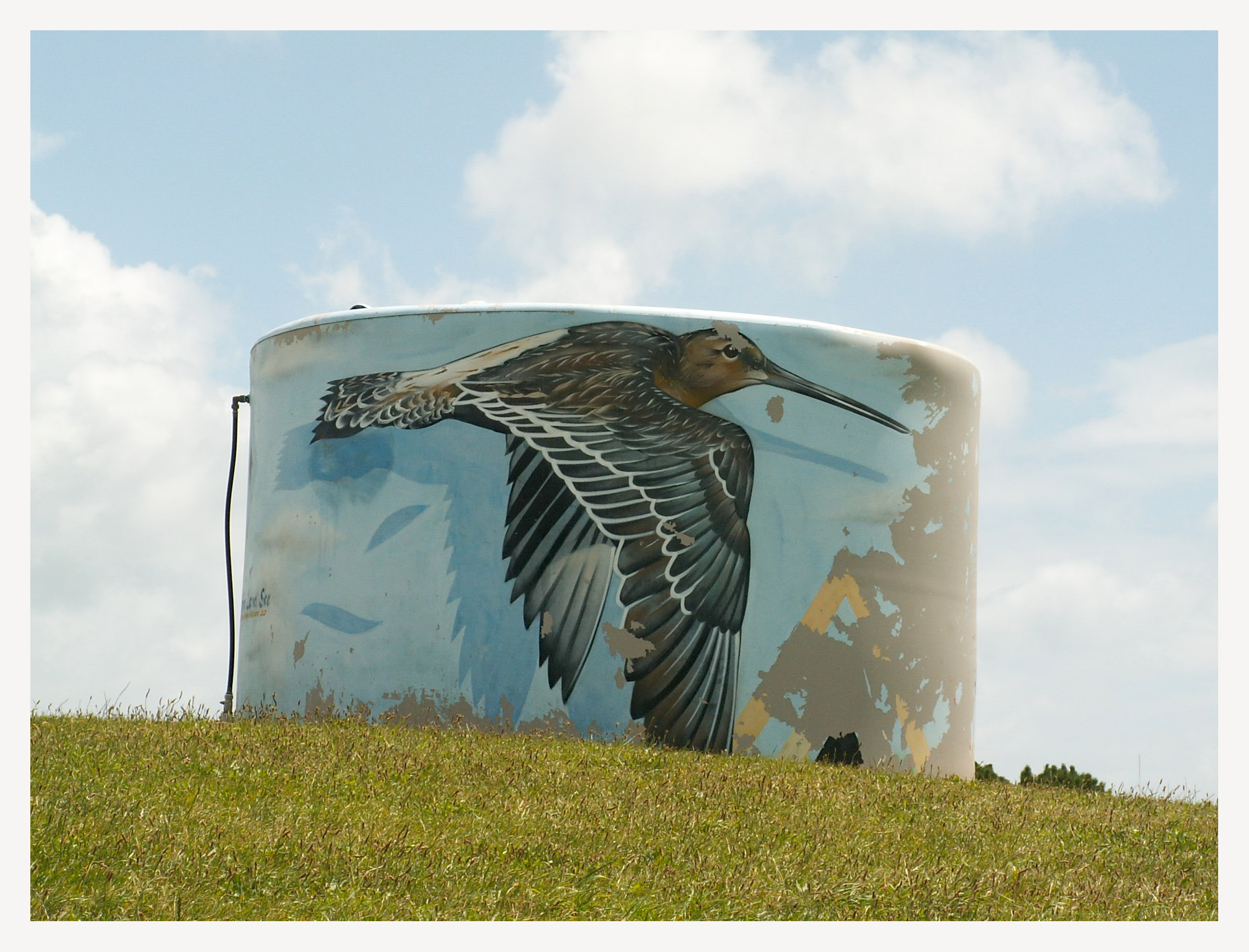
So I impulse bought a camera lot recently in an online auction. Initially, I was really bidding on a standard zoom lens for my Canon DSLR, but there were a few other goodies that caught my eye. One such goodie was the Konica Minolta DiMAGE Z3. A mighty 4MP bridge camera from 2004 sporting a real 12X Zoom and Anti-shake – in its time, this must have been an impressive camera.
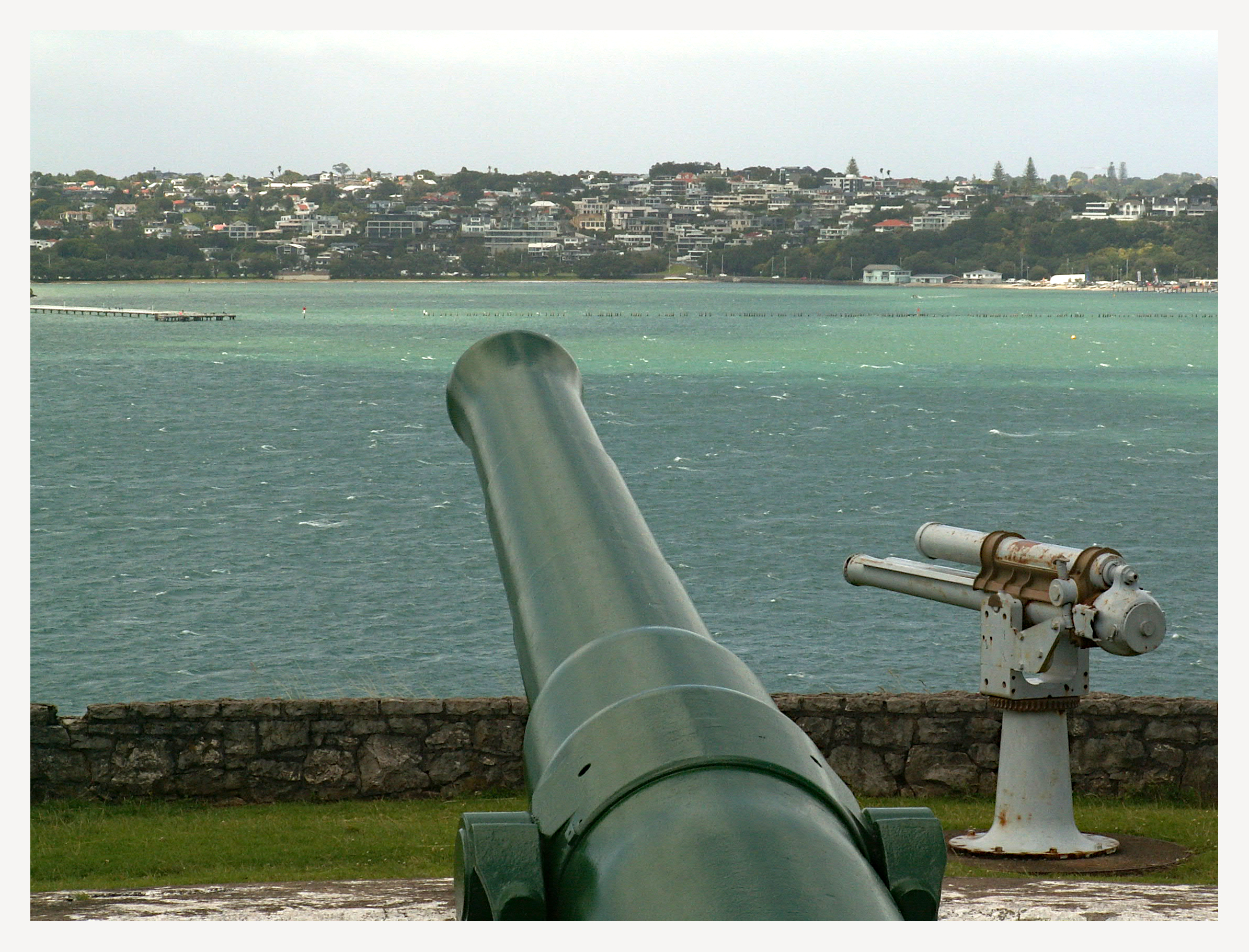
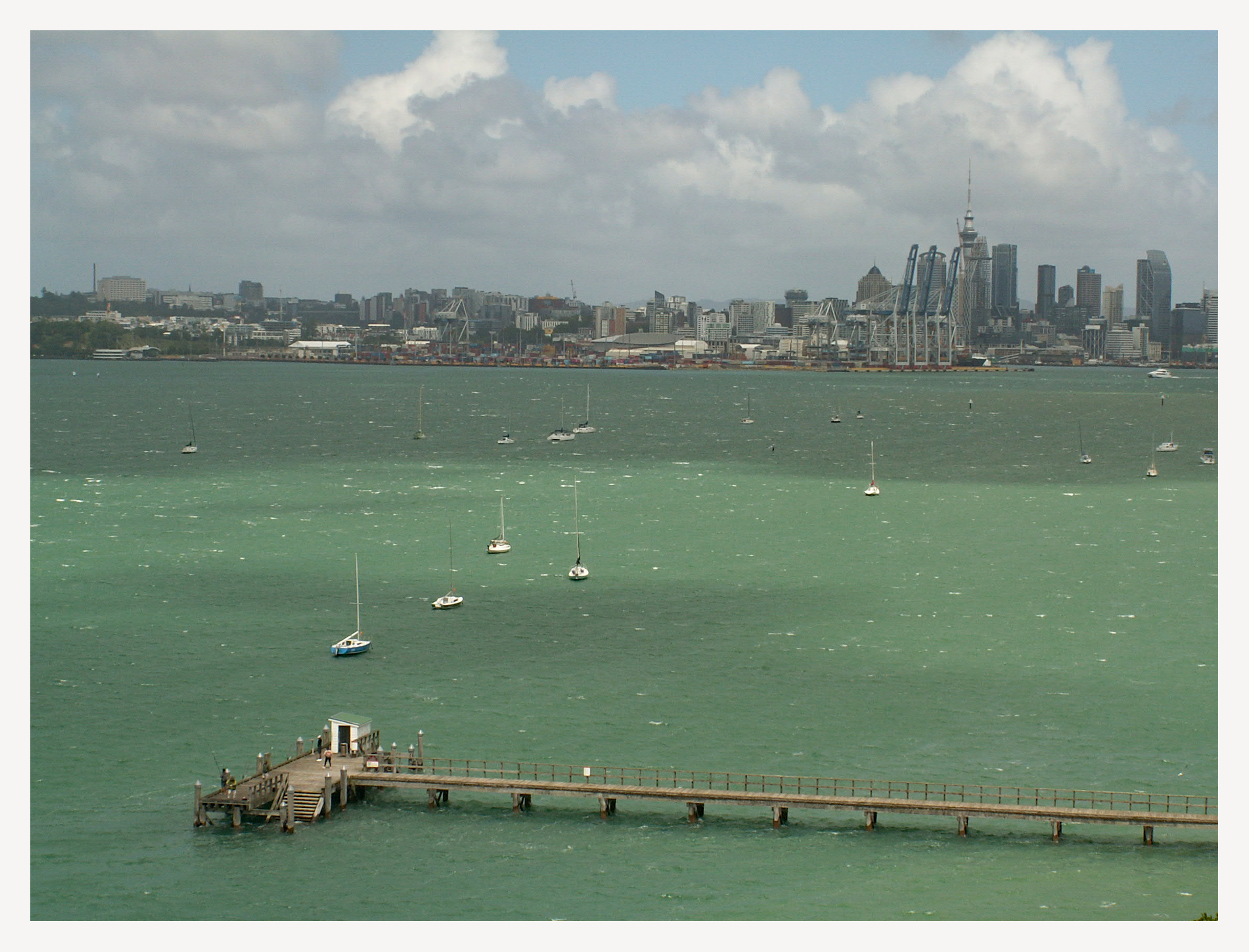
Loading in some AA’s (4 of them), I was pleased to see it come to life… quickly flashing ‘no memory card’. After a lot of fiddling, I found in its original firmware, this thing was limited to either 512mb or 1GB. I only had a 16MB card (about 5 photos) and several 2GB cards. Fortunately with some web hunting, I found the one and only firmware update it received (which was a big thing in 2004 really) – This allows it to work with 2GB SD cards – Excellent! Successfully updated, I headed down to Devonport on Auckland North Shore for a walk and shoot.
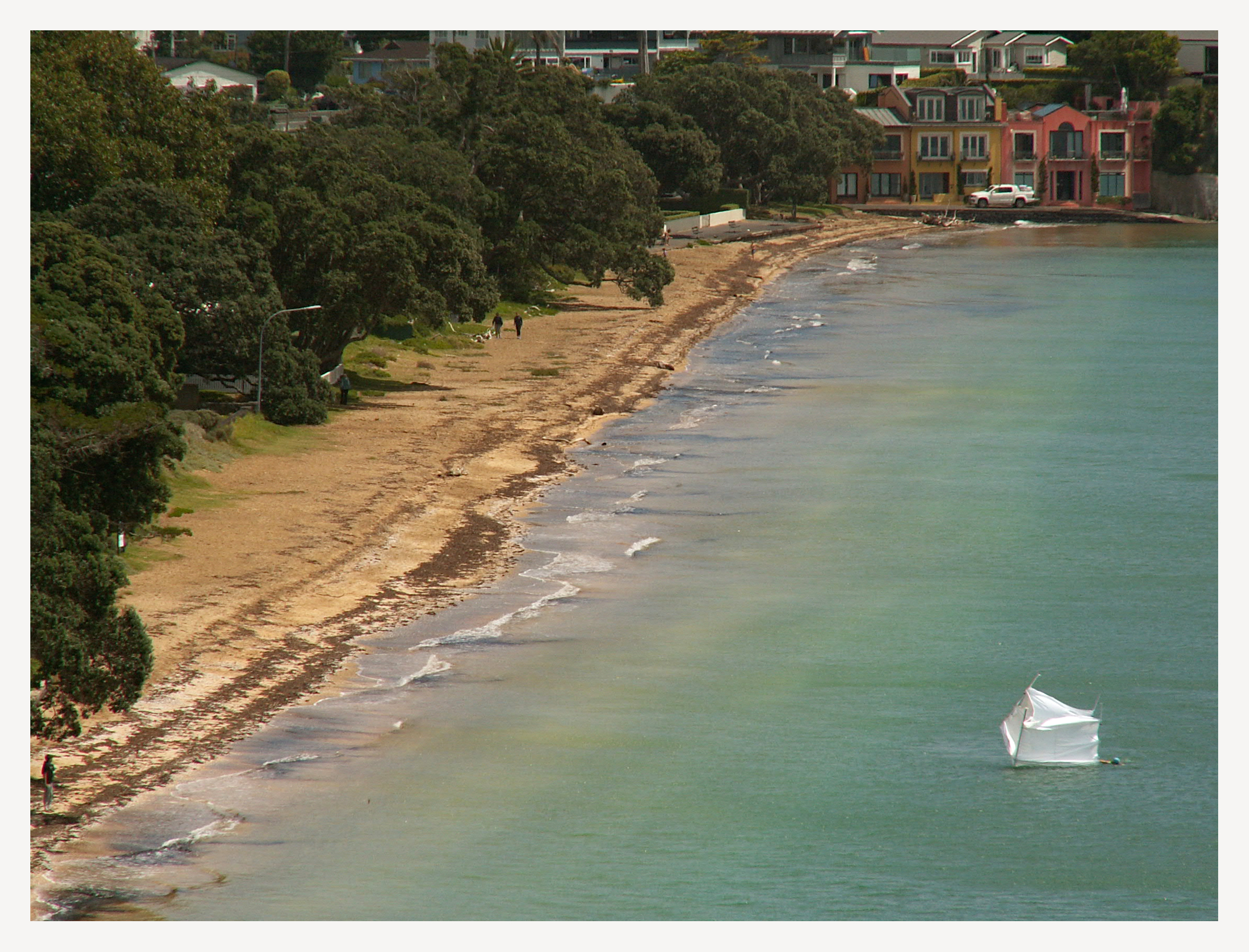
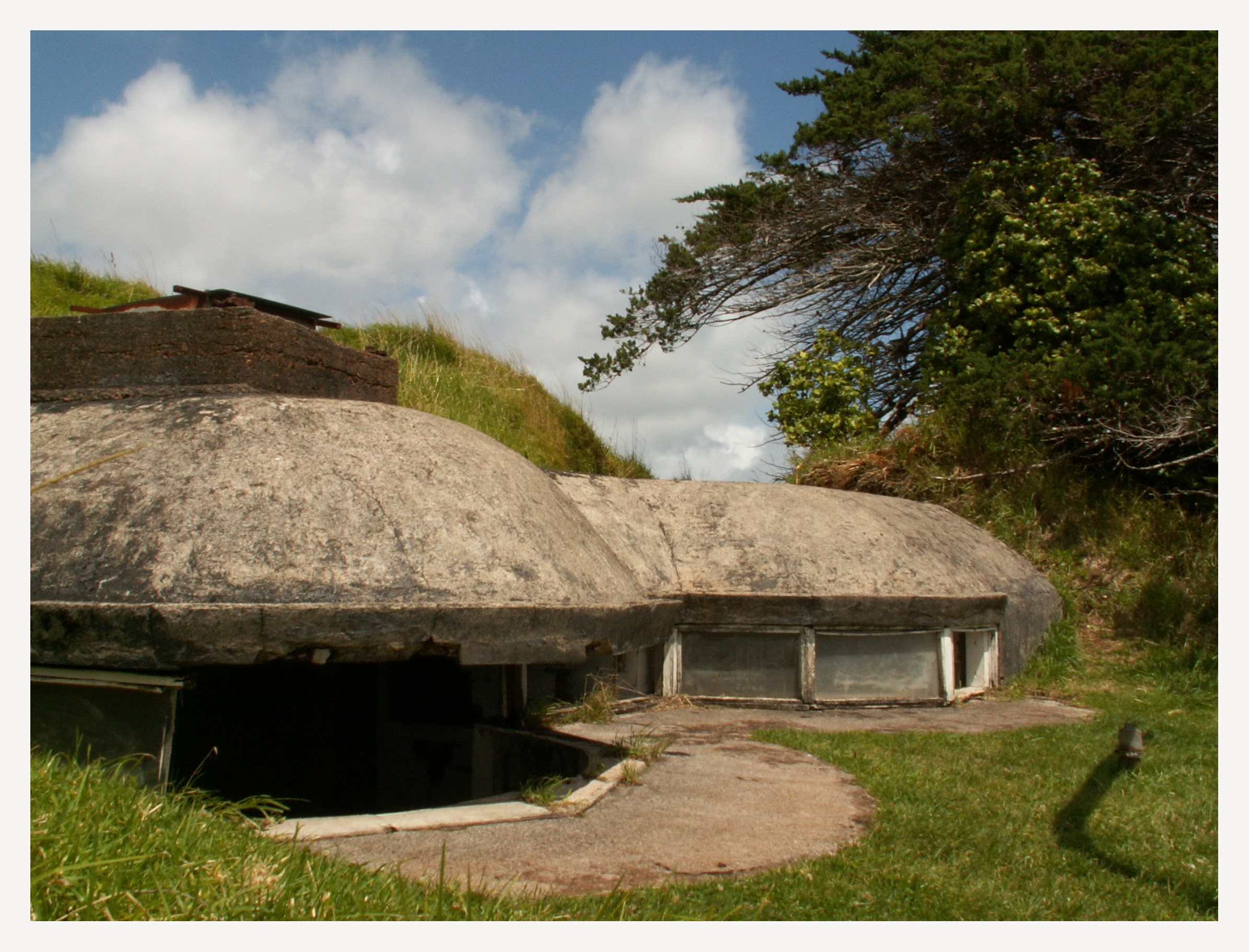
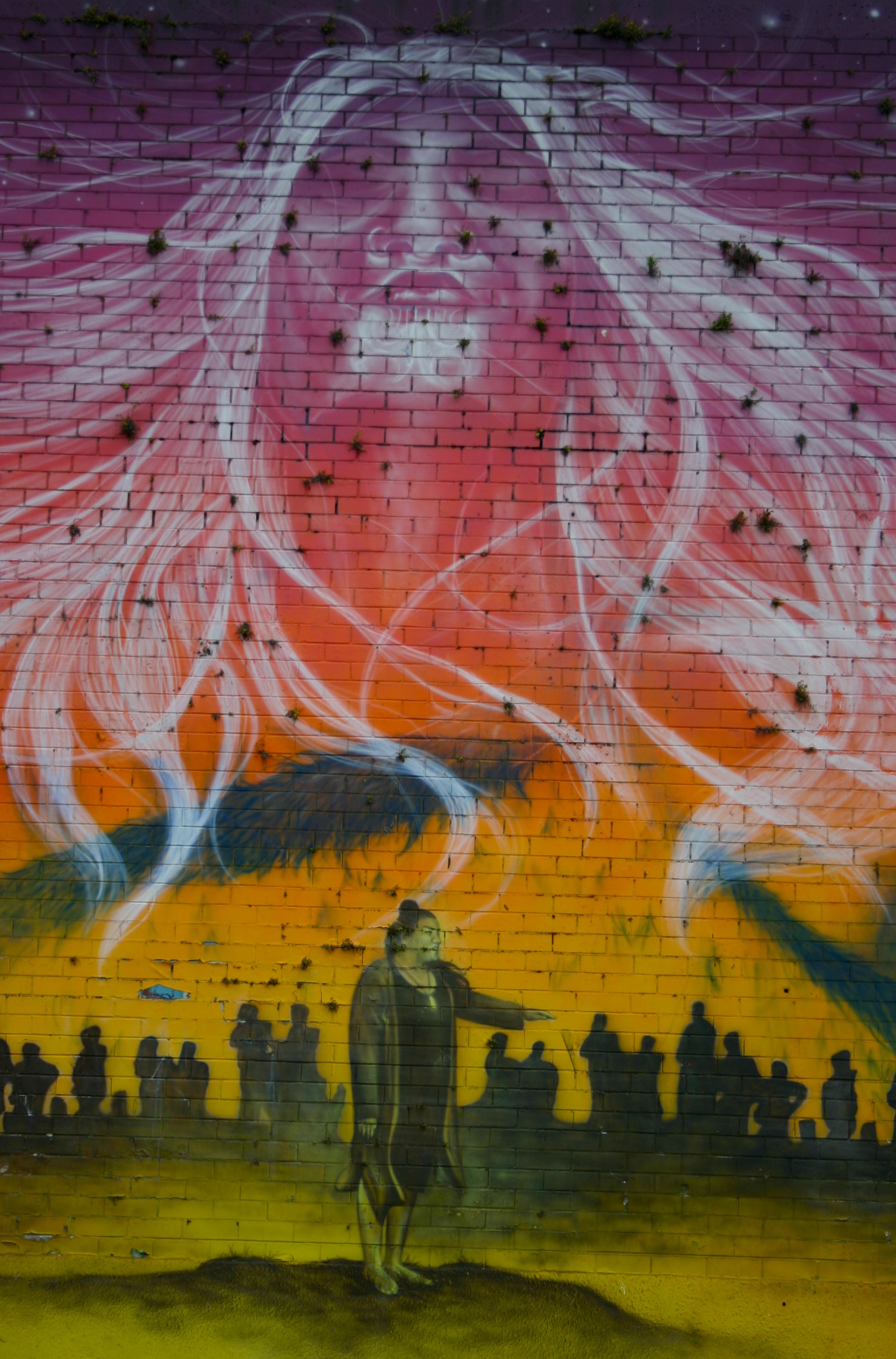
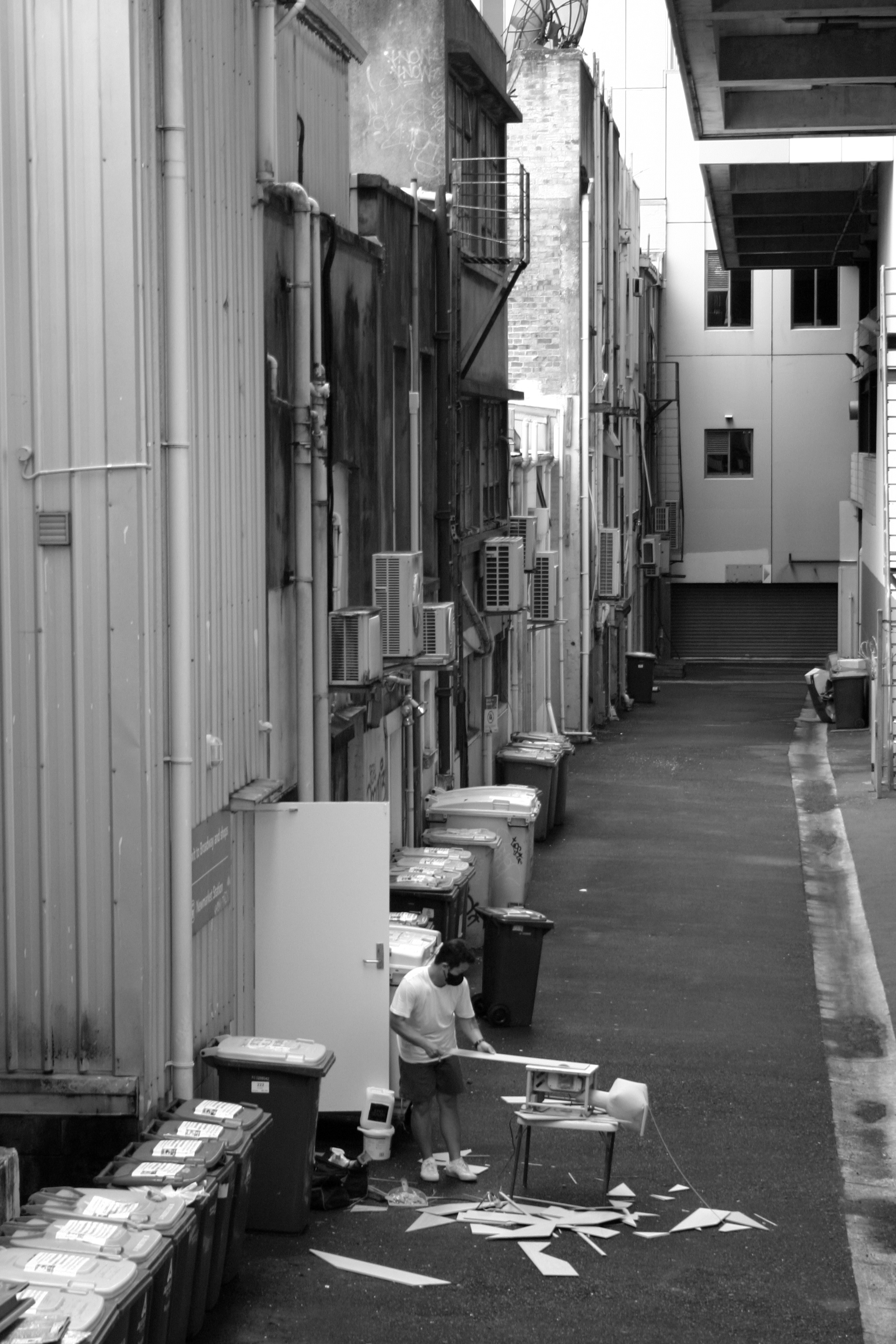
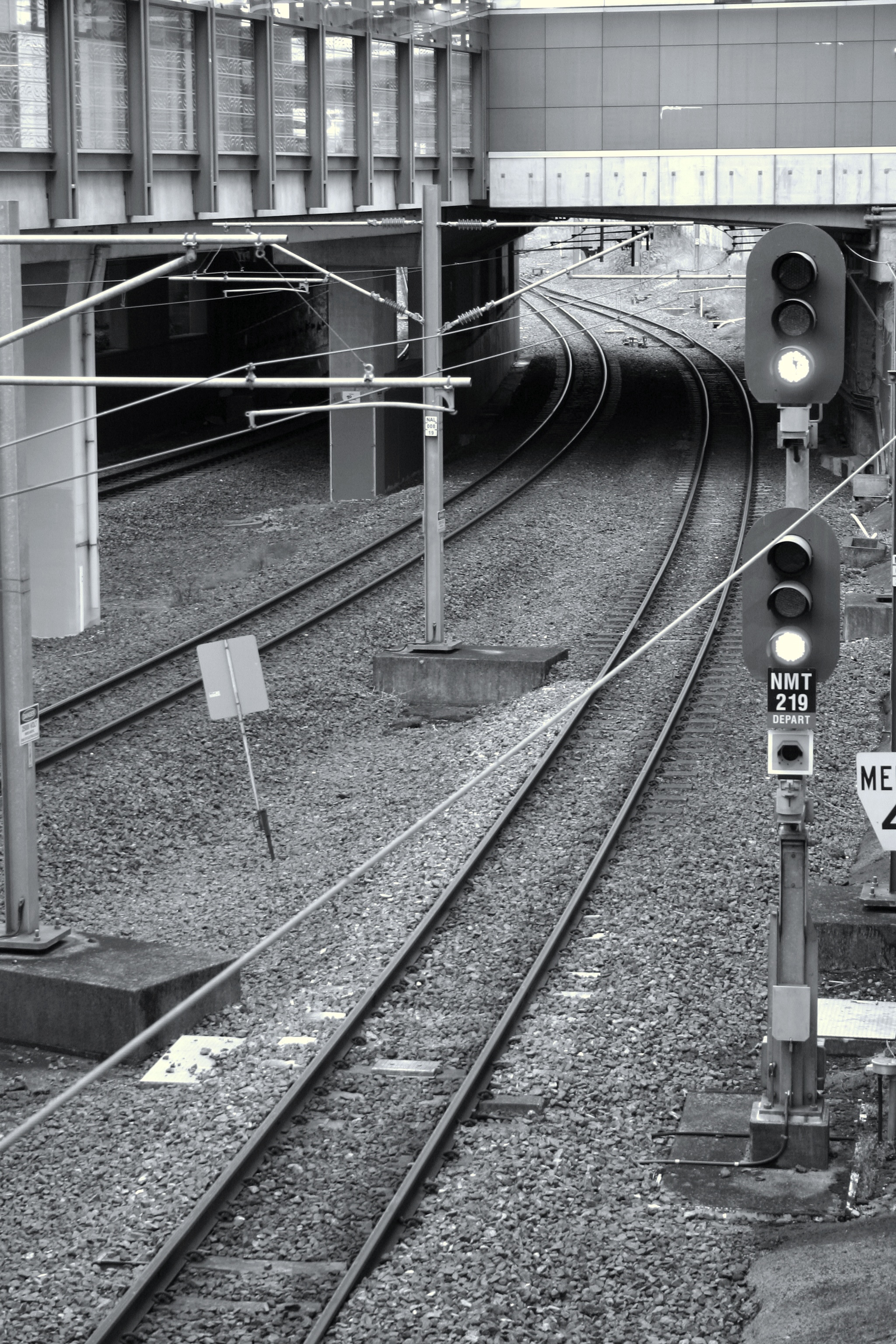
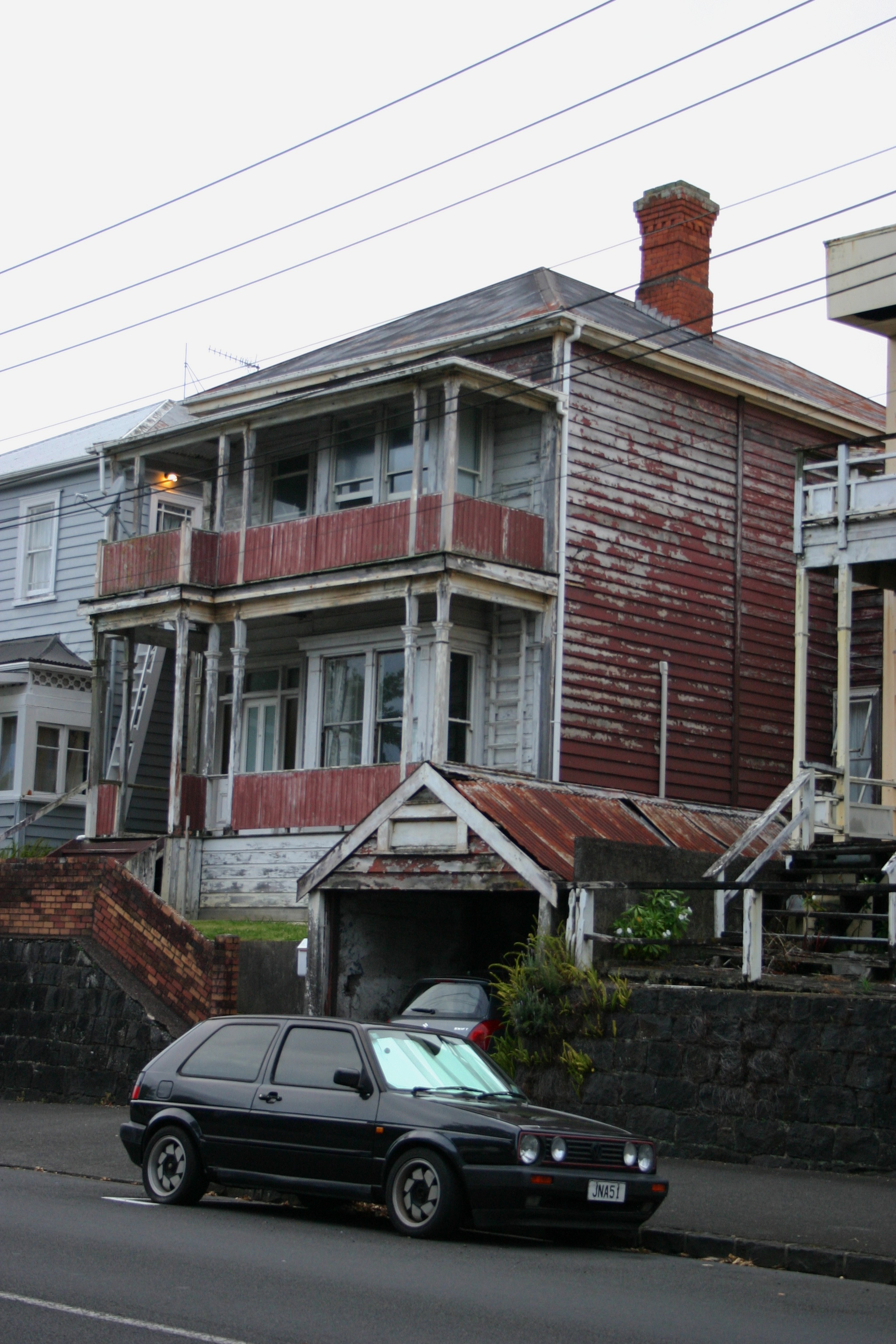
Now, Im a fan of keeping old tech going in general – less to landfill and all that. I have also slowly come to realise that in the digital camera world, though we have progressed so far in technology around sensors, some of the old stuff really is still pretty usable for hobby grade life. Below 4MP is pretty creative stuff (I had a floppy disk camera set a few years back – less than 1MP), but 4MP up – it’s not terrible!…it’s viable. Are all these shots detail rich? – no… but they are not total blurred mess either. Creativity at junk prices can be had! The 35mm zoom equivalent of this thing is 35-420mm F2.8-F4.5 (ASA/ISO is 50-400)- thats a lot of zoom in a large coat pocket. The colour rendering is… nice. I didn’t do much editing at all in these images here – just a boarder, de-haze and for a couple a graduated filter as the sun was harsh and the sky was all over the show (as was the rain) today – old cameras do lack dynamic range for sure! (but so did slide film).
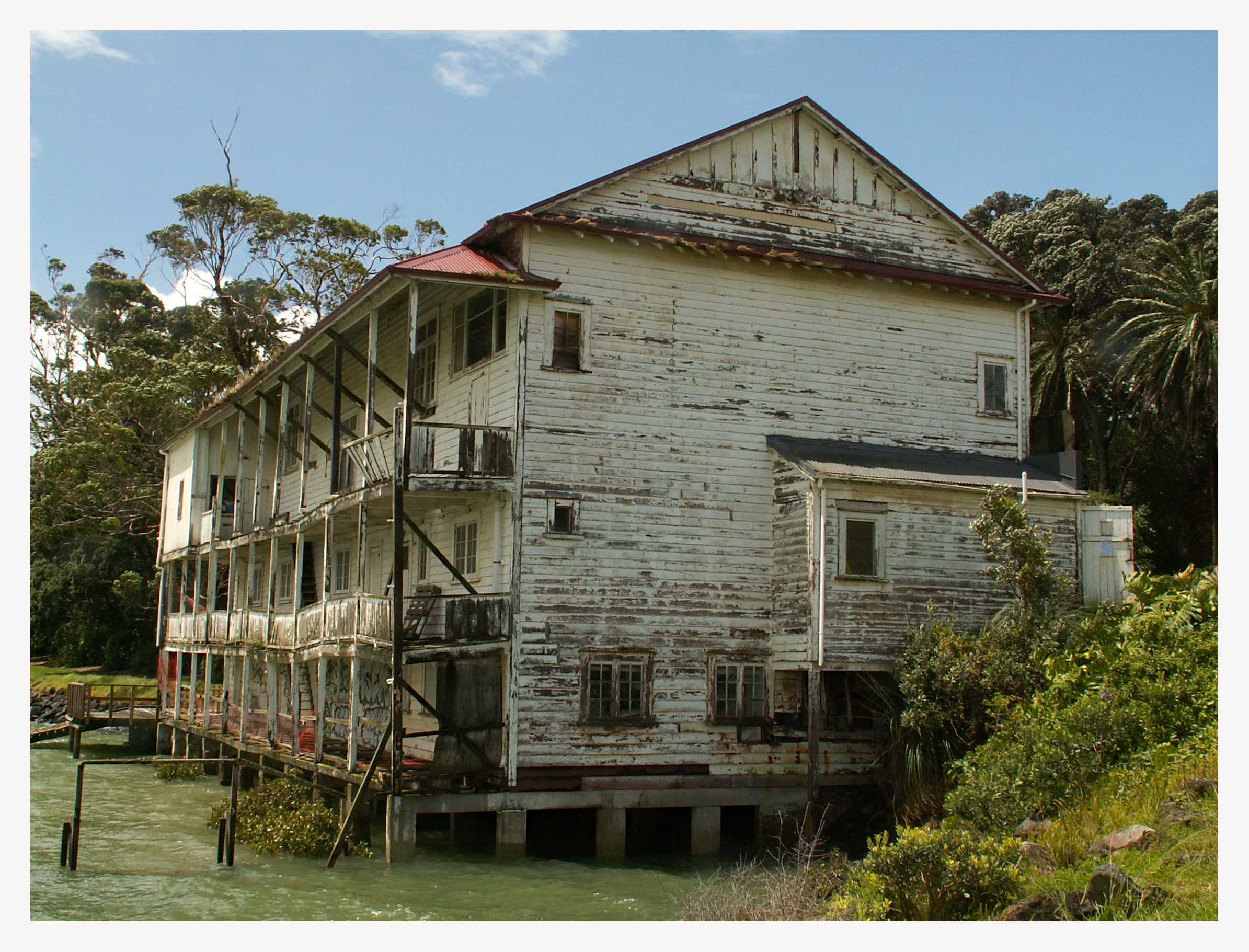
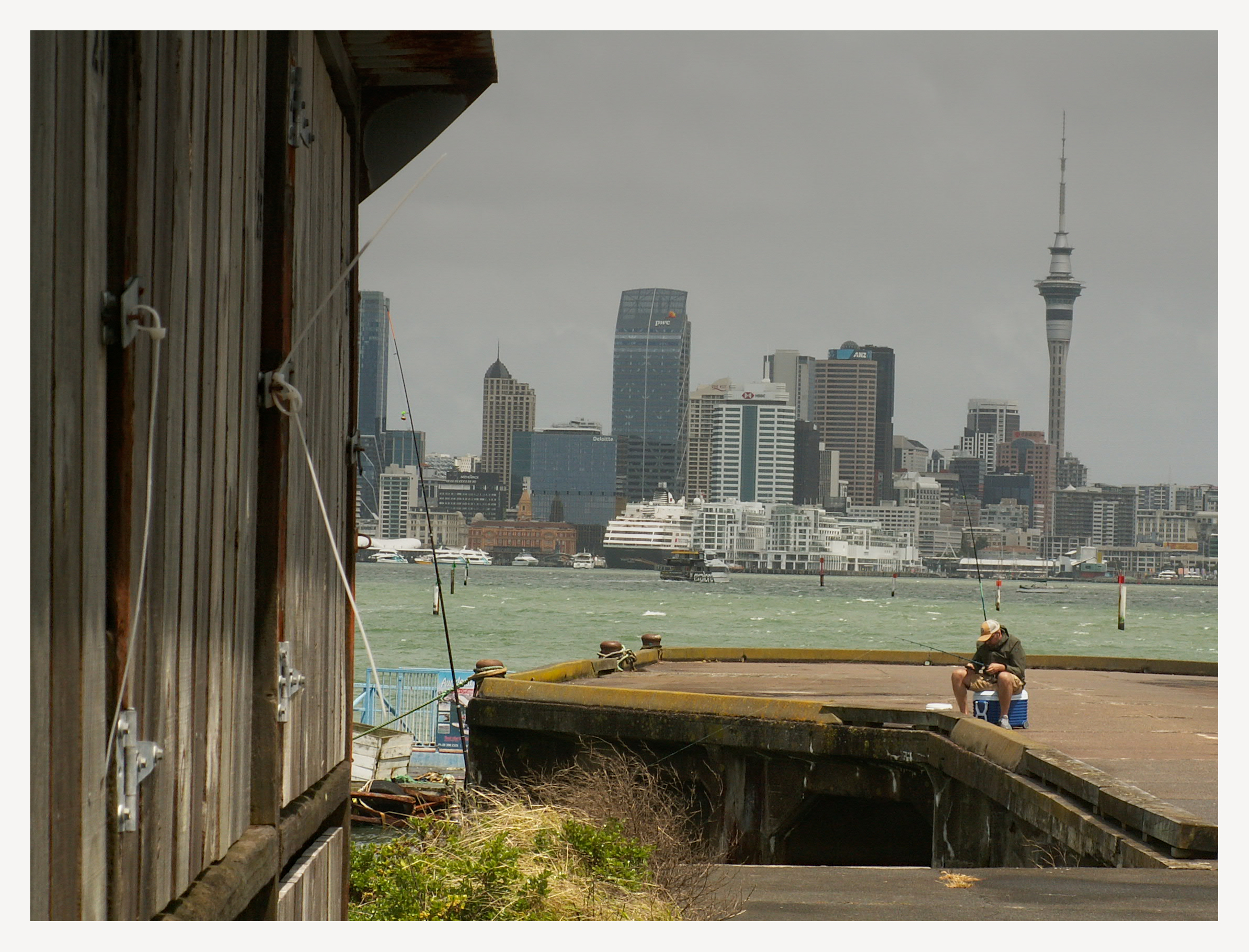
I went in with pretty low expectations.

“I’ll shoot a ‘roll’, pick a few images I like, write a blog post and find it a new custodian as I need to recoup costs and I’ll never touch it again”

Im now not sure I will let this one go just yet. It was a joy to shoot really – having the (very early) EVF and option to turn on to that by default was a pleasure. The camera is full of mode and setting options. The zoom range and all things considered quality of image at full zoom for such an old relic at 4MP really is fantastic. Now I need to make up my spend finances another way. It seems I always have a Minolta in the collection one way or another! (old school Minolta fan here)
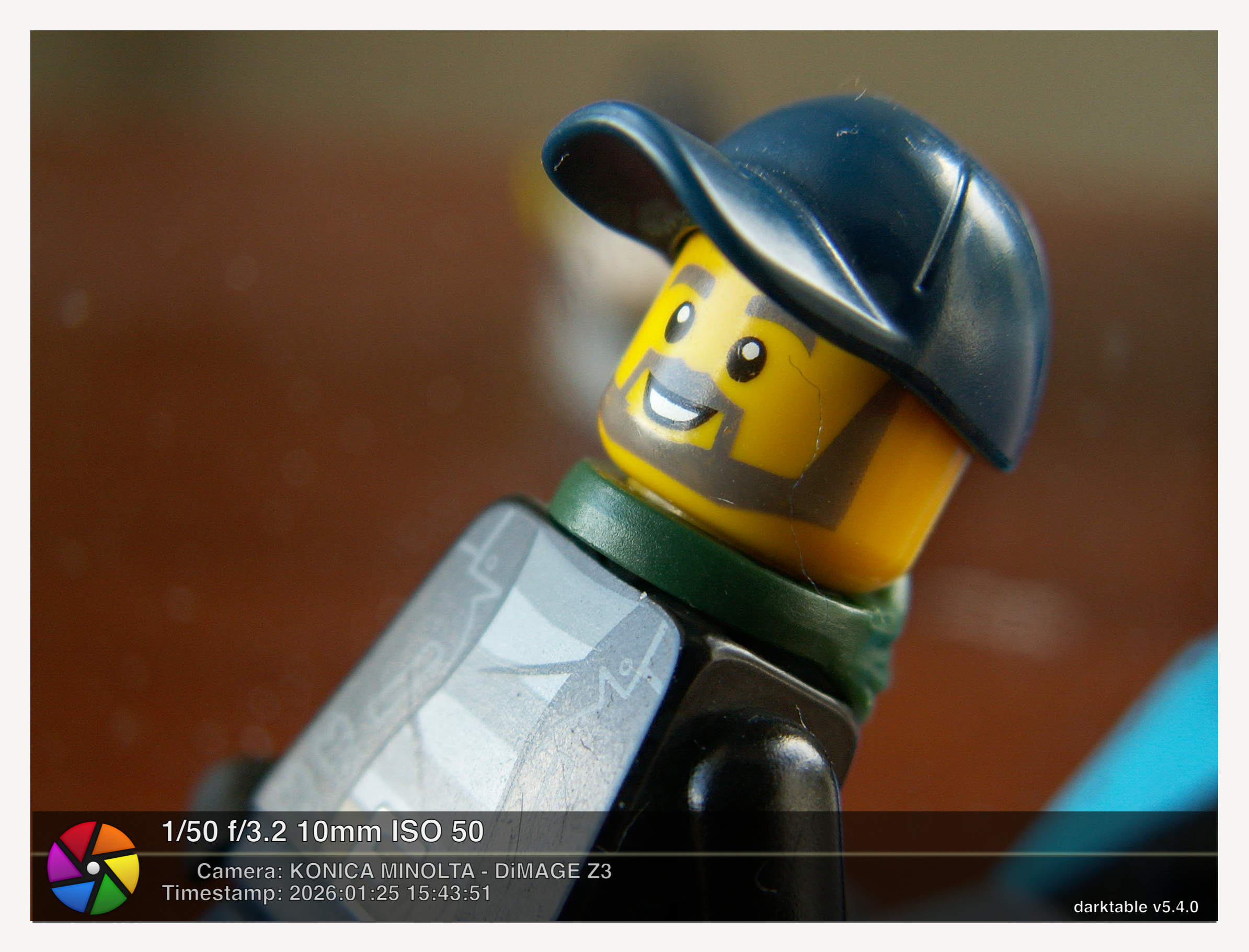
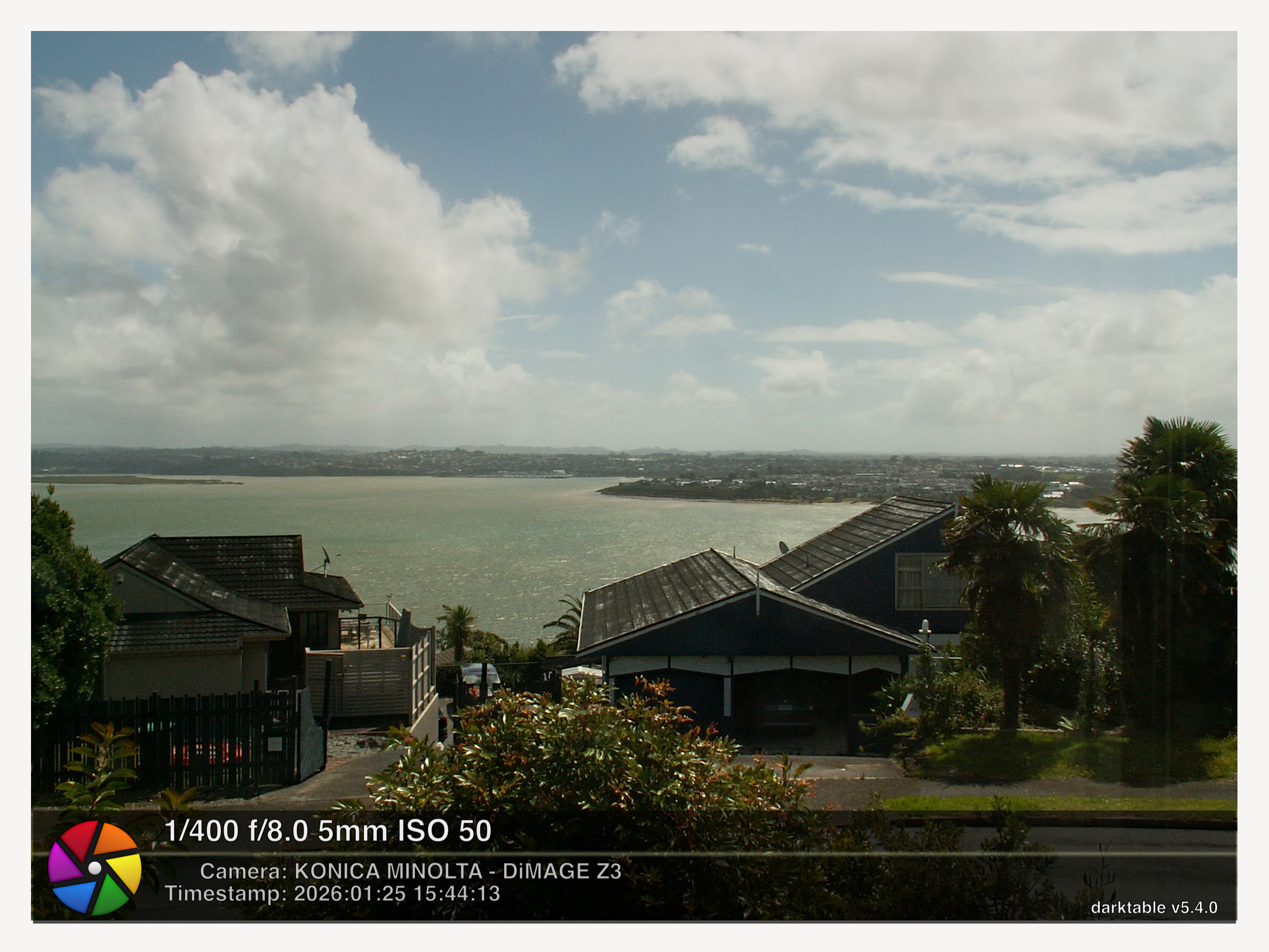
These last three shots just show the range of this camera – ‘super macro’ – 1cm from subject. Full wide, and looking central to shot, full zoom (behind dirty glass windows for those two).
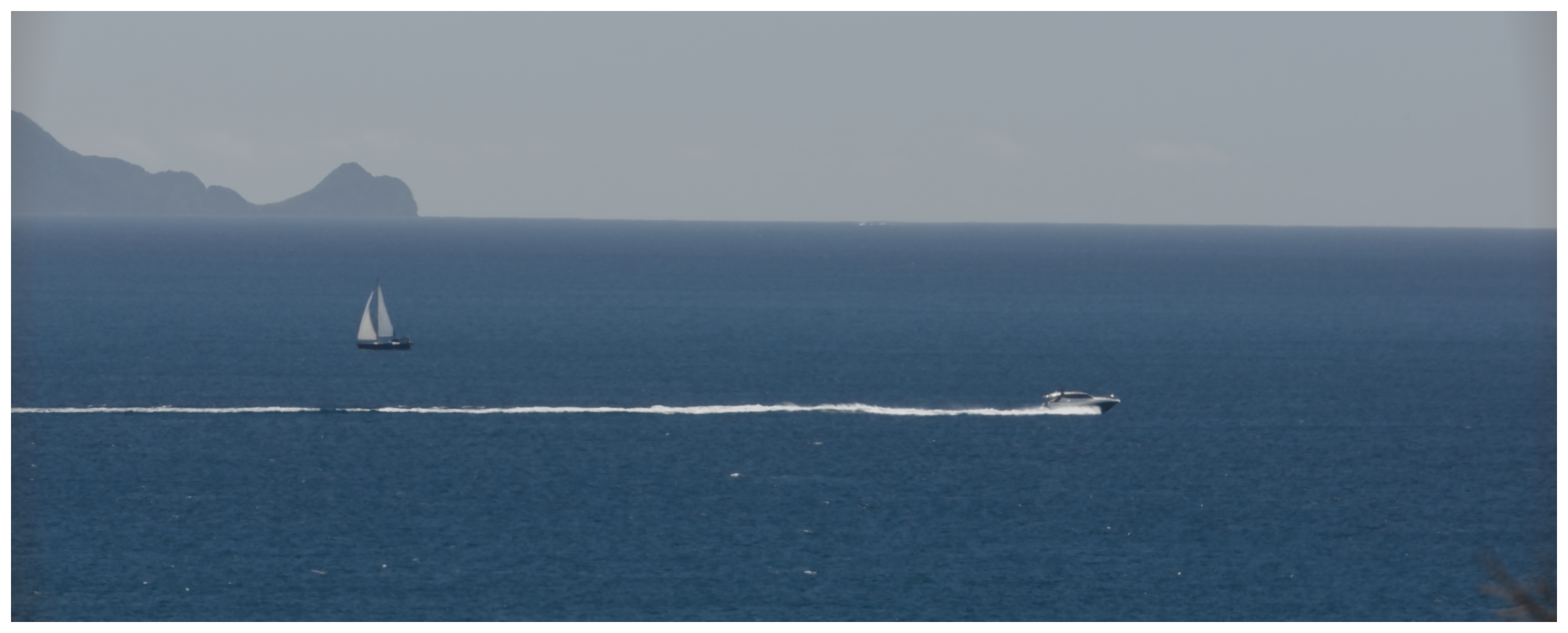
The Journey or the Destination

As I leave my summer holidays behind and return to work, I begin to look back on my time off. I shot this image on my Sony Nex 5N whilst camping the other week at the gateway to the ‘Far North’ of New Zealand. It was shot at the far end of the 210mm (so full frame 315mm’ish), handheld climbing a hill and wide open. As a result, it’s not the sharpest image in the box… but I like it.

The paradox between the two subjects. One powering along at high speed, leaving a trail. The other, full sail, but slowly pushing in the opposite direction, leaving no trace. I’ve titled it ‘The Journey or the Destination’, but who knows – it’s all relative and you can interchange the story for both subjects. It was kind of the theme of the walk of the day also. I had a goal of where I was getting to, but as I will share another time, I stopped along the way at many points taking in the scenery.

Neither ‘Journey’ or ‘Destination’ exist in isolation. If we only look to the destination, we can diminish the value of the journey – missing moments which simply make up ‘life’. Focusing on the journey without destination can lead to aimlessness – a world of moments, but for what – where is your ikigai (reason for being). Both have a part to play
Make sure you have a bit of ikigai in your journey today – it does not need to be large, world changing, skilled or profitable. Just one small thing which sparks a sense of joy or purpose in the day.
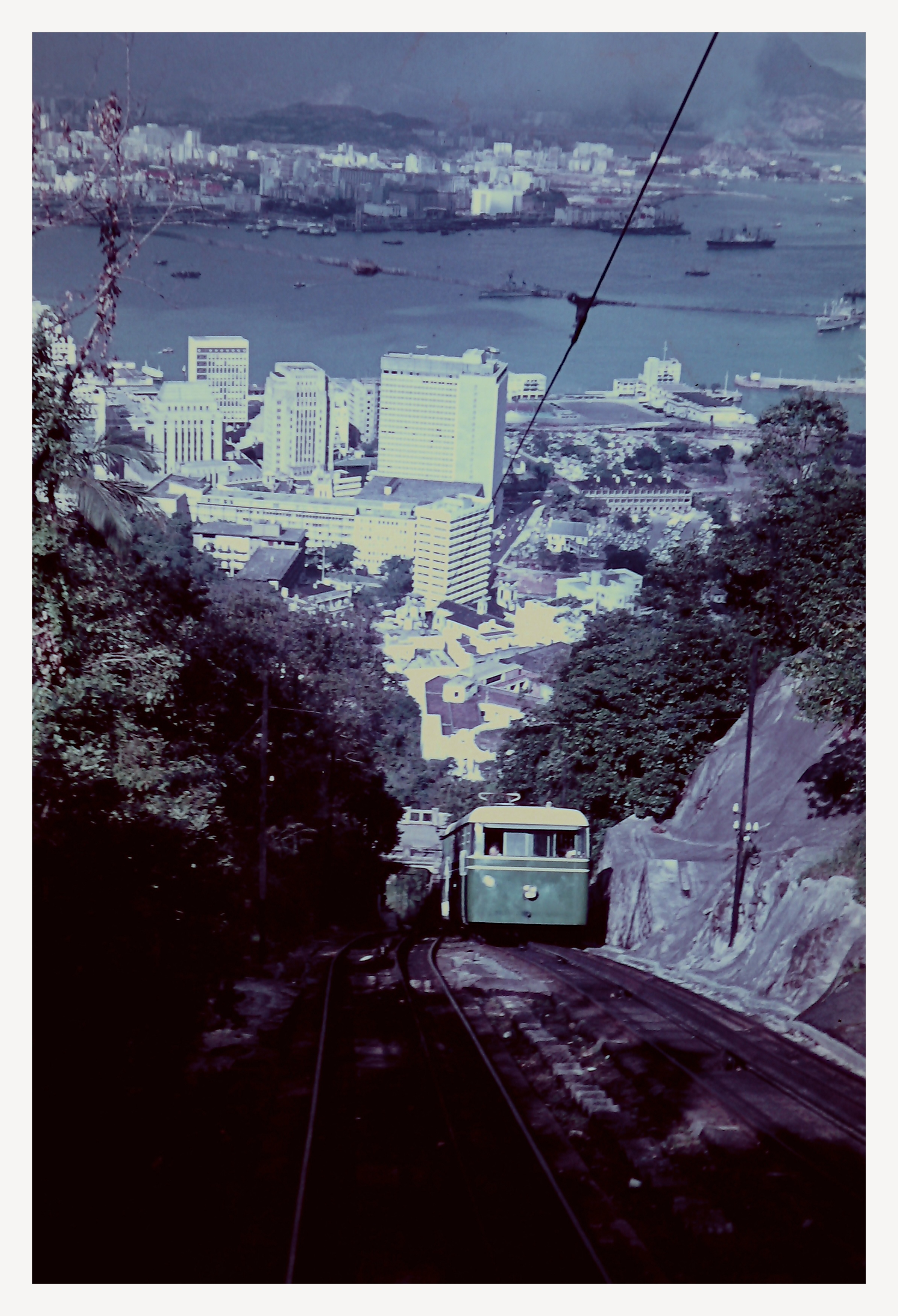
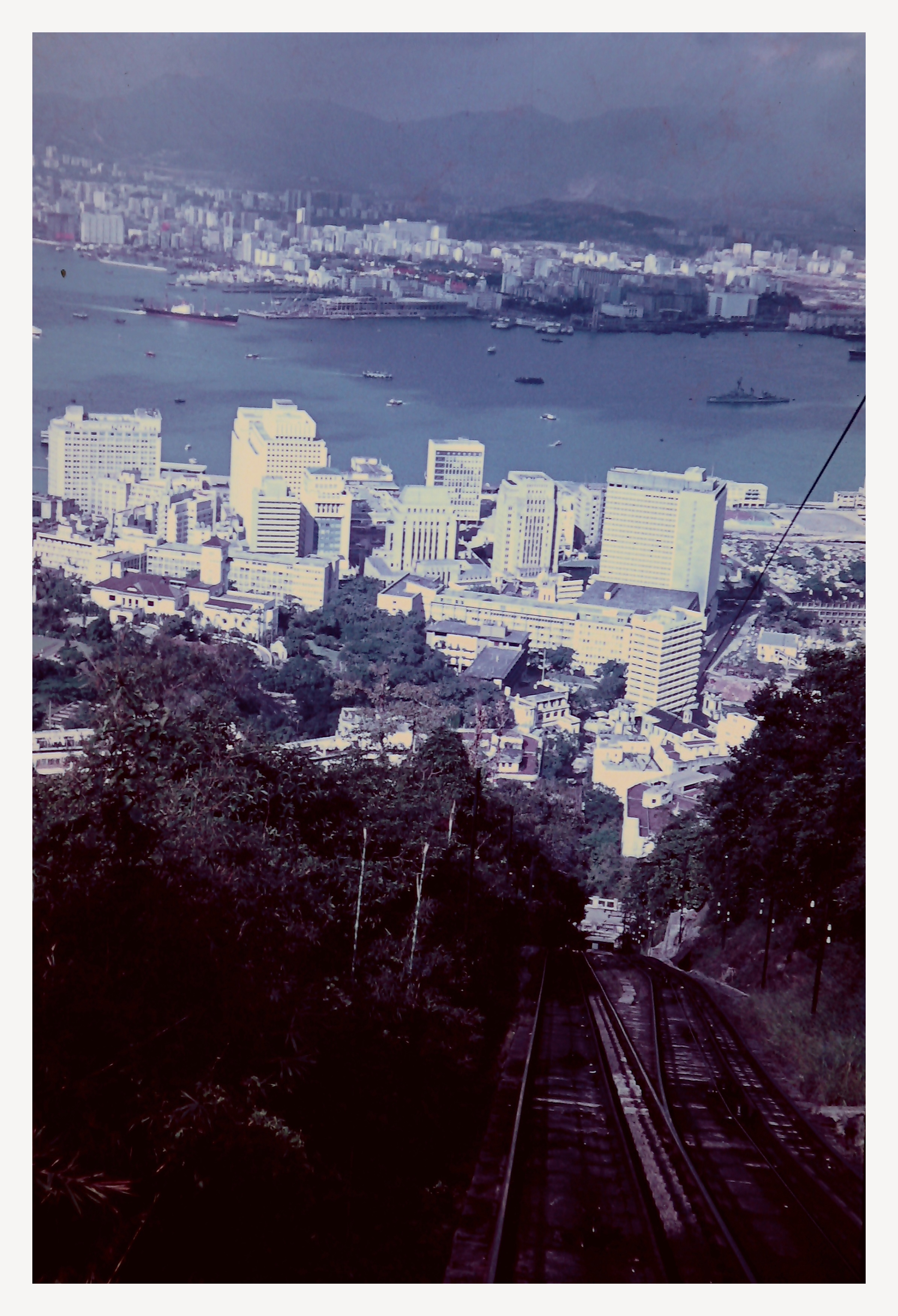
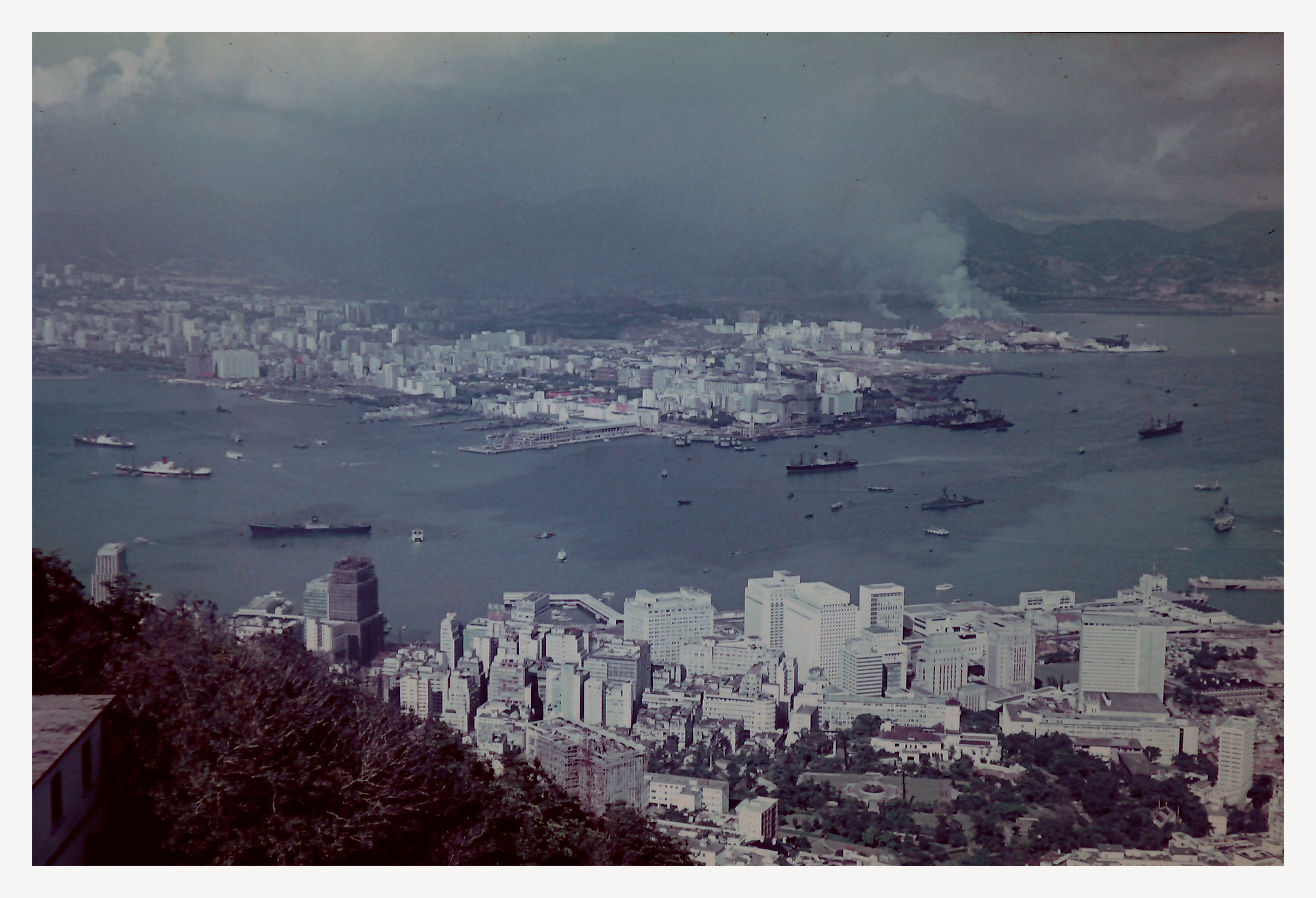
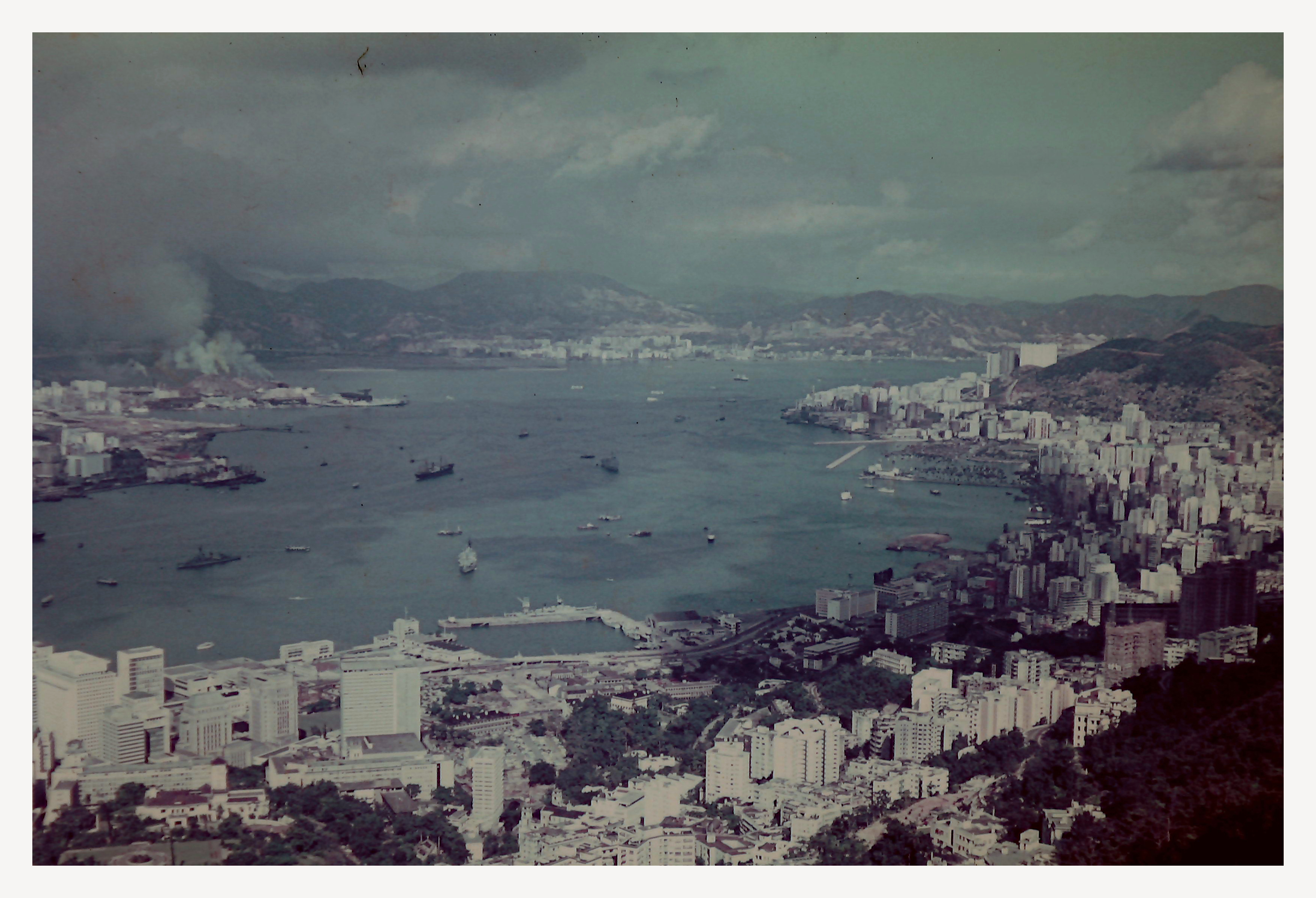
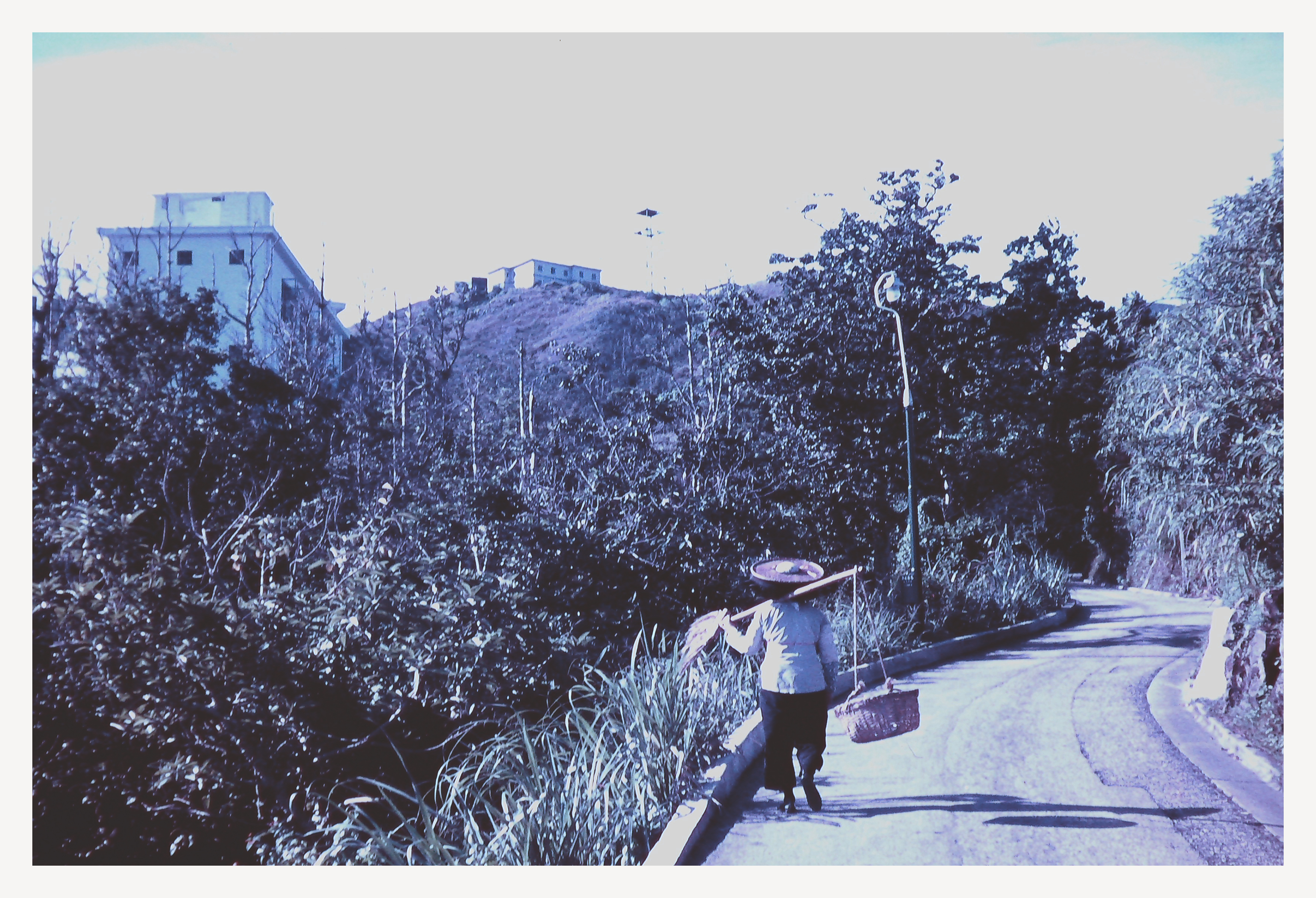
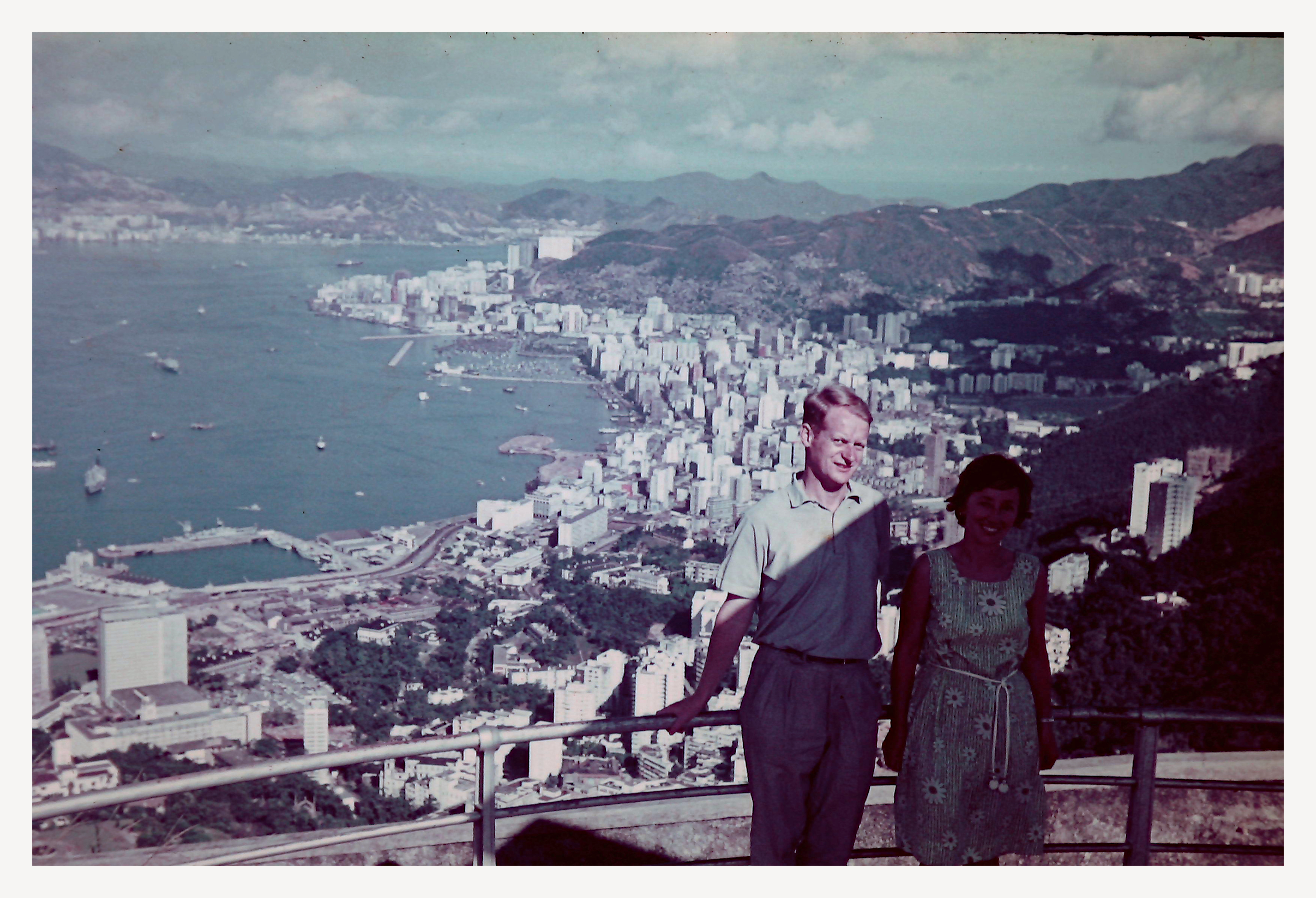
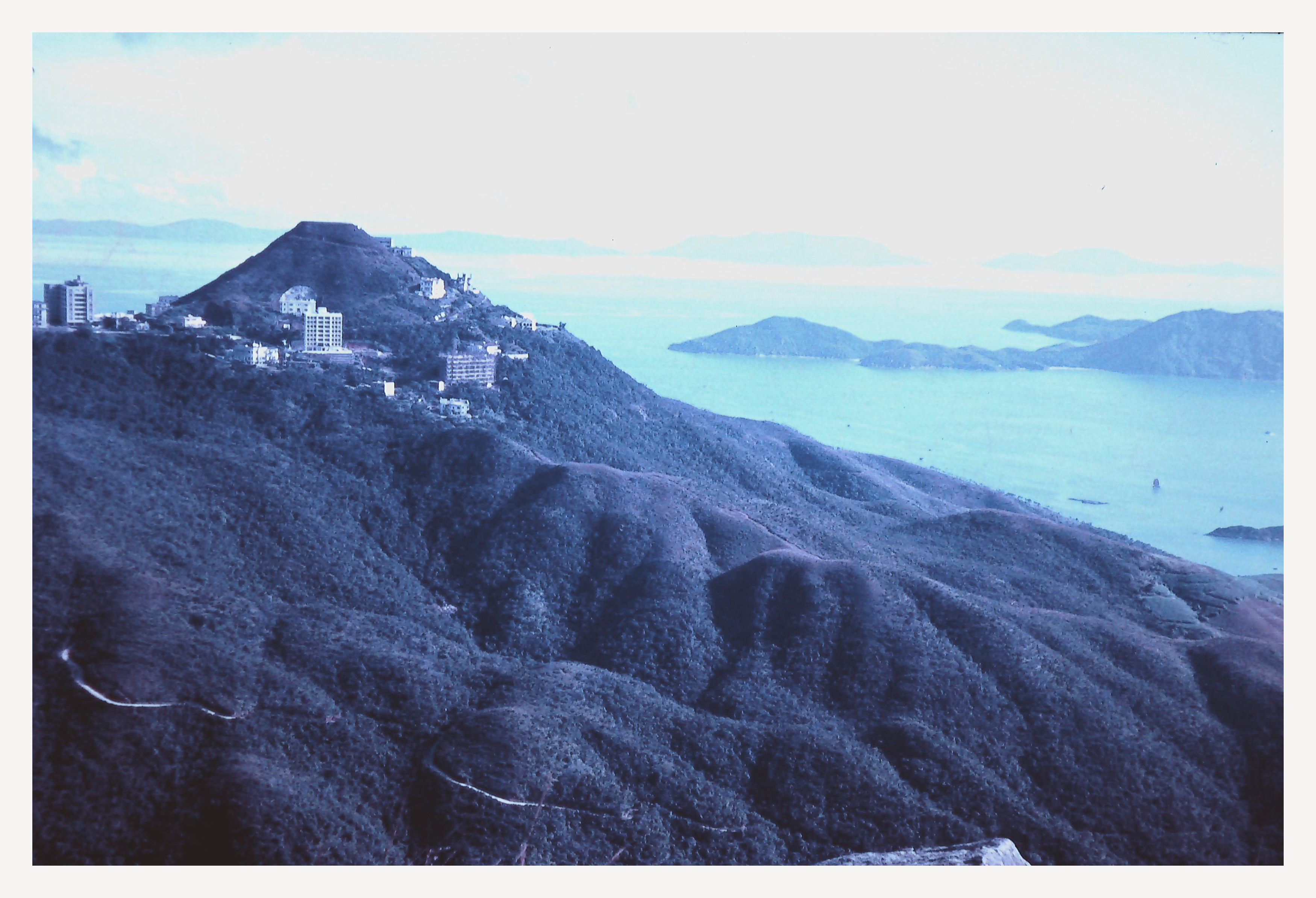
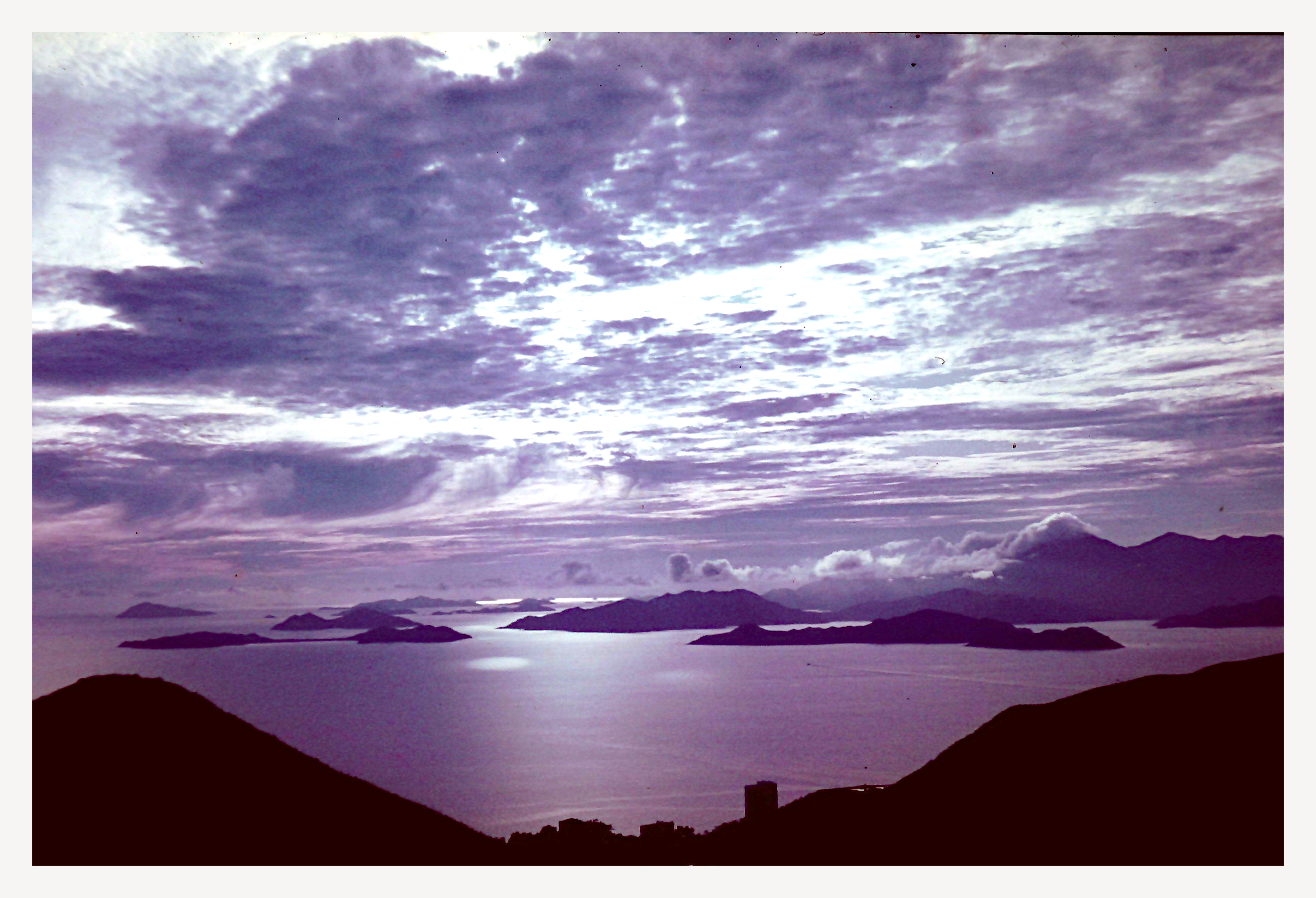
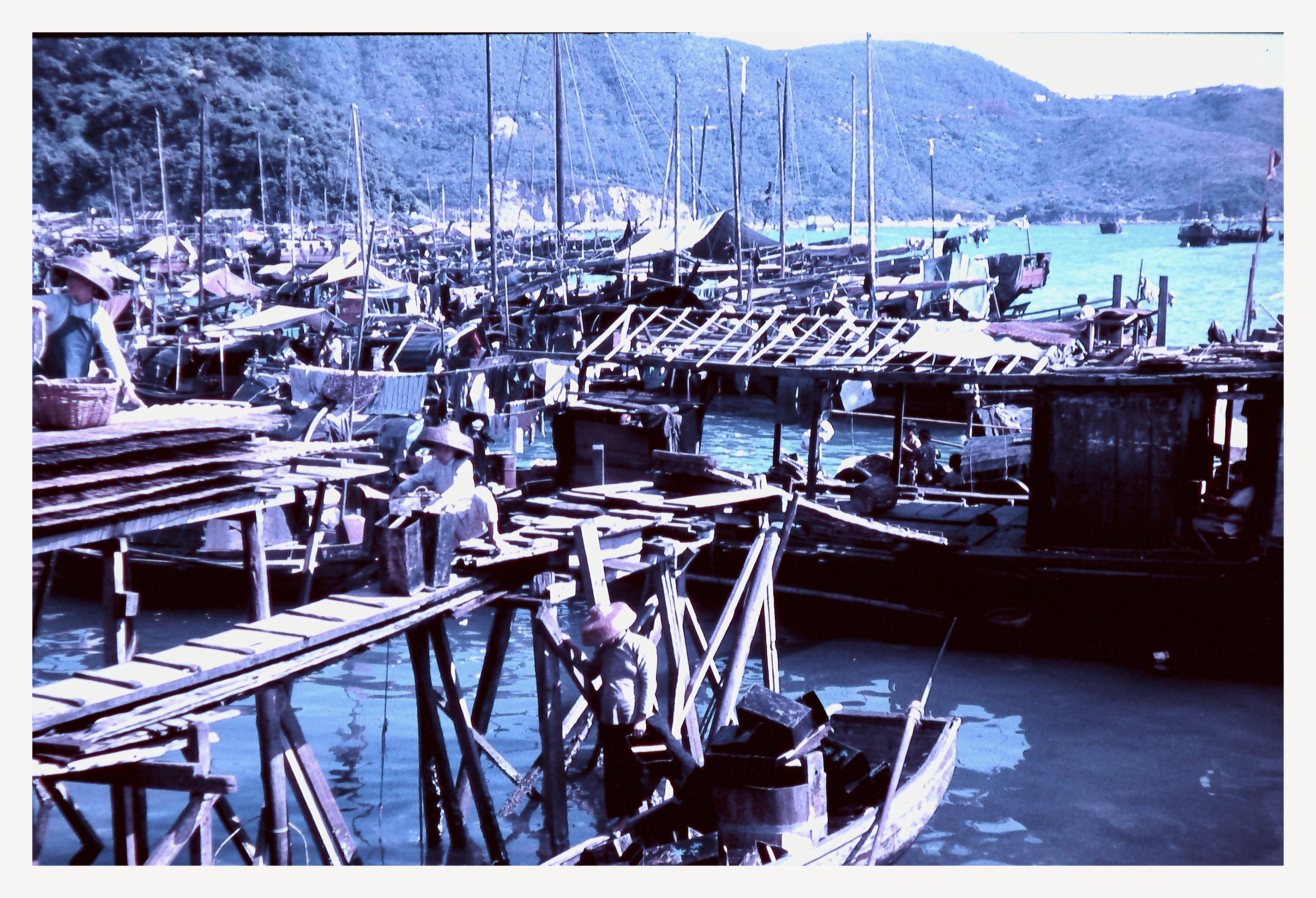
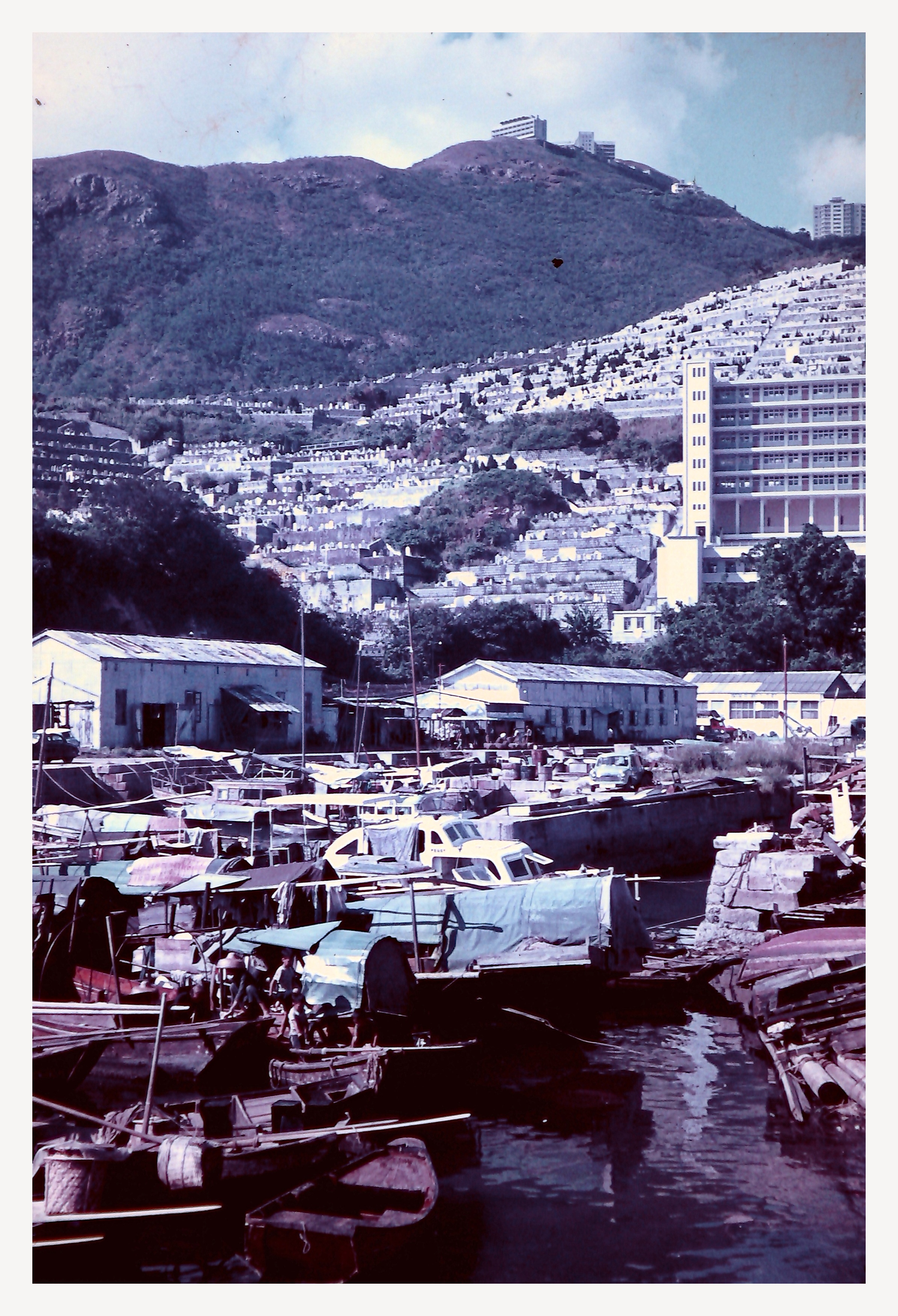
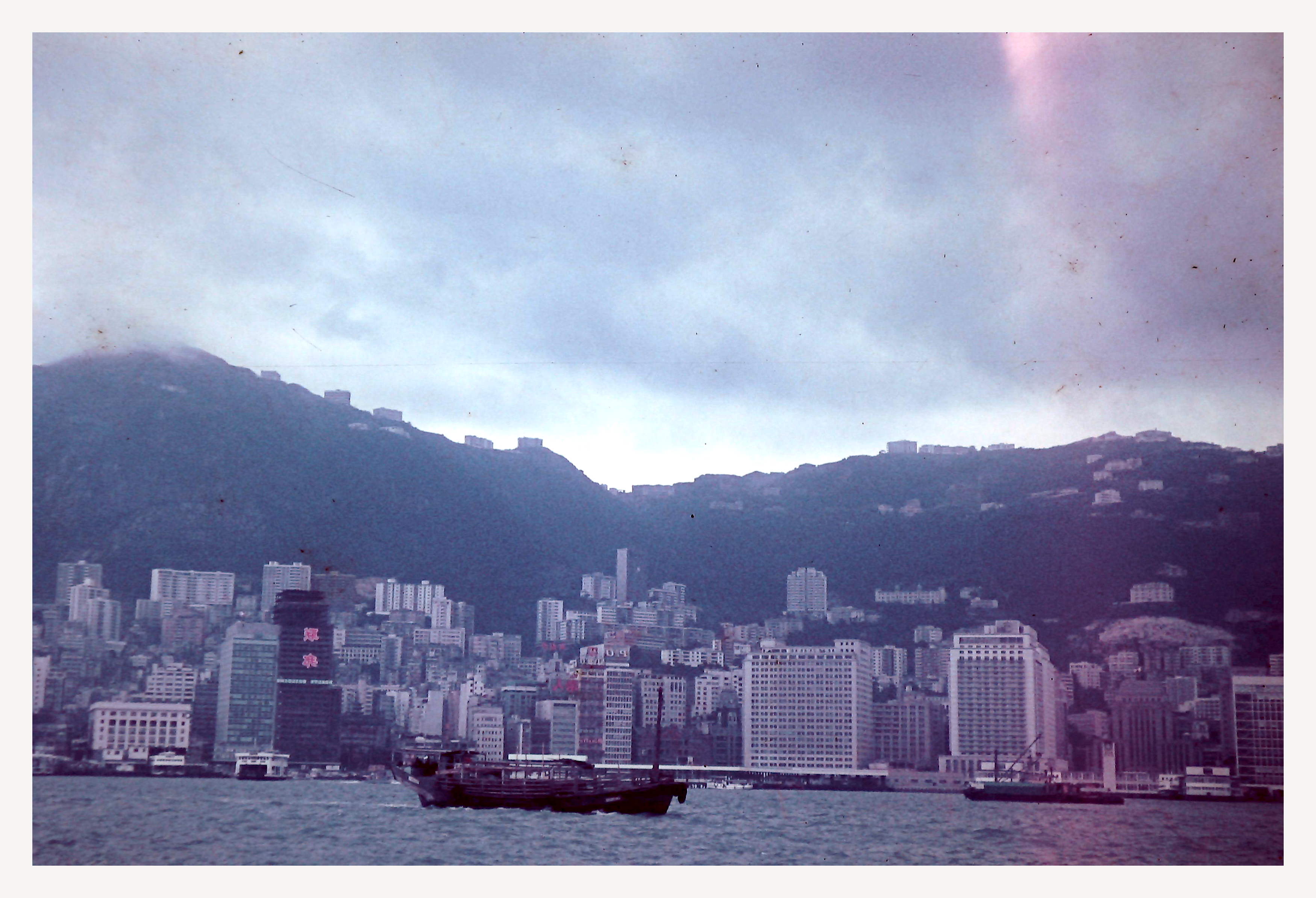
Through Someones Vintage Eyes – Hong Kong

A new, very occasional feature?

Other peoples images create different stories in our minds. Sometimes we get the narration, like me blogging here and you reading. Other times, we just have an image with no story and need to fill in the gaps with our imagination.

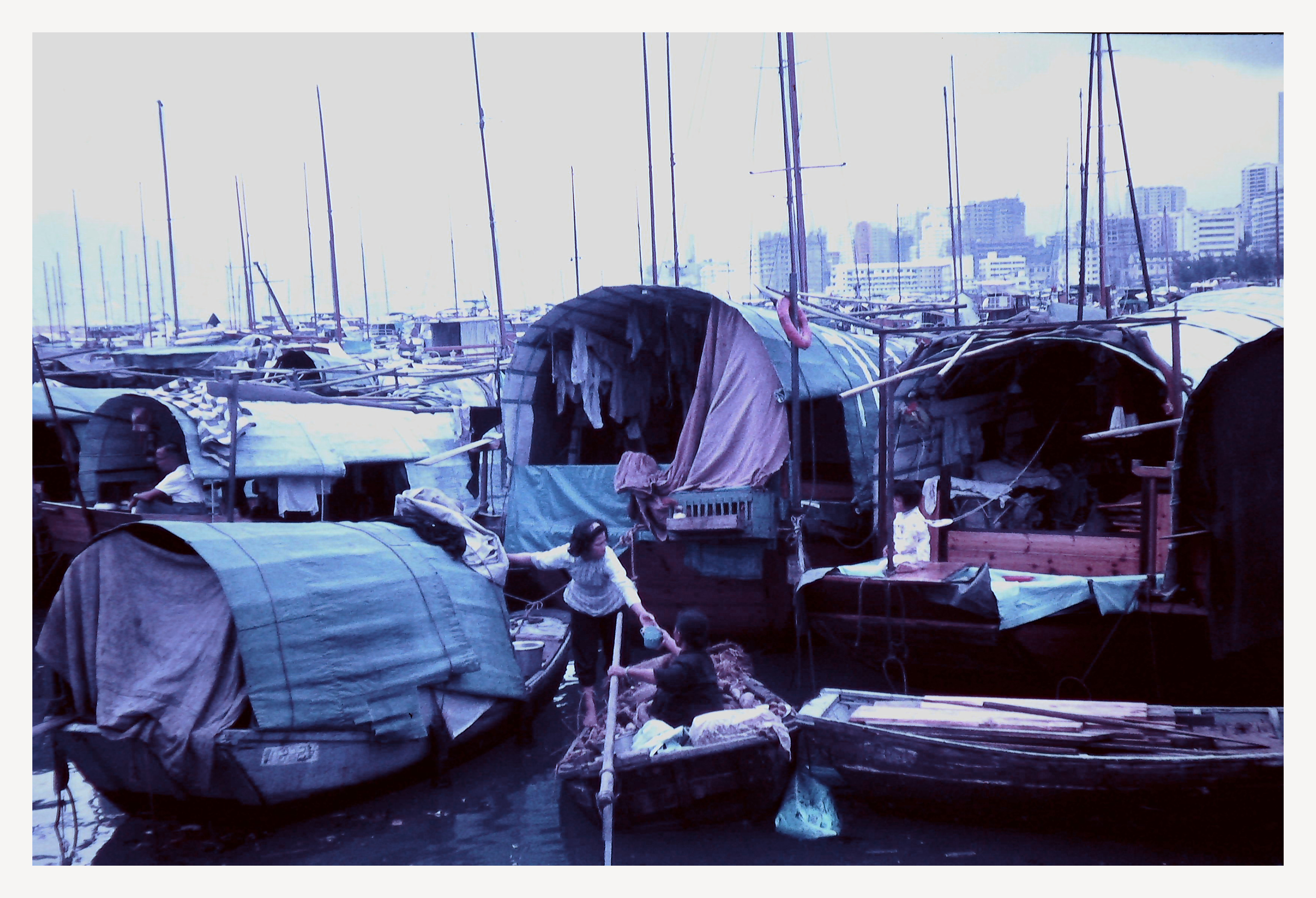
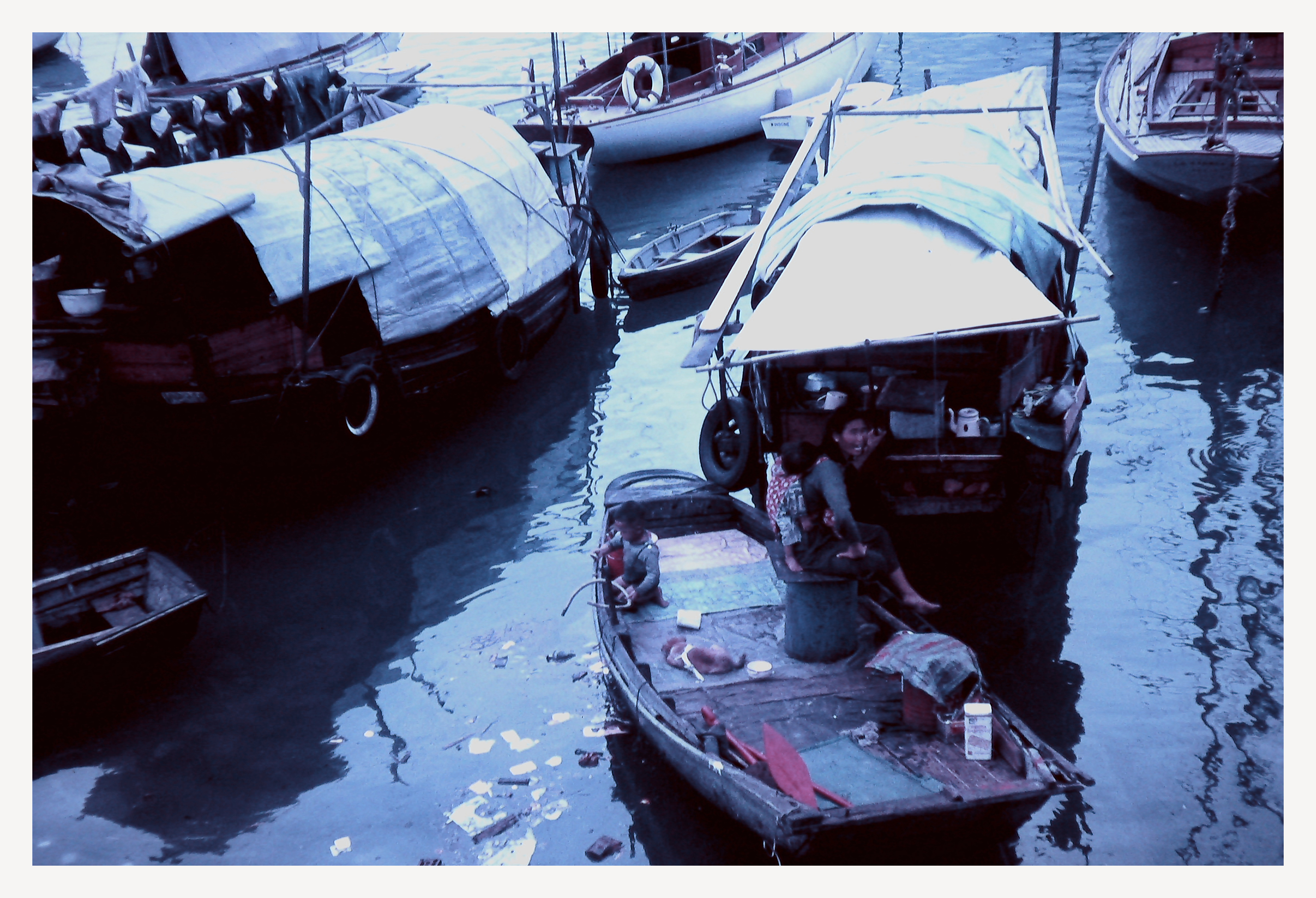
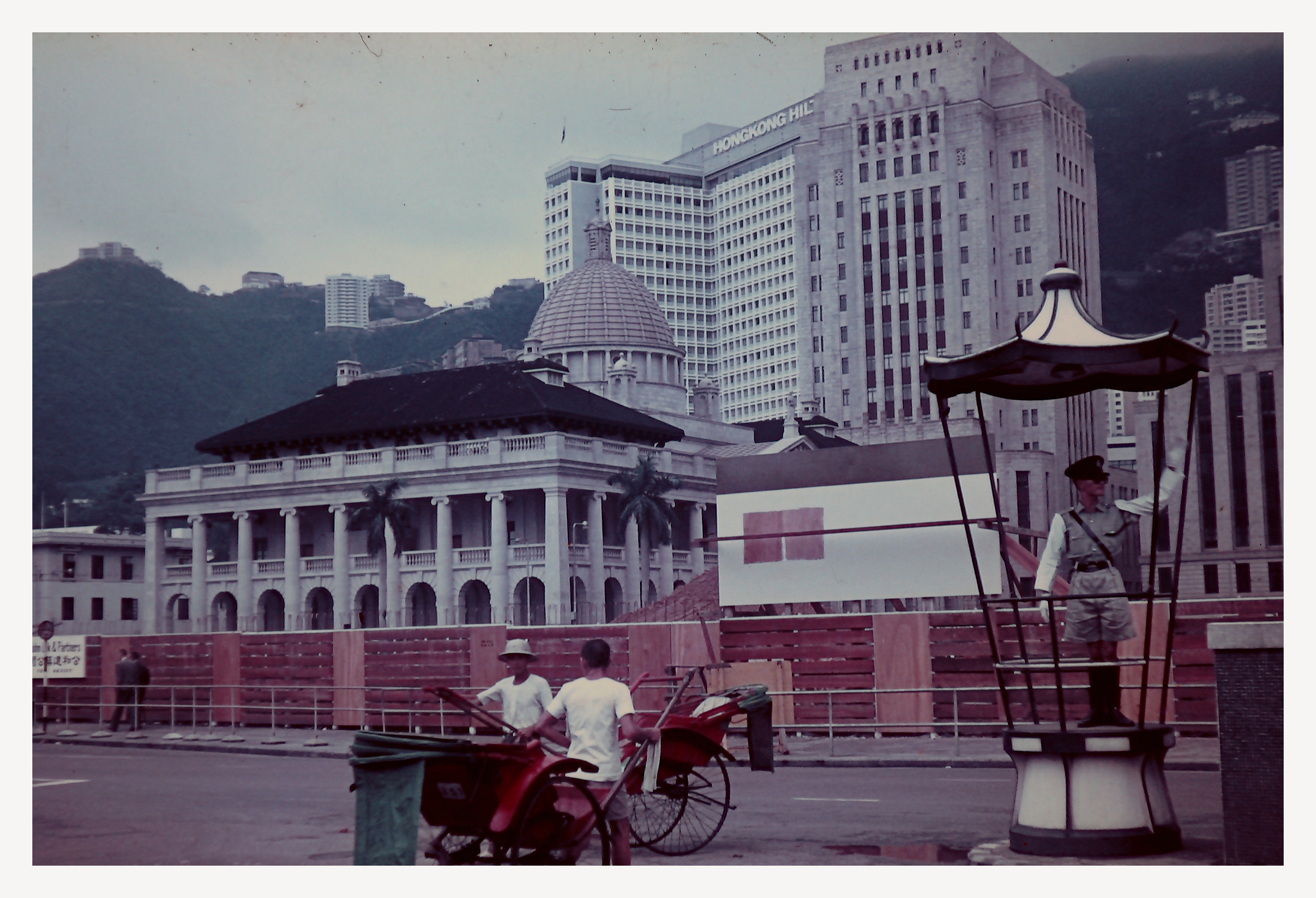
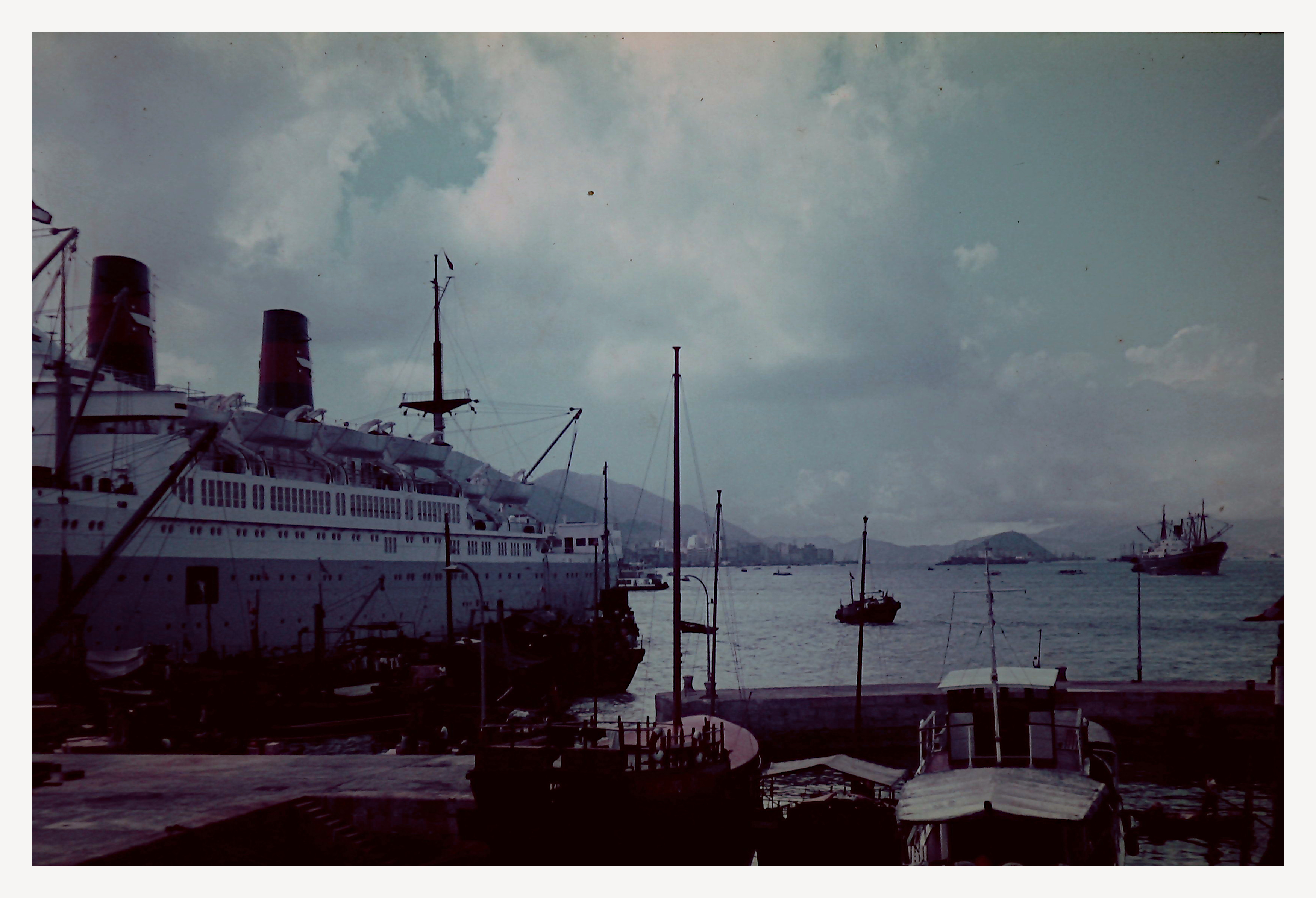
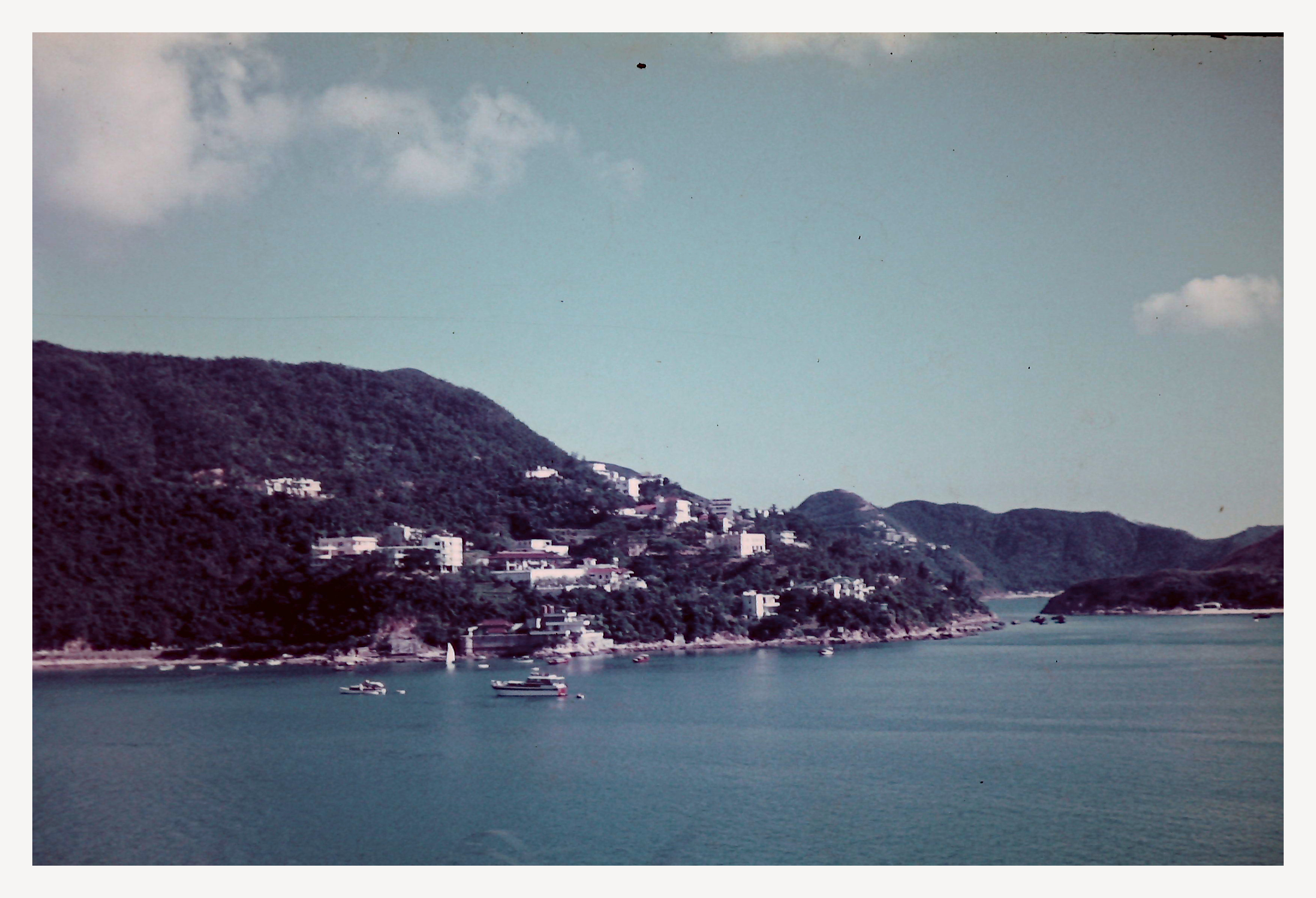
I recently got hold of a 37 slide box of Hong Kong. It was at a thrift store and by the estimated age, the photographer is either elderly and releasing possessions (as people often do in later years), or already passed on and their family have offloaded the life collection of things. A bit sombre – but ultimately we don’t take anything with us after life, and things we hold dear do not necessarily have meaning to those we leave (also – most of us cannot keep the collective possessions of our ancestors!). Anyway, back on the positive track:

NOTE: All images with text are the text of the photographer written on the slides. Also click into the photos – Gallery shows some as zoomed in portrait when most of series are actually landscape.

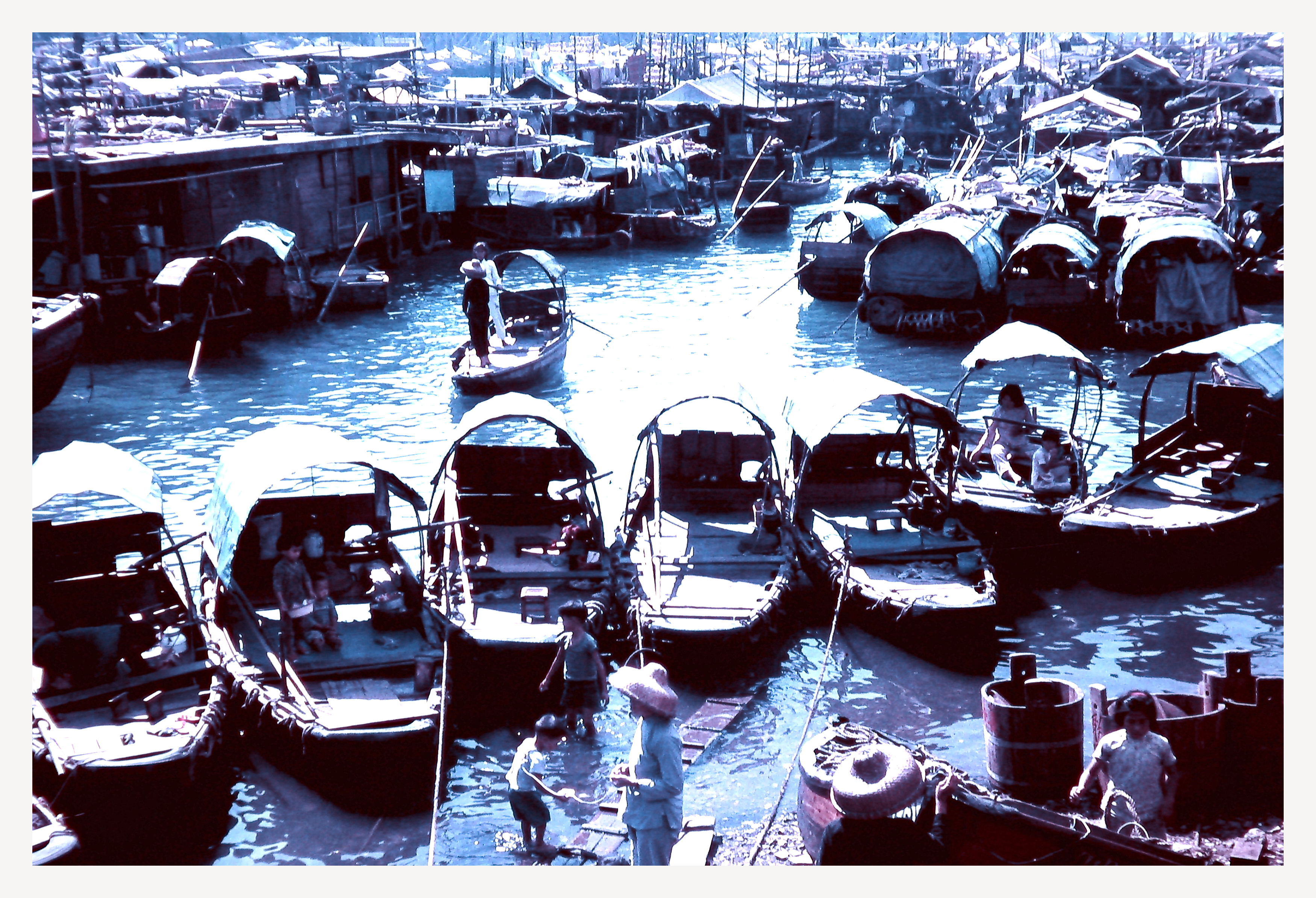
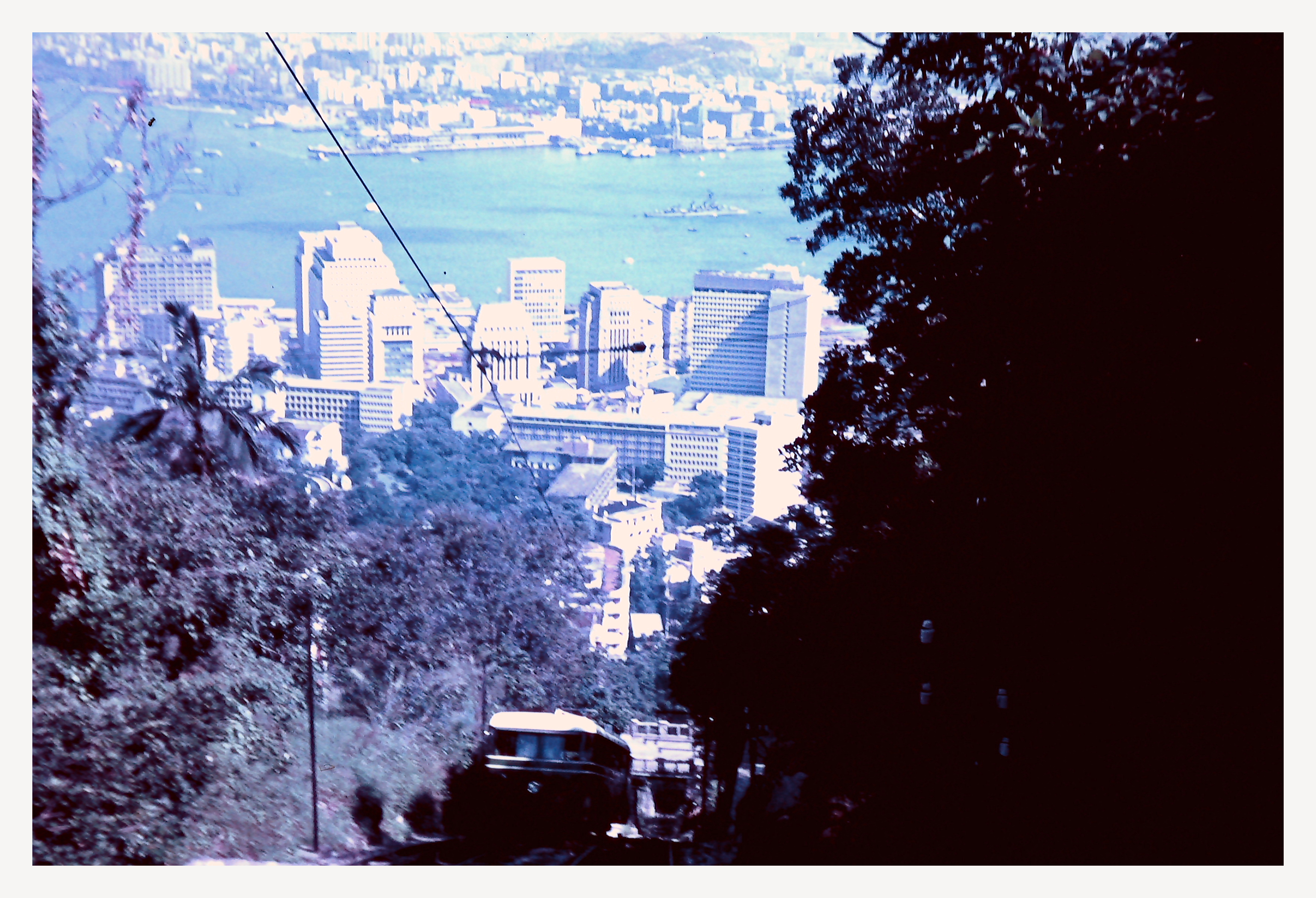
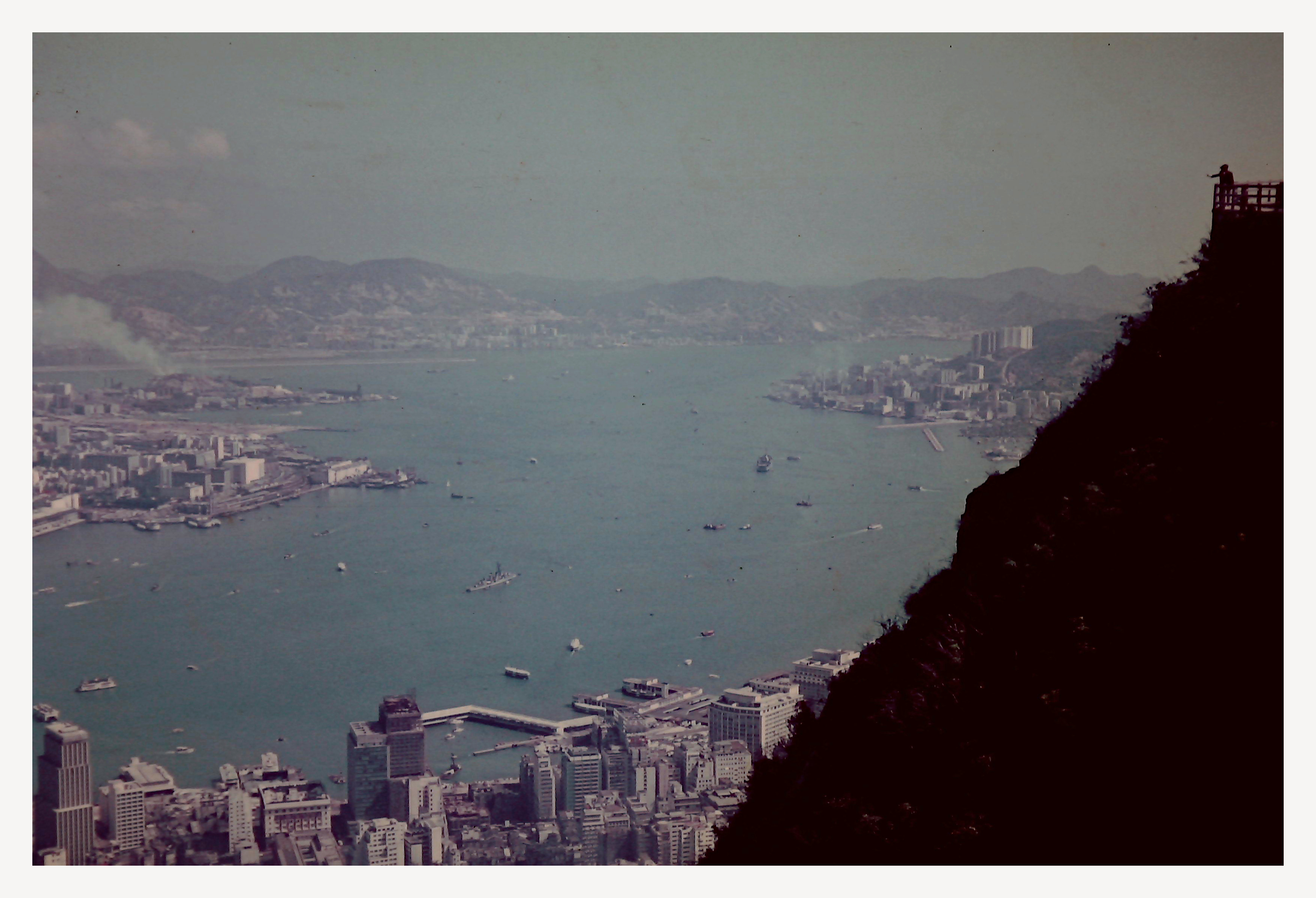
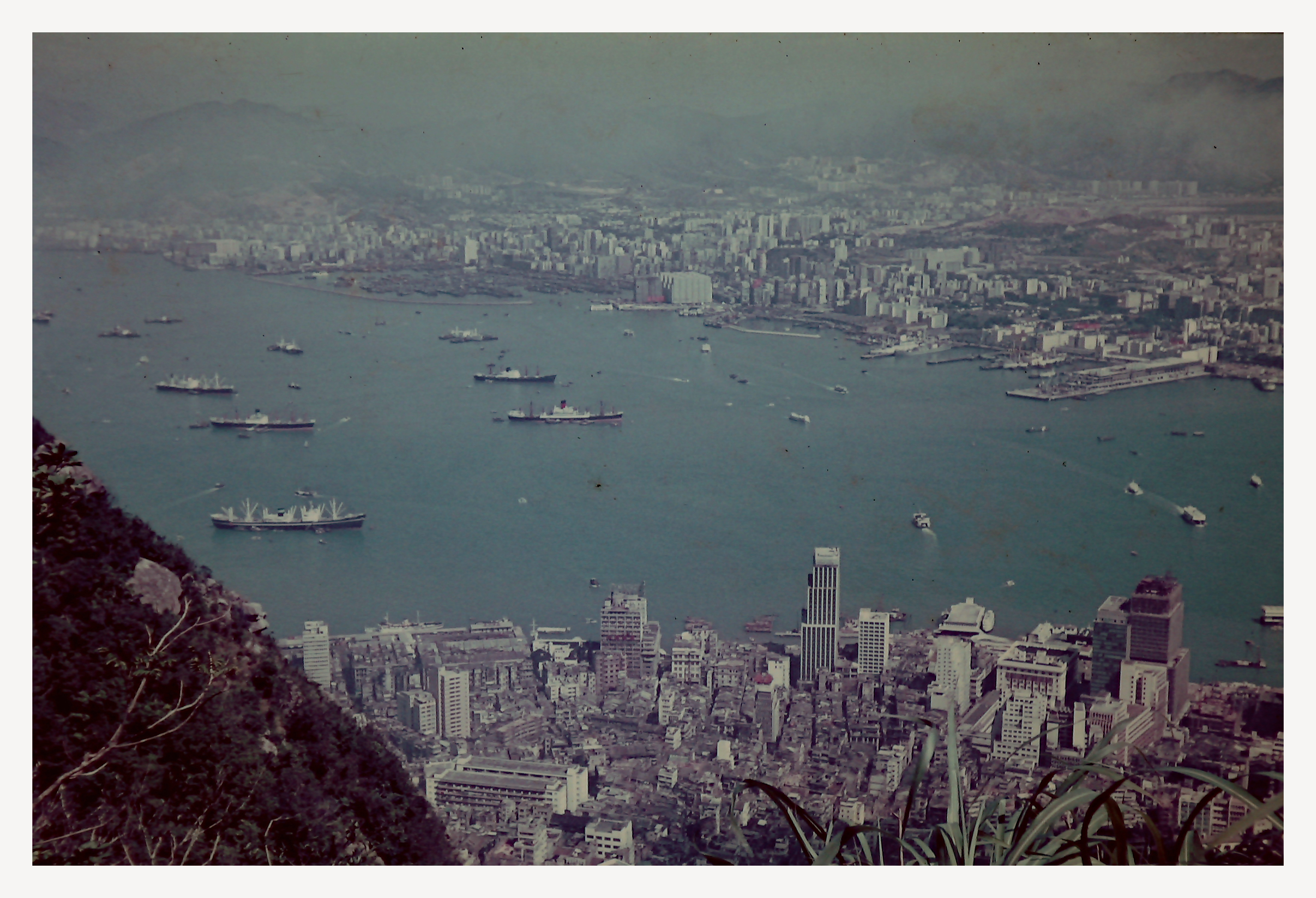
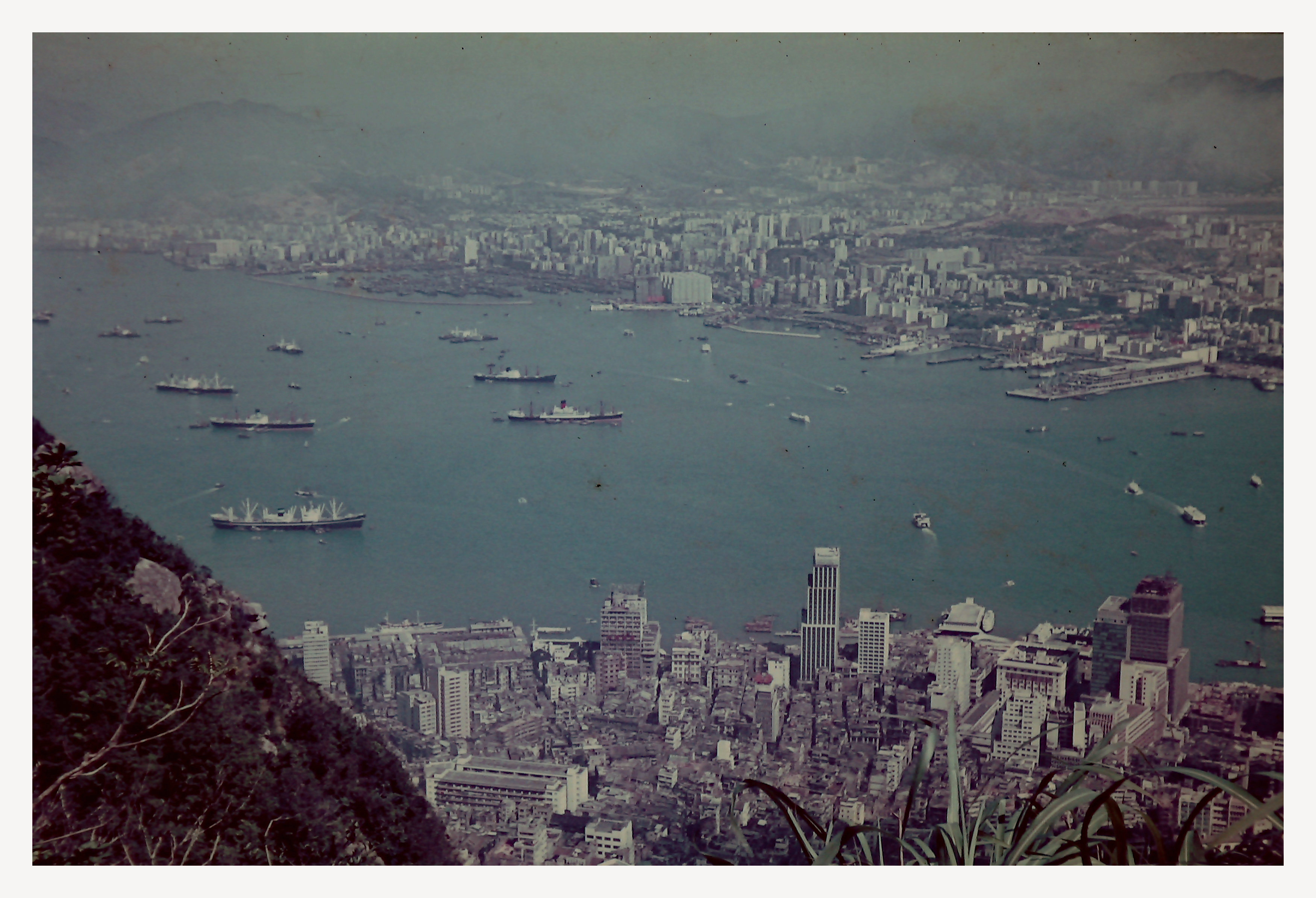
It was really interesting to see Hong Kong in the [estimated] mid/late 1960’s (based on landmarks, cars and writers language – anyone who can date more please comment). I visited roughly in the new millennium, or for my younger readers, this century. These images predate my memory and images by nearish 40 years! – quite a lot of the area had changed.

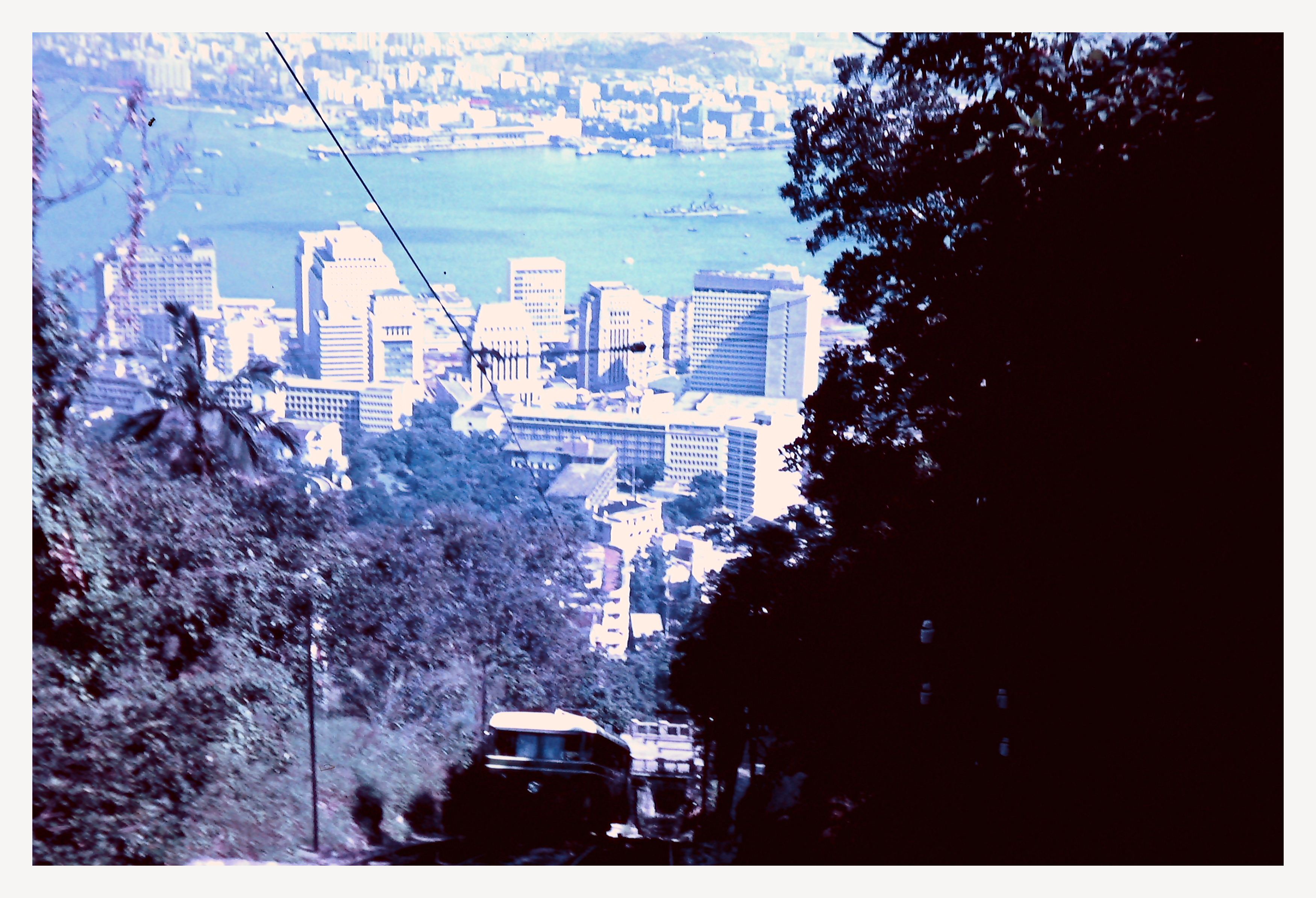
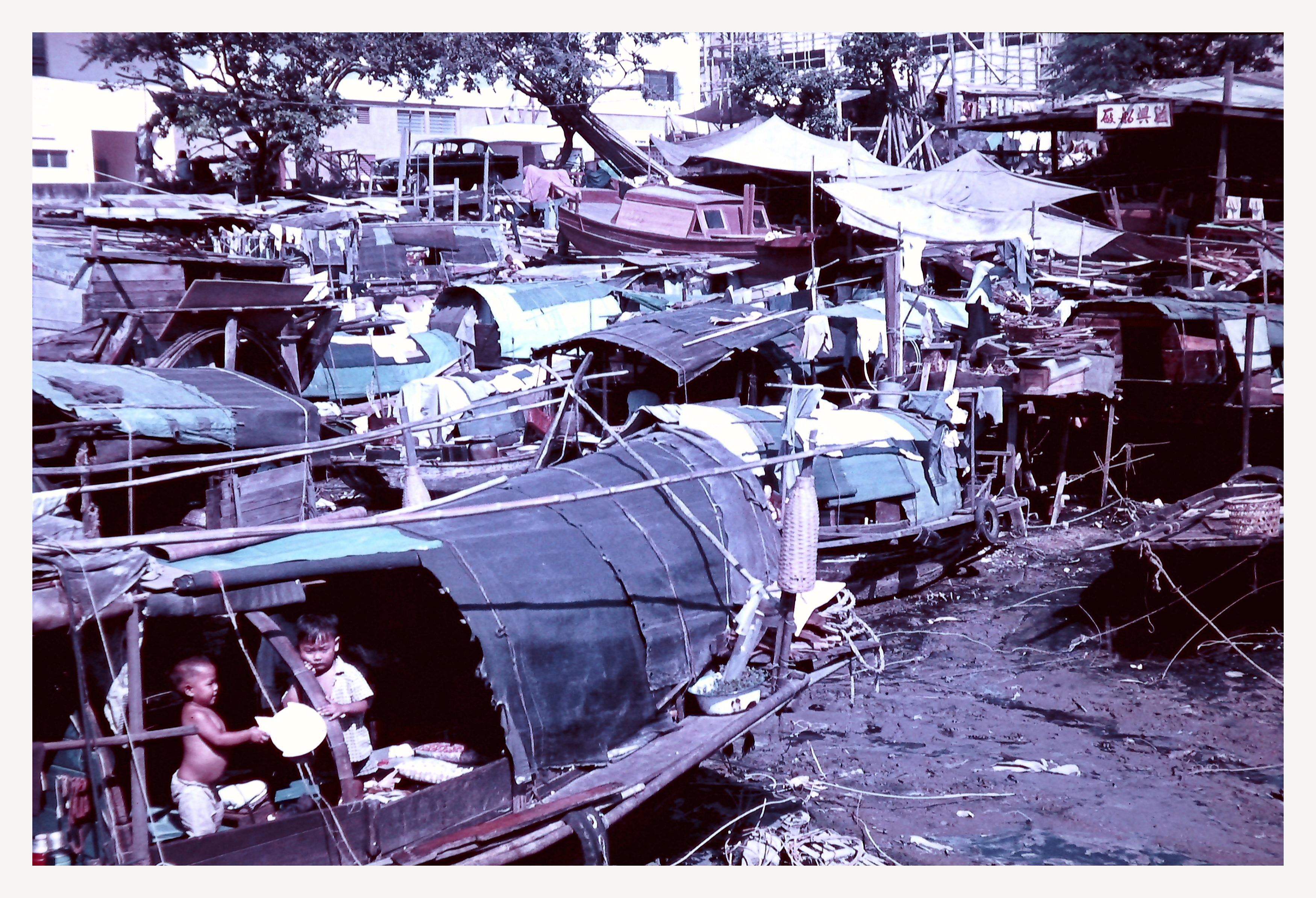
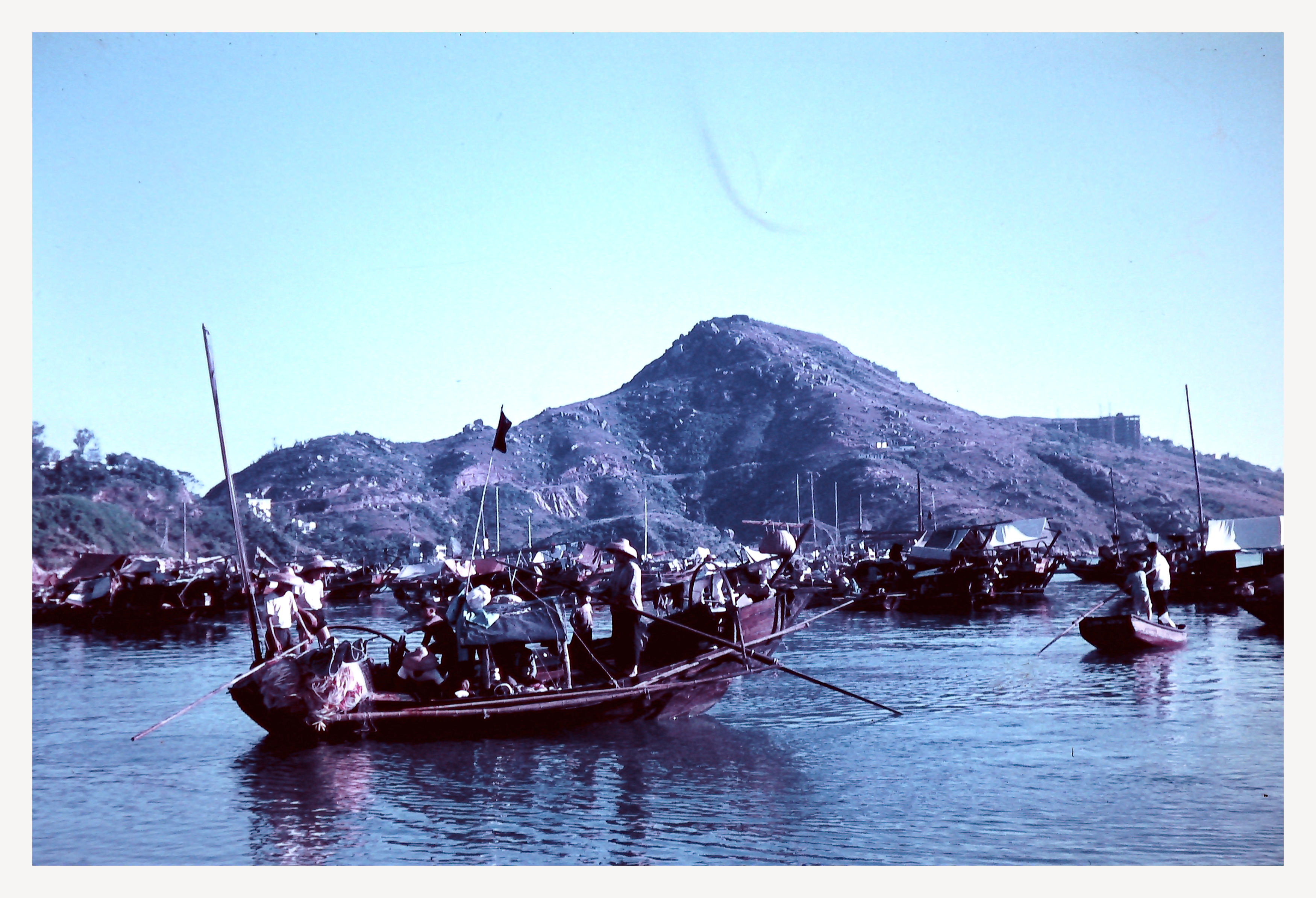
One clear difference was the volume of ‘boat people’ – either Tanka fisherfolk, or if I have guessed the date wrong by about a decade,Vietnamese refugees post Vietnam War (1975-1990s). Looking at the tram images, the city is so smaller compared to my visit and current day!

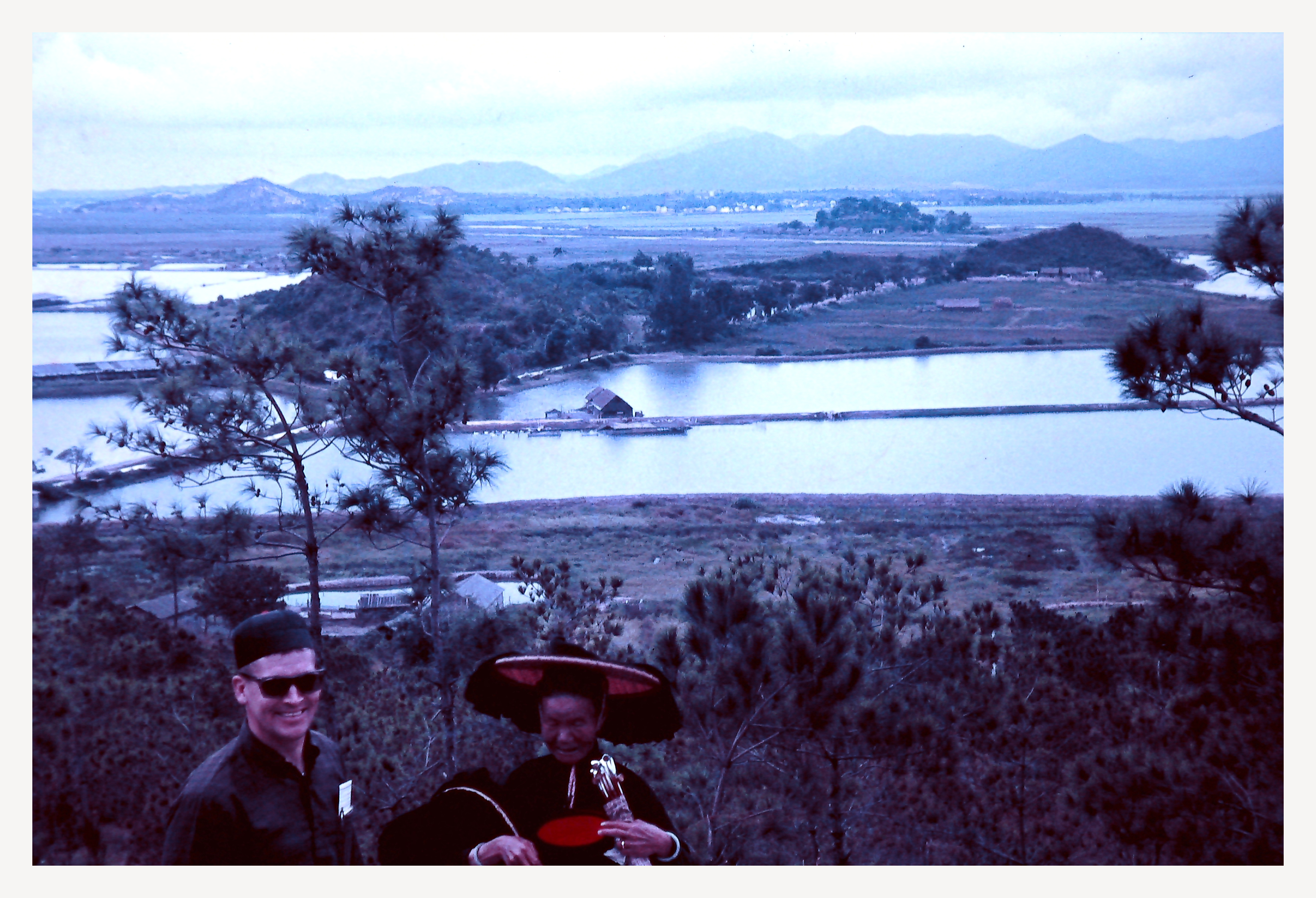
I wonder. Was the photographer one of the two posed on the summit above?

What’s burning on that hill in the background of the cityscape images?

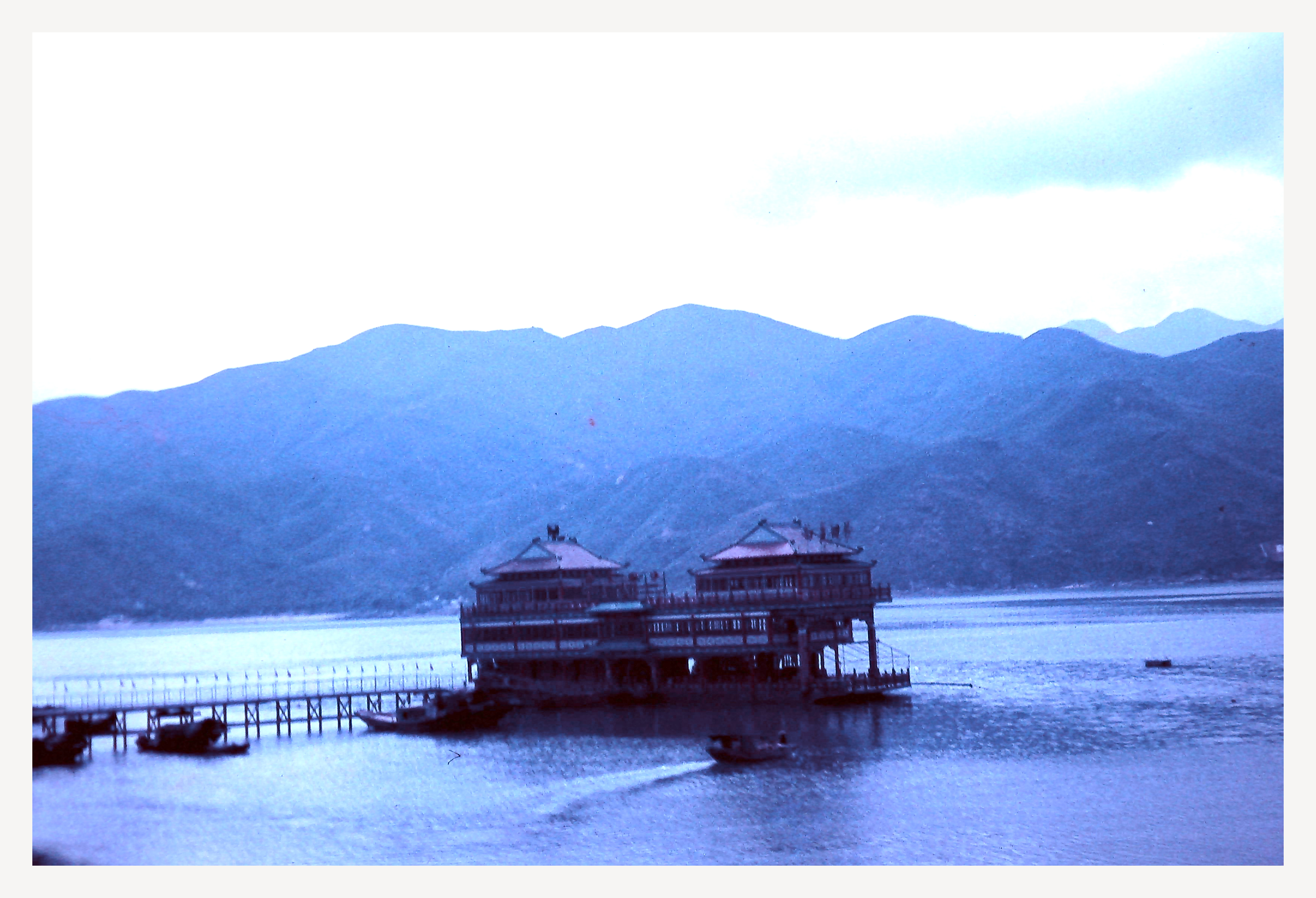
Perhaps the floating restaurant gives clues to the age of the images. I don’t think it is the Tai Pak?

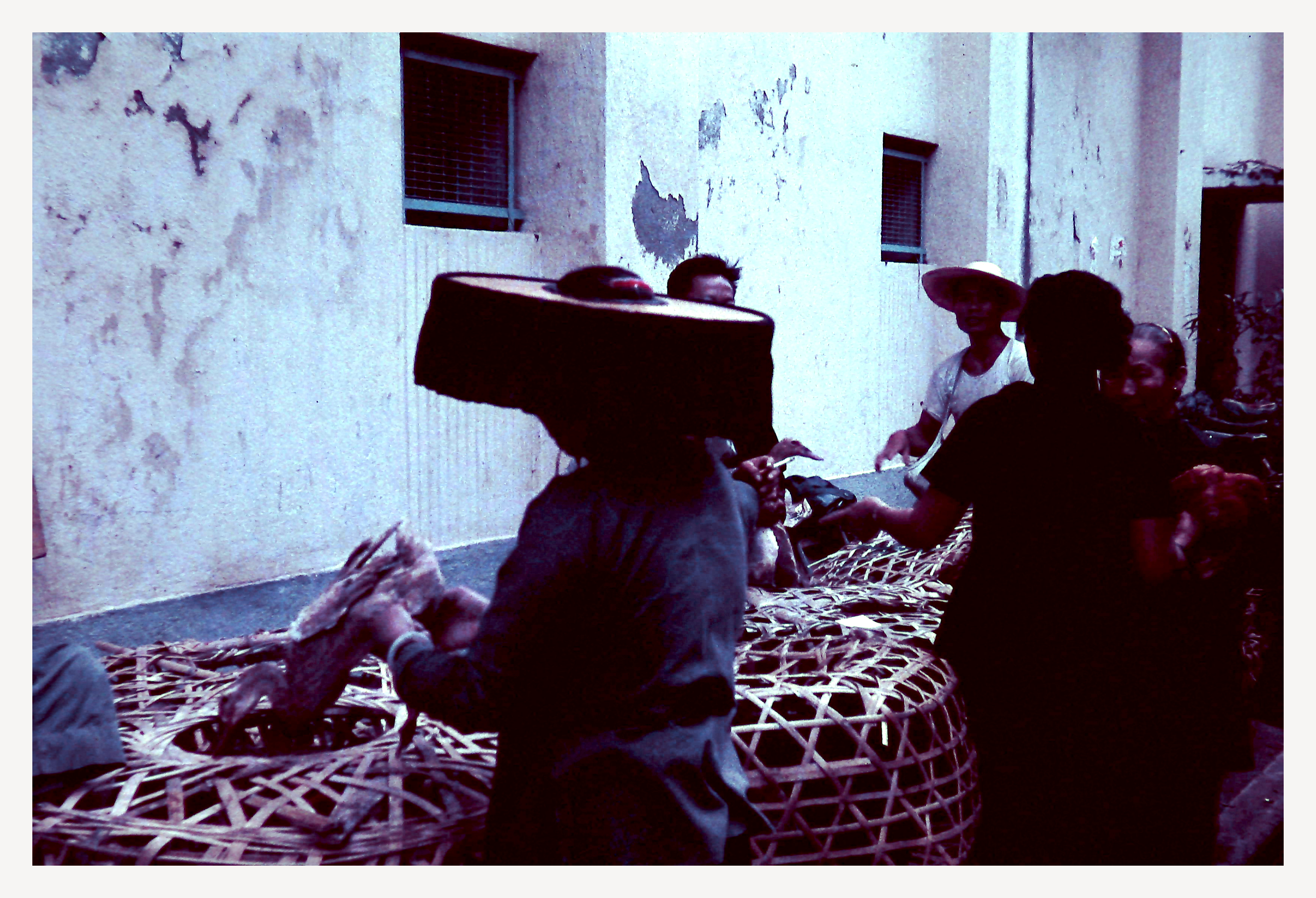
The Markets in part don’t look so dissimilar to my visit. Hustling and bustling for produce. No phone cases or plastic widgets for sale in these photos though!

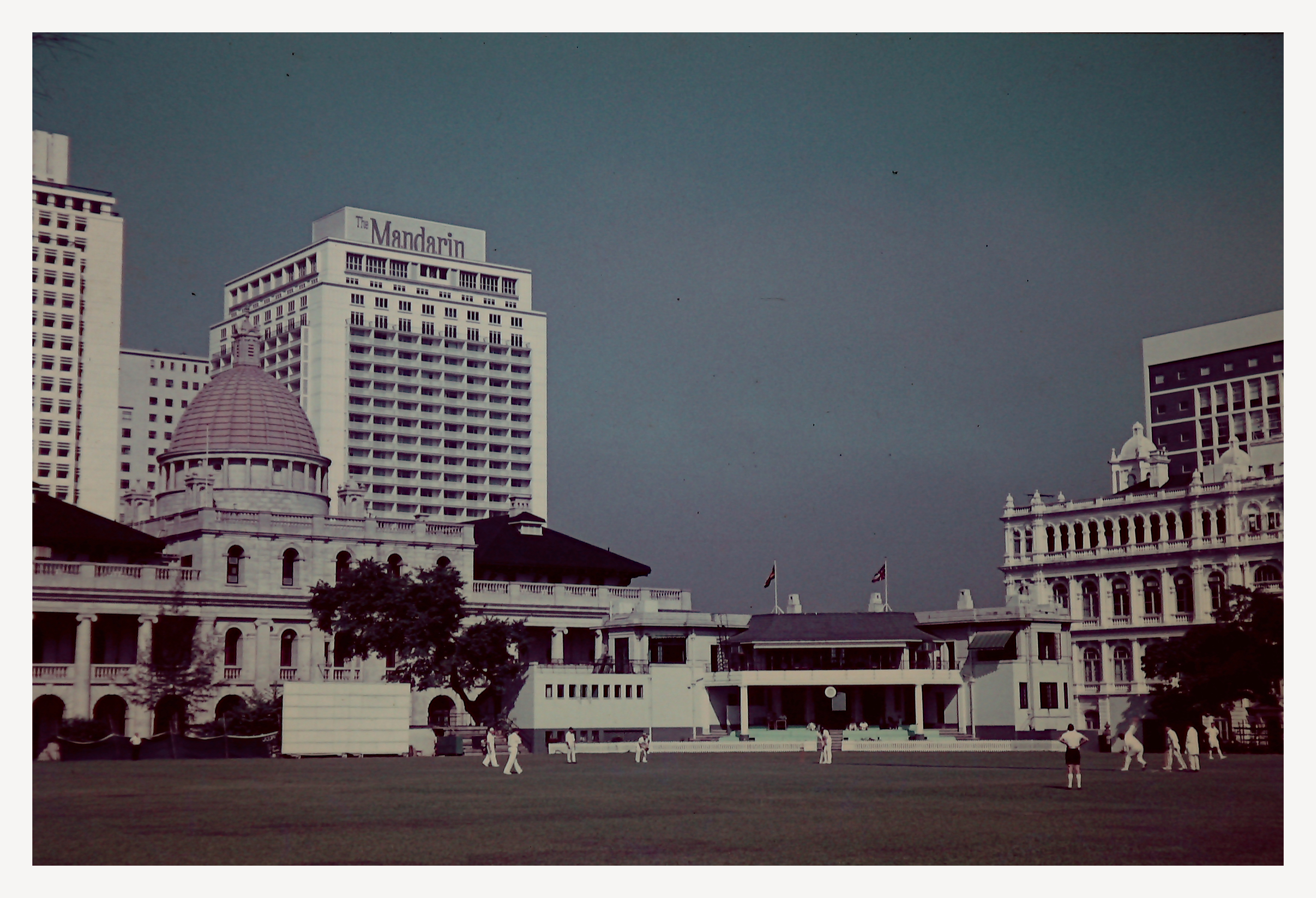
In front of The Mandarin Hotel we see the Hong Kong Cricket Club – now the Chater Garden. Peak British Colony era stuff with some ‘ole sports’ having a swing as the photographer snapped his shot!

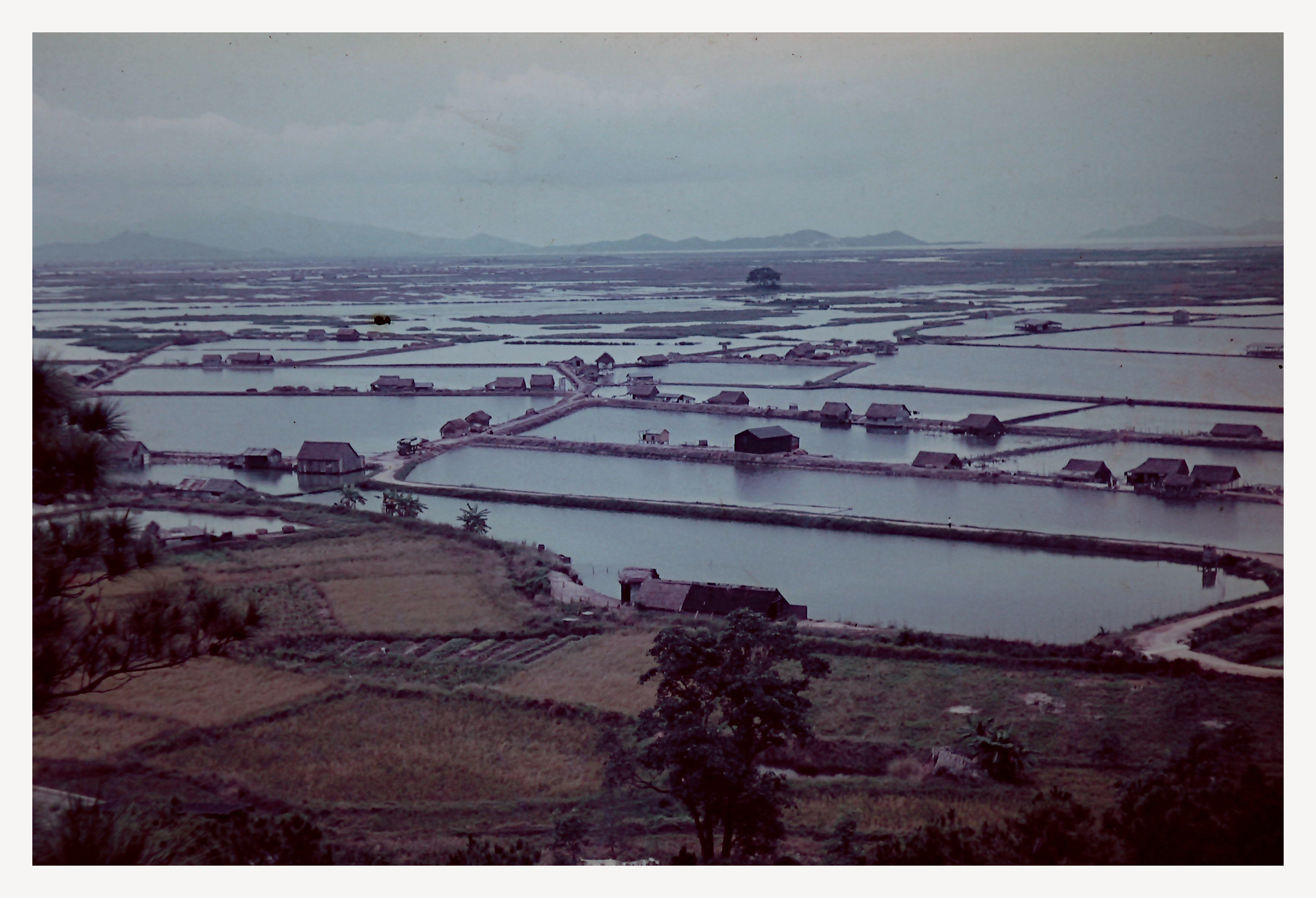
So many images of the ports and fishing communities. Hong Kong long had a solid traditional fishing industry. The Industrial History go Hong Kong group stated “The total population of boat dwellers in Hong Kong was estimated at 2,000 in 1841, 150,000 in 1963 and 40,000 in 1982…” – I think these photos perhaps show the country at its peak for boat people, before things began modernising more and reducing.

Middle, second to bottom row of the above selection also show the fascinating mountainside cemeteries in the background I believe – just as built up and crowded as the living city & so visual compared to the essentially hidden ones in some countries.

Victoria Island.

Taking the shot out of order, I close off with the above. One of my favourite of the 27 (as is the opening one).

We will likely never know the photographer, their trip and the real stories that unfolded, but their images now live on in this very different time and space, giving us a glimpse of the past.

Colour Slide Film: Agfa CT18

Scanned on a Kaiser Baas PhotoMaker Touch (also found at the op shop on a different visit)

First Walk With A New Old Camera

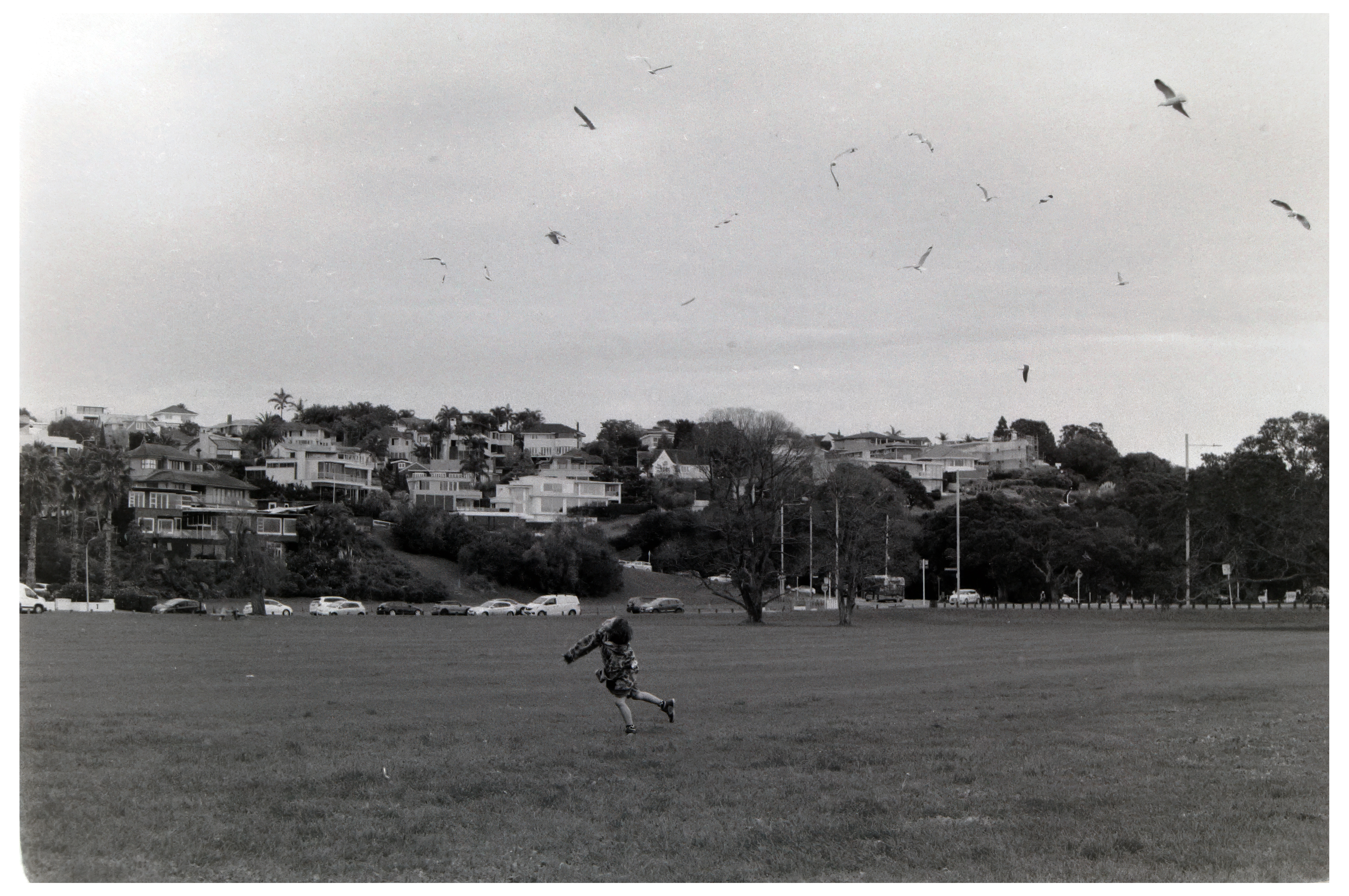
Stars aligned with an old friend who also shoots and we ventured out to Auckland’s suburb Onehunga to shoot some frames. I took the opportunity to bring along a ‘new’ camera for a test run – the Canon EOS 300D Digital. The 300D was a milestone DSLR on its release in 2003 as the first consumer sub $1000 camera. Sharing many features with the prosumer EOS 10D (some just being locked down in software you can unlock), it sports a mighty 6.3MP APSC sensor and was the first to have the EF-S lens type that ran up until recent years when Canon dropped DSLR’s from future development.

In ways, the 300D is more akin to shooting film… or at least a clear transition stage. You manually select film ISO (only to ASA1600), focus points are limited (I am generally a central and re-frame shooter anyway) and not always super fast. It cannot do live view and the post take preview screen is more an indication the frame was shot than a confirmation all is in focus. Its old and its pretty enjoyable.

The sun was rapidly disapearing beyond sight, so we quickly travelled another few KM down the road to the suburb of NewMarket to get a few final shots in. I shot Onehunga in 100ASA, but moved to 400ASA in New Market and also converted a couple of shots to B&W, just to see how they looked really.

I’ll have a bit of a play shooting RAW some time also to see if there is much more to get from this old digital antique. I got another longer lens with the camera also, so will give that a try in the future when conditions suit.

I need a bit more time with the old beast, but did quite enjoy shooting with it. It’s out of camera jpegs have a certain look and feel of the period. The less than ideal conditions had me shooting fairly wide open (for the supplied lens) and I didn’t quite get all the focus points, but will be interested to see how they look stopped down a little.

First outing – complete.

Shooting Film

I’ve been slowly whittling down my film camera collection, keeping almost only units which have personal family history to them now. Whilst my fridge stocks of film are not exhausted, they are starting to run slim and at last count, my 120 film outnumbers my almost exhausted 35mm.

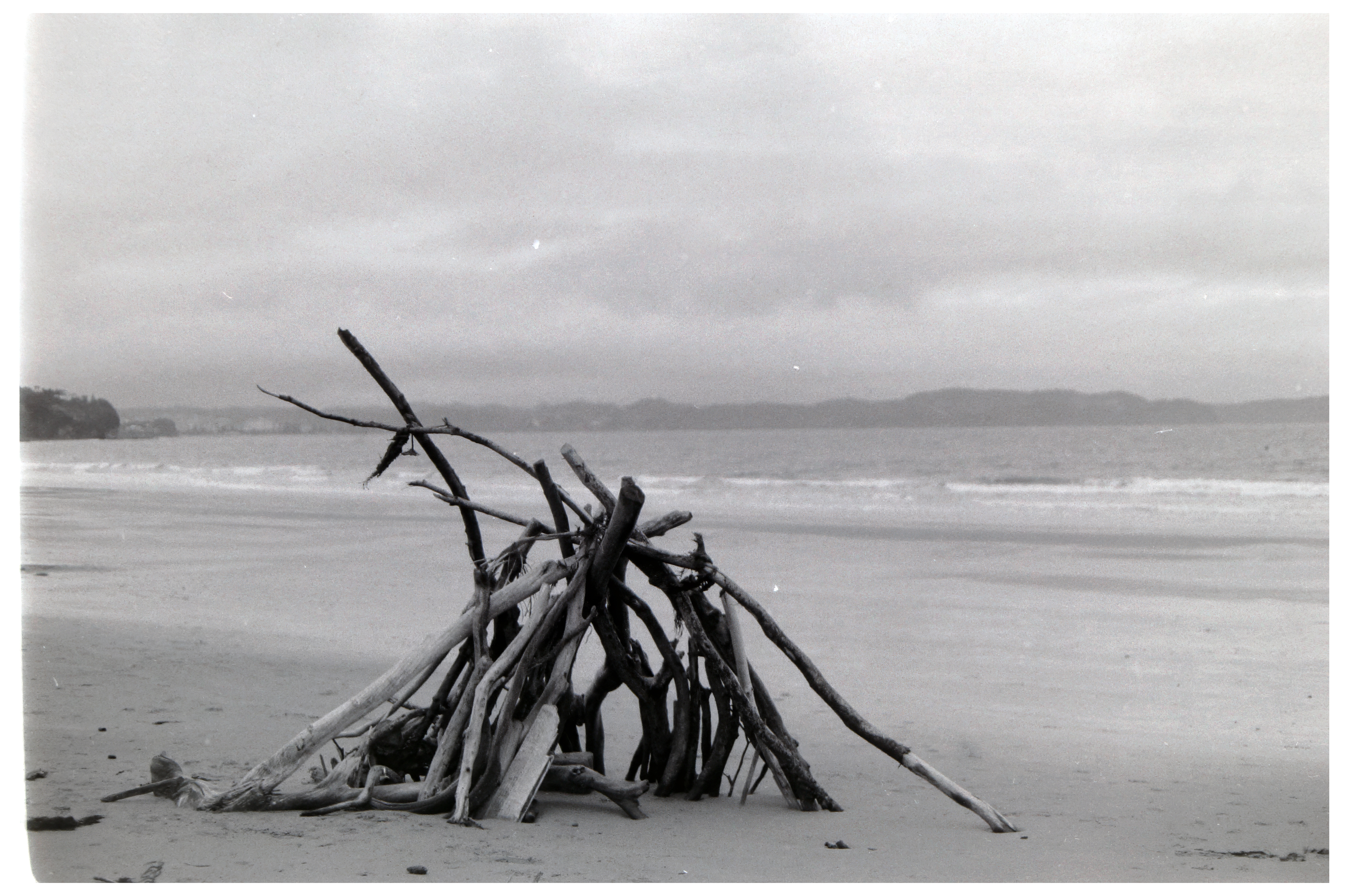
Today’s shots were from the last run I had with my Minolta X-570 before I sold it on. It does not have any family ties nor early learning days links. A fabulous manual camera to use. Minolta remains one of my favourite brands of the 60’s -90’s. If they had not been brought out by Sony, I likely would have remained with them into the digital era (assuming they kept up development).

One limiter to film nowadays is simply cost. Whilst I tend to home develop and buy lower end B&W film, it still all adds up. The ‘film feel’or look is real, but then, we digitise it anyway to share nowadays. Removing the pure film finish in a re-digitised master. I used to print my shots too (as in from an enlarger to photo paper in a darkroom) – another great hobby to get into if you have time and space!

On the flip side, film is less convenient, environmentally worse (*though producers like Kodak have some great sustainability and environmental practice in development) and arguably, surpassed in quality potential by modern equipment (35mm – larger 4×5 or 8X10 is a different topic). Once you are all set up on digital, you can operate near cost free. Film, bar perhaps high enders like Leica and Hasselblad, is pretty cheap to enter into, but expensive to shoot and develop. Fire off (and pay to have developed and scanned) 20 rolls of a half decent film stock now days and you are on your way to buying a nice’ish digital base. Dwell in the older used digital era like I now do and the options comparatively could be vast.

But regardless of my rambles, film is not dead. The movie industry has helped keep it alive way more than the revival of the still camera movement. Many films. At 24 frames per second, allowing for re-takes, edits, different cameras for different angles – it puts the conservative modern still film shooter as a blip on the map. So thank you to the film industry for keeping things classic! It will be a sad day when Kodak (in my opinion the only main one left) moves on.

There is something special about slowing down, taking the shot and waiting to see the result. Entirely possible to replicate this in the modern digital age – but most of us lack the patience and willpower to do so… also – if you have taken a bad shot or someone blinked, you can just take another few hundred and chose the best now – that just was not a practical possibility in the film era!

With that, I farewell the Minolta X-570

Away unplugged for 5 nights from tomorrow, so for those who do get email prompts and have been overwhelmed in the last 7 days of activity, I plan to cut back on my return. Perhaps several times a week. Lets wait and see!

The Terraces

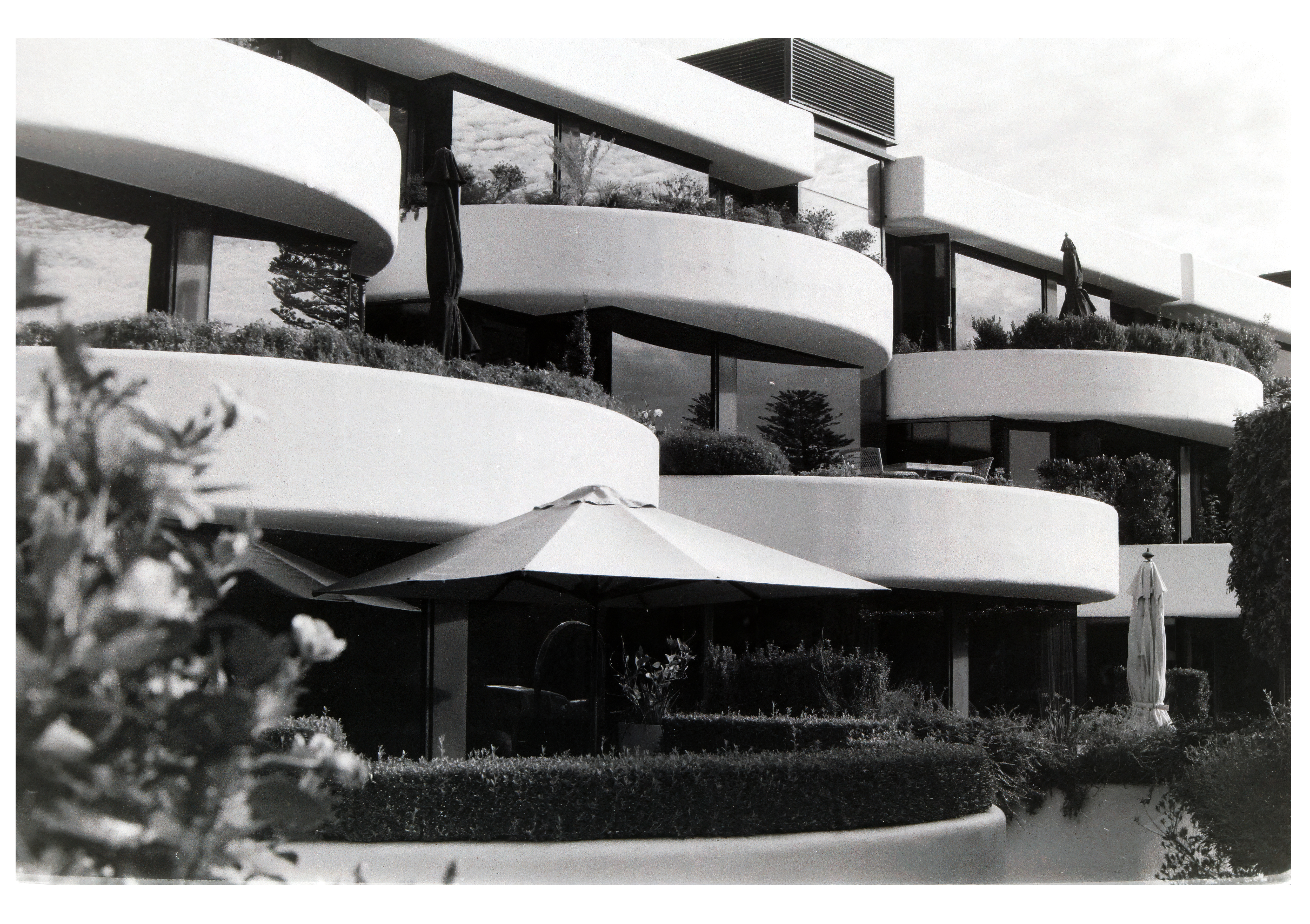
Designed by architect Dr. Robert Donald in the 70’s and building completed around 1978, ‘The Terraces’ were (/are) an impressive apartment block in Auckland’s Mission Bay Area. Each apartment sporting 180 degree views of the harbour with deck access via master bedroom and lounge.

Ive memories since childhood walking past these, as I still do whenever in the area. Its a shame we don’t see as much character in ‘most’ modern designs – then again, its not like it was commonplace in the 70’s either with most builds being typical box.

Image shot mid 2025 on the Minolta x-570. Unsure of the home developed film. Digitised via Sony New 5N.

The Ocean

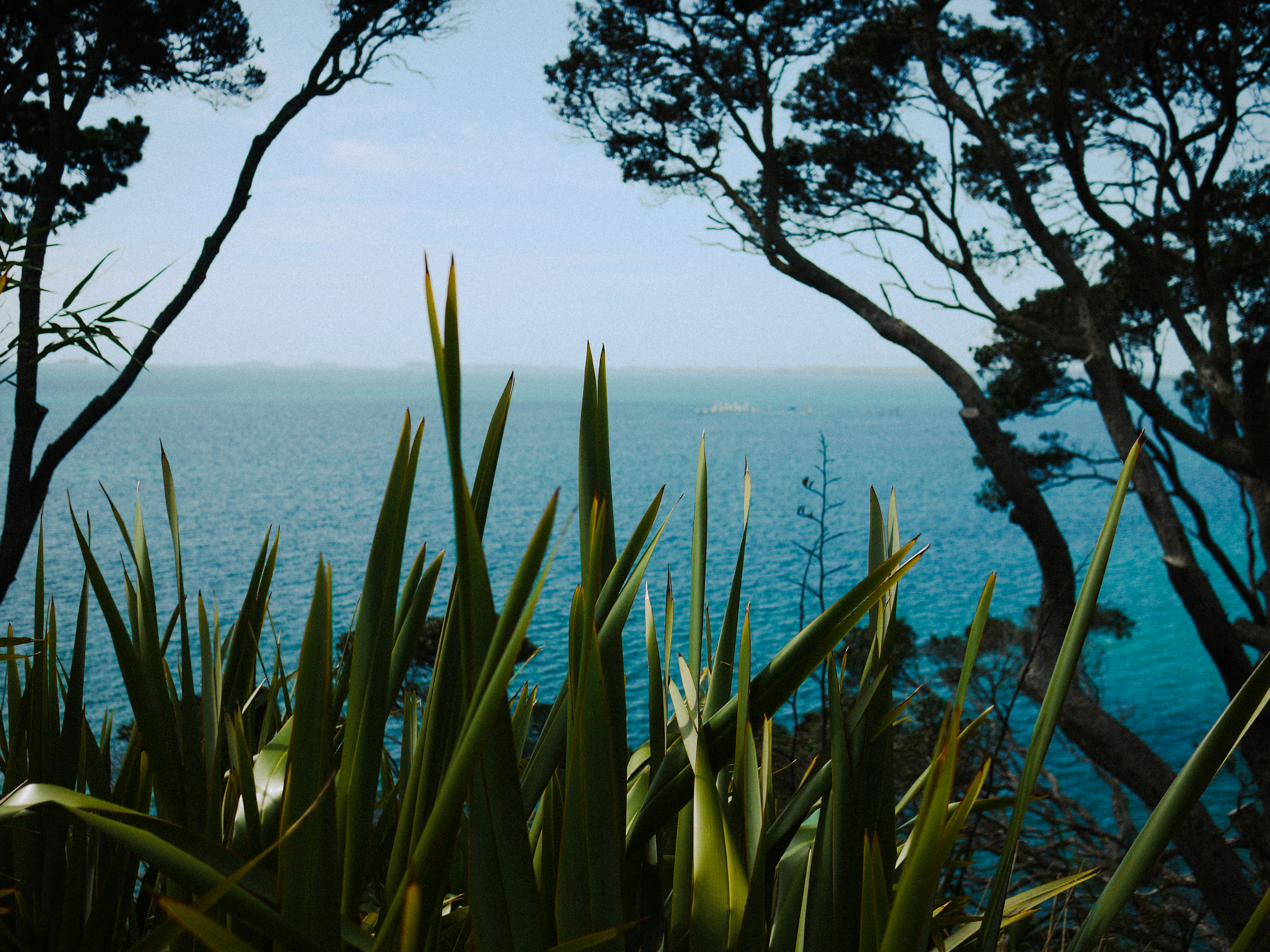
Scene from Coastal North Shore, Auckland, New Zealand

Lumix GF1

The Ocean

The Ocean has its silent caves,
Deep, quiet, and alone;
Though there be fury on the waves,
Beneath them there is none.

The awful spirits of the deep
Hold their communion there;
And there are those for whom we weep,
The young, the bright, the fair.

Calmly the wearied seamen rest
Beneath their own blue sea.
The ocean solitudes are blest,
For there is purity.

The earth has guilt, the earth has care,
Unquiet are its graves;
But peaceful sleep is ever there,
Beneath the dark blue waves.

NATHANIEL HAWTHORNE – 1825

Waters Journey

“Water is life’s matter and matrix, mother and medium. There is no life without water.” – Albert Szent-Györgyi, M.D.

I can’t imagine living in an area where water is not abundantly surrounding me – be it in rivers, lakes or the ocean. Having it coming out the tap is pretty changing for humanity too!

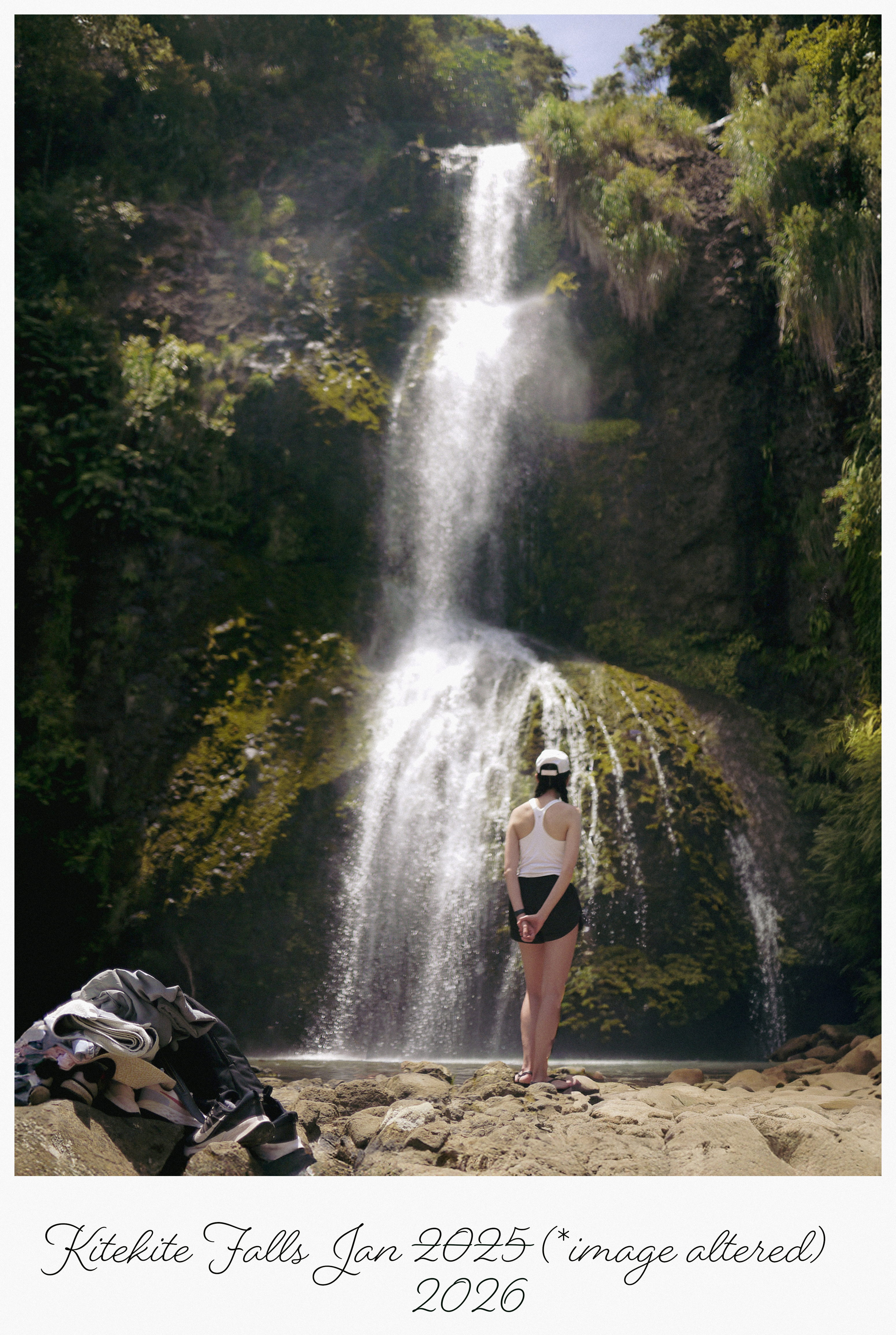
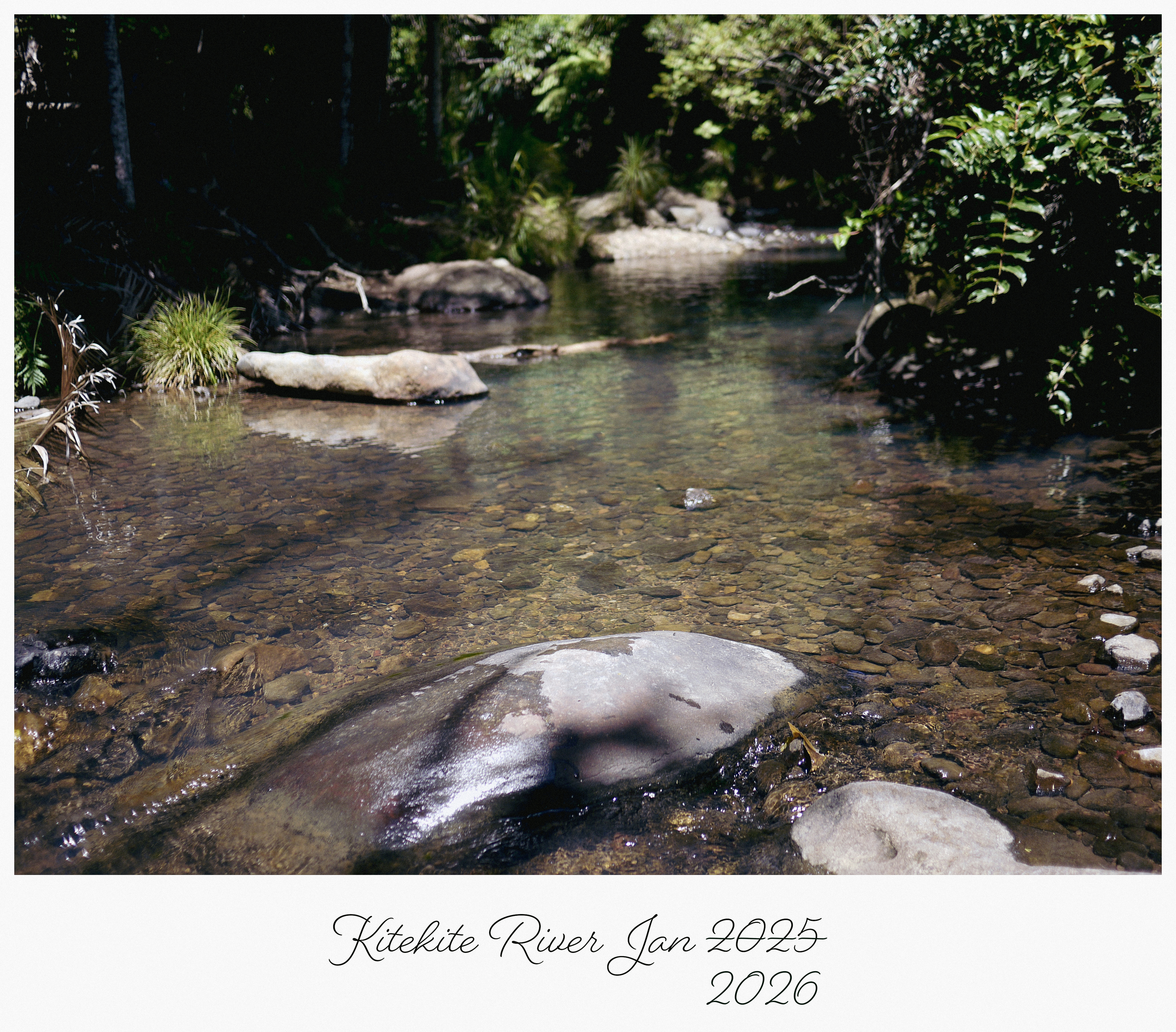
Revisiting the walk to Kitekite Falls the other day, we see the water loaded from the mountain streams, amalgamating into rivers and as above, occasionally tumbling off cliff edges.

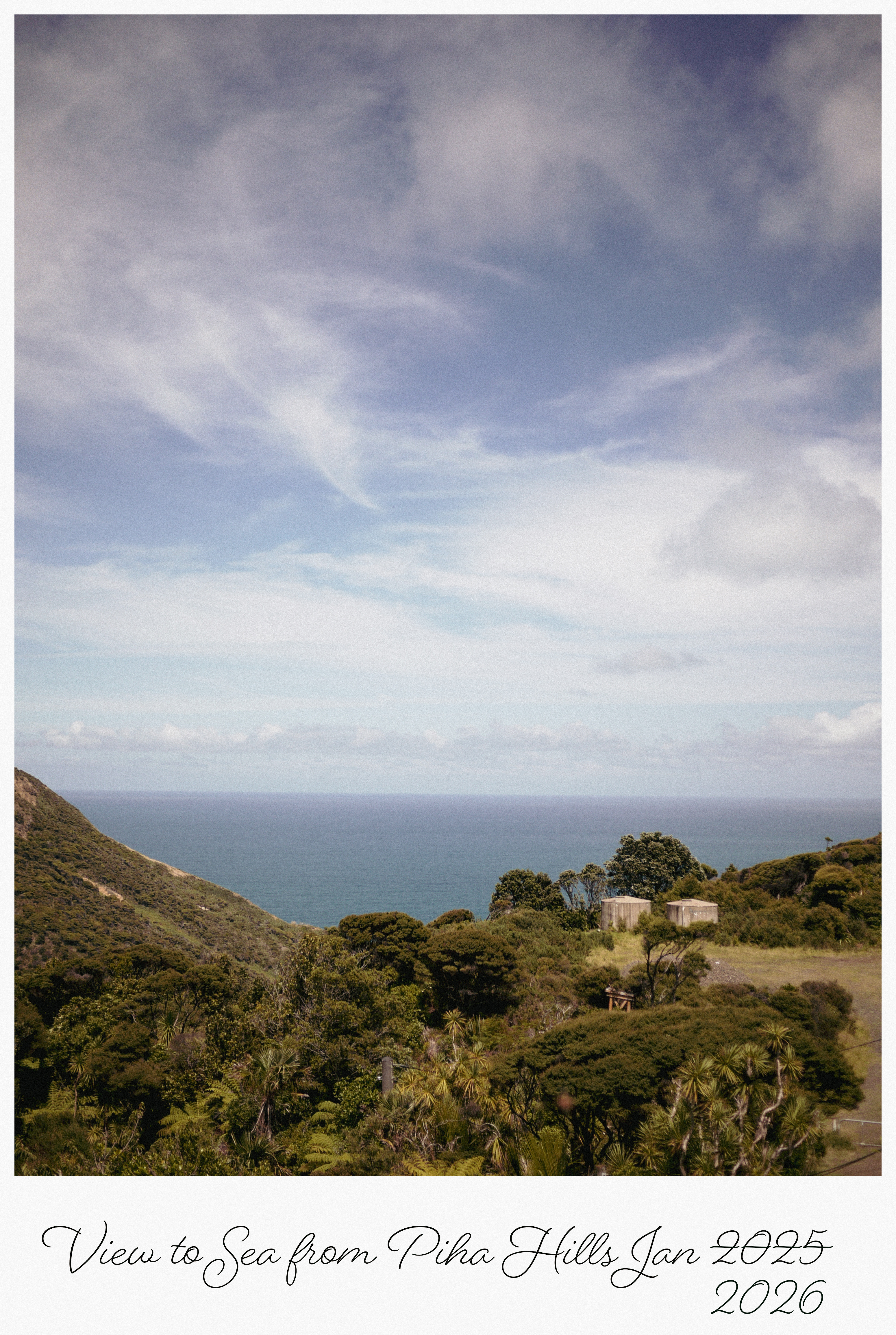
Flowing from the waterfall, back into a river and finally finding the mouth to the ocean.

We take water for granted – and really notice quick when it does not flow so easily. Only about 2.5% of all the earths water is fresh, and this is reducing with climate change. We can desalinate (as some countries and towns already do), but that takes a lot of energy.

“Water is the engine of all nature.” – Leonardo da Vinci

Leonardo and Albert (above) are pretty bang on. It’s a precious thing that humanity is inherently tied to forever. We just need to take care of it.

Footnote – As mentioned in the image. Image 1 is edited and altered. It was a super busy day at the falls with dozens of people there. Just for a little experimentation, I played around with removing some of the audience and swimmers, leaving the one person in solitude to take in the beauty of Kitekite Falls.

Final note – Haha! its 2026… not 2025 as edited on the photos. Silly me!

Linked By A Common Ancestor

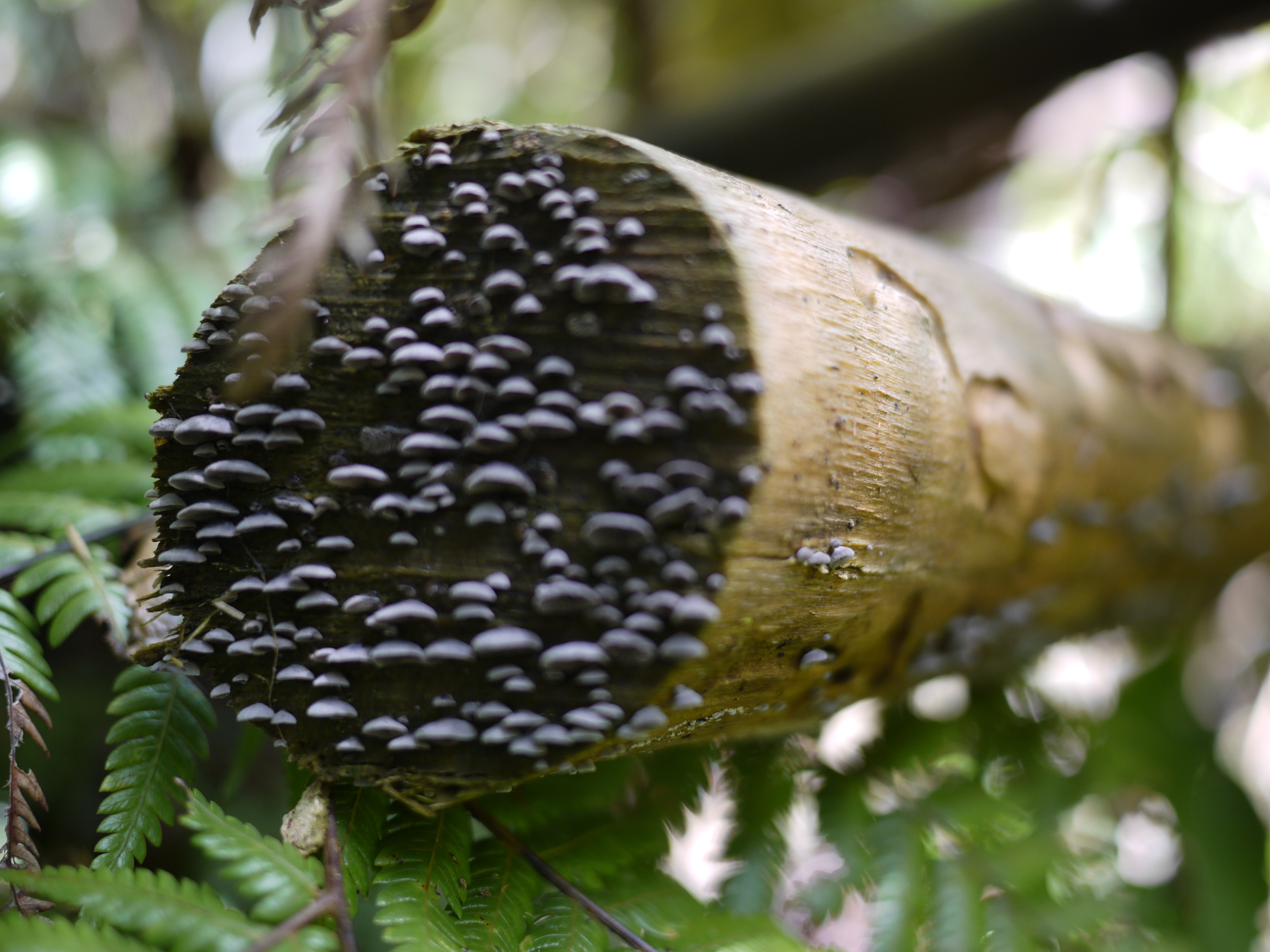
Fungi

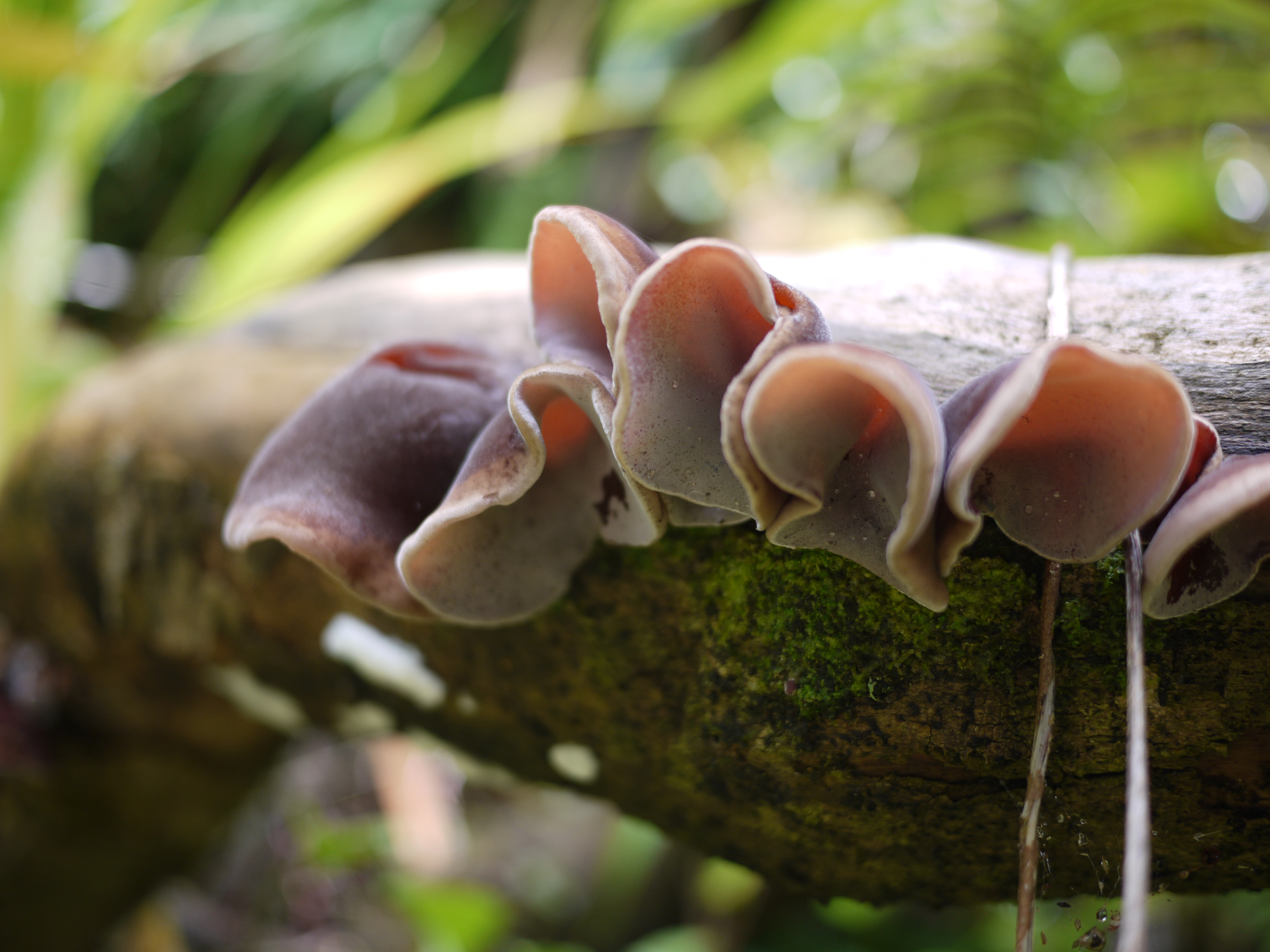
Fungi. Remarkably, these spores of design are more related to animals (therefore us) than plants!

Rather than photosynthesising, like animals, fungi are heterotrophs – that is to say, they cannot produce their own nourishment and absorb/take it from elsewhere.

To be fair, the genetic relationship began a few years ago (about a billion) – but we share about 50% of our DNA!

We use them as food, medicine and all kind of alternative commercial products like fake leather and packaging. Pretty interesting.

Whilst on a holiday break forest bathing, we stopped and looked around. Lighting was not great, but we quickly found three types right next to the track. Might warrant a macro lens in the future!

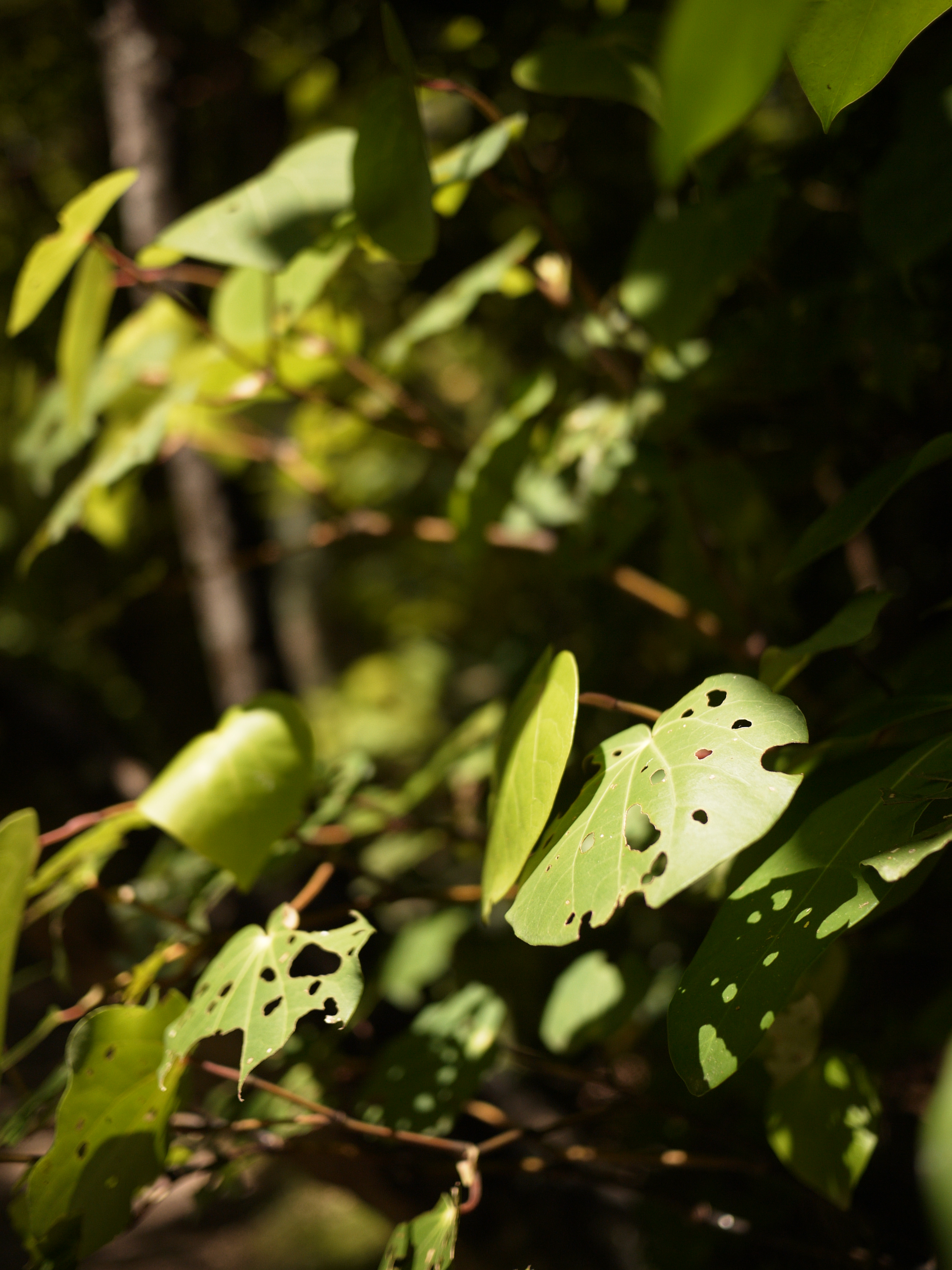
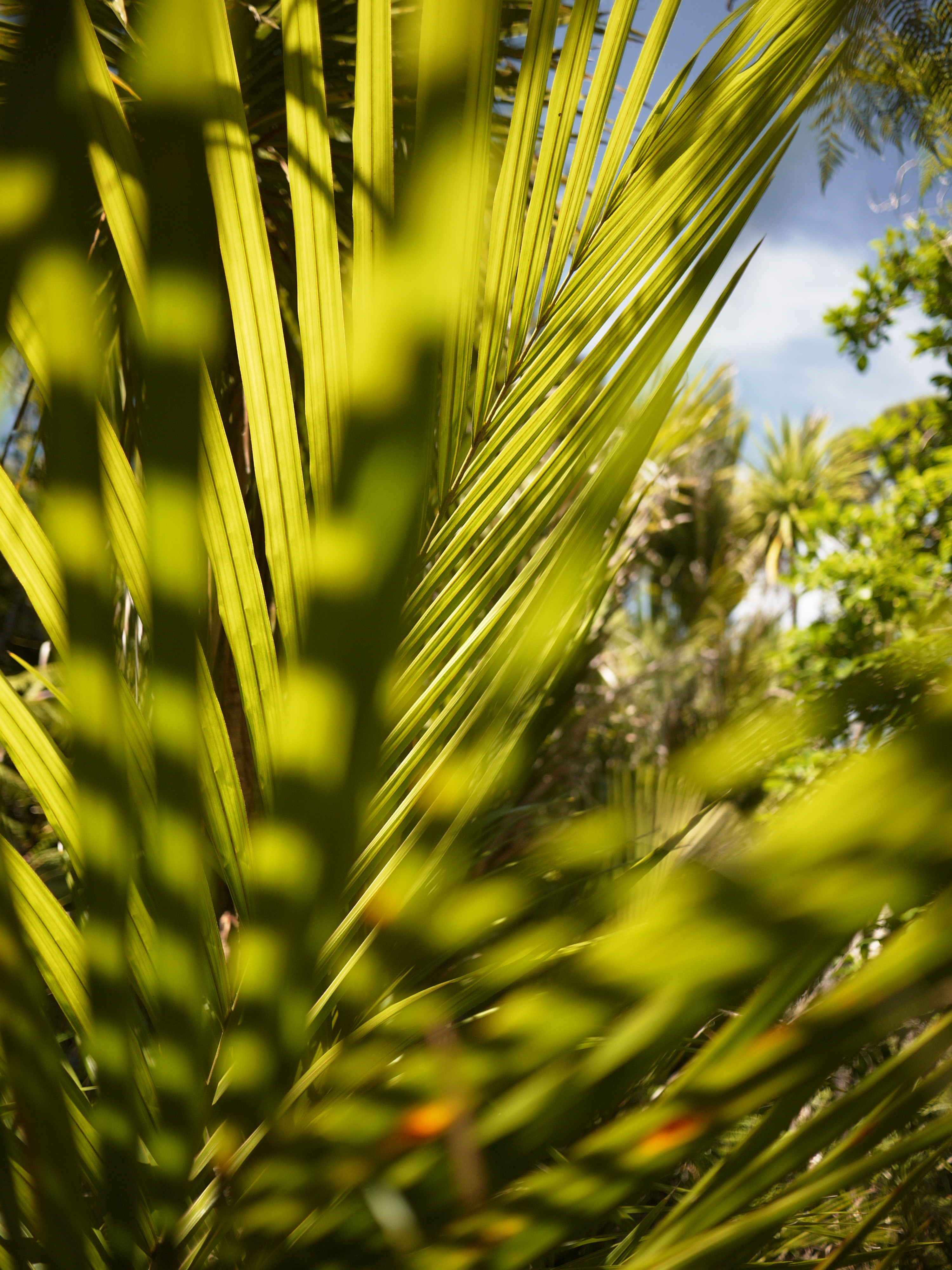
The Benefits of Being Around Green

“I go to nature to be soothed and healed, and to have my senses put in order.” – John Burroughs April 3, 1837 – March 29, 1921

Whilst the modern take on science was not there in Mr Burroughs time, the concept of the restorative nature of trees and the forrest was well ingrained in human nature.

I read that in Japan, doctors prescribe nature walks, or “Shinrin-yoku” (forest bathing)to aid mental and physical health benefits of reduced stress, improved mood, better sleep, and boosted immune function -a recognised part of preventative healthcare.

Modern science tells us trees Volatile Organic Compounds (VOCs)or phytoncides, boost immune systems (increasing our natural killer cells), reduce stress, improve mood, and lower blood pressure. Inhaling these plant-emitted compounds enhances well-being, whilst also filtering and creating a healthier environment in general.

All this aside, for many of us, it just feels right, rejuvenating, peaceful.

Photos taken on the Lumix GF1, location: Kitekite Falls Walk, Piha, Auckland.

Create a free website or blog at WordPress.com.

Up ↑